
Lotus Ministry Trust Kichri Distribution Volunteer Stories & Experiences

Article-At-A-Glance
Volunteers at Lotus Ministry Trust have served nutritious kichri to over 100,000 individuals in Northern Bangladesh, making significant impact on community health and well-being.
Personal transformation stories reveal how volunteers like Raju evolved from recipients to distribution leaders, creating sustainable community change.
Kichri distribution volunteering requires diverse skills including logistics coordination, record-keeping, and direct interaction with communities.
The carefully designed vegetarian kichri recipe provides culturally appropriate, nutritionally complete meals that address both immediate hunger and long-term health.
Volunteering with Lotus Ministry Trust offers opportunities for profound personal growth while directly contributing to food security in vulnerable regions.
Join Us as a Volunteer - Support Lotus Ministry
The moment you hand a warm bowl of kichri to a hungry child, something changes inside you forever. Across Northern Bangladesh, a remarkable movement of volunteers is feeding thousands through Lotus Ministry Trust's innovative distribution program, creating ripples of change that extend far beyond mere hunger relief.
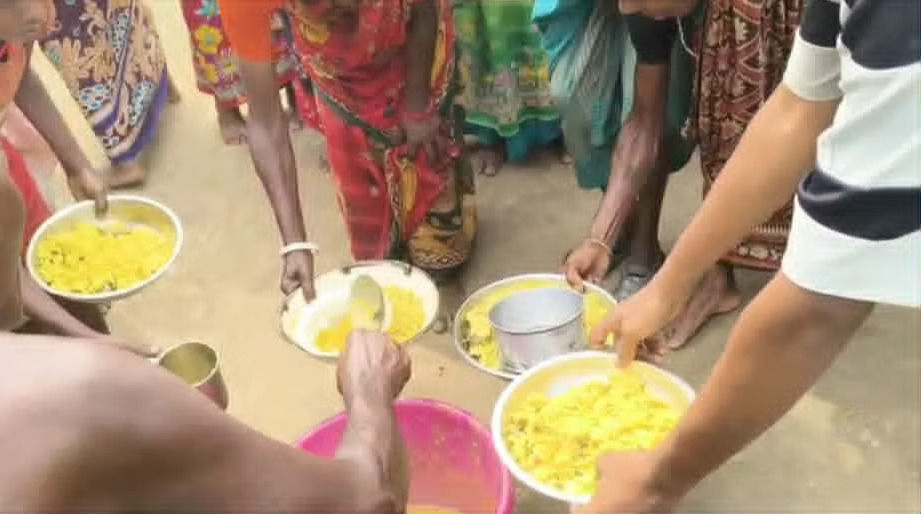
At its core, Lotus Ministry Trust's approach stands out through its thoughtfully designed food distribution system. Rather than simply providing whatever food is available, they've developed nutrition-focused programs centering around kichri – a complete protein-rich meal that addresses both immediate hunger and long-term health needs. This culturally appropriate vegetarian dish has become the cornerstone of their efforts, with documented positive impacts on child nutrition throughout the region.
What makes Lotus Ministry Trust truly remarkable is their volunteer ecosystem. Food distribution volunteers manage complex logistics, organize packages, coordinate pickup times, and ensure efficient service delivery. The collective impact is impressive – they've successfully provided nutritious meals to over 100,000 individuals across Northern Bangladesh, directly addressing critical food insecurity issues that plague the region.
Transforming Lives: What You'll Learn From Volunteer Experiences
Volunteering with Lotus Ministry Trust's kichri distribution program isn't just about giving food – it's about experiencing profound personal transformation. Volunteers consistently report gaining deeper empathy, practical skills, and a renewed sense of purpose. Many describe their service as a two-way exchange: while they provide nourishment to others, they receive invaluable life lessons that permanently shift their worldview.
The volunteer experience taps into fundamental human needs for connection and purpose. Whether sorting ingredients in the early morning hours, helping coordinate distribution logistics, or directly serving recipients, volunteers become part of something larger than themselves. This sense of belonging and collective impact creates powerful emotional rewards that keep volunteers coming back despite the challenges.
Beyond providing meals, volunteers participate in comprehensive educational programs that complement the food distribution efforts. These workshops cover essential topics including:
Basic nutrition principles and understanding balanced diets
Essential hygiene practices for food preparation and consumption
Sustainable farming techniques to build long-term food security
Community resource management and support systems
Cultural considerations in nutrition and health
How Kichri Feeds Thousands Through Lotus Ministry's Volunteers
The heart of Lotus Ministry Trust's food security program is kichri – a nutritional powerhouse combining rice, lentils, vegetables, and spices. This single dish delivers complete protein, essential micronutrients, and culturally familiar flavors that recipients both enjoy and benefit from nutritionally. What makes this approach revolutionary is its scalability – the simple ingredients and preparation methods allow even small volunteer teams to produce hundreds of meals efficiently, maximizing impact while maintaining nutritional quality.
Real Stories From The Front Lines: Volunteers Who Serve Daily
While statistics demonstrate the scale of impact, individual stories reveal the profound human transformation behind the numbers. Throughout Northern Bangladesh, countless families have experienced life-changing improvements through Lotus Ministry Trust's kichri distribution program – but the volunteers themselves often undergo equally significant personal journeys.
"I came to help because I had some free time, but I stayed because I found my purpose. Seeing immediate relief in people's eyes when they receive a nutritious meal – there's simply nothing that compares to that feeling. After three years volunteering with Lotus Ministry Trust's kichri program, I've learned more about humanity, resilience, and what truly matters than in all my previous years combined." - Volunteer coordinator, serving since 2020
1. Raju's Journey: From Recipient To Distribution Leader
Six years ago, Raju and his family relied on Lotus Ministry Trust's kichri distribution during a devastating flood that destroyed their home and livelihood. Today, he leads distribution operations in his village, coordinating dozens of volunteers. "When you've experienced hunger, you understand the urgency in a different way," Raju explains. His intimate knowledge of the community helps ensure the most vulnerable receive priority assistance, while his personal story inspires others to volunteer.
2. Priya's Morning Ritual: 4AM Kitchen Duties That Feed Hundreds
Every morning at 4AM, before most people have even considered waking up, Priya arrives at the central kitchen facility to begin the day's kichri preparation. A retired nurse with over thirty years of healthcare experience, she brings meticulous attention to hygiene protocols while overseeing a team of early-rising volunteers. "The rhythm of chopping vegetables, stirring massive pots, and packaging meals becomes almost meditative," she shares. "There's something sacred about preparing food you know will nourish a child who might otherwise go hungry."
3. The Retired Teacher Who Found New Purpose
After 40 years teaching mathematics, Mohammad found retirement surprisingly empty until discovering Lotus Ministry Trust. He now applies his organizational skills to distribution logistics, creating efficient systems that maximize the program's reach. "I track everything—quantities, locations, recipient numbers—and use the data to improve our operations," he explains. Mohammad's analytical approach has helped the program expand from serving 200 meals daily to over 1,000 without increasing kitchen staff, proving that administrative volunteers are just as vital as those on the front lines.
Behind The Scenes: How Kichri Distribution Actually Works

Support Lotus Ministry Through Volunteering
The successful distribution of thousands of meals daily requires precise coordination and dedicated volunteers at every stage. What appears simple on the surface—delivering food to hungry people—actually involves complex logistics, strict safety protocols, and careful community integration. Understanding this system helps potential volunteers identify where their specific skills might be most valuable.
The Recipe That Feeds Thousands
The foundation of Lotus Ministry Trust's food distribution program is their nutritionally optimized kichri recipe. While traditional kichri recipes vary across South Asia, the Trust's version has been carefully developed with nutritionists to maximize protein content, micronutrient density, and cultural acceptability. The base typically includes rice, lentils (multiple varieties for complete protein), seasonal vegetables, and a specific spice blend that both enhances flavor and provides additional health benefits.
From Kitchen To Streets: The Distribution System
Each morning, central kitchens begin production with teams working in synchronized roles—some washing ingredients, others chopping vegetables, while experienced cooks manage the massive cooking vessels. Once prepared, the kichri is carefully packed into insulated containers that maintain food safety standards. Distribution teams then transport these containers to predetermined community locations using everything from trucks to bicycles, depending on terrain and accessibility.
Volunteers at distribution points use pre-registration systems to ensure fair allocation, with special consideration for vulnerable groups like pregnant women, children, and elderly individuals. This methodical approach eliminates chaos and ensures dignity for recipients, transforming what could be a chaotic handout into an organized community service.
Challenges Volunteers Face Daily
Kichri distribution volunteers encounter numerous challenges that require resilience and creative problem-solving. Unpredictable weather conditions frequently disrupt outdoor distribution, requiring rapid deployment of temporary shelters. Supply chain disruptions sometimes mean adapting recipes based on available ingredients while maintaining nutritional standards. Perhaps most challenging are the emotional aspects—witnessing severe hunger and poverty firsthand can be overwhelming, especially for new volunteers.
How Safety And Hygiene Are Maintained
Food safety remains paramount in all Lotus Ministry Trust operations. Volunteers undergo comprehensive training in food handling protocols, with strict handwashing requirements, appropriate use of head coverings and gloves, and regular temperature monitoring of prepared meals. The Trust has developed innovative solutions for hygiene in challenging environments, including portable handwashing stations and specialized training for volunteers working in areas without reliable water access.
5 Ways Volunteering Changes You Forever
Beyond the tangible impact on communities, kichri distribution volunteers consistently report profound personal transformation. These changes often surprise volunteers who initially join thinking they're simply giving their time, only to discover they're receiving equally valuable benefits in return. The experience reshapes worldviews, develops practical skills, and creates lasting perspective shifts that volunteers carry into all aspects of their lives.
Many volunteers describe their service as a fundamental reorientation of priorities and values. What once seemed important—career advancement, material possessions, social status—often diminishes in significance compared to the immediate human connections formed during distribution work. This shift doesn't diminish ambition but rather redirects it toward more meaningful pursuits.
Enhanced empathy and emotional intelligence through regular interaction with diverse community members
Practical skills development in logistics, food safety, team coordination, and conflict resolution
Reduced stress and anxiety through purpose-driven activity and perspective shift
Expanded social connections across different cultural and socioeconomic backgrounds
Increased resilience when facing personal challenges after witnessing others overcome greater obstacles
1. Deeper Gratitude For Simple Things
When you regularly serve those who lack basic necessities, your perspective on your own circumstances transforms dramatically. Volunteers consistently report developing profound gratitude for what they previously took for granted – reliable meals, clean water, shelter, and community support. This shift isn't temporary but becomes integrated into daily awareness, creating lasting contentment and reduced materialism.
2. Sharper Problem-Solving Skills
Distribution environments frequently present unexpected challenges that require immediate solutions. From sudden weather changes affecting food transport to managing larger-than-expected recipient crowds, volunteers develop remarkable adaptability. These improvisation skills transfer directly to professional and personal settings, with many volunteers reporting enhanced workplace problem-solving abilities after their service experience.
3. Stronger Community Connections
The shared purpose of distribution work creates bonds that transcend typical social barriers. Volunteers develop relationships across age, education, and socioeconomic differences that would rarely form in other contexts. These diverse connections expand personal networks while building social bridges that strengthen entire community systems. Many volunteers describe these relationships as among their most valued outcomes from service work. Read more about the personal growth and community ties experienced by volunteers.
4. Better Perspective On Personal Challenges
Witnessing genuine hardship reshapes how volunteers evaluate their own difficulties. What once seemed overwhelming often becomes manageable when compared to the challenges faced by many kichri recipients. This perspective shift doesn't minimize personal struggles but provides valuable context that builds resilience. Volunteers frequently report improved emotional regulation and stress management after serving with the distribution program.
5. Lasting Sense Of Purpose
Perhaps most significantly, distribution volunteers discover meaningful purpose through their service work. The immediate, tangible impact of providing nutrition creates powerful emotional rewards that abstract work often lacks. This sense of purpose frequently extends beyond volunteer hours, influencing career choices, personal priorities, and overall life satisfaction. For many, the experience answers fundamental questions about what constitutes a well-lived life.
How Communities Transform When Their Basic Needs Are Met
Consistent kichri distribution creates ripple effects that extend far beyond immediate hunger relief. As communities receive reliable nutrition, remarkable transformations begin occurring at both individual and collective levels. Volunteers witness these changes firsthand, observing how addressing one fundamental need enables progress in multiple life dimensions.
Children Return To School
When children receive regular nutrition through kichri distribution, school attendance rates increase dramatically. Families no longer face impossible choices between education and basic sustenance. Volunteers who serve at distribution points near schools often develop relationships with students, watching their academic progress improve alongside their physical health. This educational continuity creates long-term community benefits that extend far beyond the immediate nutrition provided.
Parents Find Stability To Seek Work
Reliable food access removes a significant barrier to employment for struggling parents. With basic nutrition needs addressed, caregivers can direct energy toward income-generating activities rather than daily food procurement. Volunteers frequently connect recipients with additional resources, including job training programs and microenterprise opportunities. These combined interventions help families progress from emergency aid to sustainable self-sufficiency.
Health Improvements After Regular Nutrition
The nutritional completeness of kichri produces visible health improvements in recipient communities. Volunteers with regular distribution routes observe reduced illness, improved energy levels, and healthier physical appearance among those they serve consistently. Medical volunteers have documented decreased malnutrition-related conditions and improved developmental outcomes in children who receive regular kichri meals. These health improvements reduce healthcare costs while increasing community productivity.

Volunteer Your Support for Lotus Ministry
Start Your Volunteer Journey Today: What You Need To Know
Complete the simple online registration form at Lotus Ministry Trust's website
Participate in a one-hour orientation session (available both online and in-person)
Select your preferred volunteer role based on your skills and availability
Complete basic food safety training (provided free by the organization)
Join an experienced volunteer for your first distribution experience
Beginning your volunteer journey with Lotus Ministry Trust requires minimal paperwork but significant commitment. The organization has streamlined their onboarding process to remove unnecessary barriers while ensuring all volunteers understand the importance of their role. Your personal connection to the mission matters more than previous experience – many of the most dedicated volunteers began with no relevant background.
Lotus Ministry Trust welcomes volunteers from diverse backgrounds, recognizing that varied perspectives strengthen their approach. Whether you're a student seeking service experience, a professional offering specialized skills, or a retiree sharing valuable life wisdom, your contribution will find purpose within the organization. The community of volunteers itself becomes a source of support and enrichment for all who participate.
For those uncertain about making a long-term commitment, Lotus Ministry Trust offers single-day volunteer opportunities that provide meaningful experience without ongoing obligation. Many current long-term volunteers began with these introductory experiences, discovering unexpected fulfillment that inspired continued service. The organization's philosophy emphasizes quality contribution over quantity of hours.
Volunteer safety receives priority attention, with comprehensive protocols addressing both physical and emotional wellbeing. First-time volunteers receive clear guidance about appropriate boundaries, self-care practices, and available support resources. This thoughtful approach creates sustainable service opportunities that benefit both recipients and volunteers.
Time Commitments That Work For Everyone
Lotus Ministry Trust has designed volunteer opportunities to accommodate diverse schedules, recognizing that meaningful contribution doesn't require full-time availability. Options range from weekly four-hour shifts to monthly distribution events, with additional opportunities for remote support roles in logistics planning, social media outreach, and fundraising campaigns. This flexibility allows students, working professionals, and retirees to participate according to their availability without compromising program effectiveness.
Skills That Help (No Experience Required)
While Lotus Ministry Trust welcomes all committed volunteers regardless of background, certain skills prove particularly valuable in distribution operations. Organizational abilities help maintain efficient systems during high-volume distribution periods. Communication skills facilitate clear interaction with recipients, especially important in multilingual communities. Physical stamina benefits those involved in food preparation and transport, though modified roles exist for those with physical limitations.
Professional backgrounds in nutrition, public health, logistics, or education provide specialized value, but these credentials are never prerequisites for meaningful contribution. Some of the organization's most effective volunteers arrived with no relevant experience but brought genuine compassion and willingness to learn – qualities the organization values above technical expertise. All necessary training is provided through structured orientation programs.
Cultural sensitivity and respect for diverse traditions represent essential qualities for all distribution volunteers. Lotus Ministry Trust serves communities with varying religious practices, dietary restrictions, and social customs. Understanding and honoring these differences ensures recipients maintain dignity throughout the distribution process, a core value of the organization's approach to service.
Organizational skills for maintaining distribution systems
Communication abilities for clear recipient interaction
Basic physical stamina for food preparation and transport
Cultural sensitivity and respect for diverse traditions
Willingness to learn and adapt to changing circumstances
What To Expect On Your First Day
Your initial volunteer experience begins with a brief orientation at the distribution center, where you'll meet your assigned mentor – an experienced volunteer who provides guidance throughout your first day. You'll receive a tour of facilities, review safety protocols, and learn specific responsibilities for your role. The pace feels energetic but organized, with clear systems that help new volunteers integrate quickly. Many first-timers describe feeling immediately welcomed into a community of purpose, with veteran volunteers readily sharing knowledge and encouragement.
Frequently Asked Questions
Prospective volunteers often have specific questions about the kichri distribution program and their potential role within it. The following information addresses common inquiries based on actual volunteer experiences, providing practical insights beyond general organizational descriptions. These responses reflect both official policies and the lived reality of daily distribution operations.
Each question represents genuine concerns that previous volunteers have expressed before beginning their service journey. The transparent answers reflect Lotus Ministry Trust's commitment to clear communication and realistic expectations, ensuring volunteers enter their service experience fully informed.
What exactly is kichri and why is it the food of choice for distribution?
Kichri is a traditional South Asian dish combining rice, lentils, vegetables, and spices into a complete one-pot meal. Lotus Ministry Trust selected it as their primary distribution food for several compelling reasons. Nutritionally, it delivers complete protein through complementary amino acids, essential micronutrients from vegetables, and sufficient calories for energy. The simple ingredients remain affordable even at scale, maximizing impact per donation dollar.
From a practical perspective, kichri offers significant advantages for mass preparation and distribution. Its one-pot nature simplifies cooking logistics compared to multi-component meals. The dish remains safe at serving temperature for extended periods, reducing food safety risks during transport and distribution. Perhaps most importantly, kichri holds deep cultural familiarity for recipients, providing not just nutrition but comfort during challenging circumstances.
Do I need special training to volunteer with Lotus Ministry Trust?
All volunteers complete a basic orientation program that covers organizational mission, food safety protocols, cultural considerations, and specific role responsibilities. This training typically requires 1-2 hours and is offered both online and in-person to accommodate different schedules. Additional specialized training becomes available for those interested in leadership roles or specific technical aspects of distribution operations. The organization emphasizes learning through mentorship, pairing new volunteers with experienced team members during initial service periods.
How much time do most volunteers commit each week?
The average active volunteer contributes 4-6 hours weekly, though commitments range from monthly participation to near-daily involvement. Lotus Ministry Trust's flexible scheduling system allows volunteers to select specific distribution events, kitchen shifts, or support roles that align with their availability. The organization values consistency over quantity, finding that volunteers who maintain regular participation, even at fewer hours, develop valuable expertise and relationships that enhance overall program effectiveness.
Can children or teenagers volunteer with the kichri distribution program?
Youth involvement is welcomed through structured family volunteering opportunities and dedicated youth service programs. Children under 14 must participate alongside a parent or guardian, while teenagers 15-17 can volunteer independently with parental permission. Age-appropriate roles ensure safety while providing meaningful contribution – younger children often assist with meal packaging and simple preparation tasks, while teenagers may engage in direct distribution, recipient registration, or community education activities under appropriate supervision.
How does Lotus Ministry Trust fund the kichri distribution program?
The kichri distribution program operates through a diversified funding model combining individual donations, institutional grants, corporate partnerships, and in-kind contributions. This approach ensures sustainability even when specific funding sources fluctuate.
Approximately 85% of program expenses directly support food ingredients, preparation, and distribution logistics, with the remaining budget covering essential administration and volunteer coordination. The organization maintains detailed financial transparency, with complete reports available on their website and regular updates provided to volunteers.
The life-changing impact of Lotus Ministry Trust's kichri distribution program extends far beyond the meals provided. For volunteers, the experience offers profound personal growth alongside the satisfaction of meaningful service. For recipients, reliable nutrition creates foundation for broader community transformation. Each bowl of kichri represents not just immediate hunger relief but a step toward sustainable wellbeing.
As one long-term volunteer reflected, "The most beautiful aspect of this work is its ripple effect. When we serve kichri, we're not just feeding people today – we're nourishing possibility for tomorrow." These possibilities continue expanding through each volunteer who joins the distribution effort, creating cumulative impact that transforms both individuals and communities.
Physical volunteer opportunities in Bangladesh include food preparation, distribution management, and logistics coordination
Remote support roles include fundraising, social media advocacy, and virtual administrative assistance
Corporate partnership programs allow companies to sponsor distribution events while engaging employees in meaningful service
Educational opportunities connect volunteers with training in nutrition, community development, and cultural competency
Internship programs provide structured experiences for students seeking service-learning in humanitarian contexts
Whether your interest lies in hands-on service or behind-the-scenes support, your contribution matters in addressing food insecurity. The simple act of showing up – offering your time, skills, and compassion – creates ripples that extend far beyond the immediate meals served. As distribution volunteers consistently testify, the experience transforms not just recipient communities but volunteers themselves.
Volunteering at Lotus Ministry Trust can lead to personal growth and community transformation. Many volunteers have shared their experiences of how engaging with the trust has enriched their lives and allowed them to make a tangible impact. For those interested in learning more about the trust's initiatives, you can read about the community impact of Lotus Ministry Trust in Bangladesh.





Comments