
Lotus Ministry Trust Serves Bangladesh: People, Community & Impact

Key Takeaways
Lotus Ministry Trust has successfully provided nutritious vegetarian meals to over 100,000 individuals across Northern Bangladesh, addressing critical food insecurity issues.
Beyond immediate hunger relief, the Trust employs a holistic approach combining food distribution with educational initiatives.
The organization's volunteer-driven model empowers local community members to lead distribution efforts, creating ownership and sustainability.
Strategic partnerships with local organizations have allowed Lotus Ministry Trust to maximize its impact despite limited resources.
The Trust's 2025 goals include expanding to reach more rural communities while developing self-sufficiency programs that will create lasting change.

Lotus Ministry Trust Food Relief In Rural Bangladesh
Food security remains one of the most pressing challenges facing rural Bangladesh today. In these remote communities, where access to nutritious meals is often limited, Lotus Ministry Trust has emerged as a beacon of hope. Founded in 2021, this organization has quickly established itself as a transformative force in Northern Bangladesh through its strategic approach to alleviating hunger while building sustainable community solutions.
Lotus Ministry Trust delivers immediate relief while cultivating long-term resilience. Through their carefully designed programs, they've managed to address not just hunger but also the underlying issues that perpetuate food insecurity. Lotus Ministry Trust has pioneered a model that combines nutritional support with education and empowerment, creating ripple effects that extend far beyond the dinner table.
How Lotus Ministry Trust Transforms Lives in Bangladesh
The impact of Lotus Ministry Trust extends into every aspect of community life. By providing reliable access to nutritious food, they've created the foundation for transformative change. Children can focus on their studies rather than their empty stomachs. Parents can direct energy toward stable employment instead of worrying about their next meal. Entire communities begin to thrive when basic needs are consistently met.
What makes Lotus Ministry Trust's approach unique is their deep understanding of local culture and needs. Rather than imposing external solutions, they work alongside community members to develop programs that respect traditions while addressing critical nutritional gaps. This culturally-sensitive approach has been key to their remarkable success in regions where previous aid efforts have struggled to gain traction.
Food Security Programs Reaching 100,000+ Individuals
In just three years of operation, Lotus Ministry Trust's food security initiatives have reached an impressive milestone of serving over 100,000 individuals. Their primary program involves distributing nutritionally balanced food packages containing local staples like rice, lentils, and vegetables, ensuring families receive both calories and essential nutrients. These packages are specifically designed to provide approximately two weeks of sustenance for a family of four, bridging critical gaps between harvests or during crisis periods.
The Trust's distribution network operates through strategically located centers that serve as community hubs. Each center functions not only as a distribution point but also as a gathering place where community members can access additional resources and support. The predictable schedule of distributions has proven crucial in creating stability for families who previously lived meal-to-meal, never certain where their next food would come from.
"Before Lotus Ministry Trust came to our village, I would often go to sleep hungry so my children could eat. Now, we all have enough nutritious food, and I've even learned how to grow vegetables in our small yard. This has changed everything for us." - Fatima, mother of three from Rangpur District
Educational Initiatives Supporting Rural Communities
Recognizing that food security is intimately connected to knowledge and skills, Lotus Ministry Trust has developed comprehensive educational programs that complement their food distribution efforts. These workshops cover essential topics including basic nutrition, hygiene practices, sustainable farming techniques, and food preservation methods. By empowering community members with practical knowledge, the Trust helps ensure that improvements in food security become sustainable rather than temporary.
Volunteer-Driven Approach to Community Development
At the heart of Lotus Ministry Trust's effectiveness is their volunteer-driven model. Rather than relying solely on external staff, the organization recruits and trains local community members to lead many aspects of their programs. This approach creates meaningful opportunities for community participation while ensuring that initiatives remain culturally appropriate and responsive to local needs. Volunteers gain valuable skills and experience while contributing to their community's development, creating a positive cycle of engagement and empowerment.
The Crisis Facing Rural Bangladesh Communities
To understand the significance of Lotus Ministry Trust's work, it's essential to recognize the scale of food insecurity in Bangladesh. The country faces immense challenges despite agricultural advances, with rural communities bearing the heaviest burden. Geographical isolation, limited infrastructure, and vulnerability to climate events create a perfect storm of food insecurity that affects millions of families daily.
23.6 Million People Struggling with Food Insecurity
Current estimates indicate that approximately 23.6 million people in Bangladesh experience moderate to severe food insecurity. This staggering figure represents nearly 15% of the country's population, with disproportionate effects in rural areas. Food insecurity manifests not just as hunger but as a complex web of challenges that affect health, education, economic productivity, and social stability.
Impact of Poverty on Children's Education
A Lotus Ministry Volunteer Teacher Leading In A Bhagavad Gita Class
The consequences of food insecurity extend far beyond physical hunger, with education being one of the most affected areas. In communities served by Lotus Ministry Trust, school attendance was historically inconsistent as children either stayed home due to hunger-related illness or were required to work to help feed their families. Studies show that chronically undernourished children struggle to concentrate, retain information, and perform academically, creating a cycle that perpetuates poverty across generations.
Teachers in rural Bangladesh schools report that children from food-insecure homes are 42% more likely to miss school regularly and 37% more likely to repeat grades compared to their food-secure peers. These educational deficits accumulate over time, drastically limiting future opportunities and economic mobility. By addressing immediate hunger needs, Lotus Ministry Trust creates the conditions where education can become a priority for families once again.
How Natural Disasters Worsen Community Challenges
Bangladesh's geographical location makes it particularly vulnerable to natural disasters that exacerbate food insecurity. Seasonal floods, cyclones, and drought events regularly destroy crops, damage infrastructure, and displace communities, creating acute food emergencies that can quickly deplete any household reserves. When these disasters strike, already vulnerable communities face compounded challenges that can undo years of progress toward food security and economic stability.
Lotus Ministry Trust has developed rapid response protocols to address these emergency situations, providing critical support during the chaotic aftermath of natural disasters. Their established community networks allow them to quickly assess needs and mobilize resources, often reaching affected areas before larger aid organizations can coordinate their response. This agility has proven life-saving in numerous crisis situations throughout Northern Bangladesh.
Lotus Ministry Trust's Innovative Feeding Programs
What sets Lotus Ministry Trust apart is their thoughtfully designed approach to food distribution. Rather than simply providing any available food, they've developed nutrition-focused programs that address both immediate hunger and long-term health. Their innovative feeding initiatives reflect deep cultural understanding and nutritional expertise, ensuring that every meal served contributes to meaningful health improvements.
The Trust's programs have evolved through continuous community feedback and outcome monitoring. This responsive approach allows them to refine their offerings based on practical results rather than theoretical models, creating solutions that genuinely work in the complex context of rural Bangladesh. Their willingness to adapt and improve has been instrumental in achieving remarkable results despite limited resources.
Culturally-Appropriate Vegetarian Meal Distribution
Central to Lotus Ministry Trust's approach is their commitment to providing culturally appropriate vegetarian meals. Each food package is carefully designed to align with local dietary preferences and cooking practices while maximizing nutritional value. This cultural sensitivity ensures high acceptance rates and proper utilization of provided foods, avoiding the waste and rejection that sometimes plague less thoughtful aid programs.
The vegetarian focus serves multiple purposes beyond respecting cultural preferences. Plant-based meals are generally more cost-effective, allowing limited resources to feed more people. They're also typically more shelf-stable in areas with limited refrigeration, reducing food safety risks. Additionally, the emphasis on locally grown produce helps support regional agricultural systems rather than undermining them through imported food aid.
Real Stories of Community Transformation
While statistics demonstrate the scale of Lotus Ministry Trust's impact, individual stories reveal the profound human transformation behind the numbers. Throughout Northern Bangladesh, countless families have experienced life-changing improvements through the Trust's programs. These personal narratives illustrate how food security creates ripple effects that touch every aspect of community life, from health and education to economic opportunity and social cohesion.
Single Mother's Journey from Hunger to Hope
Nasreen, a 32-year-old single mother of three from Dinajpur District, exemplifies the transformative impact of Lotus Ministry Trust's programs. After losing her husband to illness two years ago, she struggled to feed her children while working as a seasonal agricultural laborer. Some days, the family survived on little more than rice water. Her oldest child had dropped out of school to work, and the younger children frequently fell ill due to malnutrition.
When Lotus Ministry Trust began working in her village, Nasreen initially received weekly food packages that stabilized her family's nutrition. Soon after, she participated in their agricultural training program, where she learned to cultivate high-yield vegetables in her small yard. Trust volunteers helped her establish a container garden that now provides both nutrition for her family and a small surplus she can sell at local markets. The additional income has allowed her oldest child to return to school. Learn more about Lotus Ministry Trust's role in rural food security.
"I used to worry every morning about how to feed my children that day," Nasreen shares. "Now I can think about their future instead of just our survival. My garden gives us food, and the things I've learned from Lotus Ministry Trust give us hope."
How Food Relief Creates Educational Opportunities
In the village of Charghat, school attendance has increased by 37% since Lotus Ministry Trust began its food security programs. Local teacher Rahima Begum has observed remarkable changes in her students' performance and engagement. "Before, many children would come to school too hungry to concentrate, or they wouldn't come at all," she explains. "Now they arrive ready to learn, and their academic performance has improved dramatically. We're seeing children dream about futures they couldn't imagine before."
The Volunteer Network Powering Lotus Ministry
Behind every successful Lotus Ministry Trust initiative stands a dedicated network of volunteers who serve as the organization's backbone. Currently, over 300 active volunteers support the Trust's various programs throughout Northern Bangladesh. This volunteer-driven approach multiplies the impact of limited financial resources while creating meaningful opportunities for community engagement and leadership development.
On-the-Ground Roles That Make a Difference
Volunteers support Lotus Ministry Trust through diverse roles tailored to different skills and availability. Food distribution volunteers manage the logistics of organizing packages and coordinating pickup times, ensuring efficient service delivery. Agricultural trainers share sustainable farming techniques with community members, while nutrition educators lead workshops on healthy meal preparation using available ingredients.
Administrative volunteers track program metrics and manage communication channels, providing crucial support that allows field teams to focus on direct service.
Many volunteers dedicate 4-8 hours weekly to Trust activities, though some contribute more during emergency response periods or special initiatives. This flexible approach allows individuals to balance volunteer work with other responsibilities while still making meaningful contributions to their communities. The organization provides comprehensive training for all volunteer positions, ensuring even those without prior experience can effectively serve.
How Local Community Members Lead Distribution Efforts
One of Lotus Ministry Trust's core principles is cultivating local leadership within served communities. Rather than relying exclusively on external volunteers, the Trust intentionally recruits and develops community members to manage many aspects of program implementation. This approach ensures cultural appropriateness while building sustainable local capacity that remains even if external support eventually decreases.
In villages like Nilphamari, community-led distribution committees now manage the entire food relief process with minimal external supervision. These committees handle beneficiary selection, distribution logistics, and basic monitoring, applying their intimate knowledge of local conditions to ensure resources reach those most in need. Committee members receive specialized training in food safety, basic accounting, and conflict resolution, equipping them with transferable skills that benefit both the program and their personal development.
Training Programs for Volunteer Development
Recognizing that effective volunteers require appropriate preparation, Lotus Ministry Trust has developed comprehensive training programs that equip participants with both technical knowledge and interpersonal skills. New volunteers complete a foundational orientation covering the organization's mission, values, and basic operational procedures. Those assuming specialized roles receive additional training specific to their responsibilities, from food safety protocols to teaching methodologies for education initiatives.
Beyond practical skills, volunteer training emphasizes cultural sensitivity, ethical engagement, and trauma-informed approaches to community work. This holistic preparation ensures volunteers can serve effectively while maintaining the dignity and agency of program participants. Regular refresher courses and skill-building workshops provide continuing education opportunities that keep volunteers current with best practices and emerging needs.

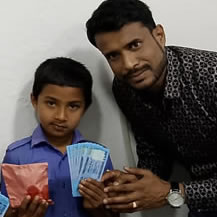
Lotus Ministry's Director of Asian Activities - Development Actively Volunteering
Strategic Partnerships Expanding Lotus Ministry's Reach
Lotus Ministry Trust has strategically cultivated partnerships that amplify their impact far beyond what they could achieve independently. These collaborative relationships provide additional resources, expertise, and implementation capacity that allow the Trust to serve more communities more effectively. By leveraging complementary strengths, these partnerships create synergies that benefit all stakeholders, especially the vulnerable communities they serve together.
Collaboration with Local Organizations
Within Bangladesh, Lotus Ministry Trust partners with grassroots organizations that bring specialized knowledge and established community relationships. These local partnerships extend the Trust's reach while respecting existing community structures and leadership. Rather than duplicating services or creating parallel systems, Lotus Ministry Trust intentionally strengthens indigenous organizations through resource sharing, capacity building, and collaborative planning. This approach ensures interventions remain contextually appropriate while building long-term community resilience.
Ambitious Goals for 2025 and Beyond
Looking toward the future, Lotus Ministry Trust has established ambitious yet achievable goals that will guide their work through 2025 and beyond. These strategic objectives focus not just on expanding their geographical reach but also on deepening their impact through innovative approaches to sustainable food security. With each new initiative, they move closer to their vision of resilient communities where nutritional wellbeing is the foundation for broader development.
New Target Communities for Food Relief
By 2025, Lotus Ministry Trust aims to extend their food security programs to an additional 75 villages across three new districts in Northern Bangladesh. This expansion will bring their proven model to approximately 45,000 additional individuals currently experiencing food insecurity. Target communities have been identified through comprehensive needs assessments that consider factors including current nutritional status, existing support systems, and potential for sustainable improvement.
This expansion will proceed in carefully planned phases, with new communities added incrementally to ensure quality and consistency of service. Advance teams will establish relationships with local leaders and conduct detailed mapping of community assets and needs before full program implementation begins. This methodical approach maintains program integrity while allowing the Trust to steadily increase their impact in the region.
5 Ways You Can Support Lotus Ministry Trust Today
The transformative work of Lotus Ministry Trust depends on support from compassionate individuals who share their vision of food-secure communities in Bangladesh. Whether you can offer financial resources, time, skills, or simply your voice, there are meaningful ways to contribute to this vital mission. Your involvement, at any level, becomes part of a collective effort that changes lives and builds sustainable futures for vulnerable communities.
1. Monetary Donations That Provide Immediate Relief
Financial contributions remain the most flexible and efficient way to support Lotus Ministry Trust's work. Every donation directly impacts food security in Northern Bangladesh, with even modest amounts making a significant difference. For example, just $25 provides a week of nutritionally balanced meals for a family of four, while $100 supports a month of home deliveries for elderly individuals unable to access distribution centers. Regular monthly donations are particularly valuable as they allow for reliable program planning and consistent service delivery to communities in need.
2. Volunteer for Food Distribution Events
For those in Bangladesh or planning to visit, volunteering at food distribution events offers a direct way to support Lotus Ministry Trust's mission. These events typically require diverse skills including logistics coordination, record-keeping, crowd management, and direct interaction with program participants. Even short-term volunteers can make meaningful contributions, particularly during high-volume distribution periods or emergency response situations. The Trust provides appropriate training and clear role definitions to ensure all volunteers can contribute effectively regardless of their previous experience.
3. Fundraising Through Community Events
Organizing fundraising events in your own community creates dual benefits: generating financial support while raising awareness about food security challenges in Bangladesh. Successful fundraisers have included dinner gatherings featuring Bengali cuisine, sponsored walks or runs, community garage sales, and educational workshops about global food security. Lotus Ministry Trust provides support materials for fundraisers including presentation templates, facts about their programs, and guidance on effective messaging that accurately represents their work and the communities they serve.
4. Goods Donations That Match Mission Needs
While monetary donations provide the greatest flexibility, certain in-kind contributions also support Lotus Ministry Trust's work. Agricultural tools, seeds for appropriate crop varieties, educational materials, and specialized equipment for food preparation or preservation are particularly valuable. Before arranging goods donations, contact the Trust directly to confirm current needs and logistics for delivery, as these change based on program activities and seasonal requirements.
For international supporters, locally purchased goods often provide greater value than shipped items due to transportation costs and import regulations. Consider directing funds toward specific purchasing needs rather than shipping goods internationally, allowing the Trust to obtain exactly what they need through local markets.
"Every contribution matters in our work. When supporters align their giving with our specific needs and priorities, the impact multiplies exponentially. We're tremendously grateful for the global community that makes our work possible through their generosity." - Director of Development, Lotus Ministry Trust
5. Awareness Campaigns on Social Media
Using your voice and social networks to share information about food security challenges and Lotus Ministry Trust's effective solutions costs nothing but creates invaluable visibility. Following and sharing the Trust's official social media content helps expand their reach to potential supporters and volunteers. Personal testimonials about why you support their work can be particularly compelling, especially when connected to specific program outcomes or stories that illustrate real impact on individuals and communities.
Effective awareness campaigns go beyond simply sharing content - they invite engagement and action. Consider hosting virtual information sessions, creating fundraising challenges within your network, or developing content that explains complex food security issues in accessible ways. These efforts not only generate immediate support but also build a more informed public that understands and values sustainable approaches to global hunger.

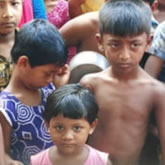
Lotus Ministry Trust Food Relief Recipients
Join the Movement to Transform Rural Bangladesh
By supporting Lotus Ministry Trust today, you become part of a compassionate community dedicated to creating sustainable change in one of the world's most vulnerable regions. Your contribution, whether through donations, volunteering, or raising awareness, directly strengthens food security for families who face daily nutritional challenges. Connect with Lotus Ministry Trust through their website to learn more about current initiatives and how you can make the greatest impact in their ongoing work to nourish bodies, minds, and communities in Northern Bangladesh.
Frequently Asked Questions
As interest in Lotus Ministry Trust's work has grown, certain questions frequently arise from potential supporters and partners. These common inquiries reflect thoughtful engagement with the organization's mission and approach. The following responses provide clarity on core aspects of the Trust's operations, impact measurement, and participation opportunities.
Understanding these fundamentals helps supporters make informed decisions about engagement and contributions. For more detailed information on specific programs or current initiatives, the Trust's website provides regularly updated resources and contact information for direct inquiries.
As with any humanitarian organization, transparency around these common questions builds trust and facilitates meaningful partnerships that advance the shared goal of food security for vulnerable communities.
What is the main mission of Lotus Ministry Trust?
Lotus Ministry Trust's primary mission is to enhance food security in rural Bangladesh through nutritionally balanced vegetarian meal distribution, sustainable agriculture training, and nutrition education. Their integrated approach addresses both immediate hunger relief and long-term community resilience, with particular focus on vulnerable populations including children, pregnant women, elderly individuals, and those with disabilities. All programs are designed to respect local culture while maximizing nutritional impact and fostering community self-sufficiency.
Beyond food security, the Trust recognizes the interconnection between nutrition and other development domains. Their work intentionally supports educational achievement, economic stability, and community health through the foundation of reliable access to appropriate nutrition. This holistic perspective guides program design and implementation across all their initiatives.
How does Lotus Ministry Trust select communities for assistance?
Selection Process for New Communities: 1. Initial assessment of food insecurity indicators through regional data 2. Community consultations with local leaders and vulnerable households 3. Evaluation of potential for sustainable improvement and community participation 4. Assessment of existing resources and identification of specific intervention needs 5. Development of community-specific implementation plan with local input 6. Establishment of baseline measurements for future impact evaluation
Lotus Ministry Trust employs a systematic, data-informed process to identify communities with significant food security challenges where their intervention model can create sustainable impact. Their selection criteria balance immediate need with potential for long-term improvement, prioritizing communities where food insecurity significantly affects child development, educational outcomes, and community health. The process typically takes 2-3 months from initial assessment to program implementation.
This methodical approach ensures resources target areas of greatest need while establishing realistic expectations for program outcomes. By involving community members in the assessment process, the Trust also begins building relationships that will support successful program implementation. This participatory methodology reflects their core commitment to community ownership and sustainable development rather than dependency-creating intervention.
Communities not selected for immediate assistance remain in consideration for future program expansion or receive referrals to alternative resources that may better address their specific circumstances. The Trust maintains transparency about selection criteria and decision-making processes to build trust with both served and unserved communities.
Can international volunteers participate in Lotus Ministry programs?
Yes, Lotus Ministry Trust welcomes international volunteers with specific skills that address program needs, particularly in specialized areas such as nutrition science, sustainable agriculture, monitoring and evaluation, or organizational development. International volunteering typically requires a minimum commitment of three weeks, with longer engagements preferred for roles requiring significant cultural adaptation or relationship building. Prospective volunteers undergo careful screening to ensure their skills align with current organizational needs and that they approach their service with appropriate cultural humility and realistic expectations.
What percentage of donations goes directly to food relief efforts?
Lotus Ministry Trust maintains a commitment to financial efficiency, with 88% of all donations directly supporting program activities including food procurement, distribution logistics, agricultural training, and nutrition education. Administrative costs account for 8% of expenditures, covering essential functions like financial management, program evaluation, and regulatory compliance. The remaining 4% supports sustainable fundraising efforts that ensure program continuity. This cost structure is verified through annual independent audits, and detailed financial reports are available on the Trust's website in keeping with their commitment to transparency and accountability.
How does Lotus Ministry ensure cultural sensitivity in their programs?
Cultural sensitivity stands at the core of Lotus Ministry Trust's approach, beginning with staff and volunteer composition that reflects the communities they serve. Over 90% of their field team members come from the regions where they work, bringing deep understanding of local customs, religious practices, and dietary preferences. Food packages are designed in consultation with community members to ensure they contain familiar ingredients that align with cultural cooking practices. Educational materials use culturally appropriate examples, images, and language, with content reviewed by local advisors before implementation. The Trust's commitment to cultural respect extends to their evaluation processes, which incorporate community-defined measures of success alongside standard nutritional metrics.
This dedication to cultural appropriateness explains much of the Trust's remarkable acceptance in communities where previous aid efforts faced resistance. By honoring local wisdom while introducing evidence-based nutritional improvements, they've developed a model that respects tradition while fostering positive change. Their experience demonstrates that cultural sensitivity isn't merely a matter of respect—it's fundamental to program effectiveness and sustainability.








Comments