
Mung Dal and Kichri From Lotus Ministry Trust

A single bowl of dal can feed a family's body while feeding something deeper in the soul—and understanding why starts with knowing how Lotus Ministry Trust turns a humble lentil into a vehicle for dignity, nutrition, and spiritual service.
Join Lotus Ministry's Mission To Preserve Dignity
Support Lotus Ministry Directly Through The Founders' PayPal

Key Takeaways
Dal provides complete, affordable protein that supports both physical health and the spiritual practice of selfless service (seva) central to food aid work.
Lotus Ministry Trust distributes mung dal and kichri to over 5,000 families monthly, prioritizing households led by single mothers, elderly residents, and young children.
Proper cooking technique—correct water ratios, delayed salting, and traditional tadka tempering—transforms simple lentils into nourishing, culturally resonant meals.
Each kilogram of dal costs roughly $1.20 USD and yields about 22 servings, making it one of the most spiritually and economically sustainable aid options available.
You'll discover how five distinct lentil varieties each carry their own cooking rhythm, flavor identity, and place within regional spiritual food traditions.
Food has always carried meaning beyond nutrition. In many spiritual traditions, the act of preparing and sharing a meal becomes a form of prayer in motion—an offering of care that asks for nothing in return. Lotus Ministry Trust understands this intimately, which is why their dal distribution program was built not just to fill stomachs, but to restore a sense of agency and sacredness to families facing food insecurity. When you learn to use dal the way this organization does, you're participating in something that stretches back centuries: the practice of feeding others as an act of devotion.
This guide walks you through everything from the nutritional science behind dal to the spiritual philosophy that shapes how Lotus Ministry distributes it. Whether you're a volunteer, a donor, or simply someone curious about how a single ingredient can carry so much weight, you'll come away understanding both the practical cooking techniques and the deeper purpose behind every bowl.
Why Mung Dal and Kichri Is at the Heart of Lotus Ministry's Food Aid Program
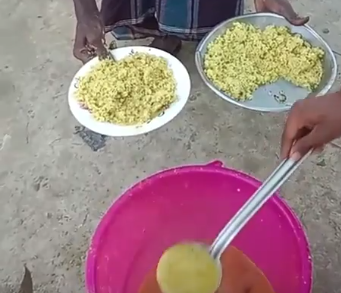
Dal isn't chosen by accident. It's selected because it aligns with what recipients already know, trust, and prepare in their own kitchens. Rather than handing out pre-packaged, unfamiliar meals, Lotus Ministry Trust gives families raw mung dal and kichri—ingredients they can cook according to their own traditions, spice preferences, and family recipes passed down through generations. This single choice preserves something food aid programs often overlook: dignity.
There's a spiritual dimension to this approach that goes beyond logistics. Allowing someone to cook their own meal, rather than simply consume what's handed to them, honors their autonomy and cultural identity. It says, in effect, you are still the author of your own nourishment. This is service rooted in humility rather than hierarchy—a principle found across nearly every contemplative tradition, from the Buddhist practice of dana (generosity without attachment) to the Sikh concept of langar, the communal kitchen where all are fed equally.
Nutritional Value of Dal: Protein, Fiber, and Essential Minerals
Before diving into the spiritual framework, it helps to understand why dal works so well as a physical foundation for these programs. Nourishing the body well is often the first step toward nourishing anything else—you can't meditate on gratitude with an empty stomach. To learn more about how dal serves as a nutritional powerhouse, explore the nutritional guide provided by Lotus Ministry.
Dal delivers an unusually complete nutritional package for something so inexpensive and shelf-stable. It's not a filler food; it's a legitimate protein source capable of sustaining long-term health in vulnerable populations.
Protein and Calorie Breakdown Per Serving
A 100-gram serving of cooked mung dal delivers roughly 7 grams of protein—about 24% of a typical adult's daily requirement—while clocking in at just 104 calories. That's an efficient ratio for anyone managing a limited food budget or distributing aid across thousands of households. Scale that up to a full cup of cooked lentils, and you're looking at approximately 18 grams of protein, which rivals the protein content in 3 ounces of many meats, minus the saturated fat.
Iron, Folate, and Zinc Content
Beyond protein, dal is quietly one of the more mineral-dense staple foods available to food aid organizations. Each serving contributes meaningfully to several nutrients that are commonly deficient in food-insecure populations.
Nutrient | Amount Per Serving | Why It Matters |
Iron | 2mg per serving (6.6mg per cooked cup) | Prevents anemia; supports energy levels |
Folate | 479μg | Supports maternal health and fetal development |
Zinc | 1.4mg | Supports immune function and healing |
Healthcare workers tracking Lotus Ministry's programs have reported decreased incidence of anemia among women and children receiving regular dal supplementation, with hemoglobin levels rising an average of 11% after dal was introduced into their diets. Energy levels improved across all age groups as a result—a tangible, measurable form of restoration that mirrors the spiritual renewal these programs aim to provide.
How Dal Compares to Meat-Based Protein Sources
Protein-for-protein, dal delivers complete nutrition at approximately one-third the cost of meat-based protein sources. For an aid organization stretching every dollar across thousands of families, that economic efficiency isn't just practical—it's a form of stewardship, ensuring that limited resources reach the greatest number of people without compromising nutritional quality.
Each kilogram of dal costs approximately $1.20 USD when purchased in bulk and provides roughly 22 adult servings of protein—a ratio that few other protein sources can match.
This cost efficiency also means donations stretch further. A contribution that might fund a handful of meat-based meals can instead provide weeks of nutritionally complete meals when channeled through dal distribution.
Impact on Blood Sugar and Insulin Sensitivity
Lentils carry a glycemic index of approximately 25-30, placing them firmly in the low-GI category. This matters enormously for populations facing inconsistent food access, since stable blood sugar helps prevent the energy crashes and cravings that come with high-GI diets. Regular lentil consumption may also improve insulin sensitivity over time, offering protective benefits for individuals managing or at risk for type 2 diabetes—a quiet but significant health dividend layered into every bowl distributed.
5 Common Dal Varieties and Their Cooking Times
Not all dal is created equal, and understanding the differences helps you appreciate why Lotus Ministry Trust specifically chooses mung dal for its programs. Each variety has its own personality, cooking rhythm, and ideal use case.
1. Red Lentils: Quick-Cooking and Creamy
Red lentils cook fastest of all the major varieties, softening in just 15-20 minutes and breaking down naturally into a creamy texture without any need for blending. This makes them ideal for soups, purees, and traditional dal preparations where a smooth consistency is desired. Their speed also makes them practical for large-scale community cooking, where time and fuel resources matter.
2. Brown Lentils: Balanced Texture and Speed
Brown lentils split the difference between speed and structure, cooking in 20-30 minutes while holding their shape reasonably well throughout the process. They work beautifully in soups, stews, veggie burgers, and casseroles—dishes where you want some textural integrity rather than a fully broken-down consistency. Their versatility makes them a dependable choice across a wide range of recipes and cooking skill levels.
3. Green Lentils: Firm Texture That Holds Its Shape
Green lentils are the marathon runners of the lentil world, taking 35-45 minutes to cook fully while stubbornly maintaining their shape even after extended simmering. This structural integrity makes them perfect for salads, grain bowls, and side dishes where you want distinct, intact lentils rather than a soft mash. Their firmness also means they hold up well in meal prep situations, staying appetizing even after a day or two in the refrigerator.
4. Black Lentils (Beluga): High Protein, Caviar-Like Look
Black lentils, often called Beluga lentils because of their glossy resemblance to caviar, cook in about 25-30 minutes and pack the highest protein content of any variety at roughly 24-26% by weight. They maintain their shape beautifully, making them outstanding in grain bowls, warm salads, and hearty winter stews. Punjabi dal makhani showcases this variety at its finest, slow-cooked with kidney beans, butter, and cream for a dish so rich it borders on indulgent.
5. Yellow Lentils (Moong Dal): The Lotus Ministry Staple
Yellow lentils cook in approximately 20-25 minutes and form the backbone of countless traditional Indian dal recipes—which is precisely why Lotus Ministry Trust centers its distribution program around mung dal. Its easily digestible profile makes it particularly valuable for young children and elderly recipients who may have compromised digestive systems, a detail that matters enormously when you're feeding households with both toddlers and grandparents under one roof. This variety's gentle nature on the stomach, combined with its nutritional density, explains why it remains the preferred choice across so many food aid programs in South Asia.
Show Your Respect For Their Traditions
Support Lotus Ministry Directly Through The Founders' PayPal
Water-to-Lentil Ratios for Perfect Texture Every Time
Getting the water ratio right is often the difference between a pot of mushy disappointment and a bowl of perfectly textured dal. Each variety absorbs liquid differently, and knowing these ratios in advance saves you from constant guesswork during cooking.
Ratio Guide for Each Lentil Type
Red lentils require the most generous water ratio at 1:3, since they break down completely and need extra liquid to reach their signature creamy consistency. Yellow, brown, green, and black lentils all perform well with a 1:2.5 ratio, giving them enough moisture to soften fully without turning watery or bland.
Red lentils: 1 part lentils to 3 parts water
Yellow lentils (moong dal): 1 part lentils to 2.5 parts water
Brown lentils: 1 part lentils to 2.5 parts water
Green lentils: 1 part lentils to 2.5 parts water
Black lentils: 1 part lentils to 2.5 parts water
Soaking: When It Helps and When to Skip It
Most lentils don't actually require soaking before cooking, which is part of what makes them such a practical choice for large-scale distribution programs—there's no multi-hour prep delay standing between aid and a finished meal. That said, a brief 30-minute soak can reduce cooking time by about 25% and improve digestibility, which matters especially for mung dal destined for children and elderly recipients. Whether or not you soak, always rinse lentils thoroughly first to remove surface dust, debris, and the natural coating that causes foaming during cooking.
Cooking Techniques That Prevent Common Dal Mistakes
Even experienced cooks trip over a few predictable pitfalls when preparing dal. Knowing these ahead of time turns frustrating trial-and-error into confident, repeatable results.
Why You Should Never Add Salt Too Early
Salt added at the beginning of cooking strengthens the seed coat of lentils, preventing them from softening properly no matter how long you simmer them. Instead, wait until the lentils have reached their desired tenderness—typically in the final 10-15 minutes of cooking—before seasoning. This single adjustment solves the majority of complaints about tough or undercooked dal.
How Acidic Ingredients Affect Lentil Texture
Tomatoes, lemon juice, vinegar, and wine all share a quiet but powerful trait: they can prevent lentils from softening if added too early in the cooking process. The acid interferes with the breakdown of the lentil's structure, leaving you with a pot of lentils that stay frustratingly firm no matter how long you cook them.
The fix is simple sequencing. Cook the lentils to near-completion in a neutral liquid first, then introduce acidic ingredients in the final cooking phase once the lentils have already softened. This small timing adjustment preserves both texture and flavor, letting the acidity brighten the dish without sabotaging it.
Simmer, Don't Boil: The Secret to Smooth Dal
Aggressive boiling creates turbulence that causes lentils to break apart unevenly, leading to muddy textures and split skins rather than the clean, pleasant consistency you're after. Bringing your cooking liquid to an initial boil and then immediately reducing to a gentle simmer gives you far more control over the final texture.
Bring water to a rolling boil first, then drop heat to low-medium immediately
Maintain a gentle simmer with small, consistent bubbles rather than a rapid boil
Stir occasionally rather than constantly to avoid breaking delicate lentils
Different lentil varieties have vastly different cooking times, yet many recipes fail to account for this variability, which is why checking for doneness every five to ten minutes near the end of cooking saves you from both undercooked and overcooked batches. Patience here pays off directly in texture.
How to Build Flavor with Tadka (Tempering)
Tadka, also called tempering, is the technique that transforms plain cooked lentils into something genuinely craveable. It involves blooming spices in hot fat to release their essential oils and complex flavors before folding that aromatic mixture into the finished dal.
The Correct Order for Blooming Spices
Tadka follows a precise sequence, and getting the order right makes all the difference between a fragrant dish and a burnt, bitter one. Start with whole spices like mustard seeds, cumin, and cinnamon, letting them pop and release their oils in hot fat. Next comes dried chilies and curry leaves, followed by ground spices such as turmeric, coriander, and garam masala. Finally, aromatics like asafoetida and fresh ginger go in last, since they cook quickest and burn easily if added too early. For more on the nutritional benefits of spices and lentils, check out this guide on lentils and dal.
Each element in tadka has an optimal cooking time, which is exactly why professional tadka requires close attention and quick, deliberate movements. Rushing this step or walking away from the pan for even thirty seconds can mean the difference between fragrant spices and scorched, bitter ones.
Balancing Acidity and Sweetness in Your Dal
Acidity plays a crucial role in brightening the naturally earthy flavors of lentils, but as covered earlier, timing matters enormously. Add lemon juice, lime juice, or amchoor only after the lentils have softened completely, letting the tartness lift the dish without compromising texture. A touch of jaggery or sugar can also round out sharper flavors, creating the balanced sweet-sour-spicy profile found in many regional dal traditions.
Regional Dal Styles From Across South Asia
Please Help Lotus Ministry Trust
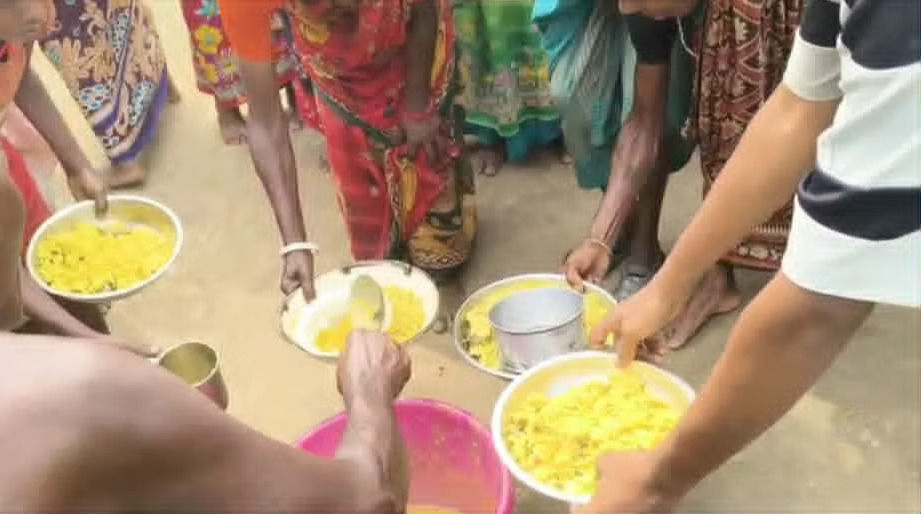
Provide Hot Meals To Neglected Bangladeshis
Support Lotus Ministry Directly Through The Founders' PayPal
Travel across the Indian subcontinent, and you'll find dal reinvented in dozens of distinct regional expressions, each shaped by local spice availability, climate, and cultural history. These variations aren't just culinary curiosities—they reflect how deeply food traditions are woven into regional identity and spiritual practice.
Understanding these regional differences also helps explain why Lotus Ministry Trust's cooking demonstrations emphasize flexibility rather than a single "correct" recipe. Recipients bring their own regional backgrounds and preferences, and honoring that diversity is part of what makes the distribution program feel respectful rather than prescriptive.
North Indian vs. South Indian Tadka Traditions
North Indian dals often feature creamy textures built around rich tadkas of ghee, cumin, and garam masala, resulting in dishes that feel warm, hearty, and indulgent. South Indian variations take a different path entirely, frequently incorporating coconut, curry leaves, and mustard seeds for a brighter, more tropical flavor profile.
Neither approach is more "authentic" than the other—they simply reflect the ingredients and agricultural realities of their respective regions. A Punjabi dal makhani and a South Indian sambar might both technically be "dal," yet they taste worlds apart.
Bengal's Panch Phoron Masoor Dal
Bengal's famous masoor dal incorporates panch phoron, a distinctive five-spice blend that sets it apart from nearly every other regional variation. This blend typically includes fenugreek, nigella, cumin, black mustard, and fennel seeds, creating a complex layering of bitter, pungent, and slightly sweet notes that's instantly recognizable to anyone familiar with Bengali cuisine.
Gujarati, Maharashtrian, and Punjabi Dal Differences
Gujarati dal strikes a careful balance between sweet, sour, and spicy notes, often incorporating a touch of jaggery alongside tamarind or lemon for a flavor profile unlike anywhere else in India. Maharashtra's varan takes the opposite approach, distinguished by its minimal spicing that allows the lentil's natural flavor to shine through without heavy competition from aromatics. Punjabi dal makhani, meanwhile, goes fully in the other direction, showcasing black lentils slow-cooked with kidney beans, butter, and cream for a dish so luxurious it's often reserved for celebrations and special occasions.
How Lotus Ministry Trust Distributes Dal to Families in Need
Behind every bag of dal handed to a family is a carefully coordinated system designed to reach the people who need it most, with minimal waste and maximum respect for local circumstances. Lotus Ministry Trust currently reaches over 5,000 families monthly, a scale that demands precision rather than guesswork. What makes this program distinct isn't just the generosity behind it, but the operational discipline that ensures dal actually arrives where it's needed, intact and on time.
Mobile Distribution
The organization employs a mobile distribution strategy that rotates through communities based on real-time need assessment rather than fixed schedules
This technology has increased the program's reach by 37% while simultaneously reducing transportation costs by 22%
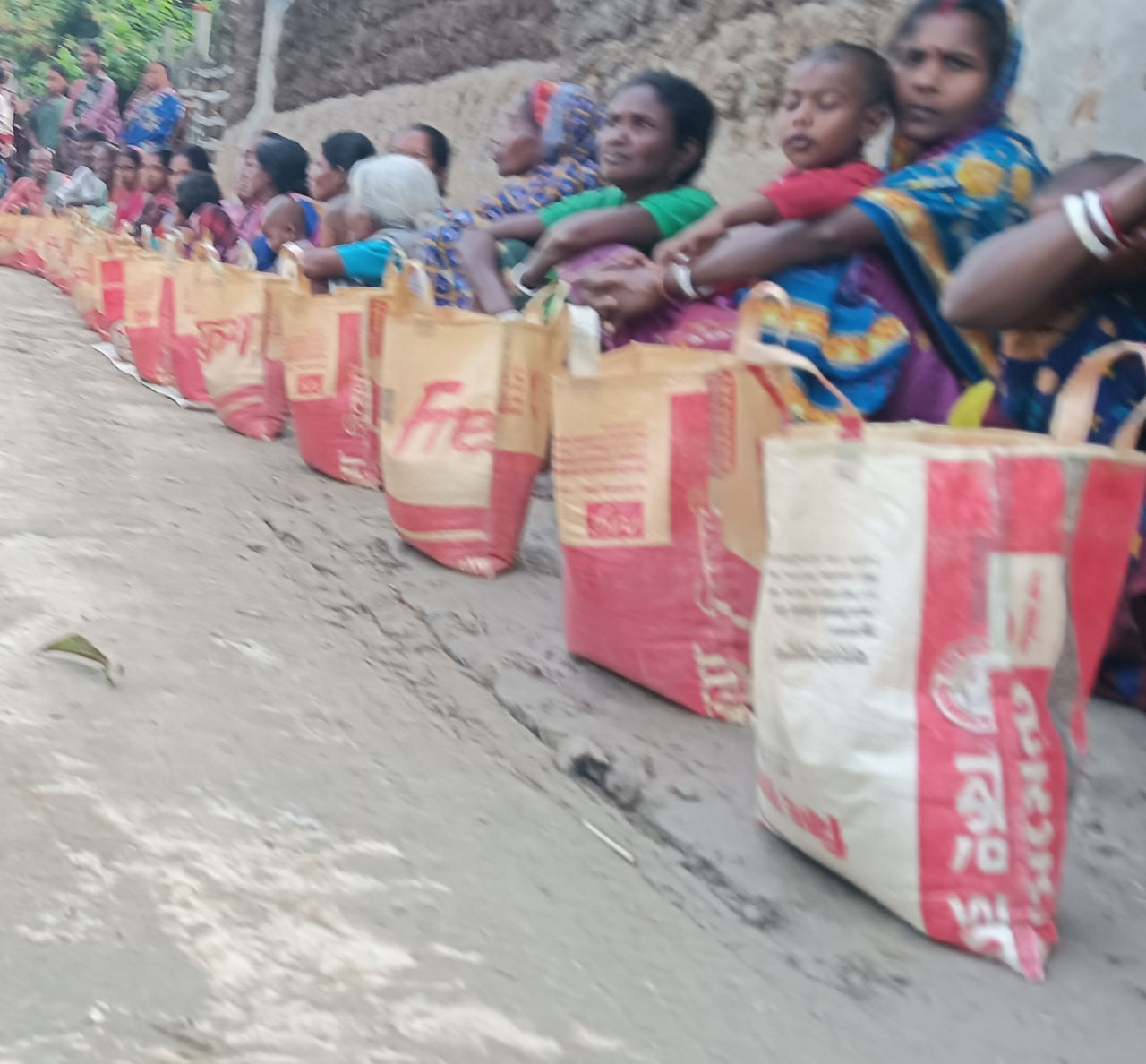
Each distribution event typically serves 400-500 individuals in a single sitting
This isn't a rigid, one-size-fits-all operation. Need shifts from month to month depending on seasonal agricultural cycles, local economic conditions, and emergent crises, so the mobile model allows coordinators to redirect resources toward whichever community is struggling most at any given moment. The Lotus Ministry distributes protein-rich dal (lentils) to thousands of families, adapting its strategies to meet the changing needs of the communities it serves.
The result is a program that feels responsive rather than bureaucratic. Families aren't waiting on a fixed monthly calendar that might not align with when their need is most acute; instead, the system bends toward where the need actually is.
This kind of adaptive, needs-based giving mirrors a principle found in many spiritual traditions: that true generosity responds to the person in front of you, not a predetermined formula. It's compassion with logistics behind it.
Distribution Team Roles and Volunteer Training
Each distribution team consists of one Regional Coordinator, two Nutrition Specialists, and eight to ten Community Volunteers, forming a structure that balances oversight with grassroots involvement. New volunteers go through a three-day intensive training program, followed by monthly skill development sessions that keep knowledge current and standards consistent across different regions. This investment in training pays off in the numbers: 87% of volunteers continue their service for more than one year, and 42% of current staff began as program volunteers themselves, working their way up through the organization over time.
Who Receives Priority at Distribution Events
Not every household receives dal at the same frequency or urgency level, and Lotus Ministry Trust has built clear priority guidelines to ensure the most vulnerable are served first. Households headed by single mothers, elderly residents without family support, and families with children under five receive priority placement at distribution events. This triage system reflects a practical reality: limited resources must flow first toward those with the fewest alternative options, a principle as old as charitable giving itself.
Quality Control Standards Behind Every Dal Shipment
Generosity without quality control can quickly turn into harm rather than help—spoiled or contaminated food aid does more damage than no aid at all. Lotus Ministry Trust treats quality assurance as a non-negotiable pillar of the program, not an afterthought bolted on for appearances.
Every single batch of dal undergoes laboratory testing before it's accepted into the program, checking for protein content, contaminants, and cooking properties. This isn't a spot-check system applied to a small sample; it's a comprehensive screening process applied consistently across every shipment that enters the supply chain.
The program has achieved a 99.7% acceptance rate by recipients, with virtually no reports of spoilage or quality concerns—a benchmark that significantly outperforms typical humanitarian food distribution standards.
That level of consistency doesn't happen by accident. It requires rigorous sourcing standards upstream, careful storage and transportation conditions in the middle of the supply chain, and attentive handling at the point of distribution.
For recipients, this translates into something simple but profound: trust. Families know that what they're receiving is safe, nutritionally sound, and prepared with the same care they'd want for their own loved ones.
Laboratory Testing and Acceptance Rates
The testing protocol examines multiple variables simultaneously, from protein density to moisture content to the presence of any contaminants that might compromise safety. Dal that doesn't meet these standards simply doesn't enter the distribution pipeline, regardless of cost or availability pressures. This firm line protects the integrity of the entire program and the trust recipients place in it.
Digital Tracking From Procurement to Distribution
Digital tracking systems follow each batch of dal from the moment it's procured through final distribution, creating a transparent chain of custody at every step. This system has reduced loss rates to under 0.5%, a figure that significantly outperforms industry standards for humanitarian food distribution. Transparency here isn't just an operational nicety—it's a form of accountability that donors, volunteers, and recipients can all verify and trust.
The Financial Case for Dal as a Protein Source
Compassion stretches further when it's paired with sound financial strategy, and dal happens to be one of the most cost-efficient protein sources available to any aid organization. This isn't a compromise on quality to save money; it's a genuinely optimal choice on both fronts simultaneously.
Cost Per Kilogram Versus Meat-Based Protein
Protein-for-protein, dal delivers complete nutrition at approximately one-third the cost of meat-based protein sources, a ratio that becomes enormously significant when scaled across thousands of monthly recipients. Meat requires refrigeration, faster distribution timelines, and carries higher spoilage risk, all of which add hidden costs that dal simply avoids.
How Aid Dollars Translate Into Servings
Each kilogram of dal costs approximately $1.20 USD when purchased in bulk, and that single kilogram provides roughly 22 adult servings of protein. Run the math across a typical donation, and the scale becomes clear almost immediately.
Donation Amount | Approximate Dal Purchased | Estimated Servings Provided |
$10 | ~8.3 kg | ~183 servings |
$50 | ~41.6 kg | ~915 servings |
$100 | ~83.3 kg | ~1,833 servings |
Numbers like these make it easy to see why dal has become the backbone of Lotus Ministry Trust's nutritional strategy. Every dollar donated goes further, reaches more people, and does so without sacrificing nutritional density or recipient satisfaction.
Why Dal Preserves Dignity in Food Aid
Strip away the logistics and spreadsheets, and what remains is something more essential: dal lets people cook for themselves and their families, rather than simply consuming whatever is handed to them. That distinction matters more than it might initially seem. Preparing your own meal, choosing your own spices, and feeding your own children with your own hands restores a measure of control and self-respect that pre-packaged aid meals often strip away.
Cooking Demonstrations That Honor Local Traditions
Local cooking demonstrations accompany distribution events, showcasing preparation methods that maximize nutritional benefits while honoring regional flavor preferences. These aren't generic instructional sessions imposed from outside; they're built around the specific culinary traditions already present in each community. Recipients consistently report high satisfaction with mung dal and kichri distributions precisely because these foods align with their cultural preferences and existing cooking methods, rather than asking them to adapt to something unfamiliar.
This approach reflects a quiet but important spiritual truth: real service meets people where they already are, rather than demanding they conform to an outsider's idea of what help should look like. Lotus Ministry Trust's cooking demonstrations embody that principle in a tangible, practical way.
Distribution Events as Community Gathering Spaces
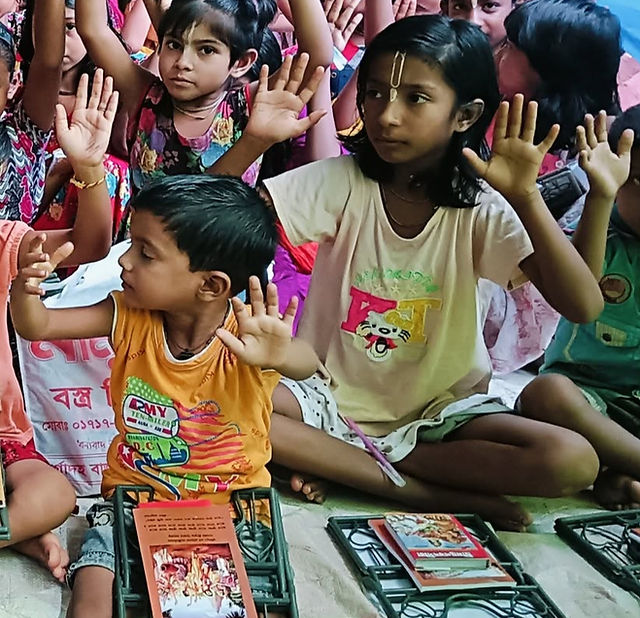
Distribution events have evolved into something beyond mere transactional handoffs of food—they've become gathering spaces where neighbors reconnect, share recipes, and support one another through shared circumstances. School attendance has improved as children receive adequate nutrition from dal distribution programs, and the ripple effects extend into classrooms, households, and broader community cohesion.
In communities where the full program has operated for three years, dependency on external dal donations has decreased by 62%, while local lentil production has increased sevenfold. Lotus Ministry Trust has even established pilot programs in three districts where former aid recipients now cultivate their own small-scale dal crops, turning yesterday's recipients into today's producers.








Comments