
Reinforcing Nutrition: The Impact of Kichri on Children

Article-at-a-Glance
Kichri offers a complete, reinforcing nutritional profile through its rice-lentil combination, making it an ideal food for supporting healthy child development
Research shows that regularly including kichri in children's diets can improve cognitive function and growth markers, especially in undernourished populations
The easy digestibility of kichri makes it suitable for children as young as 6 months, providing gentle yet effective nutrition for developing digestive systems
Adding seasonal vegetables to kichri can significantly boost its micronutrient content while maintaining its kid-friendly appeal
Help Lotus Ministry Trust Bring Hope And Nourishment
Finding nutritionally complete foods that children actually enjoy eating can feel like an impossible challenge. Kichri (also spelled khichdi or khichadi) stands out as a remarkable solution that's been hiding in plain sight within traditional Indian cuisine for centuries. This simple yet powerful one-pot meal combines rice, lentils, and gentle spices into a dish that not only delights young palates but also delivers precisely what growing bodies need.
At NutriKids, we've seen firsthand how incorporating kichri into children's diets transforms their health trajectories. As a complete protein source that's infinitely customizable, affordable, and easy to prepare, kichri addresses many of the barriers families face in providing optimal, reinforcing nutrition to their children.
Why Kichri Is a Reinforcing Nutritional Powerhouse for Growing Children
Kichri stands apart as an exceptionally balanced meal, combining carbohydrates from rice with protein from lentils to create a complete amino acid profile essential for child development. This one-pot wonder doesn't just satisfy hunger—it fuels growing bodies with sustained energy while supporting muscle development, brain function, and overall health. The beauty of kichri lies in its ability to deliver complex, reinforcing nutrition through simple, affordable ingredients that are accessible to families across economic backgrounds.
Beyond its macronutrient balance, kichri serves as a perfect vehicle for introducing additional reinforcing nutritional elements to children's diets. Adding vegetables, a small amount of ghee (clarified butter), and mild spices like turmeric transforms this humble dish into a comprehensive nutritional intervention. Each ingredient plays a specific role: vegetables contribute vitamins and minerals, ghee aids fat-soluble vitamin absorption, and spices like turmeric offer anti-inflammatory benefits.
Unlike many processed children's foods that prioritize palatability over nutrition, kichri achieves both without compromise. Its soft, porridge-like consistency makes it appropriate for young children just beginning solid foods, while its adaptability means it can evolve alongside children's developing tastes and nutritional needs. This versatility makes kichri a foundation food that can support healthy growth from infancy through adolescence.
The Science Behind Kichri's Impact on Child Development
Research increasingly confirms what generations of families have known intuitively: kichri delivers exceptional nutritional value that supports multiple aspects of child development. Studies from rural communities in South Asia demonstrate that children regularly consuming rice-lentil combinations show improved growth parameters compared to peers with less balanced diets. This isn't surprising considering the complementary proteins in kichri create a complete amino acid profile similar to animal proteins but at a fraction of the cost.
Essential Nutrients in Traditional Kichri
Traditional kichri preparations deliver a remarkable array of essential nutrients critical during developmental years. A standard serving provides approximately 10-15% of a child's daily protein requirements, substantial amounts of B vitamins from the lentils, and valuable minerals including iron, zinc, and magnesium. When prepared with minimal oil and appropriate portions of rice to lentils (typically 1:1 or 2:1), kichri achieves an ideal balance of macronutrients with approximately 60% complex carbohydrates, 15% protein, and 25% healthy fats when ghee is included.
"The nutritional analysis of traditional kichri reveals why it has been a cornerstone of child feeding practices for centuries. Few single dishes deliver such a comprehensive spectrum of nutrients in proportions so well-suited to children's developmental needs."
How Protein and Carbohydrate Combination Supports Growth
The genius of kichri lies in its protein complementarity. Rice provides certain essential amino acids but lacks others, while lentils offer a different amino acid profile—together, they create a complete protein that rivals animal sources. This protein completeness is particularly crucial during periods of rapid growth, such as the first three years of life and during adolescence, when children need all essential amino acids to build new tissues.
Equally important is kichri's carbohydrate profile. The rice component provides complex carbohydrates that digest slowly, creating a sustained energy release that prevents the blood sugar spikes associated with refined carbohydrates. This steady energy supply is essential for children's learning and physical activity throughout the day, contributing to both cognitive performance and physical development.
Micronutrients That Boost Cognitive Function
Beyond macronutrients, kichri delivers critical micronutrients that directly support brain development and cognitive function. Iron from lentils plays a crucial role in oxygen transport to the brain, with deficiencies linked to attention problems and reduced learning capacity. Meanwhile, the B vitamins abundant in both rice and lentils support neurotransmitter production and myelination—processes essential for healthy brain development and function in growing children.
Adding vegetables like spinach, carrots, or pumpkin to kichri introduces additional cognitive supporters. Spinach contributes folate, which supports neural tube development in younger children and continued brain health in older ones. Carrots and pumpkin provide beta-carotene, which the body converts to vitamin A—critical for vision development and proper immune function that indirectly supports cognitive health by preventing illness-related learning disruptions.
Studies examining children who regularly consume nutrient-dense foods like kichri show measurably better cognitive outcomes. Research from Indonesia's rural communities demonstrated that children receiving local food-based complementary feeding, similar to kichri, exhibited improved attention spans and better problem-solving abilities compared to control groups. These cognitive benefits accumulate over time, potentially influencing academic achievement and future opportunities.
Digestibility Benefits for Young Stomachs

Lotus Ministry Brings Free Nutritious Food
To Needy Children: Please Help!
One of kichri's most underappreciated attributes is its exceptional digestibility. The cooking process breaks down complex starches in rice and difficult-to-digest components in lentils, creating a meal that's gentle on developing digestive systems. This quality makes kichri particularly valuable during transitional feeding periods—when infants begin solids, during illness recovery, or when children experience digestive sensitivities.
The soft, porridge-like consistency requires minimal digestive effort while maximizing nutrient absorption. For children with underdeveloped digestive systems or those recovering from gastrointestinal illnesses, this easy digestibility ensures they can access vital nutrients without additional strain. Parents frequently report that kichri remains acceptable to children even during periods of decreased appetite, making it invaluable for maintaining nutrition during illness.
5 Ways Kichri Fights Childhood Malnutrition
Childhood malnutrition remains a significant global health challenge, affecting millions of children worldwide. Kichri offers a particularly effective intervention against several dimensions of malnutrition simultaneously, addressing protein-energy malnutrition while also combating micronutrient deficiencies. Its effectiveness stems from its comprehensive nutritional profile delivered through culturally acceptable, locally available ingredients—a combination that ensures both nutritional adequacy and implementation feasibility.
Complete Protein Profile from Rice-Lentil Combination
The complementary proteins in kichri provide all nine essential amino acids that children's bodies cannot produce independently. This complete protein profile directly addresses protein malnutrition, which can lead to stunted growth, compromised immune function, and delayed cognitive development. When served regularly, kichri ensures children receive adequate protein for tissue building and repair, supporting proper growth trajectories during critical developmental windows.
Unlike animal protein sources, which can be prohibitively expensive for many families, the plant-based protein in kichri remains accessible across socioeconomic boundaries. This accessibility makes kichri a democratizing nutritional intervention—one that can reach children regardless of family income or geographic location. The protein quality, when measured by digestibility and amino acid composition, provides exceptional nutritional value per cost unit. For more insights on its nutritional benefits, explore the art of khichdi.
Sustained Energy Release for Learning and Play
Children experiencing malnutrition often lack not just protein but also consistent energy sources. The complex carbohydrates in kichri's rice component provide sustained energy release, supporting both physical activity and cognitive functions throughout the day. This steady energy supply proves particularly important in educational settings, where attention and learning capacity directly correlate with adequate, stable blood glucose levels.
Unlike the temporary energy spike followed by crashes associated with simple carbohydrates, kichri's complex carbohydrates maintain energy levels over longer periods. This sustained energy release supports children's natural learning processes through play, exploration, and formal education. Teachers in communities where kichri has been introduced through school feeding programs report improved attention spans and classroom engagement—direct cognitive benefits of stable energy provision.
Easy Addition of Vegetables for Enhanced Nutrition
Kichri serves as an ideal vehicle for incorporating vegetables that children might otherwise resist. The mild flavor profile of the base dish allows vegetables to blend in seamlessly, delivering vital micronutrients without triggering food refusal. Common additions like spinach, carrots, peas, and pumpkin introduce vitamins A, C, K, and additional minerals while maintaining the familiar, comforting texture children accept.
This vegetable integration directly addresses micronutrient malnutrition, often called "hidden hunger." A single serving of vegetable-enriched kichri can provide significant percentages of children's daily requirements for iron, zinc, and vitamin A—micronutrients frequently deficient in pediatric populations. The cooking process makes these nutrients more bioavailable, ensuring that what's on the spoon actually benefits the child's developing systems.
Adaptability to Local Ingredients and Tastes
The remarkable flexibility of kichri allows it to be adapted to local ingredients and cultural preferences while maintaining its core nutritional benefits. In regions where specific lentils aren't available, alternative pulses can be substituted. Similarly, where rice isn't common, local grains like millet, quinoa, or amaranth can create equally nutritious variations. This adaptability ensures kichri's relevance across diverse geographic and cultural contexts, making it a globally applicable solution to childhood malnutrition.
Cultural acceptability significantly impacts whether nutritional interventions succeed. Because kichri can incorporate familiar flavors and ingredients specific to each region, children readily accept it as part of their regular diet. This acceptance contrasts sharply with many international food aid programs that may introduce unfamiliar foods children resist. The ability to "localize" kichri while preserving its nutritional integrity represents one of its most powerful attributes in addressing malnutrition globally.
Cost-Effectiveness as a Daily Meal Solution
Economic accessibility remains crucial for any sustainable nutritional intervention. Kichri excels in this dimension, delivering exceptional nutrition at minimal cost. The core ingredients—rice and lentils—are among the most affordable staple foods globally, making kichri accessible even to families with limited resources. Cost analyses demonstrate that a nutritionally complete serving of kichri can be prepared for a fraction of the cost of processed commercial foods with comparable nutritional profiles.
This cost-effectiveness extends beyond the ingredient level to preparation efficiencies. As a one-pot meal requiring minimal fuel for cooking, kichri conserves both economic and environmental resources. For families in resource-constrained settings, this efficiency proves particularly valuable, allowing limited cooking fuel to produce maximum nutritional benefit. The extended shelf-life of the dry ingredients also reduces food waste, further enhancing kichri's economic advantage over more perishable nutritional options.
Real Results: How Kichri Improves Child Health Outcomes
Beyond theoretical nutritional analysis, real-world evidence demonstrates kichri's tangible impact on children's health outcomes. Multiple studies in South Asian communities have documented significant improvements in growth parameters, cognitive function, and overall health status when kichri becomes a regular part of children's diets. These measurable benefits translate into long-term advantages in educational achievement, economic opportunity, and quality of life.
Research Evidence from Rural Communities
A cluster randomized controlled trial in rural communities demonstrated that children receiving regular kichri-based meals showed significant improvements in weight-for-age and height-for-age measurements compared to control groups. The study, published in BMC Public Health, found that after six months, children in the intervention group had reduced their underweight prevalence by 22% and stunting by 18%. These anthropometric improvements indicate that kichri effectively addresses the complex nutritional deficits underlying growth faltering in resource-limited settings.
Another compelling study from Indonesia documented how local food-based complementary feeding approaches similar to kichri significantly improved nutritional status markers in children aged 6-36 months. The research, published in the Korean Journal of Pediatrics, highlighted particularly strong benefits among previously undernourished children, suggesting kichri's potential role in nutritional rehabilitation as well as prevention. The cultural acceptability of these traditional food combinations contributed significantly to program adherence and sustained nutritional improvements.
Cognitive Development Improvements
Beyond physical growth, research increasingly connects regular consumption of nutritionally balanced meals like kichri to measurable cognitive benefits. Studies examining executive function, memory, and problem-solving abilities consistently show that children receiving adequate protein and micronutrient-rich diets outperform peers with nutritional deficiencies. The complete protein profile in kichri, combined with iron, zinc, and B vitamins, directly supports the neurological development underpinning cognitive function.
Researchers have documented specific improvements in attention span, information processing speed, and memory recall among children whose diets regularly include balanced protein-carbohydrate combinations similar to kichri. These cognitive benefits translate directly to classroom performance, with teachers reporting improved learning outcomes and greater educational engagement. The cognitive advantages gained during critical developmental windows appear to persist, potentially influencing lifetime learning capacity and academic achievement.
Growth Marker Changes in Underweight Children
For underweight children, kichri offers particularly dramatic benefits. Clinical observations document accelerated "catch-up growth" when kichri becomes a dietary staple during nutritional rehabilitation. The balanced macronutrient profile supports tissue building while the micronutrient density addresses underlying deficiencies that may have contributed to growth faltering. This comprehensive nutritional approach often succeeds where single-nutrient interventions fail.
Improvements typically become measurable within 8-12 weeks, with the most significant gains observed in severely underweight children. Weight velocity increases first, followed by improvements in height velocity and mid-upper arm circumference—a reliable indicator of nutritional status. These physical changes correlate with improved energy levels, immune function, and overall vitality, creating a positive developmental spiral as children become more active, engaged, and resistant to common childhood illnesses.
Making Nutritious Kichri That Kids Will Actually Eat

Fighting Hunger Together With You: We Need Your Help
Nutritional excellence means little if children won't consume the food offered. Fortunately, kichri's mild flavor profile and adaptability make it exceptionally child-friendly. By understanding basic preparation principles and incorporating age-appropriate modifications, parents can create versions that even selective eaters accept and enjoy. These practical strategies transform kichri from a theoretical nutritional solution to an actual dietary staple.
Basic Recipe That Packs a Nutritional Punch
The foundation of nutritious kichri begins with proper proportions: equal parts rice and lentils (typically moong dal) provide optimal protein complementarity. Thoroughly washing both ingredients removes excess starch and anti-nutrients, improving both digestibility and nutrient bioavailability. A pressure cooker or slow cooker produces the ideal soft consistency while conserving nutrients that might be lost with extended stovetop cooking.
Minimal but strategic seasoning enhances both flavor and nutrition. A small amount of ghee or oil improves fat-soluble vitamin absorption and palatability. Cumin seeds offer digestive benefits and a mild flavor children generally accept. Turmeric provides anti-inflammatory compounds and a visually appealing color. Salt should be minimal for young children but sufficient to enhance flavor acceptance. This basic preparation creates a nutritionally complete meal that serves as either a standalone dish or a foundation for further enhancement.
Kid-Friendly Variations with Hidden Vegetables
Vegetable integration transforms basic kichri into a comprehensive nutritional package. For children resistant to visible vegetables, pureeing carrots, pumpkin, or spinach before adding them to cooking kichri effectively "hides" them while preserving their nutritional benefits. The mild flavor of these vegetables blends seamlessly with kichri's rice-lentil base, while their vibrant colors can actually enhance visual appeal—particularly important for young children who "eat with their eyes" first.
For older children or those more accepting of texture variation, finely diced vegetables can be added during the cooking process. Peas, carrots, beans, and sweet potatoes cook down to a soft consistency that doesn't disrupt kichri's comforting texture. Starting with minimal amounts and gradually increasing the vegetable proportion allows children to adapt to these additions without triggering food refusal. This progressive approach builds long-term acceptance while steadily enhancing nutritional density.
Meal Prep Tips for Busy Parents
Practical implementation often determines whether nutritional knowledge translates into actual dietary improvements. Batch cooking kichri significantly enhances implementation likelihood for busy families. A large weekend batch can be portioned and refrigerated for 3-4 days or frozen for up to 3 months, providing ready access to nutritious meals even during hectic weekdays. Slightly undercooked batches intended for freezing will maintain better texture when reheated with a small amount of added liquid.
Creative serving strategies further support regular consumption. Offering kichri in different formats—as a bowl meal, formed into fun shapes, or served alongside a favorite protein—prevents monotony while maintaining nutritional benefits. Temperature variations also enhance acceptability, with warm kichri preferred in cooler weather and room-temperature or slightly chilled versions sometimes more appealing during summer months. These practical adaptations support sustainable integration of kichri into family meal routines.
From Home to School: Implementing Kichri in Feeding Programs
Kichri's exceptional nutrition, cultural acceptability, and economic efficiency make it an ideal candidate for institutional feeding programs. Schools, community centers, and healthcare facilities increasingly incorporate kichri-based meals into their nutrition interventions, reaching children who might otherwise lack access to balanced nutrition. These programs extend kichri's benefits beyond individual households to community-wide nutritional improvement, particularly in vulnerable populations.
Success Stories from School Meal Programs
Schools implementing kichri-based lunch programs report multiple benefits beyond improved nutritional status. Attendance rates typically increase as children and parents recognize the value of reliable, nutritious meals. Academic performance often improves, with teachers noting enhanced attention spans, better retention, and more active classroom participation. These educational benefits demonstrate how nutritional interventions through kichri directly support educational goals and long-term development outcomes.
The Akshaya Patra Foundation represents one notable success story, serving variations of kichri to millions of schoolchildren across India. Their scaled implementation demonstrates kichri's practicality for mass feeding while maintaining nutritional integrity and cultural appropriateness. Program evaluations document significant improvements in both nutritional status and academic metrics among participating children, particularly those from economically disadvantaged backgrounds.
Community Kitchen Models That Work
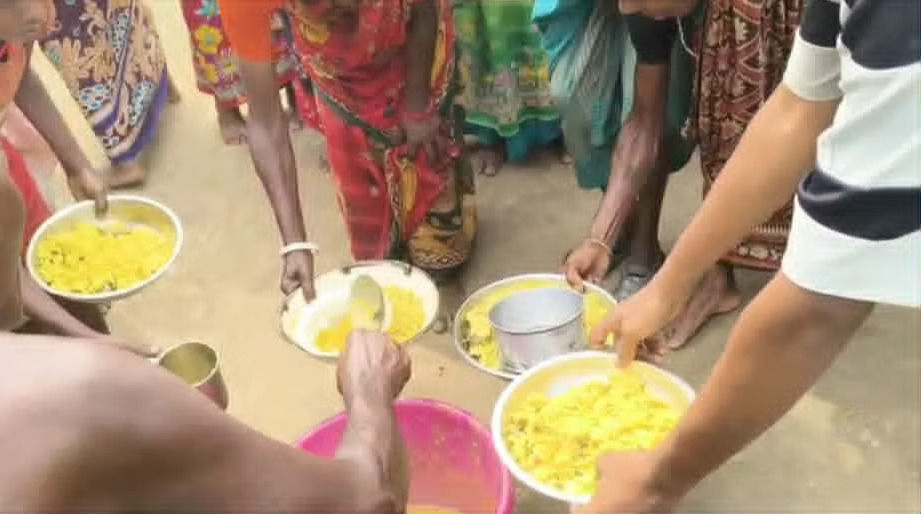
Beyond schools, community kitchens have effectively utilized kichri to address childhood malnutrition. These centralized preparation facilities leverage economies of scale while maintaining nutritional quality control. The Annapurna model in urban slum areas demonstrates how community kitchens can produce large quantities of nutritious kichri at minimal cost, distributing it to vulnerable children through neighborhood centers and home delivery networks. This approach reaches children who may not consistently attend formal educational institutions.
Community kitchen models often incorporate local agricultural production, creating sustainable food systems that support both child nutrition and local economies. By purchasing rice, lentils, and vegetables from local farmers, these programs create economic incentives for continued production of nutritious staples. This integration of nutritional intervention with economic development represents a particularly promising approach to sustainable improvement in childhood nutrition status across communities.
Take Action Today: Simple Steps to Better Child Nutrition
Improving child nutrition through kichri begins with practical, immediate actions accessible to families across socioeconomic backgrounds. Start by introducing basic kichri once weekly, gradually increasing frequency as acceptance develops. Experiment with different lentil varieties and vegetable additions to discover combinations your child particularly enjoys. Document positive responses to specific variations to inform future meal planning and build on successful experiences.
Beyond home implementation, consider advocating for kichri-based meals in your child's school, daycare, or community programs. Share evidence-based information about kichri's nutritional benefits with program administrators, fellow parents, and community leaders. Supporting policies that improve access to quality rice, lentils, and vegetables further extends kichri's potential impact beyond individual households to community-wide nutritional improvement.
Frequently Asked Questions
Parents and caregivers consistently raise important questions about implementing kichri in children's diets. These practical concerns reflect the gap between nutritional knowledge and everyday feeding realities. The following responses address common questions with evidence-based yet practical guidance.
How often should I serve kichri to my child for maximum benefits?
For optimal nutritional impact, incorporate kichri into your child's diet 2-3 times weekly. This frequency provides consistent protein complementation and micronutrient delivery while allowing sufficient dietary variety to meet all nutritional needs. For children recovering from illness or experiencing growth faltering, temporary increases to 4-5 times weekly may accelerate nutritional repletion and recovery. Balance these servings throughout the week rather than clustering them to maintain consistent nutrient availability during critical growth periods. For more insights, explore the art of khichdi and its benefits for children.
Can kichri help my picky eater get proper nutrition?
Kichri offers exceptional benefits for selective eaters due to its mild flavor profile, customizable consistency, and ability to incorporate nutrients "invisibly." Begin with a basic version that emphasizes familiar elements, then gradually introduce variations once the foundational recipe gains acceptance. Involving children in selecting a single add-in ingredient often increases willingness to try the resulting dish. The natural comfort-food quality of kichri frequently overcomes resistance that more complex dishes encounter, making it a valuable tool for expanding limited diets while ensuring nutritional adequacy during selective eating phases.
What age can children start eating kichri?
Kichri can be safely introduced to infants around 6-7 months of age, coinciding with the appropriate developmental stage for complementary feeding. For initial introduction, prepare a thinner consistency with extra water and thoroughly mash any vegetable additions to prevent choking hazards. Omit salt entirely for infants under 12 months, as their kidneys cannot yet process sodium efficiently.
For older babies transitioning to family foods (9-12 months), gradually thicken the consistency to support developing chewing skills while maintaining easy digestibility. This progressive texture adaptation supports oral motor development while providing complete nutrition. By 12 months, most children can consume family-style kichri with appropriate texture modifications.
Kichri's gentle digestibility makes it particularly valuable during the transition to solid foods, often causing less digestive distress than other complementary feeding options. Its complete nutritional profile also supports the accelerated growth and development occurring during this critical period. Many pediatric nutritionists recommend kichri as an ideal first food beyond single-ingredient purees.
How does kichri compare to commercial baby foods nutritionally?
Homemade kichri typically offers superior nutrition to commercial baby foods across multiple dimensions. The freshly prepared combination provides higher protein quality and quantity, more bioavailable micronutrients, and fewer preservatives than most commercial options. Analysis shows that a standard serving of vegetable-enhanced kichri contains approximately 3-4 times more iron, double the zinc, and significantly higher levels of B vitamins than equivalent commercial rice-based products. Additionally, homemade kichri allows precise control over sodium levels, sugar content, and ingredient quality—factors particularly important during early feeding periods.
Can I prepare kichri in advance and store it?
Kichri stores exceptionally well, making advance preparation practical for busy families. Refrigerated kichri maintains optimal nutritional quality and food safety for 3-4 days when stored in airtight containers. For longer storage, kichri freezes well for up to 3 months with minimal texture degradation when properly packaged. When freezing, slightly undercook the initial preparation and add a tablespoon of water or broth when reheating to restore the ideal consistency.
"The traditional wisdom behind kichri's role in child nutrition has now been validated by modern nutritional science. Few foods offer such a perfect combination of complete protein, complex carbohydrates, and micronutrient delivery in a form so well-suited to children's developing digestive systems and taste preferences." — Journal of Pediatric Nutrition
For families transitioning to more nutritious eating patterns, kichri offers an accessible entry point that delivers immediate benefits while building long-term healthy eating habits. Its remarkable balance of nutritional density, economic efficiency, and cultural acceptability makes it a uniquely powerful tool in addressing childhood nutritional challenges. By incorporating this traditional food into contemporary feeding practices, parents can bridge ancient wisdom and modern nutritional science in service of optimal child development.
As we've seen through scientific evidence and practical implementation, kichri's impact on child nutrition extends far beyond simple sustenance to meaningful improvements in physical growth, cognitive development, and overall health outcomes. Whether served at home, in schools, or through community programs, this humble dish offers an extraordinary nutritional foundation that supports children's immediate wellbeing and future potential.









Comments