
Lotus Ministry Programs Empowering Rural Communities: In-Depth Overview

Key Takeaways
Lotus Ministry Trust runs three interconnected programs in Bangladesh's rural communities: Bhagavad Gita schools, food distribution, and winter blanket relief, each targeting a specific survival or development gap.
Over 3,200 students attend Lotus Ministry's schools, which blend national curriculum subjects with character-building lessons drawn from ancient texts, regardless of the student's religion.
More than 5,000 families receive monthly food aid through a distribution model built around nutrition science and community trust rather than convenience.
A single blanket can cut respiratory illness risk by up to 40% in Bangladesh's coldest districts, yet current relief efforts only reach 30-40% of families who need it.
Keep reading to find out exactly how Lotus Ministry decides where to open its next school, and why that decision-making process could change how you think about rural aid entirely.
Your Kindness Ensures They Never Go Hungry
Support Lotus Ministry Directly Through The Founders' PayPal

Rural poverty rarely has one cause, which means it rarely has one solution either.
Lotus Ministry Programs Empowering Rural Communities: In-Depth Overview looks at how one organization is tackling three separate but related crises at once across rural Bangladesh — lack of education, chronic malnutrition, and life-threatening winter cold. You can learn more about their ongoing work directly at Lotus Ministry Trust, where the on-the-ground details of each program are tracked and shared. What makes this model worth studying isn't just the scale of impact, but the logic behind every decision, from where a school gets built to which lentil gets cooked first.
What Lotus Ministry Trust Does for Rural Bangladesh
Lotus Ministry Trust operates in some of Bangladesh's most underserved districts, running programs that address hunger, cold exposure, and lack of access to education simultaneously. Rather than treating these as separate problems requiring separate organizations, the Trust has built an integrated model where each program reinforces the others. A child who's well-fed and warm through winter is a child who can actually show up to school and learn.
This isn't charity in the traditional sense of handouts with no follow-through. Every program is designed around sustainability, meaning rural communities aren't just receiving aid — they're being equipped to maintain progress long after the initial support arrives. For instance, Bangladesh's northern regions experience near-freezing temperatures every winter, creating life-threatening conditions for many residents.
Three Core Programs: Education, Food Aid, and Winter Relief
Three pillars hold up Lotus Ministry's entire approach to rural development, and each one solves a problem the others can't.
Bhagavad Gita schools — educational institutions combining Bangladesh's national curriculum with character development lessons, currently serving roughly 3,200 students across 15 schools.
Food distribution programs — monthly delivery of mung dal and kichri to over 5,000 families, prioritizing nutrition science and cultural familiarity over convenience.
Winter relief efforts — targeted blanket and sleeping mat distribution to remote northern villages where near-freezing temperatures pose serious health risks every year.
Each program operates on its own calendar and logistics, but they share the same underlying philosophy: identify the most vulnerable people first, then build systems that reach them reliably.
Who These Programs Serve
Single mothers, elderly residents living alone, and young children consistently rank as the highest-priority recipients across all three Lotus Ministry programs. These aren't arbitrary categories — they represent the populations least able to advocate for themselves or recover quickly from a missed meal, an untreated illness, or a lost school year.
Geography matters just as much as demographics. Lotus Ministry deliberately locates its efforts in districts with the weakest existing infrastructure, rather than areas closer to urban centers where logistics would be easier. That choice costs more in time and transportation, but it's the difference between reaching families who have no other options and duplicating services that already exist elsewhere.
Bhagavad Gita Schools Build Character and Academic Skills
Walk into one of Lotus Ministry's schools and you won't find a typical lecture hall setup. Students sit in discussion circles as often as rows, and teachers are trained to ask questions rather than just deliver answers. The goal isn't just literacy and math scores — it's raising young people who can think ethically and act with purpose.
These schools exist specifically in rural communities where children face real pressure to leave education behind and start working. That pressure doesn't disappear once a school opens nearby, which is why the Trust builds in support systems designed to keep families choosing education even when the economics seem to argue against it.
How Ancient Teachings Mix With Modern Subjects
The curriculum pulls directly from Bangladesh's national education standards for core subjects like math, science, and language. But woven through every subject are lessons drawn from the Bhagavad Gita's eighteen chapters — teachings on duty, cause and effect, and self-discipline that get applied to everyday academic content.
A science lesson on cause and effect naturally becomes a conversation about karma. A history lesson about a pivotal decision becomes a discussion of dharma — the duty that shaped why someone acted as they did. Nothing about this feels forced because the connections are built into lesson plans from the start, not bolted on afterward.
A Typical School Day From Morning Meditation to Class
Mornings begin quietly. Students sit for meditation and listen to selected readings from the Bhagavad Gita before academic classes start. This isn't treated as a religious ritual so much as a mental reset — a few minutes to settle before the day's lessons begin.
From there, the day moves into standard academic subjects, but group discussion remains a constant thread. Ethical dilemmas pulled from the Gita get debated openly, and older students frequently step into mentor roles for younger ones. By the time the school day ends, students have typically engaged in both structured lessons and open-ended conversation about how those lessons apply to real life.
Five Character Traits Every Student Develops
Lotus Ministry treats character growth as a measurable outcome, not a vague aspiration. Teachers are trained to observe and document progress across five specific traits:
Resilience in the face of setbacks
Compassion toward classmates and community members
Honesty, even when it's inconvenient
Self-awareness about one's own strengths and limitations
Responsibility for both personal actions and shared obligations
Parents consistently report noticing these shifts at home — children who are more patient, more willing to help, and more thoughtful about consequences before acting. Community members notice it too, often describing changes in how students carry themselves day to day. These positive changes are often attributed to the values instilled by educational programs like the Bhagavad Gita schools founded by Lotus Ministry Trust.
How Lotus Ministry Picks New School Locations
Opening a new school isn't a matter of finding available land and building a structure. Lotus Ministry runs a deliberate process that weighs educational gaps, community readiness, and long-term sustainability before committing resources to any single location.
Three Warning Signs That Signal a Rural Community Needs a School
Specific indicators guide where the Trust looks next, and they go well beyond simply asking which villages lack a school building.
High dropout rates among school-age children, particularly where economic pressure forces kids into labor instead of classrooms.
Low enrollment data for girls specifically, which often signals deeper cultural or safety barriers that need targeted solutions.
Weak existing educational infrastructure, meaning the nearest functioning school may be hours away or simply unable to accommodate more students.
Districts checking multiple boxes on this list receive priority consideration during expansion planning, since they represent the greatest unmet need rather than the easiest wins.
Why Outreach Workers Visit Families Before Enrollment Starts
Before a single student enrolls, Lotus Ministry outreach workers spend time in the community — visiting homes, attending gatherings, and building relationships with local leaders and parents. This groundwork happens well before any formal enrollment ask is made.
That sequencing matters. Families who've never had a school in their community often need time to trust that this one is different, that it won't demand money they don't have or pull children away from responsibilities that keep the household running. Relationship-building up front saves enrollment headaches later.
Support Systems That Keep Vulnerable Students in Class
Opening a school doesn't guarantee attendance, especially in households where every child's labor contributes to survival. Lotus Ministry addresses this directly by providing additional support to students from the most economically vulnerable families, specifically designed to make attendance sustainable rather than a financial burden.
The underlying goal is straightforward: remove every practical barrier standing between a child and their classroom seat. That might mean covering supply costs, coordinating with families around seasonal labor demands, or simply maintaining consistent communication so problems get addressed before they turn into dropped enrollment.
Growing From 15 Schools to 30 Without Losing Quality

Thanks To Your Generous Support
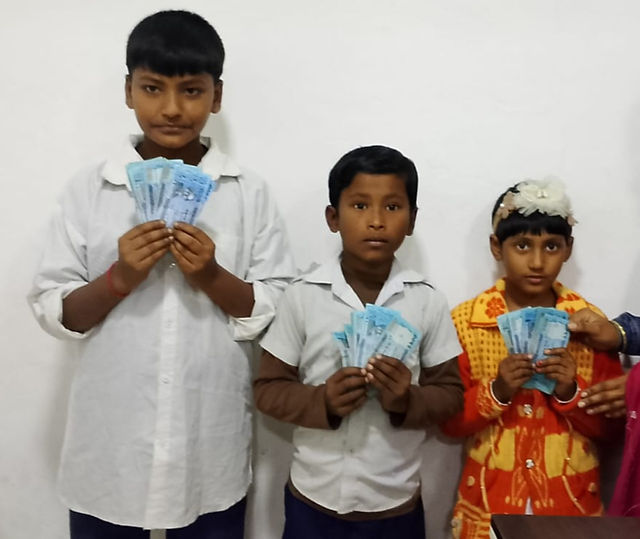
Every Child Receives The Education They Deserve
Support Lotus Ministry Directly Through The Founders' PayPal
Lotus Ministry has set a five-year target to double its school count from 15 to 30 across Bangladesh. That's an ambitious number, but the Trust has been explicit that growth won't come at the expense of quality.
Expansion decisions get guided by ongoing community assessments rather than a fixed rollout schedule. Every potential new location is evaluated against educational access data, dropout statistics, and direct feedback gathered through community outreach — the same criteria used to establish the first 15 schools.
"Sustainable growth means ensuring every new school upholds the same standard of holistic education as the first. We would rather open one exceptional school than three mediocre ones."
Teacher Training Goes Beyond Lesson Plans
New teachers don't just learn how to deliver academic content — they go through rigorous preparation covering both subject matter and philosophical grounding in the Gita's teachings. That means teachers engage with the text as learners themselves, doing their own inner work before they're expected to guide students through it.
This training approach treats teacher development as the actual foundation of sustainable growth, not a box to check before opening doors. A school can have a building, supplies, and enrolled students, but without properly prepared teachers, none of the character development or academic goals hold up over time.
Each School Becomes a Hub for the Next One
Every existing Lotus Ministry school functions as more than just a place where students attend class. Each one serves as a regional hub — a site for teacher training, community outreach, and the identification of future school locations nearby.
This hub model creates a built-in growth engine. Rather than starting from scratch in every new district, the Trust can draw on trained staff, established community relationships, and operational lessons from nearby schools already running successfully. Partnerships with community organizations, faith groups, educational nonprofits, and individual donors supply the resources needed to keep that engine moving forward.
Mung Dal and Kichri Feed Over 5,000 Families Monthly
Every month, more than 5,000 families across rural Bangladesh receive deliveries of mung dal and kichri from Lotus Ministry Trust. That's not a one-time relief effort — it's a recurring commitment built into the organization's operating calendar, designed to function as a dependable source of nutrition families can plan around rather than a surprise windfall.
Who Gets Priority When Supplies Are Limited
Households led by single mothers, elderly residents living alone, and families with young children receive priority placement on distribution lists whenever supply constraints force difficult allocation decisions.
Supply doesn't always match demand, especially during seasons when agricultural work dries up or local economic conditions shift unexpectedly. When that happens, Lotus Ministry leans on its priority framework rather than a first-come, first-served approach, ensuring the households with the least capacity to absorb a missed delivery get served first.
Raw mung dal and kichri arrive uncooked and unprocessed, which matters more than it might seem at first glance. Recipients cook according to their own family traditions and recipes, rather than being handed a pre-made meal that may not match local tastes or cooking customs.
That choice respects dignity as much as nutrition. Families aren't told how to eat — they're given ingredients they already know how to prepare, folded into recipes passed down through generations.
Need shifts constantly depending on seasonal agricultural cycles, local economic swings, and emergent crises that can't always be predicted months in advance. Lotus Ministry adjusts distribution volume and location based on real-time assessment rather than locking into a rigid schedule that might miss where help is actually needed that month.
The Real Nutrition Numbers Behind a Bowl of Dal
Mung dal isn't just a cultural staple — it's a legitimate nutritional powerhouse. A 100-gram serving of cooked mung dal delivers roughly 7 grams of protein at just 104 calories, while a full cup of cooked lentils provides approximately 18 grams of protein, rivaling what you'd get from 3 ounces of meat without the saturated fat.
Beyond protein, each serving contributes 2mg of iron (6.6mg per cooked cup) to prevent anemia, 479μg of folate to support maternal health and fetal development, and 1.4mg of zinc to support immune function and healing. For families with limited access to diverse food sources, that combination covers several critical nutritional gaps in a single, affordable ingredient.
Why Hemoglobin Levels Rose 11% After Dal Was Introduced
Numbers only matter if they translate into real health outcomes, and in this case, they did. Healthcare workers tracking Lotus Ministry's food programs reported decreased incidence of anemia among women and children receiving regular dal supplementation, with hemoglobin levels rising an average of 11% after dal was introduced into recipients' diets.
That's a meaningful shift for populations where anemia has historically gone untreated due to limited access to iron-rich foods or medical intervention. A consistent, affordable source of dietary iron closes a gap that would otherwise require medication or supplements most families simply can't access.
Mobile Distribution Cut Costs by 22% While Reaching More People
Fixed distribution points work fine in dense urban areas, but rural Bangladesh doesn't offer that luxury. Lotus Ministry instead runs a mobile distribution strategy that rotates through rural rural communities based on real-time need assessment, rather than sticking to a static schedule that ignores shifting circumstances on the ground.
The results speak for themselves: this approach has increased the program's reach by 37% while simultaneously reducing transportation costs by 22%. Each distribution event typically serves 400-500 individuals in a single sitting, meaning the mobile model isn't just cheaper — it's also moving more food to more people with the same resources.
Cook Dal the Way Lotus Ministry Teaches Rural Communities
Handing someone raw lentils only helps if they know how to cook them properly, which is why Lotus Ministry's food programs come paired with practical cooking guidance. Getting lentils right isn't complicated, but a few small mistakes can turn a nutritious meal into a mushy, flavorless mess — or worse, lentils that never soften at all.
Different lentil varieties behave completely differently on the stove, and matching cooking method to lentil type makes the difference between a satisfying meal and a wasted batch of food.
A brief 30-minute soak before cooking can reduce overall cooking time by about 25% and improve digestibility, which matters especially for households feeding young children or elderly family members with sensitive digestive systems.
Water Ratios for Yellow, Brown, Green, and Black Lentils
Lentil Type | Cook Time | Water Ratio | Texture |
Red lentils | 15-20 minutes | 1:3 | Breaks down, creamy |
Yellow lentils (moong dal) | 20-25 minutes | 1:2.5 | Soft, easily digestible |
Brown lentils | 20-30 minutes | 1:2.5 | Holds shape reasonably well |
Black lentils (Beluga) | 25-30 minutes | 1:2.5 | Highest protein, 24-26% by weight |
Green lentils | 35-45 minutes | 1:2.5 | Firm, maintains shape |
Yellow lentils form the backbone of countless traditional dal recipes across the region, and their easily digestible profile makes them particularly valuable for young children and elderly recipients.
Why Red Lentils Need Different Timing
Red lentils break down completely during cooking, which is exactly why they need more water than other varieties — a 1:3 ratio compared to the 1:2.5 used for yellow, brown, green, and black lentils. That breakdown creates the smooth, creamy texture typical of many classic dal preparations, but it also means red lentils can turn watery if you don't account for the extra absorption.
Two Rules That Keep Lentils From Turning Tough
Salt should never go into the pot at the beginning of cooking. It strengthens the lentil's seed coat and prevents proper softening, so the right move is waiting until the final 10-15 minutes, once lentils have already reached their desired tenderness, before seasoning.
The second rule involves acidic ingredients — tomatoes, lemon juice, vinegar, and wine can all stop lentils from softening if added too early in the cooking process. Hold off on introducing anything acidic until the final cooking phase, once the lentils have already broken down properly.
Tempering, known as tadka, finishes most traditional dal preparations. Whole spices like mustard seeds, cumin, and cinnamon go into hot fat first, popping and releasing their oils, followed by dried chilies and curry leaves, then ground spices like turmeric and coriander. Fast-cooking aromatics like asafoetida and fresh ginger go in last, since they burn easily if added too soon.
Regional variations showcase just how adaptable dal can be: North Indian preparations lean on rich tadkas of ghee and garam masala, South Indian versions bring in coconut and mustard seeds, Bengal's masoor dal uses a five-spice panch phoron blend, and Punjabi dal makhani slow-cooks black lentils with butter and cream for a completely different texture and flavor profile.
Winter in Northern Bangladesh Turns Deadly Fast
Bangladesh's northern regions face a brutal, predictable threat every winter season. Overnight temperatures in districts like Rangpur, Rajshahi, and Dinajpur regularly drop to between 5°C and 8°C (41°F to 46°F) from late December through mid-January, and for families without proper shelter or bedding, that cold becomes a genuine medical emergency.
Why Thin Metal and Mud Homes Offer Zero Protection
Homes across northern Bangladesh are typically built from thin corrugated metal sheets, bamboo, or mud — materials that offer virtually no insulation against outside temperatures. When the temperature drops outside, it drops almost as fast inside, leaving families with little buffer between themselves and dangerous cold.
Dense fog makes everything worse by saturating clothing and bedding overnight, and the Bangladesh Meteorological Department has confirmed that cold snaps have grown increasingly severe in recent years due to shifting climate patterns.
Children and the Elderly Face the Highest Risk
Children lose body heat far more rapidly than adults because of their higher surface-area-to-mass ratio, and medical professionals in northern districts regularly treat children presenting with dangerously low body temperatures after cold nights spent without adequate bedding. Day laborers, subsistence farmers, and families living in extreme poverty face compounding risks, since they typically lack the resources to buy supplemental warmth on their own.
Unlike cold-climate countries, Bangladesh has virtually no residential heating infrastructure in rural and semi-rural regions. Electric space heaters are completely inaccessible to families living on just a few dollars a day, and firewood — when available at all — is costly and creates serious indoor air quality hazards in small, poorly ventilated homes.
Respiratory Illness Spikes When Fog Meets Freezing Nights
Pneumonia, bronchitis, and severe respiratory illness spike sharply across northern Bangladesh during winter months, as cold exposure weakens the immune system's ability to fight off infection. Healthcare facilities report significant seasonal case spikes during peak winter months of late December and January, but travel distances to clinics are long, transportation is limited, and treatment costs can push already-struggling families deeper into poverty.
The ripple effects extend well beyond physical illness. When children get sick from cold exposure, they miss weeks of school, disrupting their education at exactly the moment Lotus Ministry's academic programs are trying to build momentum. When adults fall ill, daily wage income disappears immediately, with no financial safety net to fall back on.
How One Blanket Cuts Respiratory Illness by 40%
A single quality blanket can meaningfully reduce cold-related illness risk, and medical professionals in Bangladesh report that proper blanket distribution can cut respiratory infection rates by up to 40% in vulnerable populations. That's a striking return on what amounts to a relatively small, one-time investment per family.
Why Wool Still Works Even When Soaked

Your Small Gift Can Help Them Stay Warm On A Cold Night
Support Lotus Ministry Directly Through The Founders' PayPal
Wool blankets retain up to 80% of their insulating capacity even when wet, since wool fibers trap warm air in their natural crimp structure and create a thermal barrier regardless of moisture. That's a critical property in a region where dense winter fog routinely soaks bedding overnight.
Fleece blankets offer a lighter, more portable alternative — easier to transport across difficult terrain, quick-drying, and resistant to mildew, with solid mid-range insulation performance. Heavy-duty thermal blankets typically combine dense polyester fill with a woven outer shell that resists moisture penetration, making them a durable choice for the harshest conditions.
Layering matters most in the coldest situations. A ground mat placed beneath the body, combined with a heavy thermal blanket above, addresses both major heat loss vectors at once — since the body loses heat to a cold surface far more rapidly than it loses heat to cold air.
Sponge Mattresses Add a Second Layer of Protection
Lotus Ministry distributes sponge mattresses and insulated sleeping mats alongside blankets specifically to address this ground-contact problem. Cold floors pull heat from the body faster than cold air does, so a blanket alone — without something insulating underneath — leaves a dangerous gap in protection.
Together, a sponge mattress and a quality blanket create a complete thermal barrier, insulating from both directions at once. That combination is part of why Lotus Ministry's winter relief kits are built as paired items rather than single blanket drops.
Five Ways to Fund Winter Relief This Season
Existing government and NGO winter relief programs collectively reach an estimated 30-40% of the population that genuinely requires assistance during peak cold months, which leaves a substantial gap that organizations like Lotus Ministry work to close. Every dollar contributed has a specific, traceable impact.
$10 provides one heavy-duty thermal blanket for an elderly individual living alone.
$20 covers a complete family winter kit, including two warm blankets and a sponge mattress ground pad.
$50 equips an entire household with layered protection, covering multiple blankets for children, adults, and elderly family members.
$100 protects five families completely, covering procurement, transport, and last-mile delivery to remote villages.
$500 funds blanket distribution for an entire small village cluster, including logistical coordination for areas inaccessible by standard roads.
Why October and November Giving Reaches Remote Villages Faster
Many aid organizations allocate funding on annual or multi-year cycles that don't align with Bangladesh's narrow, predictable winter emergency window. By the time funding gets approved, procurement completed, and logistics arranged, the coldest weeks have often already passed — which is why donations made in October and November have dramatically higher impact than those made in January.
Temperatures begin dropping in mid-November, peak in late December through mid-January, and ease by late February. That predictability allows Lotus Ministry to stage and deliver relief proactively rather than reactively, but only if funding arrives early enough to act on it.
Many villages most in need of winter relief are accessible only by narrow dirt roads that become unreliable during winter fog, and in some areas, rivers and waterways still serve as the primary transportation route. Distribution teams often depart before dawn to reach multiple villages in a single day before road conditions deteriorate further, which is why local knowledge, not just funding, determines whether blankets actually reach the families who need them most.
What Rural Leaders Can Learn From Lotus Ministry's Model
The common thread running through all three of Lotus Ministry's programs is trust built before the ask. Whether it's outreach workers visiting families before enrollment begins, village-level coordinators confirming recipient lists for blanket drops, or a food distribution model that lets families cook according to their own traditions, every program centers on respecting the people it serves rather than dictating to them.
Any rural development effort hoping to replicate this kind of impact would do well to start there — not with the biggest budget or the most ambitious numbers, but with the patient, unglamorous work of building real relationships inside the rural communities being served.
Frequently Asked Questions
How many students attend Lotus Ministry's Bhagavad Gita schools?
Roughly 3,200 students currently attend Lotus Ministry Trust's schools across 15 locations in Bangladesh, spanning primary through secondary levels.
Why does Lotus Ministry choose dal instead of other food aid?
Dal aligns with what recipients already know, trust, and prepare in their own kitchens, while also delivering high protein, iron, folate, and zinc at a lower cost than meat-based alternatives.
What temperatures do northern Bangladesh villages face in winter?
Overnight temperatures in districts like Rangpur, Rajshahi, and Dinajpur regularly drop to between 5°C and 8°C (41°F to 46°F) from late December through mid-January.
How does Lotus Ministry decide which communities need a new school?
The Trust evaluates dropout rates, girls' enrollment statistics, and existing educational infrastructure, prioritizing districts showing acute need alongside strong community readiness.
What percentage of winter relief needs currently go unmet?
Existing government and NGO programs collectively reach an estimated 30-40% of the population genuinely requiring winter relief assistance, leaving the majority of vulnerable families without adequate support.
If you're looking to support rural communities facing these overlapping challenges, Lotus Ministry Trust offers a direct, transparent way to get involved.




Comments