
Nutritional Meal Services by Lotus Ministry Trust

Article-at-a-Glance
Rural Bangladesh faces a severe nutritional crisis driven by poverty, food insecurity, and rising food prices — leaving millions without access to balanced meals.
Lotus Ministry Trust is delivering plant-based nutritional meal services to some of the most neglected rural communities in Bangladesh through culturally familiar, nutrient-dense foods.
Lentils and kitchari (kichri) form the backbone of the program — providing complete protein, easy digestion, and sustainable energy at a fraction of the cost of meat-based alternatives.
One donation directly translates into meals on the ground — with no corporate overhead diluting its impact at the community level.
The sustainable food model Lotus Ministry Trust is building goes far beyond emergency relief — and the details of how they do it may surprise you.
Lotus Ministry Trust Is Feeding Rural Bangladesh One Nutritional Meal at a Time
Your Support Keeps Lotus Ministry Trust
On The Ground Serving Nutritious Meals
Support Lotus Ministry Directly Through The Founders' PayPal

Hunger in rural Bangladesh is not a headline — it is a daily reality for millions of people who have been left behind by economic growth and rising food costs.
Lotus Ministry Trust is working directly inside these underserved communities, delivering nutritional meal services that are rooted in both cultural familiarity and genuine nutritional science. The approach is simple, cost-effective, and built to last — not as a temporary fix, but as a foundation for long-term food security.
The Crisis Driving the Need for Nutritional Meal Services in Rural Bangladesh
Bangladesh has made remarkable strides in reducing extreme poverty over the past two decades, but rural food insecurity remains a persistent and deeply rooted problem. Geographic isolation, limited agricultural resources, and systemic inequality mean that a large portion of the rural population still cannot access or afford nutritionally adequate food on a consistent basis. The gap between urban and rural nutrition is wide — and it is widening.
Why Rural Bangladeshis Face Disproportionate Food Insecurity
Rural Bangladeshis are disproportionately affected by food insecurity for several interconnected reasons. Limited access to markets, poor infrastructure, and dependence on subsistence farming make these communities especially vulnerable to seasonal food shortages and supply chain disruptions. When harvests fail or prices spike, rural families are the first to go without.
Women, children, and elderly individuals bear the heaviest burden. Micronutrient deficiencies — particularly in iron, zinc, and vitamin A — are common across rural populations, contributing to stunted growth in children and reduced immune function across all age groups. These are not abstract statistics; they are the lived realities of the communities Lotus Ministry Trust serves every day.
The Long-Term Health Consequences of Chronic Malnutrition
Chronic malnutrition does not just cause hunger — it causes compounding, long-term damage that is extraordinarily difficult to reverse. Children who experience consistent nutritional deficits during their first 1,000 days of life face increased risks of cognitive impairment, reduced school performance, and diminished earning capacity as adults. The cycle perpetuates itself across generations.
Adults living with chronic undernutrition experience weakened immune systems, reduced physical capacity, and higher susceptibility to infectious diseases. In rural Bangladesh, where access to healthcare is already limited, malnutrition dramatically amplifies health risks and reduces quality of life in ways that go largely unseen by the outside world.
How Rising Food Prices Are Making the Crisis Worse
Global inflationary pressure has hit rural Bangladeshi communities especially hard. The cost of staple foods — rice, lentils, cooking oil, and vegetables — has increased significantly, stretching already thin household budgets past their breaking point. Families that were previously managing on the margins are now skipping meals entirely.
Lotus Ministry Trust's food relief programs have had to adapt in real time to these rising costs, finding smarter ways to source, prepare, and distribute nutritional meals without reducing the volume or quality of what reaches the people who need it most. That adaptability is one of the defining strengths of the program.
What Lotus Ministry Trust's Nutritional Meal Services Actually Look Like
Understanding what these meal services look like on the ground is essential to appreciating their impact. This is not a faceless food drop — it is a carefully structured nutritional program delivered by volunteers who are embedded in the communities they serve.
Plant-Based Meals as the Foundation of the Program
Every meal distributed through Lotus Ministry Trust is plant-based. This is not an arbitrary choice — it is a deliberate nutritional and logistical strategy. Plant-based meals are significantly more affordable to produce at scale, have a lower environmental footprint, and align naturally with the traditional dietary patterns of rural Bangladeshi communities. When nutrition aid mirrors what people already know and eat, adoption and acceptance are far higher.
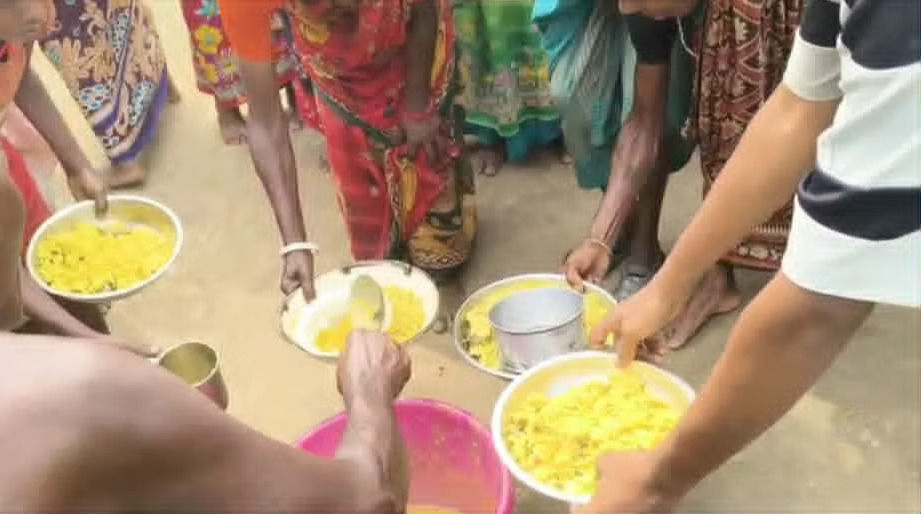
The meals are designed to be calorie-dense, micronutrient-rich, and culturally appropriate. Volunteers prepare and serve food in communal settings, which also addresses the social dimension of food security — reinforcing community bonds and ensuring that the most vulnerable individuals, including elderly residents and those with mobility limitations, are not overlooked.
The Role of Kitchari and Lentils in Delivering Balanced Nutrition
Kitchari — known locally as kichri — is a traditional South Asian dish made from rice and lentils cooked together with spices. It is humble in appearance but nutritionally formidable. The combination of rice and lentils creates a complementary amino acid profile, delivering a complete protein source that rivals many animal-based foods at a dramatically lower cost.
Lentils alone are among the most nutritionally dense legumes available. A single serving provides significant amounts of plant-based protein, dietary fiber, folate, iron, and potassium. Lentils serve as a nutritional anchor — stabilizing dietary quality even when food variety is limited. Lotus Ministry Trust's use of kitchari as a core relief meal is not tradition for tradition's sake — it is evidence-based nutrition delivered through a culturally trusted vehicle.
How Meals Are Distributed to Remote and Neglected Communities
Getting nutritional meals to rural Bangladeshi communities is a logistical challenge that Lotus Ministry Trust has refined through direct, on-the-ground experience. Volunteers travel into villages that are often inaccessible by standard transport routes, carrying food supplies and preparing meals in communal spaces — courtyards, community halls, and open-air gathering areas. Distribution is organized to prioritize the most vulnerable individuals first, including malnourished children, elderly residents, and those with disabilities.
The Trust does not rely on intermediaries to reach beneficiaries. This direct-distribution model is critical — it eliminates the administrative and logistical waste that plagues many large-scale food aid programs, ensuring that the maximum value of every donation reaches the plate of someone who genuinely needs it.
Why Plant-Based Meals Work for Rural Nutrition
Plant-based nutrition is not a trend in the context of rural Bangladesh — it is a practical, proven strategy for delivering high-impact nutrition at the lowest possible cost. When designed correctly, plant-based meals can meet or exceed the nutritional benchmarks set by animal-inclusive diets, particularly when built around protein-rich legumes, whole grains, and seasonal vegetables.
The Nutritional Power of Lentils in Low-Resource Diets
Protein: A 100g serving of cooked lentils delivers approximately 9 grams of plant-based protein — essential for muscle maintenance, immune function, and tissue repair.
Iron: Lentils are one of the richest plant sources of non-heme iron, helping combat the iron-deficiency anemia that is widespread in rural Bangladeshi women and children.
Folate: A single serving provides nearly 45% of the daily recommended intake of folate — critical for cell development and particularly important for pregnant women.
Dietary Fiber: High fiber content supports gut health, regulates blood sugar, and promotes sustained energy — especially valuable when meals are infrequent.
Potassium and Magnesium: These minerals support cardiovascular function and muscle health, both of which are compromised by chronic undernutrition.
What makes lentils particularly powerful in a low-resource setting is their shelf stability. Unlike fresh produce or animal proteins, dried lentils can be stored for extended periods without refrigeration — making them ideal for distribution in remote areas where cold chain infrastructure simply does not exist.
Lentils are also fast-cooking relative to other legumes, which reduces fuel costs and preparation time for communities with limited access to cooking resources. When paired with rice — as in kitchari — the dish becomes a nutritionally complete, energy-dense meal that can be prepared quickly and served at scale. This efficiency matters enormously when you are feeding dozens or hundreds of people in a single distribution event.
Lotus Ministry Trust's consistent use of lentils is not just practical — it reflects a deep understanding of what the body needs most when it has been deprived. Protein and iron restoration are the most urgent nutritional priorities in chronically malnourished populations, and lentils address both directly and affordably.
How Kitchari Provides Complete Protein and Easy Digestion

Help Lotus Ministry Deliver Nutritious Meals
Where They’re Needed Most
Support Lotus Ministry Directly Through The Founders' PayPal
Kitchari works nutritionally because of the complementary relationship between rice and lentils. Rice is low in the amino acid lysine but rich in methionine, while lentils are high in lysine and lower in methionine. When eaten together, the two foods cover each other's amino acid gaps — producing a complete protein that the body can absorb and use as effectively as many animal-based sources.
Beyond protein, kitchari is extraordinarily gentle on the digestive system, which is a critical consideration for individuals who have been living in a state of chronic food deprivation. A gut that has been under nutritional stress needs easily digestible foods to begin the recovery process — and kitchari, with its soft texture and warming spices, fits that requirement precisely. For more information, check out this hearty kitchari recipe.
Cost-Effectiveness of Plant-Based Relief Compared to Meat-Based Alternatives
The financial case for plant-based nutritional meal services is compelling. Producing a protein-equivalent meal using lentils costs a fraction of what it would cost using chicken, beef, or fish — even in local Bangladeshi markets. This cost differential translates directly into reach: every taka or dollar spent on plant-based meals feeds significantly more people than the same budget allocated to meat-based alternatives.
For organizations like Lotus Ministry Trust that operate on donor funding, this efficiency is not just desirable — it is essential. Maximizing the number of nutritionally adequate meals produced per unit of cost is the defining challenge of sustainable food relief, and plant-based meal planning is the most reliable tool available to meet it.
Cost Comparison: Plant-Based vs. Meat-Based Protein Per Serving (Approximate, Rural Bangladesh Market) Kitchari (rice + lentils): Estimated cost per protein-equivalent serving — significantly lower, with lentils providing ~9g protein per 100g cooked at minimal cost. Chicken-based meal: Protein-equivalent serving costs several times more, requires refrigeration, and has a much shorter shelf life — creating both financial and logistical barriers at scale. Conclusion: Plant-based meals allow Lotus Ministry Trust to serve a substantially larger number of people per donation dollar while maintaining strong nutritional outcomes.
This is exactly why plant-based nutritional meal services are not a compromise — they are the smart, scalable solution for feeding vulnerable populations with consistency and nutritional integrity.
Sustainable Food Programs Beyond Emergency Relief
Emergency food distribution saves lives in the short term, but it does not build the resilience communities need to withstand future food shocks. Lotus Ministry Trust understands this distinction, and it shapes the way the organization designs and delivers its programs on the ground.
Building Long-Term Food Security, Not Just Short-Term Aid
True food security means that a community can consistently access, afford, and prepare nutritionally adequate food — not just receive it during a crisis. Lotus Ministry Trust's programs are designed with this longer arc in mind, moving beyond reactive relief toward proactive, community-rooted food systems that can function even when external support is reduced.
This involves building local capacity — identifying community members who can be trained and supported to lead nutritional meal preparation, manage food distribution logistics, and advocate for the nutritional needs of their neighbors. When communities develop internal leadership around food security, programs become self-reinforcing rather than dependent on continuous outside intervention.
The trust's sustainable food model also prioritizes sourcing food locally wherever possible. Purchasing rice, lentils, and vegetables from local farmers keeps money circulating within the community, supports agricultural livelihoods, and reduces the supply chain vulnerabilities that come with importing food from distant markets. It is a model of food relief that strengthens the local economy at the same time as it fills empty plates.
Educational Components That Teach Communities to Nourish Themselves
Alongside direct meal services, Lotus Ministry Trust incorporates nutritional education into its community engagement efforts. Understanding why certain foods matter — how lentils rebuild protein stores, how iron-rich foods combat fatigue and improve cognitive function, how simple cooking techniques preserve nutritional value — gives community members the knowledge to make better food choices even with limited resources.
This educational layer transforms the program from a food handout into a nutritional empowerment initiative. When a mother understands that soaking lentils before cooking increases their bioavailability, or that pairing iron-rich foods with a vitamin C source improves absorption, she carries that knowledge forward into every meal she prepares for her family — long after the immediate crisis has passed. That kind of ripple effect is where real, generational change in community nutrition begins.
How Donations Directly Fund Nutritional Meals on the Ground

Team Up With Lotus Ministry To Provide
Nutritious Meals To The Neglected Citizens
Support Lotus Ministry Directly Through The Founders' PayPal
Every donation made to Lotus Ministry Trust has a direct, traceable impact. Because the organization operates without the heavy administrative overhead that burdens many large NGOs, the vast majority of funds flow straight into food procurement, preparation, and distribution. A contribution does not disappear into a bureaucratic system — it becomes rice, lentils, and spices in someone's hands within days.
The math is straightforward and powerful. Dried lentils and rice are among the most affordable staple foods available in Bangladeshi markets, which means even modest donations translate into meaningful volumes of nutritionally complete meals. When donors give consistently, Lotus Ministry Trust can plan purchases in advance, buy in bulk at lower prices, and extend the reach of every dollar further than would be possible through ad hoc procurement. Sustained giving is what transforms emergency relief into a reliable nutritional safety net.
Supporting Lotus Ministry Trust through their GoFundMe campaign is one of the most direct ways to put nutrition on the table for rural Bangladeshis who have no other reliable food source. The transparency of the program — with volunteers documenting distributions and sharing real outcomes from the field — gives donors confidence that their contribution is doing exactly what it is intended to do.
Lotus Ministry Trust's Nutritional Meal Services Are a Blueprint Worth Scaling
What Lotus Ministry Trust has built in rural Bangladesh is not just a local food relief program — it is a replicable model for nutritional meal services in any low-resource, high-need community. The combination of culturally appropriate plant-based foods, direct community distribution, local sourcing, and embedded nutritional education creates a framework that addresses food insecurity at multiple levels simultaneously. As food insecurity continues to grow globally, the blueprint Lotus Ministry Trust has developed deserves serious attention from organizations, governments, and communities looking for proven, cost-effective approaches to sustainable nutrition.
Frequently Asked Questions
Below are answers to the most common questions people ask about Lotus Ministry Trust's nutritional meal services and how they work on the ground in rural Bangladesh.
What types of meals does Lotus Ministry Trust provide to rural Bangladeshis?
Lotus Ministry Trust primarily provides plant-based meals centered around kitchari (kichri) — a traditional South Asian dish made from rice and lentils cooked together with warming spices. The organization also distributes lentil soup with vegetables and plain rice to communities facing acute food shortages. All meals are prepared fresh by volunteers and distributed directly to community members in communal settings.
The meals are chosen specifically for their nutritional density, cultural familiarity, and cost-effectiveness. Kitchari in particular provides a complete protein profile through the complementary amino acids found in rice and lentils combined — making it one of the most nutritionally efficient relief foods available in the region.
Why does Lotus Ministry Trust focus on plant-based nutrition for food relief?
Cost efficiency: Plant-based staples like lentils and rice cost a fraction of animal proteins, allowing the same budget to feed significantly more people.
Nutritional adequacy: When properly combined, plant-based meals deliver complete protein, essential minerals, and dietary fiber that meet the urgent nutritional needs of malnourished populations.
Cultural alignment: Plant-based meals mirror the traditional dietary patterns of rural Bangladeshi communities, increasing acceptance and reducing food waste.
Storage and logistics: Dried lentils and rice require no refrigeration, making them ideal for distribution in remote areas without cold chain infrastructure.
Environmental sustainability: Plant-based food production generates a lower environmental footprint, supporting long-term food system resilience in climate-vulnerable regions.
Plant-based nutrition is not a philosophical position for Lotus Ministry Trust — it is the most rational and effective nutritional strategy available given the communities they serve and the resources they work with.
The nutritional science backing this approach is solid. Lentils alone provide approximately 9 grams of protein per 100g cooked serving, along with iron, folate, potassium, and high dietary fiber — addressing several of the most critical micronutrient deficiencies documented in rural Bangladeshi populations. When volunteers serve a bowl of kitchari, they are not offering a compromise meal. They are offering one of the most nutritionally complete, digestively gentle, and energy-sustaining foods a depleted body can receive.
This intentional food design — rooted in both nutritional science and community knowledge — is what separates Lotus Ministry Trust's approach from generic food handout programs that prioritize calorie delivery over genuine nutritional outcomes. For more insights, explore the essential role of lentils in nutrition.
How does Lotus Ministry Trust maintain food relief programs despite rising food prices?
Rising food prices have placed enormous pressure on Lotus Ministry Trust's operational budget, but the organization has adapted through smarter sourcing and bulk purchasing strategies. By buying rice and lentils in larger quantities directly from local suppliers, the trust is able to negotiate lower per-unit costs and reduce the impact of market price fluctuations on its meal output. Local sourcing also keeps procurement costs down while simultaneously supporting the agricultural economy of the communities it serves.
Consistent donor support is the other critical variable. When donations are predictable and sustained, Lotus Ministry Trust can purchase food ahead of price increases rather than buying reactively at peak costs. This forward procurement strategy stretches every donation further and protects the program's ability to deliver meals without interruption — even during periods of significant market volatility.
Who benefits most from Lotus Ministry Trust's nutritional meal services?
The primary beneficiaries of Lotus Ministry Trust's meal services are the most nutritionally vulnerable members of rural Bangladeshi communities — malnourished children, elderly residents, pregnant and lactating women, and individuals with limited mobility who cannot access food markets independently. These groups face the greatest health consequences from chronic undernutrition and are the least likely to receive adequate support from government or commercial food systems.
Children in the first years of life stand to benefit the most from consistent nutritional meal access. Adequate protein, iron, and folate during early childhood directly shapes cognitive development, immune resilience, and long-term physical health. By reaching children during this critical developmental window, Lotus Ministry Trust's programs have the potential to alter life trajectories — not just alleviate short-term hunger. The ripple effects of early nutritional intervention extend far beyond the immediate relief event.
How can I support Lotus Ministry Trust's nutritional meal programs in Bangladesh?
The most direct way to support Lotus Ministry Trust is through their active GoFundMe campaign, which channels donations directly into food procurement and distribution for rural Bangladeshi communities. Every contribution — regardless of size — translates into real meals for people who have no other reliable nutritional safety net. The platform is transparent, with regular updates from volunteers in the field documenting exactly how funds are being used.
You can also support the organization directly through the founders' PayPal, which provides an alternative giving channel for those who prefer to give outside of crowdfunding platforms. Direct donations through this route carry the same commitment to full accountability and field-level impact as contributions made through GoFundMe.
Beyond financial contributions, spreading awareness of Lotus Ministry Trust's work is itself a powerful form of support. Sharing their story — on social media, within community networks, or among organizations looking for credible food relief partners — extends the reach of the program and brings more resources into the hands of a team that has already proven it can turn donations into nutritional outcomes. The need in rural Bangladesh is urgent, consistent, and real. So is the opportunity to do something meaningful about it.
Lotus Ministry Trust is delivering life-changing nutritional meal services to some of the most underserved communities in Bangladesh — if you believe food is a human right, their work is worth supporting today.





Comments