
Essential Lentils Nutrition Rural Diets: Bridging Gaps & Benefits

Article-At-A-Glance
One cup of cooked lentils delivers approximately 18 grams of protein, 15 grams of fiber, and significant amounts of iron and folate — making them one of the most complete plant foods available.
Rural communities across the developing world face serious nutritional deficits due to limited access to animal protein, refrigeration, and diverse food sources — lentils directly address all three problems.
Red lentils cook in as little as 15–20 minutes without soaking, making them uniquely practical for areas with limited fuel and water access.
There is a critical difference between how red and green lentils perform in rural cooking scenarios — and knowing which to use can change outcomes significantly.
Food aid organizations including the World Food Programme have integrated lentils into distribution programs specifically because of their shelf stability and dense nutrient profile.
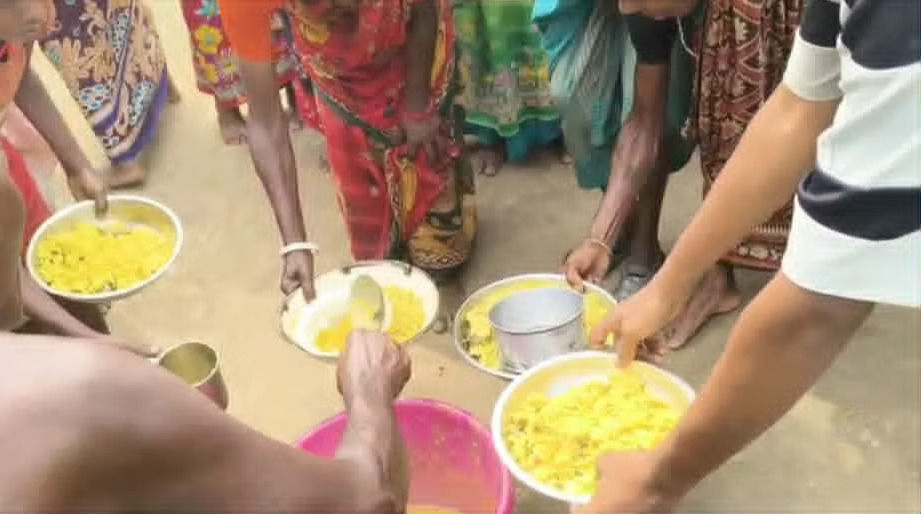
Help Lotus Ministry Trust Bring Nutritious Foods To Rural Bangladeshis
Lentils might be the single most underutilized tool in global rural nutrition — and the data makes it impossible to ignore.
Rural populations in low- and middle-income countries consistently face what nutritionists call the "triple burden" of malnutrition: undernutrition, micronutrient deficiency, and increasingly, diet-related chronic disease. Access to diverse, affordable, shelf-stable protein is not a given in these communities. Meat is expensive, perishable, and inconsistently available. Yet lentils — small, inexpensive, and requiring no refrigeration — pack a nutritional punch that rivals animal protein in several key categories. Organizations working in food security, including those covered at Rural Matters, have increasingly spotlighted legumes like lentils as critical to sustainable community nutrition.
Lentils Are One of the Most Powerful Foods for Rural Nutrition
The case for lentils in rural diets is not built on trend or preference — it is built on nutritional density, affordability, and logistics. No other single crop combines this many benefits in one package. Lentils grow in poor soil, fix nitrogen (actually improving the land they grow on), store for years without refrigeration, and cook faster than nearly any other legume. For communities where every resource is limited, lentils function almost like a nutritional Swiss Army knife.
What makes lentils especially powerful is that their benefits are cumulative. They do not just address one deficiency — they tackle protein gaps, iron deficiency, fiber shortfalls, and folate needs all at once. In regions where dietary variety is structurally limited, that kind of multi-spectrum nutrition from a single affordable food source is remarkable.
The Nutritional Profile of Lentils
Understanding what lentils actually contain is essential before discussing how they fill dietary gaps. Here is a straightforward breakdown of what one cup of cooked lentils (approximately 198 grams) delivers:
Nutrient | Red Lentils (1 cup cooked) | Green Lentils (1 cup cooked) |
Calories | 230 | 230 |
Protein | ~18g | ~18g |
Dietary Fiber | ~15g | ~15.6g |
Iron | ~6.6mg | ~6.6mg |
Folate | ~358mcg | ~358mcg |
Magnesium | ~71mg | ~71mg |
Potassium | ~731mg | ~731mg |
Values are approximate based on standard nutritional data for cooked lentils. | ||
The numbers alone are striking, but the real story is what these nutrients mean at the community level — particularly in rural areas where these same nutrients are chronically absent from daily meals.
Protein: A Critical Macronutrient for Rural Communities
Protein is the macronutrient most associated with physical development, immune function, and muscle maintenance. In rural communities, protein deficiency is a real and measurable problem — especially in children under five and pregnant women. Exploring alternative protein sources, such as lentils, can help bridge this nutritional gap.
One cup of cooked lentils provides roughly 18 grams of complete protein when paired with a grain like rice or flatbread.
Lentils contain all essential amino acids, though they are lower in methionine — easily compensated by combining with cereals.
On a cost-per-gram-of-protein basis, lentils consistently outperform chicken, beef, and eggs in most rural markets.
Lentil protein is highly bioavailable once properly cooked, meaning the body can actually use what it absorbs efficiently.
In practical terms, a family that incorporates lentils into two meals per day can meaningfully close the protein gap without access to refrigeration, butchers, or specialty markets. That accessibility is what separates lentils from almost every other high-protein food available to rural households.
Fiber, Iron, and Folate: The Micronutrient Trio That Matters Most
Beyond protein, the three micronutrients where rural diets most consistently fall short are dietary fiber, iron, and folate. Lentils address all three simultaneously. With roughly 15 grams of fiber per cooked cup — about 60% of the daily recommended intake — lentils support digestive health in populations that often rely on low-fiber staple crops like white rice or refined maize. Iron deficiency anemia affects an estimated 1.2 billion people globally according to the World Health Organization, and it disproportionately impacts rural women and children. A single cup of cooked lentils delivers approximately 6.6mg of iron, which is a substantial contribution toward the daily requirement of 8–18mg depending on age and sex.
Folate, critical for cell development and especially important during pregnancy, comes in at roughly 358mcg per cup — nearly 90% of the recommended daily intake for adults.
Red Lentils vs. Green Lentils: Which Is More Nutritious?
The honest answer is that red and green lentils are nutritionally very similar — their macronutrient and micronutrient profiles are nearly identical per cup when cooked. The differences that actually matter in a rural context are practical, not nutritional.
Red lentils break down completely when cooked, making them ideal for soups, stews, and porridge — dishes that require minimal equipment and are easy for children and the elderly to consume. Green lentils hold their shape, which makes them better suited for salads or dishes where texture matters. Red lentils also cook significantly faster (15–20 minutes versus 30–45 minutes for green), which directly reduces fuel consumption — a meaningful advantage in communities that rely on wood, charcoal, or dung for cooking fuel.
For most rural nutrition programs, red lentils are the preferred choice simply because of their speed and versatility. But both varieties deliver the same core nutritional benefits, and availability at the local level should drive the final decision.

Lotus Ministry Trust Serves Culturally Known Kichri
Why Rural Diets Are Falling Short
Rural food insecurity is not simply about having less food — it is about having less variety, less infrastructure, and fewer options when seasons change or incomes drop. Understanding the specific structural reasons why rural diets fail nutritionally is essential to understanding why lentils matter so much as a solution.
Limited Access to Protein in Rural Areas
In many rural communities across Sub-Saharan Africa, South Asia, and parts of Latin America, animal protein is either prohibitively expensive or structurally inaccessible. Livestock may be present but kept as financial assets rather than food sources. Refrigeration for meat storage is often unavailable, making consistent consumption impractical.
How Soil Depletion Reduces Crop Nutritional Value
There is a compounding problem that rarely gets enough attention: even when rural communities grow their own food, decades of intensive farming without proper soil management has reduced the nutritional content of many staple crops. Research has shown measurable declines in the iron, zinc, and protein content of wheat, rice, and vegetables grown in depleted soils. Lentils partially sidestep this problem because they are nitrogen-fixing legumes — they actually restore key nutrients to the soil as they grow, making them beneficial not just for the people who eat them but for the agricultural ecosystem they are part of.
How Lentils Fill the Nutritional Gaps in Rural Diets
Lentils are not a silver bullet, but they come closer to one than almost anything else available at this price point and level of accessibility. The specific ways they address the documented gaps in rural nutrition are direct, measurable, and reproducible across different geographic and cultural contexts.
Lentils as a Direct Replacement for Animal Protein
When combined with a simple grain like rice, millet, or flatbread, lentils provide a complete amino acid profile that comes remarkably close to what animal protein delivers. Lentils can last five days without requiring any special preparation knowledge, equipment, or refrigeration. The combination of dal and rice, eaten daily across much of South Asia, is one of the most nutritionally efficient meals ever developed — not by food scientists, but by generations of communities solving a real problem.
Iron Deficiency and How Lentils Help Combat It
Iron deficiency is the most widespread nutritional disorder in the world, and rural populations carry a disproportionate share of that burden. Consuming lentils alongside a vitamin C source, even something as simple as a small tomato or a squeeze of lemon juice, significantly boosts non-heme iron absorption. At roughly 6.6mg of iron per cooked cup, lentils represent one of the highest plant-based iron sources available, making them a practical and affordable frontline response to iron deficiency anemia in rural communities.
Folate From Lentils and Its Role in Maternal Health
Folate deficiency during pregnancy is directly linked to neural tube defects in newborns — a preventable tragedy that continues to occur at high rates in rural areas where prenatal nutrition support is limited or nonexistent. Lentils provide approximately 358mcg of folate per cooked cup, covering nearly 90% of the daily requirement for pregnant women in a single serving.
What makes this particularly significant is that lentils deliver this folate in a form that is accessible without supplements, pharmacies, or healthcare visits. A pregnant woman in a rural village who eats a bowl of lentil stew daily is receiving meaningful folate protection through food alone — no supply chain required.
Beyond pregnancy, folate plays a critical role in DNA synthesis and red blood cell formation across all age groups. Children experiencing rapid growth, adolescents, and elderly individuals in rural populations all benefit from consistent folate intake. Lentils make that consistency achievable at a cost that virtually no other high-folate food can match.
Gut Health Benefits That Rural Diets Often Lack
Rural diets built around refined staples like white rice or processed maize flour are typically very low in dietary fiber. This contributes to poor digestive health, irregular bowel function, and reduced gut microbiome diversity — problems that have downstream effects on immune function and nutrient absorption. Lentils, with approximately 15 grams of fiber per cooked cup, introduce both soluble and insoluble fiber into the diet. Soluble fiber feeds beneficial gut bacteria and helps regulate blood sugar, while insoluble fiber supports bowel regularity. For populations where gut health issues are common but rarely addressed, consistent lentil consumption is a straightforward and inexpensive intervention.
Lentils Are Practical for Rural Living
Nutritional value only matters if people can actually access and use the food. This is where lentils genuinely separate themselves from other nutritionally dense options. Quinoa is nutritious but expensive and largely unavailable in rural markets across Africa and Asia. Salmon is protein-rich but entirely impractical for inland communities.
Lentils require none of that infrastructure. They are sold dry, they store at room temperature, they cook in under 20 minutes in the case of red lentils, and they are available in bulk markets at a fraction of the cost of animal protein. These are not minor conveniences — they are the difference between a food that works in a rural context and one that only works on paper.
Three specific practical advantages make lentils uniquely suited to rural living: cost, shelf life, and cooking time. Each one addresses a real logistical barrier that other protein sources fail to clear.
Low Cost Compared to Other Protein Sources
On a cost-per-gram-of-protein basis, lentils are nearly unbeatable. In most rural markets across South Asia, East Africa, and Latin America, dried lentils are available for a fraction of the price of chicken, beef, or even eggs. A kilogram of dried lentils — which yields roughly five to six cups cooked — typically costs less than a single serving of meat in the same market. For families operating on daily food budgets of under two dollars, that difference is not trivial. It is the entire equation.
Long Shelf Life Without Refrigeration
Dried lentils stored in a cool, dry environment retain their nutritional quality for up to two to three years. This is a logistical advantage that cannot be overstated for rural communities where electricity is unreliable or absent, and where food spoilage is a constant source of waste and financial loss.
Families can buy lentils in bulk during harvest season or when market prices are low, store them safely, and draw on that supply throughout the year. No freezer, no preservatives, no refrigerated transport chain required. This is the kind of food security that works with rural infrastructure rather than demanding infrastructure that does not exist.
Fast Cooking Times Reduce Fuel Dependency
Cooking fuel — whether wood, charcoal, or liquefied petroleum gas — represents a significant household expense and environmental pressure in rural communities. Beans and other legumes, which can take one to two hours to cook, demand substantial fuel investment per meal. Red lentils, by contrast, cook fully in 15 to 20 minutes without any soaking required. That cooking time reduction translates directly into lower fuel costs, less time spent collecting firewood, and reduced indoor air pollution from prolonged cooking fires.
In households where women and children bear the burden of fuel collection — which research consistently shows is the case in most rural low-income settings — shorter cooking times have a measurable quality-of-life impact beyond nutrition alone. Lentils are not just feeding families; they are freeing up time and resources in the process.
How to Add More Lentils to a Rural Diet
Introducing lentils into a diet does not require new cooking skills or specialty ingredients. The most effective approach is to start with preparations that align with existing food habits. In communities that already eat stews, porridges, or grain-based dishes, lentils can be incorporated almost invisibly at first — cooked into a familiar base until soft, where they blend into the texture without requiring any taste adjustment.
Gradual incorporation also helps address one of the few genuine drawbacks of lentils: their potential to cause digestive discomfort in people whose gut bacteria are not yet adapted to high-fiber legume consumption. Starting with smaller portions and building up over two to three weeks allows the digestive system to adjust without discomfort.
Simple Lentil Meals That Require Minimal Ingredients

Help Lotus Ministry Trust With Charitable Food Aid
The most effective rural lentil meals share three characteristics: they require fewer than five ingredients, they use cooking methods already familiar to the community, and they pair lentils with a locally available grain to complete the amino acid profile. Here are some of the most practical preparations used across high-lentil-consuming regions:
Red Lentil Dal: Lentils simmered with water, salt, turmeric, and a small amount of oil or fat. Ready in 20 minutes. Served over rice or with flatbread.
Lentil Porridge: Red lentils cooked down with water until fully broken — a high-protein alternative to plain grain porridge, suitable for young children and elderly individuals.
Lentil Soup with Vegetables: Any available root vegetables or greens added to a lentil base. A flexible dish that adapts to whatever is locally available or in season.
Lentil and Rice Pilaf (Mujaddara-style): Lentils and rice cooked together with simple spices. One pot, complete protein, minimal fuel use.
Dried Lentil Flour Flatbreads: Ground dried lentils mixed with water and cooked on a flat pan — an option for communities where lentils are available but grain access is limited.
How to Cook Lentils to Maximize Nutritional Absorption
How you cook lentils has a direct impact on how much nutrition your body actually absorbs from them. The single most important step is rinsing dried lentils thoroughly before cooking — this removes surface dust, debris, and some of the oligosaccharides that cause digestive discomfort. Beyond rinsing, a few specific cooking decisions can meaningfully increase the bioavailability of key nutrients.
Add an acid source at the end of cooking: A squeeze of lemon juice or a splash of tomato added after cooking boosts non-heme iron absorption without affecting texture or taste.
Avoid cooking with calcium-rich ingredients simultaneously: Calcium competes with iron absorption — save dairy additions for after the lentils are eaten.
Do not overcook red lentils: Excessive heat degrades folate content. Cook until just tender, typically 15–18 minutes at a gentle simmer.
Soak green and brown lentils for 4–8 hours when possible: Soaking reduces phytic acid, an anti-nutrient that binds to iron and zinc and reduces how much your body absorbs.
Pair lentils with vitamin C-rich foods in the same meal: Even a small raw tomato or a portion of leafy greens served alongside dramatically improves iron uptake.
These adjustments require no special equipment and add almost no cost — they are cooking habits that can be taught community-wide through basic nutrition education programs and local agricultural extension workers.
The Role of Food Aid Programs in Lentil Distribution
International food aid organizations have not overlooked lentils. The World Food Programme (WFP) includes pulses — which encompass lentils, chickpeas, and dried beans — as a core component of emergency food rations precisely because of their protein density, shelf stability, and cost efficiency. In acute crisis settings across Ethiopia, Bangladesh, Yemen, and Syria, lentils have been distributed as a primary protein source when animal products are logistically impossible to deliver at scale.
Beyond emergency response, development-focused food programs have incorporated lentils into school feeding initiatives across South Asia and East Africa. These programs target children during critical developmental windows, using lentils to address protein and iron deficiency in populations where those deficiencies have measurable effects on cognitive development and school performance. The evidence base for this approach is growing, with multiple studies linking improved legume access in school meals to better attendance and attention in early primary grades. The combination of nutritional impact, low cost, and logistical simplicity makes lentils a first-choice ingredient for aid organizations working within tight budget and infrastructure constraints.
Lentils Alone Are Not Enough: A Balanced Approach to Rural Nutrition
Lentils are extraordinarily valuable, but treating them as a complete solution to rural malnutrition would be a mistake. They are low in vitamin B12, which is found almost exclusively in animal products and is essential for neurological function — a deficiency that becomes significant in communities where lentils replace meat entirely rather than supplementing it. They are also relatively low in zinc bioavailability and contain no vitamin A, a critical nutrient for immune function and vision that is responsible for hundreds of thousands of preventable child deaths annually. For a detailed nutritional breakdown of lentils, visit this source.
The most effective approach to rural nutrition uses lentils as an anchor — a reliable, affordable, high-impact base — while actively working to diversify the diet around them. Orange-fleshed sweet potatoes address vitamin A gaps. Fermented foods and small amounts of animal products, even insects in cultures where they are accepted, cover B12. Zinc-rich pumpkin seeds, widely grown across multiple rural regions, can complement lentil-based meals at minimal cost. Lentils work best not as a standalone solution but as the most stable, affordable, and nutritionally dense element of a deliberately constructed diverse diet.
Frequently Asked Questions
The following questions come up consistently when lentils are introduced into rural nutrition conversations — whether in community health worker training, agricultural extension programs, or household education sessions. These answers are direct and practical, designed for real-world application.
How Many Grams of Protein Are in One Cup of Cooked Lentils?
One cup (approximately 198g) of cooked lentils contains roughly 18 grams of protein — comparable to approximately 2.5 large eggs or about 60 grams of cooked chicken breast. Both red and green varieties deliver essentially the same protein content per cooked cup.
That 18-gram figure places lentils among the highest protein plant foods available by weight, surpassed only by soybeans and certain soy-derived products like tempeh or edamame. For context, the average adult requires approximately 50–60 grams of protein per day depending on body weight and activity level — meaning two cups of cooked lentils per day covers roughly 60% of that requirement from a single food source. Learn more about the nutritional breakdown of red and green lentils.
The key caveat worth repeating is that lentil protein is not a complete protein on its own — it is low in the amino acid methionine. However, this is corrected easily and naturally by eating lentils alongside any grain. Rice, corn, millet, wheat flatbread — any combination works. This is why traditional cultures from India to the Middle East to the Americas have independently arrived at lentil-and-grain combinations as dietary staples without any formal nutritional science guiding the practice.
For children, pregnant women, and individuals recovering from illness — the three groups most vulnerable to protein deficiency in rural communities — consistent daily lentil consumption as part of mixed meals can make a measurable difference in health outcomes without requiring any changes to the broader food system.
Are Lentils Suitable for Young Children in Rural Communities?
Yes — lentils are one of the most recommended first complementary foods for infants transitioning off exclusive breastfeeding, typically between four and six months of age. Red lentils in particular, which cook down to a smooth, easily digestible consistency, are well-suited for young children because they require no additional processing, blending, or special preparation beyond thorough cooking.
The iron and protein content of lentils is especially relevant for this age group. Breast milk alone does not supply sufficient iron after approximately six months, making iron-rich complementary foods essential. Lentils fill that role effectively and at a cost accessible to low-income rural families. Adding a small amount of vitamin C to lentil porridge — even a teaspoon of mashed tomato — meaningfully improves iron absorption for infants and toddlers.
There are two practical considerations for young children specifically. First, introduce lentils gradually to allow the digestive system to adapt, starting with small amounts mixed into familiar foods. Second, ensure lentils are cooked until fully soft — no firm or partially cooked pieces for children under two. The texture should be smooth and spoonable, similar to a thick puree, for the youngest children.
Age Group | Recommended Preparation | Key Benefit |
4–6 months | Smooth red lentil puree, no salt | Iron and protein at weaning stage |
6–12 months | Soft lentil porridge mixed with grain | Complete amino acid profile for growth |
1–3 years | Lentil stew or dal, soft texture | Folate, fiber, iron for development |
3–12 years | Any preparation suitable for family meals | Sustained energy, gut health, protein |
Do Lentils Need to Be Soaked Before Cooking?
Red and yellow lentils do not need to be soaked — they cook fully in 15 to 20 minutes without any pre-soaking. Green, brown, and black lentils benefit from soaking for 4 to 8 hours, which reduces cooking time and decreases phytic acid content, improving mineral absorption. In rural settings where water is scarce or fuel is limited, using red lentils eliminates the soaking step entirely, making them the most practical choice for everyday cooking.
Can Lentils Help Prevent Anemia in Rural Populations?
Lentils are one of the most accessible dietary tools available for reducing iron deficiency anemia risk in rural populations. With approximately 6.6mg of iron per cooked cup and a high folate content that supports red blood cell production, regular lentil consumption addresses two of the primary nutritional drivers of anemia simultaneously. The key to maximizing this benefit is pairing lentils with a vitamin C source at the same meal to enhance non-heme iron absorption, and avoiding consuming lentils at the same time as tea or coffee, which contain tannins that inhibit iron uptake. In communities where anemia rates are high — particularly among women of reproductive age and children under five — incorporating one to two servings of lentils daily into existing meal patterns is a practical, evidence-aligned intervention that requires no medical infrastructure to implement.
What Is the Difference Between Red and Green Lentils for Rural Cooking?
Red lentils and green lentils are nutritionally near-identical, but they behave very differently in the pot — and those differences matter significantly in a rural cooking context.
Red lentils break down completely when cooked, producing a thick, creamy texture ideal for soups, stews, dal, and porridge. They require no soaking and cook in 15 to 20 minutes, making them the most fuel-efficient option. Their soft texture also makes them the preferred choice for feeding young children and elderly individuals who may have difficulty chewing.
Green lentils hold their shape after cooking and have a firmer, slightly peppery flavor. They take 30 to 45 minutes to cook and benefit from soaking beforehand. They work well in dishes where texture matters — grain salads, side dishes, or meals where the lentils need to remain visually distinct. However, their longer cooking time and soaking requirement make them less practical in fuel-scarce or water-limited rural environments.
For most rural nutrition programs and household applications where fuel efficiency, speed, and versatility are priorities, red lentils are the stronger choice. When availability or local preference dictates green lentils, the nutritional outcome is essentially the same — the cooking strategy simply needs to account for the additional time and water required. Either way, the nutritional case for both varieties remains compelling, and the decision should ultimately come down to what is accessible and affordable in the local market.









Lo schema qui mostra che l'inquadramento rimane equo ed equilibrato nel complesso. Le scelte metodologiche sono chiaramente spiegate e giustificate. Il sito web arricchisce la comprensione del lettore sull'argomento. La dinamica di abbandono è analizzata attraverso i segnali comportamentali delle piattaforme.