
Lotus Ministry Trust Kichri Charity Distribution Network Insights & Operations
- Jeffrey Dunan
- Apr 7
- 11 min read

Article-At-A-Glance: Lotus Ministry Trust Kichri Charity Distribution Network
Kichri — a traditional Bengali rice and lentil dish — is the cornerstone of Lotus Ministry Trust's emergency food relief program, chosen for its nutritional value, cultural familiarity, and low cost per serving.
Lotus Ministry Trust operates a kichri charity program in five of Bangladesh's most food-insecure northern districts: Kurigram, Lalmonirhat, Nilphamari, Rangpur, and Gaibandha, reaching families that larger international aid organizations routinely miss.
Almost 90% of every donation goes directly to food procurement and distribution, with administrative costs kept well below 12% of total expenditures.
Lotus Ministry Trust's kichri charity program doesn't just address hunger — it connects families to educational resources, blankets, clothing, and longer-term food security planning.
Keep reading to find out how their recipient verification system prevents duplication and ensures the most vulnerable families — children, pregnant women, and the elderly — are prioritized first.
Kichri Charity That Reaches Bangladesh's Most Isolated Villages
Most food aid never reaches the families who need it most. In rural Bangladesh, flooding, poor infrastructure, and bureaucratic delays create a last-mile problem that sidelines large international organizations — but not Lotus Ministry Trust.
Operating the Kichri Charity since 2021, Lotus Ministry Trust has quietly built one of the most effective grassroots food relief networks in northern Bangladesh. Their focus is on five districts — Kurigram, Lalmonirhat, Nilphamari, Rangpur, and Gaibandha — areas where chronic flooding, extreme poverty, and agricultural instability collide to create persistent food insecurity. These aren't communities that make international headlines. They are, however, communities where a single missed meal can set a family back for weeks.
Please Help Lotus Ministry Trust's Emergency Food Relief Program
Why Larger Aid Organizations Miss These Communities
Large international aid organizations operate on scale, which means they prioritize regions with accessible infrastructure, visible crises, and measurable population density. The rural char lands — river islands and flood-prone banks of northern Bangladesh — don't fit that model. Roads wash out seasonally. GPS coordinates shift with the river. And community trust, which is essential for safe distribution, takes years to build. Lotus Ministry Trust built that trust by embedding their kichri charity operations directly within local community structures from day one.
This isn't a criticism of larger organizations — it's simply a recognition that different tools solve different problems. Where UNICEF or the World Food Programme excel at large-scale logistics, Lotus Ministry Trust excels at the final fifty meters: getting food into the hands of a grandmother living on a sandbar in Kurigram who has no registered address and no phone.
How Local Knowledge Powers the Distribution Network
Every distribution event run by Lotus Ministry Trust is coordinated through local community leaders who know exactly which households are struggling. This approach dramatically reduces errors in targeting, cuts transportation costs, and eliminates the cultural friction that can undermine foreign-led aid efforts. Local volunteers speak the language, understand the seasonal rhythms of poverty in their area, and carry a level of community credibility that no outside organization can manufacture quickly.
Who Gets Priority: Children, Pregnant Women, and the Elderly
Lotus Ministry Trust uses a tiered prioritization system during each distribution event. Households with young children under five, pregnant or lactating women, elderly individuals living alone, and families with disabled members are prioritized. This isn't an informal preference — it's a structured part of the verification intake process. Community leaders submit household data in advance, and distribution teams cross-reference that data on the ground before meals are allocated.
What Is Kichri Charity and Why It Works as Emergency Food Relief
Kichri is a one-pot dish made from rice and lentils, and it has been a dietary staple in Bangladesh for centuries. In the context of emergency food relief, it checks every box that matters: it's fast to prepare, inexpensive to source, nutritionally complete enough to sustain a family through acute food shortages, and — critically — it's food that recipients actually recognize and want to eat. Learn more about life-saving food aid for rural Bangladeshi families.
The Nutritional Makeup of a Kichri Charity Meal
A standard kichri serving combines carbohydrates from rice with plant-based protein from lentils (dal), delivering a macro-balanced meal that supports energy and basic muscle maintenance during periods of caloric deprivation. Depending on the variant prepared, kichri may also include turmeric and mustard oil — ingredients that add micronutrients and anti-inflammatory compounds. For young children and pregnant women — two of Lotus Ministry's priority groups — the protein and iron content from the lentil base is particularly valuable during acute food stress.
How Locally-Sourced Ingredients Support Bangladeshi Food Systems
Rather than importing standardized ration packs, Lotus Ministry Trust procures rice and lentils from local and regional suppliers wherever possible. This decision keeps money circulating within Bangladeshi agricultural communities, reduces the carbon footprint of the supply chain, and ensures that the food distributed is fresh, culturally appropriate, and reflective of what families would cook at home if they had the means. It also makes the program more resilient — when ingredients are sourced locally, supply chain disruptions that might delay international shipments have far less impact on distribution timelines.
The choice to center kichri charity specifically — rather than a generic grain ration — is a deliberate act of cultural respect. Families receiving aid aren't handed something unfamiliar that requires new preparation skills or equipment. They receive a meal they already know how to cook, which preserves dignity and reduces food waste at the household level.
How Lotus Ministry Trust Keeps Donations Accountable
Donor accountability is where many smaller charity organizations struggle, and it's where Lotus Ministry Trust has invested significant operational energy. Their transparency model is built around reinforcing mechanisms: capped administrative overhead and photographic documentation paired with community feedback.
Administrative Costs Capped Below 12% of Total Expenditures
One of the most common concerns donors raise before giving to a smaller charity is overhead. Lotus Ministry Trust addresses this directly: nearly 90% of every donation is allocated to food procurement and distribution costs, with administrative expenses kept well below 12% of total expenditures. That ratio is exceptionally lean by any standard — the global benchmark for well-run humanitarian organizations typically sits between 15% and 25% for administration and fundraising combined.
Photographic Documentation and Community Feedback Loops
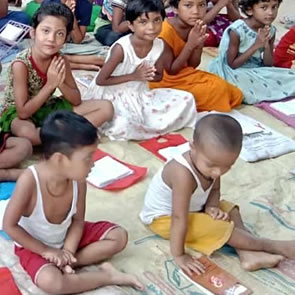
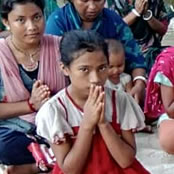
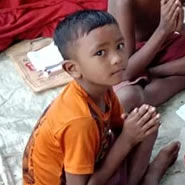
Every distribution event is photographically documented, with images shared publicly through Lotus Ministry Trust's website and social media channels. This creates a visible, timestamped record of each program delivery. Beyond documentation, the organization actively solicits feedback from community leaders and recipients after each event — identifying gaps, flagging logistical issues, and adjusting targeting criteria based on what's actually happening on the ground. This feedback loop is what separates a program that improves over time from one that repeats the same mistakes at scale.
Beyond Food: The Full Scope of Lotus Ministry's Aid Packages
Kichri charity distribution is the most visible part of what Lotus Ministry Trust does, but it's far from the whole picture. The organization recognized early on that a family facing food insecurity is rarely facing food insecurity alone. Hunger tends to arrive alongside cold, inadequate clothing, disrupted schooling, and a complete breakdown of household stability. Addressing only one of those problems while ignoring the others produces temporary relief, not meaningful recovery.
This understanding shaped Lotus Ministry Trust's broader aid model. Distribution events are designed as multi-layered support touchpoints — moments where a family receives not just a meal, but a package of resources calibrated to their most pressing needs at that time of year.
During winter months, that means blankets and warm clothing arrive alongside kichri ingredients. During the academic calendar, educational materials may be distributed to children in attendance.

Lotus Ministry Trust Brings Humanitarian Relief
Non-Food Items Distributed Alongside Kichri Charity
Lotus Ministry Trust's non-food distributions have included blankets, warm clothing, hygiene supplies, and basic household necessities depending on the season and the specific crisis driving the distribution event. These items are sourced with the same local procurement preference applied to food ingredients — keeping supply chains short, costs low, and community economic impact high. The combination of food and non-food relief in a single distribution event also reduces the logistical burden on recipient families, many of whom have no reliable transportation and cannot easily attend multiple separate aid events.
Educational Components Delivered During Distribution Events
Distribution gatherings bring community members together in one place at one time — an opportunity that Lotus Ministry Trust uses deliberately. During these events, volunteers and community leaders share information on topics including nutrition, hygiene, agricultural practices, and available government support programs. This knowledge transfer costs almost nothing to deliver but creates a lasting impact that extends well beyond the food itself. A mother who learns about oral rehydration therapy during a kichri charity distribution may use that knowledge months later during a diarrheal illness — saving a child's life with information, not just food.
From Emergency Relief to Long-Term Food Security
Emergency food relief is a bridge, not a destination. Lotus Ministry Trust is clear-eyed about this. Their ultimate goal is not to create communities that depend on kichri Charity distributions indefinitely — it's to stabilize families during acute crises while simultaneously building the conditions that make future crises less catastrophic.
How the Transition Away From Aid Dependency Is Planned
Lotus Ministry Trust's pathway from emergency relief to sustainable food security runs through three interconnected phases. The first phase is stabilization — getting food to families quickly enough to prevent severe malnutrition and household collapse. The second is capacity building — using the relationships and community trust built during distributions to introduce skills, resources, and knowledge that increase household resilience. The third is transition — gradually reducing direct food aid in communities where household food security indicators have improved, redirecting those resources toward newly identified high-need areas.
Phase 1 – Stabilization: Rapid kichri charity distribution to prevent acute malnutrition during flood seasons, harvest failures, and economic shocks.
Phase 2 – Capacity Building: Agricultural training, nutritional education, and linkages to government safety net programs delivered during and after distribution events.
Phase 3 – Transition: Systematic reduction of direct aid in recovering communities, with resources redirected to newly identified high-need districts.
This phased model requires patience and long-term funding commitments — two things that are genuinely difficult to secure in the charity sector, where donors often respond to immediate crises rather than multi-year recovery strategies. Lotus Ministry Trust navigates this by maintaining transparent communication with their donor base about where specific communities sit within the recovery timeline.
In Nilphamari district, where recurring floods had created chronic food insecurity across multiple villages, consistent kichri charity distributions over two years created the stability needed for community members to re-engage with small-scale agriculture. That agricultural re-engagement is exactly the kind of outcome the transition phase is designed to produce — not dependency on the next distribution, but the quiet rebuilding of a family's ability to feed itself.
Community Ownership as the End Goal of Every Program
The most sustainable food security programs are the ones that eventually make themselves unnecessary. Lotus Ministry Trust builds community ownership into every stage of their operations — not as an afterthought, but as a deliberate design principle. Local leaders don't just assist with distributions; they are trained to identify vulnerable households, manage logistics, and eventually coordinate localized support networks that can function independently of external funding.
This commitment to community ownership is what separates Lotus Ministry Trust from organizations that cycle through crisis regions without leaving lasting change. When a Lotus Ministry distribution program winds down in a recovering village, it doesn't leave a vacuum — it leaves a network of trained community members, established relationships with local government services, and households that have regained enough stability to begin supporting one another. That is the real measure of the program's success.
How to Support the Lotus Ministry Trust Kichri Charity Network

You Can Help Lotus Ministry Deliver Nutrisious Meals In Bangladesh
Supporting Lotus Ministry Trust is straightforward. Financial donations can be made directly through their GoFundMe campaign or through their official website at lotus-ministry.org. Every contribution — regardless of size — feeds directly into kichri procurement, distribution logistics, and the non-food relief packages that accompany each event. For donors who want to understand exactly where their money goes before giving, Lotus Ministry Trust's public financial reporting provides that transparency. You can also raise awareness by sharing their documented distribution stories on social media, which costs nothing but expands the donor network that keeps the program running.
Frequently Asked Questions
Below are answers to the most common questions about how Lotus Ministry Trust's kichri charity distribution network operates, who it serves, and how donations are managed. These reflect the organization's current programs and may be updated as operations expand.
How does Lotus Ministry Trust verify that aid reaches the right families?
Lotus Ministry Trust uses a multi-layered community-based targeting system. Giving priority to households with young children, pregnant women, elderly members, or disabled individuals.
All distributions are publicly announced within the community, conducted with local leader oversight, and photographically documented. This creates one of the most accountable targeting systems operating at this scale in rural Bangladesh.
What percentage of donations go directly to food relief?
Almost 90% of every donation received by Lotus Ministry Trust goes directly to food procurement and distribution costs. Administrative expenses are kept well below 12% of total expenditures — a ratio that is significantly leaner than the 15% to 25% administrative benchmark typical of well-run international humanitarian organizations. This efficiency is achieved through the organization's reliance on local volunteer networks, local supply chain procurement, and a lean central operations model.
Can I volunteer remotely with Lotus Ministry Trust?
Yes. Lotus Ministry Trust welcomes remote volunteers who can contribute to communications, fundraising support, social media awareness, and donor engagement. Remote volunteers play a meaningful role in expanding the organization's reach and sustaining the funding pipeline that keeps distributions running. Contact Lotus Ministry Trust directly through their official website to inquire about current remote volunteering opportunities and how your specific skills can be put to use.
What communities does the Kichri Charity distribution network currently serve?
Lotus Ministry Trust's kichri charity distribution network currently operates across five districts in northern Bangladesh: Kurigram, Lalmonirhat, Nilphamari, Rangpur, and Gaibandha. These districts were selected based on food insecurity rates, flood vulnerability, and the absence of consistent coverage from larger international aid organizations.
Within these districts, the network prioritizes char land communities — the river island and floodplain settlements that are seasonally isolated and structurally underserved by government and NGO programs alike. Nilphamari district, for example, has been a focus area where two consecutive years of targeted kichri charity distribution contributed to measurable household stabilization and a return to small-scale agricultural activity among recipient families.
As funding grows, Lotus Ministry Trust's distribution model is designed to scale into adjacent high-need areas using the same community partnership framework already proven in current operating districts. Donors who wish to direct their contribution toward a specific district or program type can indicate that preference when donating.
How is Kichri Charity different from standard emergency food rations?
Standard emergency food rations — the kind distributed by large international relief agencies — are typically designed for universal applicability across multiple countries and cultural contexts. That means they often arrive as unfamiliar products: compressed energy bars, fortified biscuits, or grain varieties that require preparation methods recipients don't recognize. While nutritionally adequate, these rations can generate low uptake, food waste, and a subtle but real erosion of recipient dignity.
Kichri is the opposite of that model. It is a dish that Bangladeshi families have cooked for generations. Recipients don't need instructions on how to prepare it, don't need specialized equipment, and don't need to adjust their expectations about what a meal looks like. That cultural familiarity is not a minor detail — it's a meaningful factor in whether food aid actually gets eaten, especially by young children and elderly recipients who may refuse unfamiliar foods during periods of stress.
From a nutritional standpoint, kichri delivers a balanced combination of complex carbohydrates from rice and plant-based protein and iron from lentils — a macro profile that supports sustained energy and basic physiological function during caloric deficits. When prepared with turmeric, mustard oil, onion, and garlic, as is traditional, it also delivers anti-inflammatory micronutrients that benefit recipients dealing with the physical stress of displacement or hunger. Learn more about the impact of these ingredients in our life-saving food aid solutions.
The locally-sourced ingredient model used by Lotus Ministry Trust adds another layer of advantage. Because rice and lentils are procured from Bangladeshi suppliers rather than imported, the kichri charity program injects money back into local agricultural economies while keeping supply chains short and distribution timelines predictable. A disruption in international shipping has zero effect on a supply chain that never leaves the country.





Comments