
Lotus Ministry's Kichri Aid
- Jeffrey Dunan
- Dec 30, 2025
- 14 min read

Key Takeaways
Lotus Ministry's Kichri Aid program provides essential nutrition to thousands of hungry Bangladeshis through a balanced, easy-to-digest traditional meal.
Kichri combines rice and lentils to create a complete protein source, making it an ideal solution for addressing malnutrition in emergency situations.
Each $10 donation to Lotus Ministry can provide up to 30 nutritious kichri meals to families in crisis.
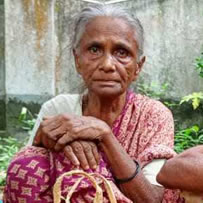
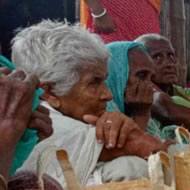
The program reaches remote villages often overlooked by larger aid organizations, focusing on vulnerable populations including children and the elderly.
Beyond immediate hunger relief, Lotus Ministry's approach includes teaching sustainable food preparation skills to foster long-term community resilience.
Nourishing Communities: Lotus Ministry's Kichri Aid Program
Hunger doesn't wait, and neither does Lotus Ministry. In Bangladesh's most vulnerable communities, this organization is revolutionizing food aid through the power of a simple, traditional dish - kichri. A nutritional powerhouse combining rice, lentils, and healing spices, kichri has become the cornerstone of Lotus Ministry's approach to addressing severe food insecurity while honoring cultural traditions.
Lotus Ministry has transformed the ancient healing meal of kichri into a systematic food relief program reaching thousands of hungry Bangladeshis each month. Unlike conventional food aid that often distributes unfamiliar processed foods, the Kichri Aid initiative provides culturally appropriate, easily digestible nutrition that requires minimal cooking resources. The organization's grassroots approach enables them to reach remote villages and populations that larger NGOs frequently overlook.
When emergency situations strike – whether flooding, cyclones, or economic crises – Lotus Ministry's network of local volunteers can rapidly mobilize community kitchens to serve hot, fresh kichri to those most affected. Their innovative approach means the same funds that might provide a single Western-style meal can instead deliver multiple days of balanced nutrition through kichri.
The Hunger Crisis Lotus Ministry Addresses
Bangladesh stands at a critical crossroads of food insecurity despite significant progress in recent decades. With over 160 million people living in an area roughly the size of Iowa, the country faces immense challenges in feeding its growing population. Climate change has only intensified these struggles, with increasingly unpredictable monsoons, devastating cyclones, and rising sea levels threatening agricultural production and displacing vulnerable communities.
Over 40 million Bangladeshis are classified as food insecure
Approximately 36% of children under five suffer from stunting due to chronic malnutrition
Nearly 30% of the population lacks access to basic healthcare facilities
Rural communities face higher rates of food insecurity than urban areas
Climate disasters displace hundreds of thousands annually, creating acute food emergencies
The compounding effects of poverty, environmental degradation, and population density create perfect conditions for persistent hunger. When disaster strikes, already fragile food systems collapse entirely. It's in these moments of crisis that Lotus Ministry's Kichri Aid program proves most critical, providing immediate nutritional support while larger recovery efforts mobilize.
Current Food Insecurity Statistics in Bangladesh
Bangladesh's food security situation represents a paradox of progress and persistent challenges. Despite significant economic growth averaging 6-7% annually for the past decade, food insecurity remains stubbornly high across much of the country. According to recent data, approximately 25% of the population remains undernourished, with rural areas experiencing rates as high as 35-40%. Micronutrient deficiencies are particularly prevalent, with over 70% of children in some districts showing signs of vitamin A deficiency and 40% of women of reproductive age suffering from anemia. These statistics highlight why Lotus Ministry's nutrient-dense kichri serves as such a vital intervention.
Vulnerable Populations Most Affected
The burden of hunger in Bangladesh falls disproportionately on specific vulnerable groups. Children under five, pregnant women, the elderly, and those with disabilities face the highest risks of malnutrition and its devastating consequences. In rural areas, where Lotus Ministry concentrates much of its work, indigenous communities and those from lower castes experience food insecurity rates nearly double the national average. Seasonal agricultural workers are particularly vulnerable during lean periods between harvests, when income disappears but food needs remain constant. Lotus Ministry specifically targets these populations, establishing distribution networks that prioritize delivering kichri to those least likely to access other forms of assistance.
Why Traditional Aid Sometimes Falls Short
"The conventional food aid model often fails to account for local food preferences, digestibility issues for malnourished individuals, and the practical realities of food preparation during crises. Western-style packaged foods may provide calories but often lack the balanced nutrition and cultural acceptability of traditional healing foods like kichri." - Lotus Ministry Field Report, 2022
Traditional food aid approaches frequently miss the mark in meeting immediate needs while respecting local food cultures. Large shipments of imported grains often arrive weeks after an emergency begins, require significant resources to cook properly, and may contain ingredients unfamiliar to recipient populations. Distribution systems favor those with transportation access, leaving remote villages without assistance. By contrast, Lotus Ministry's localized kichri preparation uses ingredients available in local markets, can be cooked with minimal fuel, and delivers complete nutrition in a culturally familiar form that even the most vulnerable can digest and absorb.
When comparing aid effectiveness, the numbers tell a compelling story. A standard international food parcel costs approximately $25-35 to deliver and provides 3-5 days of nutrition for a family of four. For the same investment, Lotus Ministry can provide 7-10 days of kichri meals, while simultaneously supporting local food economies and building community resilience through skills transfer and participatory preparation methods.
What Makes Kichri the Ideal Food Aid Solution
Kichri stands apart from conventional emergency food options through its unique combination
of nutritional efficiency, cultural familiarity, and practical advantages. This ancient healing dish creates a complete protein profile when rice and lentils combine, addressing immediate caloric needs while supporting longer-term recovery from malnutrition. Its soft, easily digestible consistency makes it appropriate for all age groups, from infants to the elderly.
Unlike processed emergency rations that often require explanation and adaptation, kichri represents a familiar comfort food throughout Bangladesh. This cultural acceptance eliminates resistance and ensures high utilization rates when supplies are distributed. The psychological comfort of receiving a traditional healing food rather than unfamiliar foreign products cannot be underestimated during times of crisis and displacement.
Nutritional Profile and Complete Protein Benefits
The brilliance of kichri lies in its nutritional completeness achieved through simple ingredients. When rice and lentils combine, they create a complementary amino acid profile that forms a complete protein - something neither ingredient provides alone. This makes kichri particularly valuable in resource-limited settings where animal proteins may be unavailable or unaffordable. A typical serving provides approximately 12-15 grams of protein, 45-50 grams of complex carbohydrates, and 5-7 grams of dietary fiber.
Lotus Ministry enhances their kichri recipe with key micronutrient additions targeting common deficiencies in the Bangladeshi population. Small amounts of iron-rich spinach, vitamin A-rich carrots, and zinc-containing pumpkin seeds transform basic kichri into a comprehensive nutritional intervention. The addition of turmeric, cumin, and ginger not only enhances flavor but contributes anti-inflammatory compounds that support immune function in vulnerable populations.
"A single serving of our enhanced kichri provides approximately 30% of daily protein requirements, 25% of essential micronutrients, and 35% of dietary fiber needs - all in a form that requires minimal digestive effort. This makes it particularly valuable for those already suffering from malnutrition, who often cannot effectively digest or absorb more complex foods." - Lotus Ministry Nutrition Report, 2023
Cost-Effectiveness as Emergency Food
The economic efficiency of kichri as emergency food aid creates a compelling case for its expanded use. Lotus Ministry's analysis shows that each nutritionally complete serving costs approximately $0.30-0.40 to produce when ingredients are locally sourced, compared to $1.20-1.50 for imported emergency ration packets with comparable nutritional profiles. This cost advantage allows limited aid budgets to reach significantly more beneficiaries while simultaneously supporting local food economies rather than foreign suppliers.
Beyond the direct cost savings, kichri's preparation process generates additional economic benefits within affected communities. Local cooks hired to prepare communal meals receive fair compensation, creating income opportunities precisely when other employment may have disappeared. The simplified supply chain - requiring only basic, shelf-stable ingredients readily available in local markets - eliminates the complex logistics and environmental impact associated with shipping specialized emergency foods internationally.
Cultural Acceptance and Familiarity

In the aftermath of disaster, familiar foods provide not just physical nourishment but emotional comfort. Kichri holds a special place in Bangladeshi culture as both everyday sustenance and healing food, traditionally given to the sick, elderly, and young children. This cultural positioning makes it uniquely accepted during crisis situations when unfamiliar food aid items might face resistance or improper preparation. Recipients immediately understand how to consume it, appropriate portion sizes, and its intended benefits - eliminating the need for nutrition education during acute emergencies.
Simple Preparation with Minimal Resources
Crisis situations often destroy cooking infrastructure and limit access to fuel, making food preparation itself a significant challenge. Kichri's adaptability to minimal cooking conditions proves invaluable in these scenarios. The one-pot meal requires only basic heating, can be prepared in large quantities with limited oversight, and maintains nutritional quality even when cooking conditions are less than ideal. Its forgiving nature means even those with limited cooking experience can successfully prepare it, an important consideration when traditional food preparers may be unavailable due to injury, displacement, or other emergency responsibilities.
How Lotus Ministry Distributes Kichri Aid
Local Volunteer Network and Distribution Methods
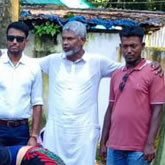
At the heart of Lotus Ministry's effective kichri distribution lies a carefully cultivated network of local volunteers with deep community connections. Rather than parachuting in external workers, the organization identifies and trains trusted community members who understand local needs, vulnerabilities, and cultural nuances. These volunteers - often teachers, healthcare workers, or religious leaders - maintain constantly updated vulnerability maps identifying households most at risk during emergencies. When crisis strikes, this pre-existing network can mobilize within hours rather than the days or weeks typical of larger international responses.
Distribution Model | Advantages | Typical Scenarios |
Community Kitchens | Centralized quality control, hot meals, community gathering space | Urban areas, temporary shelters, school settings |
Home Delivery | Reaches homebound individuals, maintains dignity, accommodates special needs | Elderly beneficiaries, disabled individuals, mothers with newborns |
Ingredient Distribution | Empowers families, stretches resources, supports self-sufficiency | Areas with intact cooking facilities, longer-term assistance |
Distribution methods adapt to specific emergency contexts and community needs. In densely populated urban areas facing acute crisis, centralized community kitchens serve hot kichri meals directly. For scattered rural communities, Lotus Ministry employs a hub-and-spoke model, preparing large quantities at central locations then dispatching volunteer teams with insulated containers to reach isolated households. In situations where cooking facilities remain functional but food access is limited, the organization distributes pre-measured ingredient kits with simple pictorial instructions, enabling families to prepare their own kichri while stretching limited resources.
To ensure the most vulnerable don't fall through the cracks, Lotus Ministry implements a robust beneficiary identification system combining community input with objective vulnerability criteria. Special attention goes to child-headed households, pregnant or lactating women, the elderly without family support, and those with disabilities or chronic illnesses. Distribution timing accommodates women's safety concerns, religious observances, and agricultural work schedules to maximize accessibility for all community members.
Community Kitchen Operations
Lotus Ministry's community kitchens represent marvels of efficiency in crisis response, capable of scaling from feeding dozens to thousands within a 24-hour period. Each kitchen establishes strict hygiene protocols despite challenging conditions, with dedicated stations for ingredient preparation, cooking, serving, and cleaning. The organization maintains pre-positioned equipment kits containing large cooking vessels, serving utensils, portable stoves, and water purification systems that can be rapidly deployed to affected areas. By employing local cooks familiar with traditional kichri preparation techniques, they ensure consistent quality while providing valuable employment in crisis-affected communities where other income opportunities may have vanished.
Reaching Remote Villages and Underserved Areas
The true differentiator in Lotus Ministry's approach lies in their commitment to reaching communities typically overlooked by larger aid operations. Using a combination of local knowledge, geographic information systems, and creative transportation solutions, they navigate to villages accessible only by boat during flood seasons or via narrow footpaths through challenging terrain. In some regions, the organization maintains pre-positioned ingredient stockpiles in waterproof containers at strategic locations, enabling rapid response when roads become impassable. This focus on "last mile" delivery ensures aid reaches those most vulnerable rather than just those most accessible - a persistent challenge in conventional humanitarian response operations that often prioritize logistical ease over comprehensive coverage.
5 Key Health Benefits of Kichri for Malnourished Communities
Beyond merely alleviating hunger, properly prepared kichri delivers specific therapeutic benefits that address common health challenges in disaster-affected and chronically undernourished populations. The dish's healing properties have been recognized in Ayurvedic medicine for centuries, with modern nutritional science now validating these traditional understandings. Lotus Ministry has refined their kichri recipe to maximize these health benefits while maintaining cultural authenticity and acceptability.
For communities experiencing the compounding effects of food insecurity and limited healthcare access, kichri provides more than just calories - it delivers a gentle, healing intervention that supports recovery from malnutrition-related conditions. The following benefits make it particularly valuable in the vulnerable populations Lotus Ministry serves throughout Bangladesh.
The Sustainable Approach to Food Relief
Lotus Ministry's approach to food aid extends far beyond immediate hunger relief. While emergency kichri distribution addresses urgent needs, the organization simultaneously implements programs designed to build long-term food security and community resilience. This dual-focus strategy recognizes that sustainable solutions must replace perpetual dependency cycles if lasting change is to occur in Bangladesh's most vulnerable communities.
At the core of this philosophy is the belief that traditional knowledge systems contain powerful solutions to contemporary challenges. Kichri exemplifies this principle - an ancient recipe that efficiently addresses modern nutritional deficiencies while respecting cultural practices and environmental constraints. By revitalizing and sharing this knowledge, Lotus Ministry helps communities rediscover self-reliance tools that were being lost to urbanization and changing food systems.
"We've witnessed remarkable transformations when communities reconnect with traditional food wisdom. These aren't just recipes - they're sophisticated nutritional systems developed over generations to maximize health with minimal resources. Our role isn't to bring new solutions but to help preserve and amplify existing knowledge that's been pushed aside by modern food systems." - Lotus Ministry Director of Sustainable Development
Implementation follows a three-phase model beginning with emergency relief, transitioning to skills development, and culminating in community-led food security initiatives. This graduated approach ensures continuous support throughout recovery while steadily transferring ownership and decision-making to local community members. Throughout all phases, kichri remains central - first as direct aid, then as a teaching tool for nutritional principles, and finally as one component of revitalized local food traditions.
Impact assessments show this approach creates lasting change. Communities that have completed all three program phases demonstrate 60-70% lower rates of childhood malnutrition than comparable villages receiving only conventional food aid. Perhaps more significantly, these communities show greater resilience during subsequent crises, requiring less external support and recovering more quickly.
Teaching Self-Sufficiency Through Kichri Preparation
Knowledge transfer forms the bridge between emergency relief and sustainable food security in Lotus Ministry's program model. Once immediate hunger crises stabilize, community cooking workshops introduce the nutritional principles behind kichri - balanced proteins, micronutrient optimization, and appropriate preparation techniques for maximum digestibility.
These participatory sessions emphasize adaptability, teaching participants how to maintain nutritional balance even when specific ingredients are unavailable or unaffordable. Particular attention goes to female heads of households and adolescent girls, acknowledging their critical role in family nutrition while creating safe spaces for knowledge sharing between generations of women whose traditional gathering opportunities have diminished with modernization.
Environmental Benefits of Plant-Based Aid
The environmental footprint of food aid rarely receives adequate consideration, yet it significantly impacts long-term community resilience. Lotus Ministry's plant-based kichri program requires approximately 80% less water, 90% less fuel, and generates 75% less carbon emissions compared to animal protein-based food aid programs of equivalent nutritional value. This efficiency becomes particularly crucial in disaster-affected areas already experiencing environmental stress and resource limitations.
By sourcing ingredients locally whenever possible, the organization further reduces transportation-related environmental impacts while supporting regional agricultural systems. During recovery phases, Lotus Ministry incorporates environmental education alongside food preparation training, highlighting traditional agricultural practices that naturally build climate resilience through crop diversity, water conservation, and soil management techniques. These ecological benefits demonstrate how thoughtfully designed food aid can simultaneously address immediate needs while protecting environmental resources necessary for future food security.
Long-Term Food Security Initiatives
The final phase of Lotus Ministry's approach transitions communities from recipients to leaders in their own food security journey. Through seed saving programs, small-scale agricultural initiatives, and community food preservation projects, participants develop comprehensive food systems that reduce vulnerability to future crises. Women who initially received kichri aid often become program leaders, establishing community kitchens that serve vulnerable neighbors during difficult seasons while training the next generation in nutritional knowledge.
These initiatives deliberately incorporate traditional ecological knowledge alongside contemporary sustainable agriculture practices. By documenting and celebrating indigenous food varieties, preparation methods, and preservation techniques specific to Bangladesh's diverse regions, Lotus Ministry helps communities reclaim cultural food heritage that provides both nutritional security and cultural continuity. The most successful communities eventually become regional training centers, hosting participants from nearby villages in a neighbor-to-neighbor knowledge exchange model that amplifies impact beyond direct program participants.
How You Can Support Lotus Ministry's Kichri Aid

You Can Contribute To Lotus Ministry's Kichri Aid Without Leaving Your Home
Your contribution to Lotus Ministry's Kichri Aid program delivers immediate nutrition while supporting lasting food security solutions. A donation of just $30 provides emergency kichri meals for a family of five for an entire month, while larger gifts fund training programs that transform aid recipients into community nutrition leaders. Visit www.lotus-ministry.org/kichri-aid to discover how your support can help nourish Bangladesh's most vulnerable communities through the healing power of traditional foods.
Frequently Asked Questions
Lotus Ministry regularly receives questions about their unique approach to food aid through traditional recipes. The following answers address common inquiries about the Kichri Aid program's implementation, effectiveness, and supporting evidence. For additional questions or to arrange a more detailed briefing for potential partners, the organization welcomes direct communication through their website contact form.
These FAQs reflect both practical operational concerns and deeper questions about the philosophy behind choosing traditional food systems as the foundation for modern humanitarian response. The answers highlight Lotus Ministry's commitment to evidence-based approaches while honoring the cultural wisdom embedded in Bangladesh's food traditions.
How many meals can Lotus Ministry provide with a $10 donation?
A $10 donation enables Lotus Ministry to provide approximately 25-30 individual kichri meals, feeding a family of five for nearly a week during crisis situations. This exceptional efficiency stems from local ingredient sourcing, volunteer participation, and the inherent cost-effectiveness of plant-based nutrition. The organization maintains rigorously transparent financial reporting, with 92% of all donations directly funding food and program costs rather than administrative expenses or fundraising activities.
The cost-per-meal varies slightly depending on regional food prices, seasonal availability, and distribution challenges. Remote areas requiring boat or animal transport naturally incur higher delivery costs, while urban distributions achieve greater economies of scale. Lotus Ministry prioritizes transparency in their impact reporting, providing donors with regular updates on meals delivered and cost efficiency metrics. For organizational sustainability, the remaining 8% of donations support essential operations, monitoring and evaluation systems, and capacity building for local volunteers - investments that ultimately enhance program effectiveness and reach. Discover more about their efforts in this guide to Kichri health benefits and nutritional value.
Does Lotus Ministry work with local farmers in Bangladesh?
Absolutely - local agricultural partnership forms a cornerstone of Lotus Ministry's sustainable approach. Whenever possible, the organization purchases rice, lentils, and vegetables directly from small-scale Bangladeshi farmers, creating economic opportunity while reducing transportation costs and environmental impacts. During non-emergency periods, Lotus Ministry establishes advance purchase agreements with farmer cooperatives, providing guaranteed markets and fair prices that enable agricultural investment and planning. This approach creates a virtuous cycle where food aid simultaneously addresses immediate hunger while strengthening local food systems that prevent future food insecurity. For more on the benefits of their efforts, explore the nutritional value of Kichri.
Beyond simple purchasing relationships, Lotus Ministry actively supports ecological farming practices through training and seed-saving initiatives. By preserving indigenous crop varieties particularly suited to Bangladesh's diverse growing conditions, these partnerships enhance biodiversity while reducing dependency on expensive imported seeds and agricultural chemicals. The organization particularly prioritizes women farmers, who often face greater barriers to market access despite producing a significant portion of Bangladesh's food supply. This gender-conscious approach recognizes that strengthening women's agricultural knowledge and economic position correlates directly with improved household nutrition and childhood development outcomes.
Can kichri meet the nutritional needs of children and pregnant women?
Kichri provides exceptionally appropriate nutrition for vulnerable populations including children and pregnant women. Its soft texture and easy digestibility make it suitable even for young children, while the balanced amino acid profile supports the increased protein requirements of pregnancy. Lotus Ministry enhances their basic kichri recipe with additional iron-rich ingredients specifically targeting maternal anemia prevention, a significant contributor to both maternal mortality and low birth weight in Bangladesh. For children under five, the organization's formulation includes carefully calculated micronutrient levels to address common deficiencies that impact cognitive and physical development during critical growth periods.
How does Lotus Ministry ensure their food aid reaches those most in need?
Lotus Ministry employs a multi-layered targeting system that combines community knowledge with objective vulnerability criteria. Before beginning distributions in any area, local volunteers conduct participatory mapping exercises identifying households meeting specific vulnerability indicators - female-headed households, families with children under five, elderly individuals without family support, persons with disabilities, and those who have lost livelihoods due to disaster. These community assessments undergo verification through spot-checks and independent evaluation to prevent favoritism or exclusion of marginalized groups.
Distribution planning incorporates cultural and practical considerations that might otherwise create barriers to access. For example, separate distribution times may be established for women who face mobility or social constraints, while home delivery serves those physically unable to reach central distribution points. The organization employs both female and male distribution staff to ensure cultural appropriateness across diverse communities, with particular attention to religious and social norms that might impact women's ability to receive assistance. Regular post-distribution monitoring and anonymous feedback mechanisms help identify and address any gaps in coverage or challenges in the distribution system.
By combining technical expertise with deep community engagement, Lotus Ministry has developed a food aid system that reaches the most vulnerable while respecting dignity and building long-term resilience. Their kichri program demonstrates how traditional healing foods can provide not just immediate nourishment but pathways to sustainable food security for communities facing the complex challenges of poverty, climate change, and displacement.







Comments