
What is Prasadam & Why It's the Best Choice For Sweet Treats

One bite of real prasadam and you'll understand why millions of people consider it far more than a sweet treat.
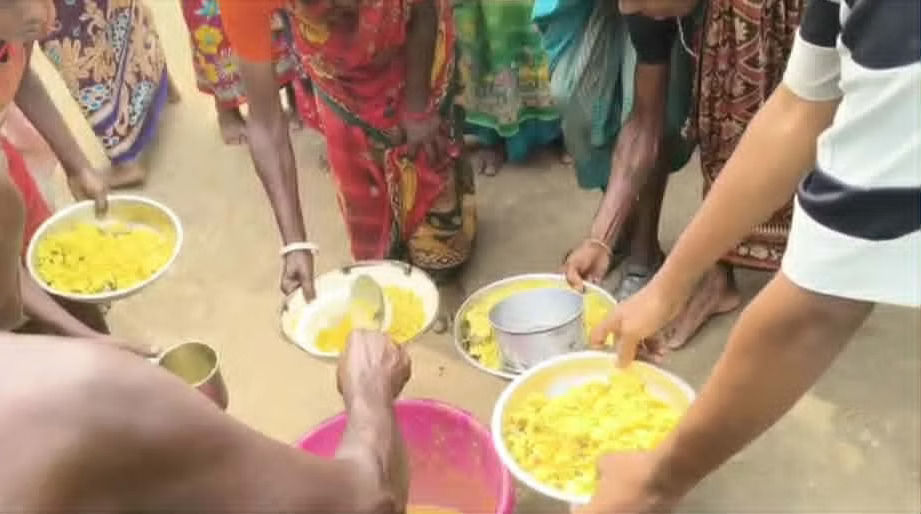
Generous Offerings Result In Happy Faces

Support Lotus Ministry Directly Through The Founders' PayPal

Key Takeaways
Prasadam is food offered to Krishna that becomes spiritually transformed, carrying mercy and blessings beyond ordinary nutrition
Traditional sweets like laddus and pedas gain their power not from fancy ingredients but from the love and devotion poured into making them
Brands like Thakur Prasadam preserve centuries-old recipes using pure, sattvic ingredients without onions, garlic, or artificial additives
Many prasadam sweets offer real nutritional benefits, from Vitamin C in Amla Murabba to calcium and iron in sesame-based treats
Keep reading to discover why Srila Prabhupada called prasadam "ecstatic nectar" and how it connects directly to spiritual liberation
Walk into any Krishna temple on a festival day and you'll notice something curious: people aren't just eating sweets, they're receiving them like gifts. That distinction matters more than most people realize. Prasadam isn't a snack you grab on the way out the door—it's considered a direct channel of grace, and understanding why changes how you look at every laddu, peda, and barfi that crosses your plate.
Prasadam Is Krishna's Mercy, Not Just Dessert
Walk past any serious devotee and ask what prasadam means, and you'll get the same answer every time: mercy. That's the literal translation, and it's not poetic exaggeration. The word carries theological weight because the food itself is believed to carry something beyond flavor or nutrition.
The Literal Meaning of "Mercy"
In Sanskrit tradition, prasadam refers specifically to food that has first been offered to the Deity before anyone else touches it. This isn't a minor ritual detail—it's the entire point. The offering transforms what would otherwise be ordinary rice, milk, or sugar into something sacred, something given back to devotees as a form of divine grace rather than mere sustenance.
This is why you'll hear devotees describe prasadam as a gift rather than a meal. The food becomes a two-way exchange: devotees offer their best ingredients and effort, and in return, they receive something spiritually charged back.
How Ordinary Food Becomes Spiritual Nectar
Here's where the theology gets interesting. According to Krishna conscious teaching, once food is offered with sincerity, it becomes nondifferent from Krishna Himself. That's not a metaphor devotees use loosely—it's a core belief that shapes everything from how prasadam is prepared to how it's consumed.
The transformation isn't about chemistry or magic tricks. It's about intention. Food offered in genuine devotion is believed to nourish three things simultaneously: the body, the mind, and the soul. That's a tall claim for a plate of sweets, but it's precisely why prasadam occupies such a central place in spiritual practice rather than being treated as an afterthought.
The Spiritual Power Packed Into Every Bite
Once you understand prasadam as mercy rather than mere food, its claimed benefits start making more sense. Devotees don't just eat prasadam because it tastes good—though it usually does. They eat it because of what it's believed to do beyond the dinner table.
Protection From Material Contamination
Traditional teaching holds that prasadam effectively immunizes a person against what's called the contamination of material nature. Think of material nature as the pull of ego, attachment, and distraction that keeps people spiritually stuck. Prasadam is believed to counteract that pull, bite by bite, offering a kind of spiritual armor against distractions that would otherwise dominate daily life.
Freedom From Becoming a Ghost After Death
One of the more striking claims tied to prasadam involves what happens after death. Teachings state that those who regularly honor prasadam are freed from becoming a ghost in the afterlife—a belief tied to the idea that unresolved material attachment, including unfulfilled desires around food and sense gratification, can trap a soul after the body dies. Regular prasadam consumption is seen as breaking that cycle before it starts.
Whether or not you take these claims literally, the underlying message is consistent: prasadam does more than fill a stomach. It's positioned as a tool for long-term spiritual security, not just momentary pleasure.
The Path to Krishna-Prema, Pure Love of God
The ultimate goal behind all of this isn't protection or prevention—it's connection. Prasadam is believed capable of bestowing krishna-prema, or pure love of God, on anyone who partakes with sincerity. That's a remarkable claim for food, but it fits the broader philosophy: devotion expressed through cooking and offering becomes devotion received through eating.
Why Love Is the Real Secret Ingredient

Give Your Love
Help Lotus Ministry Trust
Support Lotus Ministry Directly Through The Founders' PayPal
Ask any devotee what makes prasadam work, and the answer rarely involves specific spices or cooking techniques. Instead, they'll point to something far less tangible but far more important.
The secret, according to tradition, is love. Krishna is said to be attracted not by elaborate recipes or expensive ingredients but by the humility and love a devotee brings to the offering. This single principle reshapes how prasadam should be understood:
A simple leaf, piece of fruit, or cup of water offered in genuine devotion is accepted by Krishna just as readily as an elaborate feast
The poorest person, without any special qualification or resources, can offer something meaningful through sincerity alone
Expensive ingredients mean nothing if the offering lacks heartfelt devotion behind it
The "spice" that makes an offering acceptable isn't found in any kitchen cabinet—it's an internal quality the cook brings to the process
This explains why prasadam preparation often involves more ritual care and intention than commercial sweet-making ever would. The cook isn't just following a recipe; they're participating in an act of worship.
Krishna Values Humility Over Grand Offerings
This principle levels the playing field in a profound way. It means a humble household offering a small plate of rice can carry the same spiritual weight as a temple's grand festival spread, provided the love behind it is equally sincere. Krishna consciousness teaching repeatedly emphasizes that genuine humility trumps wealth or culinary skill every time.
Why No One Eats Before the Lord Does
This respect for order and devotion shows up historically too. Lord Chaitanya, a central figure in this tradition, was known to be deeply concerned that prasadam be served as nicely as possible to devotees. He often served food himself, and tradition holds that no one would begin eating until He had started first. That sequence wasn't about etiquette for its own sake—it reflected a hierarchy of devotion, where honoring the divine always came before personal appetite.
Srila Prabhupada and the "Kitchen Religion"
No discussion of prasadam is complete without mentioning Srila Prabhupada, the founder of the Krishna consciousness movement in the West. His approach to prasadam was so central to his teaching method that the movement itself picked up an informal nickname.
The Sunday Love Feast That Started a Movement
In the earliest days of ISKCON, Prabhupada personally cooked and distributed what became known as the Sunday "love feast." This wasn't a side activity to his teaching—it was teaching, delivered through food rather than lecture alone. Newcomers who might never sit through a philosophy class would show up for the feast, and in doing so, encountered Krishna consciousness through taste and generosity rather than abstract doctrine.
This approach proved so effective that the movement earned the nickname "the kitchen religion," a label that stuck because it captured something true: for many people, their first real connection to this spiritual path came through a plate of food, not a sermon.
"We Are Eating Our Way Back to Godhead"
Prabhupada himself summarized this philosophy with a phrase that's become iconic among devotees: "We are eating our way back to Godhead!" It's a bold statement, but it reflects the sincere belief that eating prasadam isn't separate from spiritual progress—it is spiritual progress, one bite at a time.
He didn't just preach this idea abstractly, either. Prabhupada famously kept a jar of syrupy gulabjamuns on hand for any of his spiritual children who visited him, treating the sweets themselves as tools for connection and care. Those gulabjamuns eventually earned their own nickname among devotees: "ISKCON bullets," tasty weapons against the illusions of material life. It's a playful title, but it reflects a serious belief—that something as simple as a sweet, when offered correctly, carries real spiritual force.
No One Within Ten Miles Should Go Hungry
Prabhupada's commitment to feeding people extended far beyond philosophy. After a massive festival in Mayapur, West Bengal, he made a declaration that devotees still quote today: no one within ten miles of an ISKCON temple should ever go hungry. That wasn't a casual remark—it became an operating principle for temples worldwide.
In 1977, while visiting Vrindavana, Prabhupada reportedly stopped mid-conversation to ask a simple but telling question: "Are the devotees getting enough prasadam?" For a spiritual leader managing a growing international movement, it speaks volumes that feeding people remained a top-of-mind concern even amid larger responsibilities.
That question captures something essential about prasadam culture. It's never treated as optional or secondary. Feeding people—really feeding them, with care and abundance—is considered inseparable from spiritual leadership itself.
This legacy continues today in temples and prasadam kitchens around the world, where the goal isn't just to serve sweets but to make sure everyone who walks through the door leaves nourished, both physically and spiritually.
What Sets Prasadam Apart From Regular Sweets

Your Generosity Can Transform A Village
Support Lotus Ministry Directly Through The Founders' PayPal
Walk into a typical sweet shop and you'll find sugar, ghee, and flavoring combined for taste alone. Prasadam preparation follows a different rulebook entirely, one built around purity rather than just flavor profile.
No Onions, Garlic, or Artificial Additives
Traditional prasadam kitchens deliberately avoid onions, garlic, and artificial additives in every recipe. This isn't a dietary trend or a nod to modern "clean eating" movements—it's rooted in centuries-old sattvic principles that classify certain foods as spiritually agitating rather than calming.
Onions and garlic, for instance, are traditionally considered rajasic and tamasic in nature, meaning they're believed to stimulate passion or dullness rather than the clarity and peace associated with sattvic food. For prasadam to retain its sanctity, these ingredients simply have no place in the kitchen.
Artificial additives face the same exclusion, and for similar reasons. If the goal is purity—both physical and spiritual—then anything synthetic or chemically processed undermines that mission from the start.
This commitment shows up in the final product too. Sweets made this way often have a cleaner, more natural taste profile, without the artificial sweetness or preservative aftertaste common in mass-produced desserts.
Sattvic Ingredients and Time-Tested Methods
Beyond what's excluded, it's equally important to look at what's included. Sattvic ingredients—pure milk, ghee, jaggery, nuts, and select spices—form the backbone of nearly every traditional prasadam sweet. These ingredients are chosen not just for taste but because they're believed to support mental clarity and spiritual elevation rather than dulling the senses.
Preparation methods matter just as much as ingredient lists. Traditional techniques, often passed down through generations of cooks, prioritize slow, careful preparation over mass-production shortcuts. The result is a sweet that tastes different—richer, more textured, often less cloyingly sweet—than what you'd find from an industrial bakery.
Health Perks Hidden Inside Traditional Sweets
Here's something that might surprise people who assume "sweet" automatically means "unhealthy": many traditional prasadam offerings carry genuine nutritional benefits, not just spiritual ones.
Amla Murabba's Vitamin C and Antioxidant Punch
Amla Murabba, a preserved Indian gooseberry sweet, is rich in Vitamin C and antioxidants. That's not a minor nutritional footnote—Vitamin C plays a critical role in immune function, and antioxidants help combat oxidative stress in the body. Few desserts anywhere in the world can claim this kind of nutritional density while still delivering genuine sweetness and flavor.
This combination of taste and function reflects a broader principle in traditional Indian sweet-making: food should nourish, not just satisfy a craving. Amla Murabba embodies that balance perfectly, offering a treat that works on multiple levels simultaneously.
Til Ladu's Calcium and Iron Boost
Sesame-based treats, particularly Til Ladu, are well known for their calcium and iron content. These two minerals matter enormously for bone health and blood function, respectively, making Til Ladu a far more substantial snack than its humble, round appearance might suggest.
Sesame seeds themselves have long been valued in traditional diets for exactly this reason. Combining them with jaggery, as most Til Ladu recipes do, creates a sweet that delivers genuine mineral content alongside its comforting, nutty flavor.
7 Traditional Sweets Every Sweet Lover Should Try
With so many prasadam varieties available, knowing where to start can feel overwhelming. Each sweet offers something distinct, whether that's texture, ingredient profile, or regional origin. Here's a closer look at seven traditional options worth seeking out.
These aren't random picks—they represent some of the most beloved and widely prepared prasadam sweets across Indian spiritual traditions, each crafted according to recipes that have survived generations largely unchanged.
1. Mohanthal
Mohanthal is a dense, fudge-like sweet made primarily from gram flour, ghee, and sugar syrup. Its texture sits somewhere between a barfi and a halwa, offering a rich, slightly grainy bite that pairs beautifully with the roasted flavor gram flour develops during slow cooking.
2. Motichur Laddu
Motichur Laddu is made from tiny fried gram flour pearls, called boondi, bound together with sugar syrup into a round, slightly textured sweet. Unlike the smoother Besan Laddu, Motichur offers a distinct granular bite that many devotees consider essential to festival celebrations.
3. Kaju Katli
Kaju Katli is a diamond-shaped cashew fudge known for its smooth, almost silky texture. Made primarily from ground cashews and sugar, this sweet skips heavier fats like ghee in favor of a lighter, more delicate bite, making it one of the more universally appealing prasadam options for newcomers.
4. Churma Ladu
Churma Ladu starts with whole wheat flour that's deep-fried, then ground into a coarse powder before being mixed with ghee and jaggery and rolled into balls. The result is a rustic, hearty sweet with a distinctly nutty, caramelized flavor that stands apart from smoother, more refined options.
5. Kaju Mesub
Kaju Mesub combines cashews with a thick, creamy base, often incorporating khoya or condensed milk solids for added richness. This sweet tends to be softer and more indulgent than Kaju Katli, appealing to those who prefer a more decadent, melt-in-your-mouth texture.
6. Dry Fruit Chikki
Dry Fruit Chikki breaks from the soft, fudgy texture common among many prasadam sweets, offering instead a crunchy, brittle bite packed with assorted nuts bound together by hardened jaggery or sugar syrup. It's a favorite among devotees looking for a sweet with substantial crunch and long shelf stability, making it a practical choice for festivals and travel alike.
7. Sukhdi
Sukhdi, sometimes called Gol Papdi, is a simple yet beloved Gujarati sweet made from just three core ingredients: whole wheat flour, ghee, and jaggery. What it lacks in complexity, it makes up for in comfort—this is often the first sweet children in devotional households learn to recognize by smell alone, long before they understand its spiritual significance.
Its simplicity also makes it one of the easiest prasadam sweets to prepare at home, which is likely why it remains a staple in household offerings across generations, requiring minimal equipment but maximum attention to timing and heat control.
The Craftsmanship Behind Every Piece
None of these seven sweets happen by accident. Behind every batch of Mohanthal or Motichur Laddu sits a cook who learned the recipe not from a cookbook but from someone who learned it the same way before them. That chain of transmission matters enormously in prasadam preparation, where consistency and authenticity carry spiritual weight alongside culinary expectations.
This is where mass-produced sweets simply can't compete. A factory can replicate a flavor profile, but it can't replicate decades of hands-on experience reading how jaggery caramelizes or how ghee changes texture at different temperatures.
Recipes Passed Down Through Generations
Most traditional prasadam kititchens operate on oral and observational knowledge rather than written formulas. A grandmother teaching a granddaughter how Churma Ladu should feel between her fingers before rolling isn't offering a measurement—she's offering judgment built over years of repetition. This method of teaching ensures that subtle techniques, the kind that never make it into a printed recipe, survive intact from one generation to the next.
It also means that regional variations persist. A Mohanthal made in one village might taste slightly different from one made two hundred miles away, not because either is wrong, but because each reflects its own lineage of cooks and techniques.
Why Artisan Experience Changes the Taste
Experience shows up in details that are easy to overlook but impossible to fake. Knowing exactly when gram flour has roasted long enough for Mohanthal, or how long boondi needs to fry before it holds its shape in Motichur Laddu, takes years to master. Rush any of these steps and the final product suffers, even if every ingredient was technically correct.
This is precisely why artisan-made prasadam sweets often taste noticeably richer and more balanced than commercial alternatives. The cook isn't just following steps—they're making dozens of small judgment calls throughout the process, each one shaped by prior experience.
How Bhagvat Prasadam Earns Community Trust
Trust doesn't happen overnight in prasadam-making. It's built through consistency, transparency, and a visible commitment to doing things the right way, even when shortcuts would be easier and cheaper.
Bhagvat Prasadam has built its reputation around exactly this kind of consistency, offering sweets like Mohanthal, Motichur Laddu, Kaju Katli, and Churma Ladu that follow traditional recipes passed down through generations rather than modernized, cost-cutting versions.
Community trust also comes from accessibility. Varieties like Kaju Mesub, Dry Fruit Chikki, and Sukhdi aren't reserved for special occasions alone—they're available regularly, which keeps the tradition alive in everyday life rather than confining it to festivals.
Sourcing the Purest Milk and Ghee
Quality control starts long before any cooking happens. Sourcing pure milk and ghee isn't just a marketing claim in serious prasadam kitchens—it's a non-negotiable requirement, since inferior fat content noticeably changes both texture and taste in sweets like Khurchan Peda or Malai Laddu.
Eco-Friendly, Sustainable Production Practices
Many traditional prasadam producers also prioritize sustainable sourcing and production methods, recognizing that spiritual purity and environmental responsibility often align. This isn't a new trend grafted onto old traditions—it reflects a long-standing respect for natural resources that's always been part of sattvic philosophy.
Prasadam: A Sweet Bridge Between Devotion and Tradition
Prasadam occupies a unique space where faith, nutrition, and culinary heritage meet on the same plate. It's never just about satisfying a sweet craving—it's about participating in a centuries-old exchange of love, humility, and grace, one laddu or peda at a time.
Frequently Asked Questions
Is prasadam only for people who practice Krishna consciousness?
No, prasadam is widely shared and offered to anyone present, regardless of their personal beliefs. Many temples and prasadam kitchens welcome visitors from all backgrounds to receive and enjoy these sweets.
Visitors to ISKCON temples regularly receive prasadam without being asked about their religious affiliation
Sharing prasadam with non-practitioners is seen as an extension of the same love that defines the offering itself
Many people are first introduced to Krishna consciousness through tasting prasadam before learning its deeper meaning
This openness reflects the core philosophy that genuine devotion naturally extends outward, welcoming anyone willing to receive it with an open mind.
Can prasadam sweets be eaten by people with dietary restrictions?
Many prasadam sweets accommodate common dietary preferences since they avoid onions and garlic by default, though those with dairy allergies should check ingredient lists carefully since ghee and milk solids appear frequently across recipes like Kaju Katli and Motichur Laddu.
What makes a sweet "prasadam" instead of just dessert?
A sweet becomes prasadam only after it's been offered to Krishna with sincere devotion, a process that's believed to spiritually transform the food before it's distributed and eaten. Without that offering, the same recipe remains simply a dessert, however delicious it might taste.
How is prasadam different from regular temple food?
Prasadam specifically refers to food offered to the Deity before distribution, while general temple food may not go through this formal offering process. The distinction matters theologically, since the offering itself is what's believed to transform ordinary ingredients into spiritually charged nourishment.










Comments