
Nutritious Food & Lotus Ministry Trust

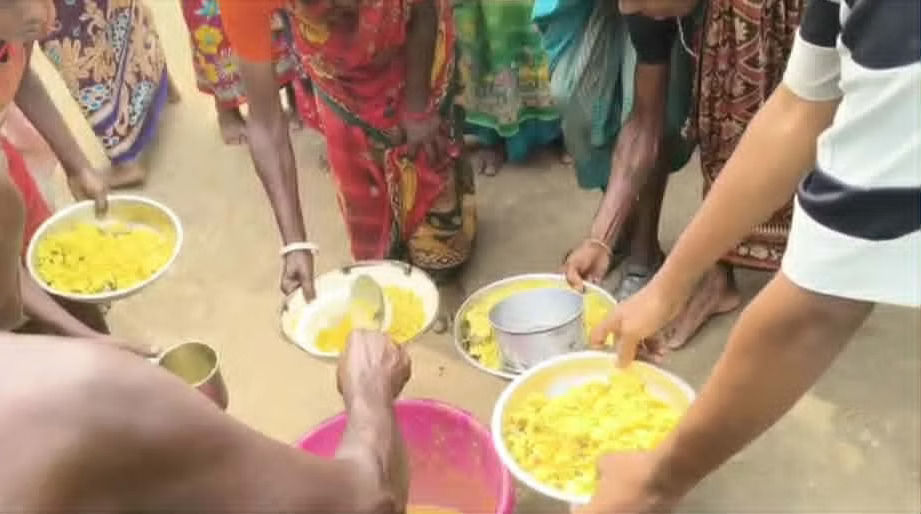
Nearly 1.8 million meals have gone out to hungry families in Bangladesh since 2020, and every single one starts the same way: a pot of rice, lentils, and spices simmering over a portable stove in a village most aid groups have never heard of.
That meal is called kichri, and it's become the backbone of one of the most quietly effective food relief operations working in South Asia today. This article breaks down exactly what's in that bowl, why it works so well nutritionally, and how one organization built a delivery system that reaches places boats and motorbikes can barely access.
Lotus Ministry Provided Nourishing Meals To Villagers Most Humanitarian Relief Organizations Have Never Heard Of
Support Lotus Ministry Directly Through The Founders' PayPal

Key Takeaways
Lotus Ministry Trust has served over 1.8 million nutritionally complete meals to roughly 150,000 people across 217 communities in Bangladesh since 2020.
Kichri combines rice, lentils, vegetables, and fortified micronutrient powders to form a nutritious food with complete protein with all nine essential amino acids.
The organization has injected an estimated $1.2 million into local economies through ingredient purchasing and job creation.
Specialized delivery methods, including motorbikes and shallow-draft boats, allow meals to reach villages that go weeks without outside contact.
Kichri's combination of turmeric, cumin, and mung beans offers digestive and anti-inflammatory benefits worth understanding whether you're feeding a family of four or a village of thousands.
How One Bowl of Kichri Feeds 150,000 People a Month
Roughly 75,000 meals go out every single month through this program, landing in the hands of children, pregnant mothers, elderly residents, and people with disabilities who have no other reliable source of food. That's not a one-time relief effort. It's a sustained operation that's been running for years in some of the most remote corners of northern Bangladesh.
You can learn more about how this all works directly from the source at Lotus Ministry Trust, where the organization documents its meal programs, delivery routes, and community partnerships in detail. What makes their approach stand out isn't just the scale, it's the thoughtfulness behind every ingredient choice and delivery method, built specifically for communities that larger aid organizations tend to skip over.
What Is the Lotus Ministry Trust
Lotus Ministry Trust is a faith-based 508(c)(1)(A) organization headquartered in San Francisco, founded in 2020 to provide food relief in remote villages throughout northern Bangladesh. Unlike many international aid groups that operate from a distance, this organization has built its reputation on consistent, on-the-ground presence in areas where seasonal flooding and isolated terrain make outside help nearly impossible to access.
Founder Jeffrey Dunan and the Mission Behind Vasanta Das
The organization was founded by Jeffrey Dunan, known within the ministry as Vasanta das. His vision centered on a simple but stubborn problem: millions of people in Bangladesh live in communities so remote that even basic nutrition assistance rarely reaches them. Rather than running a program from afar, Dunan built an operation designed to physically get food into hard-to-reach hands, village by village.
Shohag Chandra Das and Asia Operations Leadership
Running operations on the ground in Asia falls to Shohag Chandra Das, who directs the day-to-day logistics of meal preparation, ingredient sourcing, and distribution across the organization's network of communities. That local leadership matters. Decisions about which villages need food most urgently, how to navigate seasonal flooding, and which farmers to partner with all require someone who understands the region intimately.
Fundraising Progress Toward the $450,000 Goal
As of now, Lotus Ministry Trust has raised $279,379 toward a $450,000 fundraising goal, with support coming from more than 6,566 individual donors who've made over 6,500 total donations. That kind of grassroots funding base says something about how the organization has built trust, donation by donation, rather than relying on a handful of large institutional backers.
The Scale of Nutritious Food Served Across Bangladesh
Numbers alone don't always tell the full story, but in this case, they're worth sitting with for a moment. Since the program launched, the scale of what's been accomplished has grown from a small pilot effort into a sustained, multi-region operation.
1.8 Million Meals and Counting Since 2020
Over 1.8 million nutritionally complete meals have gone out since 2020, reaching roughly 150,000 unique beneficiaries spread across 217 communities. At a pace of approximately 75,000 meals per month, this isn't a sporadic relief drop. It's a steady, predictable source of food that communities have come to rely on.
Who Receives the Food: Children, Mothers, and Elderly
Roughly 60% of recipients are children under 12, which makes sense given how critical early nutrition is for physical and cognitive development. Another 25% are women, largely pregnant or nursing mothers who need extra nutritional support during some of the most demanding stages of life. The remaining 15% are elderly or disabled community members, groups who often get overlooked in broader food relief efforts but face some of the highest risks of malnutrition.
What Goes Into a Bowl of Kichri
Kichri isn't a complicated dish, and that's part of its genius. It's built from simple, accessible ingredients that can be sourced locally, cooked quickly, and adapted based on whatever's available that season.
Rice, Lentils, and the Nutritional Base
Every kichri meal starts with a foundation of rice, lentils, seasonal vegetables, and fortified micronutrient powders. The standard version typically includes:
Masoor or mung dal (red or mung lentils) as the primary protein source
Potatoes, carrots, spinach, or pumpkin, depending on what's locally available
Basmati rice, chosen partly for its lower glycemic index compared to other rice varieties
Fortified micronutrient powders targeting iron, vitamin A, and iodine deficiencies
This combination isn't random. Rice and lentils together form a complete protein, meaning the meal delivers all nine essential amino acids the body needs, something that matters enormously in communities where meat and dairy aren't always accessible or affordable.
Seasonal Vegetables That Change With the Harvest
Because the vegetable component shifts with local availability, the program stays flexible rather than depending on a single crop or supply chain. If pumpkin is in season in one region, it goes in the pot. If spinach is more plentiful elsewhere, that takes its place. This adaptability keeps costs manageable and ensures the meals reflect what local farmers are actually growing.
The Spice Blend: Turmeric, Cumin, Coriander, and Ginger
No kichri is complete without its spice blend, and this one typically includes turmeric, cumin, coriander, and ginger. These aren't just flavor additions, though they certainly make the dish more enjoyable to eat day after day. Each spice carries its own set of health properties that complement the meal's nutritional profile, something we'll dig into further down.
Turmeric alone brings curcumin into the mix, a compound studied for its anti-inflammatory and antioxidant properties. Combined with cumin's digestive benefits, this spice blend does double duty, making the meal both more palatable and more functional for bodies that may already be nutritionally stressed. For more on how traditional dishes use these spices effectively, explore the health benefits of kichri.
Fortified Micronutrient Powders for Iron, Vitamin A, and Iodine
Rice and lentils provide a solid protein and fiber base, but they don't cover every nutritional gap, particularly in communities facing chronic malnutrition. That's where fortified micronutrient powders come in, specifically targeting deficiencies in iron, vitamin A, and iodine. These three nutrients are among the most commonly lacking in food-insecure populations worldwide, and addressing them directly through fortification is a practical, cost-effective solution.
Protein Booster: Chickpea Flour
Some batches of kichri get an extra protein boost through ground chickpea flour. This addition isn'tin every meal, but when local supply allows, chickpea flour can help stretch the protein content even further, which matters most for growing children and nursing mothers who need higher protein intake relative to their body weight.
Why Kichri Is a Nutritional Powerhouse

Help Lotus Ministry Fill Plates
With Food And Hearts With Hope
Support Lotus Ministry Directly Through The Founders' PayPal
It's easy to overlook a dish this simple, but kichri's nutritional profile punches well above its weight. The combination of ingredients creates a meal that's not just filling, but genuinely nourishing in ways that matter for long-term health.
A Complete Protein With All Nine Essential Amino Acids
When mung beans and basmati rice come together, they create what nutritionists call a complete protein, meaning the dish provides all nine essential amino acids the human body can't produce on its own. This is a big deal for communities where access to meat, eggs, or dairy is limited or inconsistent. A plant-based combination that delivers complete protein removes one of the biggest nutritional hurdles facing food-insecure populations. Learn more about how kichri is solving nutritional challenges in these communities.
Mung Beans: Potassium, Magnesium, Folate, and Fiber
Mung beans bring more to the table than just protein. They're also a strong source of B-vitamins, iron, potassium, and zinc, all nutrients that play critical roles in everything from red blood cell production to immune function. On top of that, mung beans contain resistant starch, a type of fiber that acts as a prebiotic, feeding the beneficial bacteria that keep the gut microbiome balanced and functioning well.
Basmati Rice and Its Lower Glycemic Index
Choosing basmati rice over other rice varieties wasn't an accident. Basmati has a lower glycemic index, which means it causes a slower, steadier rise in blood sugar compared to other types of rice. For populations already dealing with inconsistent food access, maintaining stable blood sugar levels between meals can make a meaningful difference in energy levels and overall health.
Gentle on the Stomach and Easy to Digest
Kichri is typically cooked until soft, which makes it particularly gentle on the digestive system. That matters a great deal for populations dealing with malnutrition, where digestive systems can be more sensitive and less equipped to process heavier, harder-to-digest foods. The simplicity of the ingredients also means less work for the stomach overall, allowing nutrients to be absorbed more efficiently.
The Healing Power of Kichri's Spices
Beyond the core ingredients, it's the spice blend that gives kichri its functional edge. These aren't just flavor enhancers, they're active contributors to the dish's overall health benefits.
Turmeric's Curcumin and Its Anti-Inflammatory Effects
Turmeric earns its reputation as a functional food largely because of curcumin, the active compound responsible for its deep yellow color. Research has shown curcumin can help modulate the activation of white blood cells, which play a critical role in the body's defense against infection. For populations already weakened by chronic malnutrition, that kind of immune support isn't a minor bonus, it's a meaningful layer of protection built right into a daily meal.
Curcumin's anti-inflammatory and antioxidant properties have made turmeric one of the most studied spices in nutritional science, with research consistently pointing to its role in immune function and chronic disease prevention.
What's worth noting here is that turmeric isn't being added as a supplement or pill. It's cooked directly into a meal that people eat regularly, which means its benefits accumulate naturally over time rather than requiring a separate health intervention.
That's the quiet brilliance of kichri as a relief food. It delivers medicinal-grade ingredients through something as ordinary and comforting as a warm bowl of rice and lentils.
Cumin for Digestion and Immune Support
Cumin pulls double duty in kichri, aiding digestion while also contributing antimicrobial properties that help the body fend off harmful pathogens. In communities where clean water and sanitation aren't always guaranteed, having a food that actively supports immune resilience matters more than it might in a typical household kitchen.
Mustard Seeds and Asafoetida for Gut Health
When mustard seeds and asafoetida make it into a batch, they bring additional gut-health benefits to the table. Mustard seeds carry anti-bacterial properties, while asafoetida is traditionally used to reduce bloating and ease digestive discomfort. Together with cumin and turmeric, this spice combination transforms kichri from a basic starch-and-protein meal into something closer to functional medicine.
None of these spices work in isolation, either. It's the combination that creates a synergistic effect, where turmeric's anti-inflammatory properties pair with cumin's digestive support and mustard's antibacterial action to create a meal that actively works to keep the body balanced.
For families cooking kichri at home, this same logic applies. A well-seasoned pot isn't just about taste, it's about building a meal that supports the body in multiple ways at once.
Consider keeping these staples stocked in your own kitchen:
Turmeric powder for its anti-inflammatory curcumin content
Whole or ground cumin seeds for digestive support
Mustard seeds for their antibacterial properties
A pinch of asafoetida (hing) to reduce bloating
Fresh ginger for added anti-nausea and digestive benefits
Stocking a kitchen with these five ingredients alone makes it possible to recreate much of kichri's functional benefit at home, even without access to fortified micronutrient powders.
How Food Relief Strengthens Local Economies
Feeding people is only part of what this program accomplishes. The way those meals get made, sourced, and distributed has created a ripple effect through local economies that's just as important as the nutrition itself.
Rather than importing ingredients from outside the region, the program has built its supply chain around local farmers and food processors, which keeps money circulating within the communities it serves rather than flowing out to distant suppliers.
$1.2 Million Invested in Farmers and Food Processors
Over the past two years, the program has injected an estimated $1.2 million into local economies through ingredient purchasing and wages. That's not charity money disappearing into a general fund, it's direct economic activity flowing into the hands of farmers, processors, and workers who live in the same communities receiving the meals. This initiative is similar to how Lotus Ministry Trust is addressing food security challenges.
Fair-Price Contracts With Farmer Cooperatives
More than 500 regional farmers and food processors have supplied ingredients to the program, creating a consistent demand that helps stabilize local agricultural income. For small-scale farmers in remote parts of Bangladesh, having a reliable buyer can mean the difference between a sustainable livelihood and a precarious one dependent on unpredictable market prices.
Getting Food to the Hardest-to-Reach Villages
None of this matters if the food can't actually reach the people who need it. Bangladesh's geography presents real logistical challenges, from steep hill paths to dense mangrove waterways, and the delivery system had to be built around those realities rather than around convenience.
Portable Kitchens That Run Without Power
Portable kitchen units built to operate without a permanent power source allow kichri to be cooked fresh on location, rather than prepared elsewhere and transported cold. This matters both for food safety and for maintaining the nutritional integrity of the meal, since freshly cooked food retains more of its nutrient content than meals reheated after long transport.
These mobile setups also mean the program can reach villages with no electrical infrastructure at all, which describes a significant portion of the remote communities being served.
Why 24 Million People in Bangladesh Face Food Insecurity
Roughly 24 million people across Bangladesh face moderate to severe food insecurity, a staggering figure that puts the scale of this challenge into perspective. Larger aid organizations rarely establish consistent operations in the country's most isolated communities, which leaves a significant gap that smaller, more nimble programs have had to step in to fill.
Rural vs. Urban Malnutrition Rates
Rural malnutrition rates remain disproportionately higher than urban rates throughout Bangladesh. Cities tend to have better access to markets, healthcare, and emergency food distribution networks, while rural and remote villages often lack even basic infrastructure to support consistent nutrition access.
Seasonal Flooding and Its Impact on Village Access
Seasonal flooding regularly cuts off land access to entire villages for days or even weeks at a time, compounding an already difficult food security situation. When flooding hits, it's not just that food becomes scarce, it's that even reaching affected communities becomes logistically impossible without specialized transport like boats or motorbikes.
Who Gets Fed First: The Village Distribution System
With limited resources and overwhelming need, someone has to make difficult decisions about who receives food first. Rather than leaving this to outside administrators, the program relies on local knowledge and community governance to guide these choices.
This approach respects the fact that the people living in these villages understand their community's needs better than anyone arriving from outside ever could.
Local Committees of Elders and Health Workers
Distribution committees typically include village elders, religious leaders, and local health workers, combining traditional community authority with practical health expertise. This structure helps ensure decisions about food allocation are both culturally respected and medically informed.
These committees also receive training in proper food storage and governance procedures, including how to track withdrawals and maintain accurate records, which keeps the entire distribution system transparent and accountable.
Priority Groups: Children, Mothers, Elderly, and Disabled Residents
When food supplies are limited, priority goes first to children under five, pregnant and lactating mothers, elderly residents, and individuals with disabilities. These groups face the highest health risks from malnutrition, making it practical and compassionate to ensure they're served first when resources can't stretch to cover everyone at once.
Teaching Families to Cook Smarter, Not Harder
Delivering food solves an immediate problem, but teaching families how to prepare, store, and stretch that food solves a longer-term one. That's why education has become just as central to this program as the meals themselves.
Field teams don't just drop off ingredients and leave. They stay to demonstrate cooking techniques, troubleshoot common challenges, and answer questions directly from the people who'll be using these skills every day.
Training Focus | Who It Targets | Key Benefit |
Haybox cooking | All households | Cuts fuel use by 75% |
Infant and weaning nutrition | New and expecting mothers | Reduces early childhood malnutrition |
Food storage techniques | Village committees | Prevents spoilage and pest damage |
Governance and recordkeeping | Distribution committees | Maintains transparency and trust |
This hands-on, practical education model reflects a broader truth about effective food relief: it's not enough to just hand someone a meal. Real change happens when communities gain the tools and knowledge to sustain their own food security long after outside support has moved on.
Every Bowl Tells a Story of Nourishment and Hope

Be The Foundation Of Sustainable Support
Support Lotus Ministry Directly Through The Founders' PayPal
From a simple combination of rice, lentils, and spices, this program has built something far bigger than a meal, it's built a sustainable system of nutrition, economic support, and community resilience across one of the most difficult-to-reach regions in the world. Whether you're learning about kichri for its health benefits or considering how to support food relief efforts abroad, understanding what goes into each bowl reveals just how much thought and care can transform a basic dish into a lifeline.
Building Village-Level Food Security
Feeding people today matters, but building systems that keep feeding them tomorrow matters just as much. That's the thinking behind one of the program's most forward-looking initiatives: community-managed food reserves that function less like emergency aid and more like a village-level insurance policy.
Proper Storage Training to Prevent Spoilage
Local committees receive hands-on training in proper food storage techniques designed to prevent spoilage and pest damage, two problems that can wipe out weeks of carefully sourced ingredients in a matter of days. Without this knowledge, even well-stocked reserves can become useless if moisture, insects, or rodents get into the supply. Committees also learn governance procedures, including how to track withdrawals and maintain accurate records, which keeps the entire system transparent and trustworthy within the community.
Community Food Reserves as Insurance Against Hunger
Lotus Ministry Trust has established community-managed food reserves across dozens of villages, giving residents a buffer against bad harvests, flooding, or other disruptions that might otherwise leave them without food for days or weeks. Local committees handle the day-to-day oversight of these reserves, and the supplies get periodically restocked using a portion of the program's regular ingredient shipments.
This approach shifts the model from pure dependency toward something closer to shared resilience. Instead of waiting for outside help every time a crisis hits, villages gain the ability to draw from their own stockpile while longer-term support gets organized. It's a small structural change, but it's one that can mean the difference between a hungry week and a manageable one.
What's Next for Lotus Ministry Trust
Four years into operation, the organization isn't slowing down. If anything, the roadmap ahead looks more ambitious than what's already been accomplished, which is saying something given the scale of meals served so far.
Two priorities stand out clearly: expanding into new geography and dramatically increasing capacity where the program already operates.
Expansion Plans for Sri Lanka
The organization has signaled plans to extend similar assistance into Sri Lanka, applying the same model of locally-sourced ingredients, community-led distribution, and mobile cooking units that's worked in Bangladesh. Sri Lanka has faced its own well-documented food security challenges in recent years, and a program built around flexibility and local partnership could translate well into that context.
Expansion into a new country isn't simple, though. It requires building new relationships with local farmers, training new distribution committees from scratch, and adapting recipes and logistics to a different geography and culture. The groundwork laid in Bangladesh, from portable kitchens to haybox cooking training, gives the organization a tested blueprint rather than a blank slate.
Whether this expansion unfolds quickly or gradually will likely depend on continued fundraising momentum, since scaling into an entirely new country demands significant upfront investment before the first meal ever gets served.
Doubling Distribution Capacity in Two Years
Closer to home, the organization has set a goal of doubling distribution capacity within two years. Given that the program already serves roughly 75,000 meals per month, doubling that figure would mean reaching considerably more of the 24 million people across Bangladesh currently facing food insecurity.
How to Add Kichri to Your Daily Diet
You don't need to live in a remote village in Bangladesh to benefit from what kichri has to offer. This dish has quietly earned a place in kitchens around the world precisely because it's simple, affordable, and endlessly adaptable.
Breakfast, Lunch, or Dinner: Kichri Fits Any Meal
One of kichri's most practical qualities is its flexibility across mealtimes. A lighter, thinner version works well as a gentle breakfast, especially for anyone easing into the day with a sensitive stomach. A heartier, thicker preparation makes a satisfying lunch or dinner, particularly when paired with a side dish or two. There's really no wrong time to serve it.
Pairing Kichri With Yogurt and Salads
Adding a side of yogurt turns kichri into an even more gut-friendly meal, since yogurt brings natural probiotics that complement the prebiotic fiber already present from the mung beans. A simple cucumber and tomato salad on the side adds crunch, hydration, and a fresh contrast to the warm, soft texture of the kichri itself.
This pairing isn't just about taste, either. Combining a prebiotic food with a probiotic one creates a more complete gut-health package than either ingredient could offer on its own, giving beneficial bacteria both fuel and reinforcements at the same time.
Boosting Nutrition With Paneer, Tofu, or Quinoa
For anyone looking to increase the protein content further, adding paneer, tofu, or even a scoop of cooked quinoa into the mix works well without disrupting the dish's flavor profile. These additions are especially useful for active individuals, growing children, or anyone recovering from illness who needs extra protein to support healing.
Is Kichri Right for Your Dietary Needs
Few dishes manage to check as many dietary boxes at once as kichri does. Whether you're vegetarian, vegan, gluten-sensitive, or simply trying to eat a bit lighter, there's a version of this dish that fits.
A Protein-Rich Option for Vegetarians and Plant-Based Eaters
Because kichri delivers a complete protein through the combination of rice and lentils, it's an excellent meal option for vegetarians and vegans who sometimes struggle to find plant-based meals offering all nine essential amino acids in one sitting. Swapping ghee for vegetable oil keeps the dish fully plant-based without sacrificing flavor or texture.
Naturally Gluten-Free and Gentle on Sensitive Stomachs
Kichri is naturally gluten-free, making it a safe option for anyone managing gluten sensitivities or celiac disease. Beyond that, its soft, well-cooked texture makes it gentle enough for people dealing with digestive sensitivities more broadly, whether that's due to illness, recovery, or simply an upset stomach on any given day.
A Low-Calorie Choice for Weight Management
For anyone keeping an eye on weight, kichri's natural combination of high fiber and protein with relatively low fat and calories makes it a smart choice. That fiber-protein combination slows digestion, which helps curb the urge to snack on less healthy options between meals. Loading up on extra vegetables adds volume and nutrients without meaningfully increasing the calorie count, making it easy to customize a filling, satisfying bowl that still supports weight goals.
Every Bowl Tells a Story of Nourishment and Hope
From a remote village kitchen in the Chittagong Hill Tracts to a dinner table anywhere in the world, kichri carries the same quiet power: simple ingredients, thoughtfully combined, doing far more nutritional heavy lifting than their modest appearance suggests. What started as a practical solution to food insecurity in Bangladesh has grown into a model worth understanding, whether you're drawn to it for the health benefits, the economic impact, or the sheer logistics of getting a hot meal to someone who's gone weeks without one.
Frequently Asked Questions
Is kichri healthy enough to eat every day?
Yes, kichri's gentle, easy-to-digest nature combined with its balanced mix of protein, fiber, and micronutrients makes it suitable for daily consumption.
Many households in South Asia have relied on it as a dietary staple for generations, precisely because it's nourishing without being heavy or hard on the digestive system.
What makes kichri a complete protein?
Combining lentils or mung beans with rice creates a complete protein containing all nine essential amino acids, something neither ingredient fully provides when eaten alone.
This matters most for vegetarians, vegans, or anyone in a food-insecure situation where animal protein isn't consistently available.
How does Lotus Ministry Trust decide who receives food first?
Local distribution committees, made up of village elders, religious leaders, and health workers, prioritize children under five, pregnant and lactating mothers, elderly residents, and individuals with disabilities when food supplies are limited.
Can kichri help with weight loss?
Kichri's low-fat, high-fiber, high-protein profile helps promote fullness and reduce snacking, making it a practical addition to a weight management plan.
How can I support Lotus Ministry Trust's mission?
Donations directly fund meal preparation, ingredient sourcing, and delivery logistics across Bangladesh's most remote communities.
The organization also notes that something as simple as a social media share can inspire roughly $50 in donations, making awareness itself a meaningful form of support.
If kichri's story has inspired you to think differently about nutrition and community resilience, consider exploring how Lotus Ministry Trust continues turning a humble bowl of rice and lentils into lasting change across Bangladesh.










Comments