
Bangladesh Community Food Aid Impact on Rural Areas & Support

Key Takeaways
Over 40 million Bangladeshis experience food insecurity, with rural communities bearing the heaviest burden due to climate disasters, economic pressures, and limited infrastructure.
Community-led food aid programs have proven more effective than centralized approaches, reaching vulnerable populations faster and addressing culturally-specific nutritional needs.
The most successful food aid initiatives in Bangladesh combine immediate relief with sustainable solutions like agricultural training and microfinance support.
Women and children suffer disproportionately from food insecurity in Bangladesh, with some rural regions reporting that over 60% of households cannot reliably meet their nutritional needs.
Lotus Ministry Trust's community-centered approach creates both immediate relief and sustainable pathways to food security through local sourcing and economic stimulation.
A Small Donation Provides Massive Assistance, Please Help
Bangladesh stands at a critical crossroads of climate vulnerability and food insecurity. In rural communities across this South Asian nation, millions of families face daily uncertainty about their next meal. The situation continues to worsen amid economic pressures, environmental degradation, and increasingly severe climate disasters. Through Lotus Ministry Trust's community-centered approach, immediate relief efforts are creating sustainable pathways to food security for the country's most vulnerable populations.
The Hidden Crisis: Food Insecurity in Rural Bangladesh Today
The geography of hunger in Bangladesh reveals distinct patterns of vulnerability across the country's landscape. Northern regions, particularly districts like Kurigram, Gaibandha, and Jamalpur, consistently face the highest rates of food insecurity, with some communities reporting that over 60% of households cannot reliably meet their nutritional needs. Following the devastating 2022 floods, these areas saw massive crop destruction, leaving more than 5,000 families in immediate need of food assistance. What distinguishes the current crisis from previous food security challenges is its persistence and complexity.
Bangladesh has always faced seasonal hunger periods, locally known as "monga," but climate change has intensified these cycles while creating new pressure points. The combination of more frequent flooding, unpredictable rainfall patterns, and rising temperatures has disrupted traditional agricultural calendars, leaving farmers unable to rely on generational knowledge for planting and harvesting decisions. According to recent assessments, over 40 million Bangladeshis experience food insecurity, with rural populations facing the most severe challenges.
"The food crisis in Bangladesh isn't just a humanitarian concern—it's a complex emergency requiring both immediate relief and sustainable solutions. What we're seeing is the intersection of climate change, economic vulnerability, and systemic challenges that demand a comprehensive response." - Dr. Aminul Islam, Food Security Specialist
Why Rural Communities Face the Harshest Food Challenges
Rural communities in Bangladesh bear a disproportionate burden of food insecurity for multiple interconnected reasons that extend beyond simple food availability. These communities often exist in fragile ecosystems where even minor climate disruptions can devastate entire harvests. The rural poor typically spend 60-70% of their income on food—compared to 30-40% in urban areas—making price fluctuations catastrophic for household food security.
Climate Change's Devastating Impact on Crop Production
Climate change has emerged as perhaps the most significant threat to food security across rural Bangladesh. Rising sea levels have caused saltwater intrusion into previously fertile coastal farmlands, rendering thousands of hectares unsuitable for traditional rice cultivation. In northern regions, increasingly unpredictable monsoon patterns disrupt planting cycles, while more frequent flash floods wash away crops before harvest time.
The 2022 floods alone destroyed over 55,000 hectares of cropland in northern Bangladesh, affecting approximately 4.5 million people and creating an immediate food emergency. For small-scale farmers who constitute the backbone of rural Bangladesh's food system, these climate disasters often mean not only the loss of their current food supply but also their seed stocks for future planting seasons, creating a cycle of vulnerability that deepens with each environmental shock.
While immediate food aid addresses the acute crisis following these disasters, the long-term solution requires climate-adaptive agricultural approaches. Innovative farming techniques like floating gardens, salt-tolerant rice varieties, and modified planting calendars are becoming essential adaptations rather than optional improvements.
Economic Barriers That Keep Food Out of Reach
Economic factors compound the climate challenges facing rural communities. Market volatility affects food prices dramatically, with rice costs fluctuating by up to 30% seasonally. These price spikes hit hardest during pre-harvest periods when household food stores are depleted and income opportunities are limited. For day laborers earning less than $3 daily, these price increases often mean choosing between inadequate nutrition or taking on unsustainable debt just to feed their families.
The economic dimension of food insecurity creates a vicious cycle where families sell productive assets to buy food, further diminishing their future earning capacity. Women-headed households face particularly severe economic barriers, with limited land rights and restricted access to formal financial services. Recent studies indicate that approximately 68% of rural women-led households experience food insecurity compared to 52% of male-led households in the same communities.
Limited Infrastructure and Distribution Problems
Even when food is available in Bangladesh's major markets, it often cannot reach vulnerable rural communities due to infrastructure limitations. Damaged roads become impassable during monsoon seasons, isolating entire villages from food distribution networks. Storage facilities are inadequate or nonexistent in many rural areas, leading to significant post-harvest losses estimated at 10-15% for rice and up to 40% for more perishable crops. For more on this, read about food relief efforts in Bangladesh.
Distribution challenges extend beyond physical infrastructure to include information gaps about where food is most needed. Without robust community-based monitoring systems, centralized food aid programs often miss the most vulnerable households or arrive too late to prevent malnutrition. These infrastructure and distribution barriers highlight why localized, community-led food security initiatives consistently outperform centralized approaches in reaching those most in need.
5 Most Effective Community Food Aid Programs Transforming Rural Bangladesh
Across Bangladesh, innovative community-based food aid programs are demonstrating remarkable success in addressing both immediate hunger and underlying causes of food insecurity. These programs share common principles of local leadership, cultural appropriateness, and sustainability while adapting to specific regional contexts and needs.
1. Local Food Banks and Distribution Centers
Community-managed food banks have emerged as frontline defenses against hunger in rural Bangladesh. Unlike traditional centralized warehouses, these local food banks operate under direct community oversight, ensuring culturally appropriate food reaches the most vulnerable households first. The model typically involves strategic grain reserves stored within villages, managed by elected community committees that include equal representation of women and men.
These facilities serve multiple functions beyond emergency relief. During normal periods, they stabilize local food prices by releasing stored grain when market prices surge. They also preserve indigenous seed varieties adapted to local growing conditions, protecting agricultural biodiversity. Most importantly, their community-governed structure ensures accountability and eliminates many of the inefficiencies common in larger distribution systems.
2. Farmer-to-Family Direct Support Networks
Direct farmer-to-family networks create solidarity chains between those who produce food and those who need it most. These networks operate on principles of mutual support rather than charity, with participating farmers committing a small percentage of their harvest to support vulnerable families in their communities. The approach builds social cohesion while ensuring ultra-fresh, locally-appropriate foods reach nutritionally at-risk households.
What makes these networks particularly effective is their informality and adaptability. Without cumbersome bureaucracy, they can respond quickly to emerging needs and seasonal variations. They also preserve dignity, as recipients are seen as community members rather than beneficiaries. In many villages, these networks have evolved to include skill-sharing components where recipient families contribute labor during harvest periods, creating reciprocal relationships that strengthen community resilience.
3. Community Cooking Centers
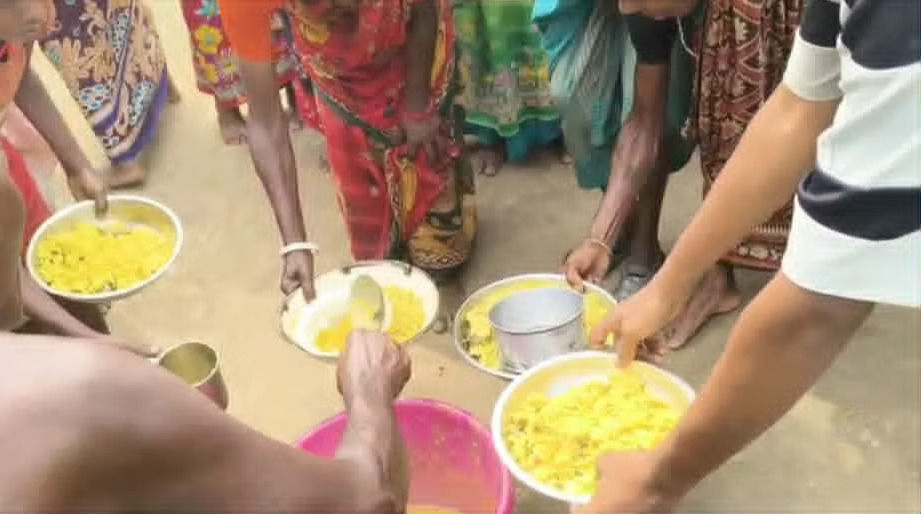
Community cooking centers have proven particularly effective in addressing the nutritional needs of the most vulnerable populations. These centers prepare balanced meals using locally sourced ingredients, serving children, pregnant women, elderly, and others at highest risk of malnutrition. Beyond the immediate nutritional benefits, these centers create social spaces where nutrition education happens organically through demonstration and participation.
The cooking center model addresses several dimensions of food insecurity simultaneously. It eliminates the fuel costs associated with individual household cooking, stretches limited food supplies through efficient preparation methods, and ensures proper food safety practices. Perhaps most importantly, these centers preserve traditional culinary knowledge while incorporating improved nutritional understanding, creating culturally appropriate meals that meet modern nutritional standards.
Operates in 187 villages across northern Bangladesh
Serves approximately 45,000 meals monthly
Focuses on children under 5, pregnant women, and elderly
Incorporates indigenous vegetables and traditional preparation methods
Reduces household fuel costs by approximately 30%
4. School Meal Programs
School-based feeding programs represent one of the most strategic investments in long-term food security. These programs provide nutritionally balanced meals to students, addressing immediate hunger while creating powerful incentives for school attendance. In areas where these programs operate, school enrollment has increased by 28% on average, with particularly strong gains among girls from food-insecure households.
The most successful school meal initiatives in Bangladesh use locally sourced ingredients, often establishing direct purchasing relationships with nearby farmers. This approach creates a virtuous cycle where educational outcomes improve while simultaneously supporting local food systems. Some programs have evolved to include take-home rations, extending benefits to siblings and parents, particularly during school holidays when children might otherwise go without meals.
Beyond nutritional benefits, these programs create opportunities for comprehensive education around food production, preparation, and nutrition. School gardens integrated with feeding programs teach practical agricultural skills while supplementing meal programs with fresh vegetables. This educational component helps ensure that the next generation has both the knowledge and physical health needed to build more resilient food systems.
5. Emergency Food Relief During Disasters
Bangladesh's vulnerability to natural disasters necessitates robust emergency food relief systems. Community-based disaster response networks have proven far more effective than centralized approaches, often reaching affected populations within hours rather than days. These networks maintain pre-positioned food supplies in flood-resistant storage facilities and train local responders who can navigate damaged infrastructure to reach isolated communities.
What distinguishes effective emergency food relief programs is their integration with longer-term food security initiatives. Rather than operating as standalone interventions, the most successful emergency programs seamlessly transition into recovery and resilience-building phases. They also emphasize dignity and choice, increasingly utilizing cash or voucher systems where markets remain functional, allowing affected households to purchase culturally preferred foods while supporting local vendors.

A Small Gift Can Create Tremendous Impact
Please Donate Today
The Real Numbers: Measuring Food Aid Impact
Beyond anecdotal success stories, the impact of community food aid in Bangladesh can be measured through concrete metrics that demonstrate both immediate relief and long-term development outcomes. Effective programs track not only quantities of food distributed but also nutritional improvements, economic impacts, and community empowerment indicators.
Nutrition Improvements in Children Under 5
The most vulnerable demographic to food insecurity—children under five years old—serves as a critical indicator of program effectiveness. In communities with sustained community food aid programs, stunting rates (low height for age, indicating chronic malnutrition) have decreased by 7-12 percentage points over three years compared to similar communities without such interventions. These improvements in early childhood nutrition yield lifelong benefits in cognitive development, educational attainment, and eventual economic productivity.
More immediately, programs report 30-45% reductions in acute malnutrition during seasonal hunger periods in participating communities. This reduction is particularly significant because it prevents the vicious cycle where malnutrition increases susceptibility to disease, which further compromises nutritional status. Healthy children require fewer medical interventions, reducing the financial burden on already struggling families and allowing more resources to be directed toward food security.
Economic Ripple Effects in Local Communities
When food aid programs source locally, they create substantial economic multiplier effects. For every $1 spent on local procurement of food aid supplies in Bangladesh, an estimated $2.13 in additional economic activity is generated in surrounding communities. This economic stimulus strengthens the very communities the programs aim to support, creating opportunities beyond direct food assistance. For more insights on this impact, read about Lotus Ministry's food relief in Bangladesh.
The most comprehensive impact assessments reveal how community food security initiatives trigger cascading economic benefits. When families no longer spend 60-70% of their income on basic food needs, they invest in productive assets, education, and healthcare. Local markets become more robust, supporting diverse enterprises beyond agriculture. Perhaps most significantly, these economic effects help break the cycle where hunger drives migration to overcrowded urban areas, preserving rural communities and traditional food knowledge.
Behind the Success: What Makes Community Aid Work
The remarkable success of community-based food aid in Bangladesh stems from specific principles and practices that distinguish these approaches from conventional top-down food assistance models. Understanding these success factors is essential for anyone seeking to support or replicate effective interventions.
Local Leadership and Decision Making
Community food aid programs that truly transform food security landscape place decision-making authority in local hands. Rather than externally determining who receives what assistance, effective programs establish transparent, community-governed selection processes that identify the most vulnerable households based on locally relevant criteria. This approach prevents the oversight of culturally specific vulnerabilities that outside assessments might miss, such as households caring for disabled members or widows facing particular social constraints.
Local leadership extends beyond beneficiary selection to program design and adaptation. When communities determine appropriate food baskets, distribution methods, and complementary interventions, both cultural appropriateness and program efficiency improve dramatically. This participatory approach also builds community capacity for self-governance and problem-solving that extends far beyond food security issues, strengthening civil society more broadly.
Cultural Sensitivity in Food Selection
Food preferences in Bangladesh vary significantly by region, religion, and traditional practices. Effective food aid programs recognize that food is never just about calories—it carries profound cultural significance. In practical terms, this means consulting with communities about preferred staples, preparation methods, and appropriate food combinations. It also means recognizing the importance of traditional foods beyond their nutritional value, particularly during significant cultural observances like Ramadan or Durga Puja.
Culturally sensitive programming also accounts for household food preparation realities. For example, providing unfamiliar grains that require different cooking methods or more fuel than locally preferred options can lead to underutilization or inappropriate preparation. Similarly, understanding gendered dimensions of food preparation—primarily women's responsibility in most Bangladeshi households—ensures that food aid doesn't inadvertently increase women's time burden through complex preparation requirements.
Combining Food Aid with Education
The most transformative food aid programs in Bangladesh integrate education components that address both immediate utilization and long-term food security skills. Nutrition education focuses on optimal use of available foods, particularly important for feeding young children and pregnant women. Cooking demonstrations show how to prepare nutritionally balanced meals using provided supplies, sometimes introducing unfamiliar but nutritious ingredients in culturally acceptable ways.
Beyond nutrition, effective programs provide education on sustainable agriculture, water management, and climate adaptation techniques relevant to local conditions. This educational component transforms temporary food assistance into lasting food security by building both knowledge and adaptive capacity within communities. When households understand not just what to eat but how to produce it sustainably in changing conditions, the impact of aid extends far beyond the distribution period. For more insights on community aid, read about Lotus Ministry's food relief in Bangladesh.
From Short-Term Relief to Long-Term Food Security
While immediate food assistance remains essential during acute crises, the most effective interventions in Bangladesh seamlessly link relief efforts to development pathways. This approach recognizes that true food security comes not from sustained external support but from building resilient local food systems that withstand shocks and adapt to changing conditions.
Teaching Sustainable Farming Techniques
Agricultural training programs tailored to Bangladesh's diverse ecological zones have demonstrated remarkable success in transitioning communities from food aid recipients to self-sufficient producers. These programs emphasize climate-smart techniques like integrated pest management, water-efficient irrigation, and crop diversification strategies specific to local conditions. Demonstration farms provide hands-on learning opportunities where farmers can observe new methods before implementing them on their own land.
The most effective agricultural training initiatives specifically address gender barriers in farming knowledge. Since women perform much of Bangladesh's agricultural labor but often lack access to formal agricultural education, gender-inclusive training significantly improves household food production. Programs that provide women with both technical knowledge and decision-making authority over home gardens have shown particular success, increasing household vegetable consumption by 20-30% while creating surplus for market sales.
Microfinance Support for Small Food Producers
Access to appropriate financial services fundamentally changes the equation for small-scale food producers in Bangladesh. Microfinance programs specifically designed for agricultural needs provide seasonal loans aligned with planting and harvest cycles rather than requiring weekly repayments that don't match agricultural cash flows. These programs enable farmers to purchase quality inputs at planting time and avoid distress sales at harvest when prices are lowest.
Beyond credit, comprehensive financial inclusion for food producers includes savings mechanisms, crop insurance to protect against climate disasters, and financial education. When these services are bundled together, farmers can gradually build assets rather than remaining perpetually vulnerable to the next shock. The most innovative programs integrate financial services with marketing support, helping producers connect to fair value chains that provide better returns for their products.
Creating Food Resilience in Climate-Vulnerable Areas
In Bangladesh's most climate-vulnerable regions, food security initiatives now focus explicitly on building resilience against predictable shocks. This approach includes developing and distributing flood-tolerant and salt-tolerant crop varieties specifically adapted to local conditions. It also means establishing community grain reserves with elevated, waterproof storage that ensures food availability during and immediately after disasters when markets are disrupted.
Infrastructure investments play a crucial role in climate resilience, particularly raised homestead platforms that allow families to maintain small gardens and livestock even during flood periods. When these physical adaptations are combined with early warning systems and community-based disaster preparedness, vulnerable populations can protect both current food supplies and productive assets that ensure future food security.
How You Can Support Bangladesh's Food Security Movement
Donate to community-led food security initiatives that emphasize local procurement and sustainable approaches
Support organizations developing climate-resilient agricultural techniques specific to Bangladesh's unique challenges
Advocate for trade and agricultural policies that strengthen local food systems rather than undermining them
Raise awareness about the complex causes of food insecurity in Bangladesh beyond simplistic disaster narratives
Connect with Bangladeshi diaspora communities to build direct support relationships with vulnerable regions

Your Modest Contribution Makes An Enormous Difference
Please Consider Giving
Meaningful support for Bangladesh's food security movement requires understanding that effective assistance goes beyond emergency relief. The most impactful contributions support locally-led initiatives that address both immediate needs and underlying causes of food insecurity. Organizations like Lotus Ministry Trust that prioritize community leadership and sustainable approaches deliver the greatest return on investment in terms of lives improved and communities strengthened.
When evaluating potential organizations to support, look for those demonstrating clear commitment to local procurement, transparent governance, and measurable impact assessment. The most trustworthy programs openly share both successes and challenges, demonstrating learning and adaptation over time. They emphasize dignity and agency for program participants rather than portraying them as passive recipients of charity.
Remember that even modest contributions can create significant impact when directed to effective grassroots initiatives. A donation of $50 can provide emergency food assistance for a family of five for approximately one month, while $250 can establish a home garden system that produces vegetables for years. The most strategic giving combines support for immediate needs with investments in long-term solutions.
Direct Donation Opportunities
Several reputable organizations provide direct channels for supporting community food security initiatives in Bangladesh. When selecting an organization, consider those that maintain low administrative overhead while ensuring proper monitoring and accountability. The most effective organizations maintain long-term presence in the communities they serve, building relationships and understanding that allow them to respond appropriately to changing needs.
Consider supporting organizations that take a comprehensive approach to food security rather than focusing solely on food distribution. Programs that combine food assistance with agricultural training, market development, and climate adaptation create lasting impact beyond the immediate relief period. Many organizations now offer options to support specific components of food security work, allowing donors to direct contributions toward areas that align with their particular interests.
General food assistance for vulnerable households
School feeding programs that improve both nutrition and education outcomes
Agricultural training and input support for small-scale farmers
Climate resilience initiatives for food-vulnerable communities
Women-focused food security programs addressing gender-specific challenges
When possible, commit to regular rather than one-time donations. Consistent support allows organizations to plan effectively and undertake longer-term initiatives that address root causes rather than symptoms alone. Monthly giving, even at modest levels, provides the predictable resources needed to maintain community-based programs through both emergency and non-emergency periods.
Partner Organizations Doing Effective Work
Beyond financial contributions, consider organizations offering partnership opportunities that leverage specialized skills or institutional connections. Professional associations can provide technical expertise in areas like agricultural engineering, nutrition science, or water management. Educational institutions can establish research partnerships that document effective practices and develop locally-appropriate innovations. Business networks can help create market linkages that connect small-scale producers to fair value chains, addressing the economic dimensions of food insecurity.
Advocacy and Awareness Raising
Effective advocacy requires first understanding the complex factors affecting Bangladesh's food security, from climate policy to agricultural trade agreements. Armed with this knowledge, individuals and organizations can advocate for policy changes that support rather than undermine local food systems. This might include promoting climate justice measures that provide adaptation resources to vulnerable countries, supporting fair trade practices that protect small-scale producers, or advocating for international aid approaches that prioritize local procurement and community leadership.
The Future of Food Security in Rural Bangladesh
Despite current challenges, Bangladesh's food security future holds promise through the combination of community resilience, agricultural innovation, and strategic external support. Climate-adaptive agriculture is already transforming production possibilities in the country's most vulnerable regions, with floating gardens in flood-prone areas and salt-tolerant varieties in coastal zones demonstrating viable pathways forward. These innovations, combined with Bangladesh's tradition of community solidarity, create foundation for sustainable food systems even amid environmental change.
The most promising vision for Bangladesh's food future centers on sovereignty rather than dependency, with communities exercising greater control over their food systems from production to consumption. This approach recognizes that food security isn't simply about having enough calories but about maintaining the cultural, ecological, and economic relationships that sustain resilient food systems. Through continued investment in community capacity, appropriate technology, and enabling policies, Bangladesh can transform from a food aid recipient to a model of community-led food resilience that offers lessons for vulnerable regions worldwide.

Even A Little Support Goes A Long Way—We Need Your Help
Frequently Asked Questions
The complexity of Bangladesh's food security challenges generates many questions from potential supporters and those interested in community development. Understanding these common questions and their evidence-based answers helps build more informed and effective engagement with the issues.
These frequently asked questions address both fundamental concepts and practical considerations for those seeking to support positive change in Bangladesh's food security landscape. The answers reflect current understanding while acknowledging that approaches continue to evolve as communities innovate and adapt to changing circumstances.
How does climate change specifically affect food security in Bangladesh?
Climate change impacts Bangladesh's food security through multiple interconnected pathways. Rising sea levels cause saltwater intrusion into coastal farmlands, rendering previously productive land unsuitable for traditional crops. Changing rainfall patterns disrupt traditional growing seasons, with both droughts and untimely heavy rains affecting crop yields. More frequent and intense cyclones and flooding events destroy crops, damage food storage facilities, and disrupt transportation networks essential for food distribution. These climate impacts are projected to reduce Bangladesh's rice production—the country's staple crop—by up to 17% by 2050 without significant adaptation measures. For more information on how organizations are addressing these challenges, check out the Bangladesh food relief efforts by Lotus Ministry Trust.
What percentage of donations to food aid programs actually reaches rural communities?
The percentage of donations reaching rural communities varies significantly depending on the organization and program design. Large international organizations typically spend 60-75% of donations on direct program activities, with the remainder covering necessary administration, monitoring, and organizational sustainability. Smaller, community-based organizations often achieve higher ratios of 80-90% direct program spending but may have less robust monitoring systems. The most transparent organizations publish detailed financial reports showing exactly how funds are allocated and welcome questions about their operational efficiency.
Are there government programs working alongside community food aid initiatives?
Bangladesh's government implements several food security programs that complement community-based initiatives. The Public Food Distribution System (PFDS) maintains national grain reserves and implements subsidized rice distribution through various channels. The Vulnerable Group Development (VGD) program targets extremely poor women with food assistance combined with development activities. School feeding programs operated by the government reach approximately 3 million children nationwide.
While these government programs provide essential scale, they face challenges in targeting, timeliness, and flexibility. Community initiatives often fill crucial gaps by reaching households excluded from official programs, responding more rapidly to changing needs, and providing culturally appropriate assistance tailored to specific local contexts. The most effective arrangements involve formal coordination between government programs and community initiatives, with each leveraging their comparative advantages.
In recent years, the government has increasingly recognized the value of community-led approaches and developed frameworks for collaboration. Some districts have established food security coordination committees that include both government representatives and community organizations, creating platforms for joint planning and resource allocation. This collaborative approach represents a promising evolution beyond the traditional separation between governmental and non-governmental food security efforts.
"The relationship between government programs and community initiatives is evolving from parallel implementation to strategic partnership. We're seeing government agencies increasingly adopt community-based monitoring systems and participatory approaches originally pioneered by grassroots organizations, while community programs are gaining access to the resources and scale that only government can provide. This convergence represents the most promising pathway for sustainable food security in Bangladesh." - Shaila Rahman, Food Security Policy Advisor
The most effective support strategies recognize this evolving relationship and seek opportunities to strengthen constructive engagement between government programs and community initiatives rather than viewing them as entirely separate approaches.
How can small donations make a meaningful difference in Bangladesh's food crisis?
$25 can provide emergency food assistance for a family of five for approximately two weeks
$50-100 can establish a home vegetable garden with climate-resilient varieties
$150 can support a community cooking center serving 30 children daily for a month
$250 can provide a small-scale farmer with training and inputs for climate-adaptive techniques
$500 can help establish a community grain bank serving 20-25 families through seasonal shortages
Small donations make significant impact when directed to community-based organizations with deep local knowledge and low administrative overhead. These organizations leverage local resources, volunteer contributions, and existing community networks to maximize the effectiveness of every dollar. Additionally, when funds are spent within local economies—purchasing locally grown food or locally available materials—they generate multiplier effects that extend benefits beyond direct recipients.
The impact of small donations is particularly significant when they support preventive interventions rather than emergency response alone. For example, a modest contribution that helps a family establish a home garden or acquire climate-adapted seeds may prevent that family from requiring more extensive emergency assistance during future lean periods. Similarly, supporting community grain banks before crisis periods helps stabilize local food prices and prevents the depletion of productive assets that leads to deepening poverty.
Regular small donations often prove more valuable than larger one-time contributions because they allow organizations to plan effectively and maintain consistent programming. Monthly giving of even modest amounts provides the predictable resources needed to sustain community-based food security initiatives through both crisis and non-crisis periods, building the foundations for long-term resilience.
What foods are most commonly distributed through aid programs in Bangladesh?
Food aid programs in Bangladesh distribute culturally appropriate staples that form the foundation of local diets while addressing specific nutritional needs. Rice remains the primary staple, constituting 50-60% of typical food packages by weight. This reflects both cultural preferences and the central role of rice in Bangladeshi cuisine. However, effective programs provide more than rice alone, recognizing that a balanced diet requires diverse nutrients.
Protein sources form the second major component of food assistance, typically including lentils (dal), chickpeas, or other locally preferred pulses. These provide essential amino acids complementing the protein profile of rice while reflecting traditional dietary patterns. In some areas, dried fish may be included, particularly in coastal regions where this forms an important part of local food traditions. Oil—usually fortified with vitamins A and D—provides essential fatty acids and increases the energy density of meals, particularly important for young children who cannot consume large food volumes.
The most comprehensive food packages include items addressing specific nutritional vulnerabilities common in Bangladesh. Fortified blended foods targeting children under five help address micronutrient deficiencies, while supplementary feeding programs for pregnant and lactating women provide additional iron, calcium, and protein. Increasingly, programs include locally produced fresh vegetables when market conditions and logistics permit, supporting both nutritional diversity and local agricultural systems.
Food Item | Typical Monthly Allocation | Primary Nutritional Contribution |
Rice | 15-20 kg per household | Carbohydrates, energy, some B vitamins |
Lentils/Pulses | 3-5 kg per household | Protein, iron, B vitamins |
Fortified Oil | 1-2 liters per household | Essential fatty acids, vitamins A and D |
Iodized Salt | 1 kg per household | Iodine for thyroid function |
Fortified Biscuits | 2-4 kg (for school programs) | Multiple micronutrients, easy consumption |
The composition of food assistance packages continues to evolve based on nutritional science, community feedback, and program objectives. The most effective programs regularly review and adjust food baskets to address emerging nutritional concerns while respecting cultural preferences. Increasingly, programs complement food distribution with nutrition education that emphasizes optimal use of available items, particularly for feeding young children and other nutritionally vulnerable groups.
Lotus Ministry Trust's community-centered approach ensures that food aid reaches those who need it most while building pathways to sustainable food security. By working directly with local communities, they maximize the impact of every donation while preserving the dignity and agency of those they serve.
Bangladesh Community Food Aid has significantly impacted rural areas by providing essential support to those in need. The initiative has helped alleviate hunger and improve living conditions for many families. To learn more about similar efforts, visit the Lotus Ministry's food relief program in Bangladesh.








Comments