
Nutritional Benefits of Rice for Bangladeshis & Health Advantages

Rice Nutrition at a Glance
Nutritional Benefits of Rice - Rice provides 20% of total global caloric intake and 13% of protein needs — making it far more than just a side dish for Bangladeshis.
Cooking methods matter more than most people realize — discarding rice cooking water can eliminate up to 27% of key nutrients.
Pairing rice with the right foods and choosing the right variety can dramatically change its health impact — keep reading to find out how.
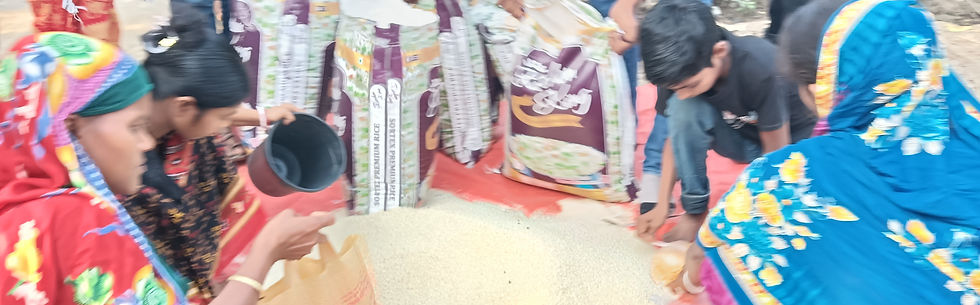
Lotus Ministry Provides Rice To The Most Neglected Villages
Support us directly through the founders' PayPal

Rice is the backbone of Bangladeshi life, but whether it's actually nourishing the people who depend on it most is a question worth asking seriously. Let's look at the nutritional benefits of rice.
With an annual per capita consumption of 144.5 kg, Bangladesh ranks among the world's heaviest rice-consuming nations. Rice supplies up to 70% of daily caloric intake for 70–75% of the population. For millions of families, rice isn't just food — it's survival. Understanding how to maximize its nutritional value is one of the most practical steps Bangladeshis can take for better long-term health.
Rice Feeds 70% of Bangladesh — But What Are The Nutritional Benefits of Rice
So, what are the nutritional benefits of rice? The honest answer is: it depends entirely on the type of rice, how it's prepared, and what it's eaten with.
The way rice is consumed matters enormously. The grain itself primarily consists of starch (about 80%), with proteins making up 7–10% and lipids less than 1%. Those numbers tell part of the story, but the micronutrient picture — zinc, iron, B vitamins — is where things get more complicated, especially for Bangladeshi diets that lack diversity.
Rice is naturally low in fat and cholesterol-free
It provides a quick, accessible source of energy through complex carbohydrates
Whole grain forms contain meaningful fiber, B vitamins, and essential minerals
Dietary variety alongside rice is critical to filling nutritional gaps
The gap in the nutritional benefits of rice, between what rice can provide and what it does provide in most Bangladeshi households, is the core of the nutritional challenge — and it's fixable.
The Nutritional Benefits of Rice
Rice is not nutritionally empty — that's a common misconception. The real issue is that its nutrient density varies dramatically depending on how much of the original grain remains intact after processing.
Macronutrients: Carbohydrates, Protein, and Fat
Rice is a carbohydrate powerhouse, with starch making up roughly 80% of its composition. This makes it an efficient energy source, which explains its central role in the diets of laborers, farmers, and active populations across Bangladesh. Protein content sits between 7–10%, which is notable for a grain — though rice protein is considered incomplete, meaning it doesn't supply all essential amino acids on its own. Fat content is negligible at less than 1%, making rice inherently heart-friendly from a lipid standpoint.
Micronutrients: Zinc, Iron, and Vitamin B
This is where rice gets more nuanced. Whole grain rice — brown rice specifically — contains measurable levels of zinc (Zn), iron (Fe), and several B vitamins including thiamine, niacin, and B6. These micronutrients are concentrated in the bran and germ layers of the grain. Zinc supports immune function and child development. Iron is critical for preventing anemia, which disproportionately affects women and children in Bangladesh. B vitamins support nerve function and energy metabolism — all vital for a population that relies heavily on a single staple food.
Lentils are an excellent plant-based source of both iron and zinc. Lentils are a primary ingredient of kichri.
How Milling and Cooking Affect Nutrient Levels
Milling is where the nutritional value of rice takes its biggest hit. When brown rice is polished into white rice, the bran and germ are removed — and with them go the majority of the fiber, vitamins, and minerals. What remains is primarily starch. Then comes cooking: boiling rice and discarding the cooking water can eliminate an additional up to 27% of remaining nutrients. This means a Bangladeshi eating white rice prepared in the most common way is getting a significantly reduced nutritional return compared to what the original grain could offer.
Brown Rice vs. White Rice vs. Parboiled Rice
Not all rice is equal — and the differences between the three most common types consumed in South Asia are significant enough to affect long-term health outcomes. For more information on the health benefits of rice, you can visit WebMD's article on rice.
Why Brown Rice Is the Most Nutrient-Dense Option
Brown rice retains the bran, germ, and endosperm — the three core layers of the grain. This makes it the clear nutritional frontrunner. It delivers more fiber, more B vitamins, higher zinc and iron concentrations, and a lower glycemic response compared to white rice. For managing blood sugar, supporting digestion, and meeting daily micronutrient needs, brown rice is the strongest option available without any fortification required.
What Parboiled Rice Retains That White Rice Does Not
Parboiled rice is an underappreciated middle ground. During parboiling, the grain is partially boiled in its husk before milling. This process drives nutrients — particularly B vitamins — from the bran into the endosperm, where they stay even after the outer layers are removed. The result is a milled rice that retains significantly more nutritional value than standard white rice, while still cooking and tasting more like white rice than brown. For Bangladeshis reluctant to switch fully to brown rice, parboiled varieties are a meaningful upgrade.
Why White Rice Dominates Bangladeshi Diets Despite Lower Nutrition
White rice is cheaper, faster to cook, easier to digest, and deeply embedded in Bangladeshi food culture. Taste preference plays a major role — the softer texture and milder flavor of polished white rice is what most people grew up eating. Storage is also simpler, since the removal of the oil-rich bran extends shelf life considerably. These practical factors mean that simply telling people to switch to brown rice is not a realistic public health strategy on its own.
The cultural and economic forces behind white rice consumption are not going away. Any meaningful improvement in rice nutrition for Bangladeshis has to work with those realities, not against them.
The Biggest Nutritional Gaps in Rice-Heavy Diets
When one food makes up 70% of your daily calories, the nutrients it lacks become the nutrients your body goes without. For Bangladesh, three deficiencies stand out as the most damaging at a population level. To understand more about the health benefits of rice, it's important to consider these gaps.
These aren't abstract statistics — they show up as stunted children, exhausted mothers, and preventable illness across rural and urban communities alike. Understanding where the gaps are is the first step toward closing them.
Zinc and Iron Deficiency in Bangladesh
Zinc and iron deficiency are two of the most widespread and damaging nutritional problems in Bangladesh. A diet built almost entirely around polished white rice — which contains minimal zinc and iron after milling — creates a structural gap that affects immune function, physical development, and cognitive performance. Children under five and women of reproductive age carry the heaviest burden of these deficiencies, with iron deficiency being directly linked to reduced work capacity, poor pregnancy outcomes, and increased vulnerability to infection.
You can easily bypass the phytate obstacle and significantly boost how much iron and zinc your body absorbs. A significantly easier method is cooking lentils with tomatoes, bell peppers, or broccoli. This method can triple your iron absorption. Also, skip tea or coffee with meals: in Bangladesh, drinking tea mid-meal is rare, and coffee is almost never consumed with a meal. Drinking tea or coffee while eating rice is culturally considered an odd pairing.
How to Get More Nutrition From the Rice You Already Eat
Most Bangladeshi families don't need to overhaul their entire diet to improve the nutritional quality of what they're eating. Small, practical changes to rice selection and preparation can produce real differences in micronutrient intake, blood sugar management, and long-term health outcomes. Here are four changes worth making.
1. Switch to Parboiled or Brown Rice Where Possible
Parboiled rice is the most realistic first step for most Bangladeshi households. It cooks similarly to white rice, tastes familiar, and retains significantly more B vitamins and minerals than standard polished white rice — because the parboiling process drives nutrients from the bran into the grain before milling. For those willing to go further, brown rice offers the strongest whole-food nutritional profile of any unfortified rice variety available. The transition is easier when brown rice is introduced gradually — mixed with white rice at first, then shifted toward a larger proportion over time.
2. Stop Discarding Cooking Water (It Holds Up to 27% of Nutrients)
One of the most common and costly nutritional mistakes in Bangladeshi kitchens is draining and discarding the water after boiling rice. That cloudy water isn't waste — it contains a significant portion of the water-soluble B vitamins and minerals that leached out of the grain during cooking. Research indicates this single step can eliminate up to 27% of remaining nutrients from already-milled white rice. The fix is straightforward: use just enough water so that it's fully absorbed by the time the rice is cooked, or incorporate the cooking water into dal, soups, or curries served alongside the meal.

Help Lotus Ministry Trust Keep Giving Nutritious Meals
Support us directly through the founders' PayPal
The water used to cook the rice in kichri is retained. Kichri is meant to be a one-pot meal. The rice, lentils, spices, and vegetables are all cooked together. Retaining the cooking water makes kichri an absolute powerhouse of nutrition.
3. Pair Rice With Iron and Zinc-Rich Foods
Rice doesn't need to carry the full nutritional load — but it needs the right foods alongside it to fill the gaps it leaves. Strategically pairing rice with iron and zinc-rich foods is one of the most effective dietary strategies available to Bangladeshi families without requiring any change to rice preparation or variety selection
Food | Key Nutrient | How to Pair With Rice |
Lentils (masur dal) | Iron, Zinc, Protein | Daily dal alongside rice — a traditional combination that works nutritionally |
Dark leafy greens (spinach, lal shak) | Iron, Folate, Vitamin A | Cooked as a bhaji alongside rice at any meal |
Pumpkin seeds | Zinc, Magnesium | Roasted and sprinkled over rice dishes |
The traditional Bangladeshi plate — rice with dal, a vegetable bhaji — is actually a nutritionally sound framework when followed consistently. The problem is that economic pressure often strips the plate down to rice alone, eliminating the supporting foods that make it complete.
Vitamin C from vegetables and fruit also plays a critical supporting role here. It significantly enhances the body's absorption of non-heme iron — the type found in plant foods like lentils and leafy greens. Adding a small serving of tomato, amla (Indian gooseberry), or citrus alongside a dal-and-rice meal can meaningfully increase the iron your body actually absorbs, not just what's present on the plate.
For families where budget is the primary constraint, masur dal remains one of the most cost-effective sources of both iron and zinc available in Bangladesh — making the rice-and-dal combination not just culturally central, but nutritionally strategic. Prioritizing dal at every rice meal, rather than treating it as optional, is a simple and affordable upgrade with real long-term health benefits.
Rice Remains Essential — But How You Eat It Matters
Rice is not the problem — and it's not going anywhere. For Bangladeshis, it is the foundation of every meal, every celebration, and every household budget calculation. The real opportunity lies in making that rice work harder: choosing better varieties where possible, cooking it in ways that preserve rather than eliminate nutrients, and building a plate around it that fills the gaps it leaves on its own. Small, consistent changes at the household level — backed by smarter agricultural and public health policy at the national level — can transform rice from a nutritional vulnerability into a genuine strength for Bangladeshi health.
Frequently Asked Questions
Below are answers to the most common questions Bangladeshis have about rice nutrition — covering everything from daily intake to the healthiest variety choices and how rice relates to widespread deficiency conditions.
These questions reflect real concerns from families navigating a diet where rice is unavoidable, budgets are tight, and the nutritional stakes are high. The answers are practical and grounded in what the current evidence on rice nutrition actually shows.
If your specific question isn't covered here, the core principle that runs through all of them is the same: rice type, preparation method, and what you eat alongside it all matter significantly — and improving any one of these three factors will improve your nutritional outcome.
Is white rice healthy for Bangladeshis?
White rice is a reliable energy source and is not harmful when consumed as part of a varied diet. However, on its own, polished white rice is nutritionally limited — it is low in zinc, iron, fiber, and B vitamins compared to less-processed forms. For Bangladeshis who eat white rice at every meal with limited dietary variety, the risk of micronutrient deficiency is real and well-documented.
The practical answer is that white rice can be made considerably healthier through three strategies: cooking it using the absorption method to retain nutrients, pairing it consistently with dal, and vegetables, and switching to parboiled white rice where available — which delivers more B vitamins than standard polished white rice while looking and tasting almost identical.
Your Donations Provide Living Sustenance
Support us directly through the founders' PayPal
What is the healthiest type of rice to eat in Bangladesh?
Brown rice is the most nutrient-dense unfortified rice available — it retains the bran and germ layers that contain fiber, B vitamins, zinc, and iron. For micronutrient-specific benefits, zinc-biofortified or iron-biofortified varieties developed by BRRI and BINA represent the most targeted nutritional upgrade available. Parboiled rice is the most practical middle ground for households not ready to shift to brown rice.
The healthiest choice for any given Bangladeshi household depends on what's locally available, affordable, and acceptable to the family's taste preferences. Parboiled rice is often the most realistic upgrade from white rice — and it's a meaningful one. If biofortified varieties are accessible through local markets or government programs, they should be prioritized above all other options.
How does rice contribute to malnutrition in Bangladesh?
Rice itself doesn't cause malnutrition — but a diet that is dominated by polished white rice, with little dietary diversity alongside it, creates the conditions for widespread micronutrient deficiency. When 70% of daily calories come from a single low-micronutrient food, deficiencies in zinc, iron, and vitamin A become structurally predictable. Bangladesh has among the highest rates of stunting, anemia, and vitamin A deficiency in the world — and rice monoculture in the diet is a significant contributing factor.
The solution is not to eat less rice. It is to eat better rice — through variety selection and biofortification — and to ensure that rice is consistently accompanied by the diverse foods that supply what it lacks. Government nutrition programs, school feeding initiatives, and agricultural policy all have a role to play in making this possible at the population level.
What is biofortified rice and is it available in Bangladesh?
Biofortified rice is rice that has been bred — through conventional plant breeding or biotechnology — to contain higher concentrations of specific micronutrients than standard varieties. In Bangladesh, the most developed biofortified rice varieties include zinc-enriched types with up to 27 ppm zinc and Golden Rice, which contains 10–15 μg/g of beta-carotene for vitamin A support. Both have been developed specifically to address the nutritional deficiencies most prevalent in Bangladesh.
Availability is growing but uneven. Zinc-biofortified varieties developed by BRRI are available through some agricultural supply channels and government programs, particularly in rural areas. Golden Rice faces additional regulatory and public acceptance hurdles that have slowed its deployment. Bangladeshis interested in accessing biofortified varieties should contact local agricultural extension offices or inquire through union-level government agricultural support services.
How much rice should a Bangladeshi eat per day for good health?
Bangladesh's annual per capita rice consumption averages 144.5 kg — which translates to roughly 395 grams of raw rice per day, or approximately 3–4 cups of cooked rice. For most adults engaged in moderate physical activity, this caloric load from rice alone already meets or exceeds total daily energy needs, leaving very little room in the diet for other foods — which is precisely where the nutritional problem compounds.
There is no single universally correct daily amount, as individual caloric needs vary by age, sex, body size, and activity level. However, the broader nutritional principle is clear: the more of a person's daily calories that come from rice alone, the greater the risk of micronutrient deficiency. Moderating rice portions to allow more room on the plate for dal, vegetables, and protein sources — without necessarily reducing total caloric intake — is a meaningful step toward a more nutritionally complete diet.
For children specifically, portion guidance matters for a different reason: younger children have smaller stomachs but high micronutrient needs relative to their size. A plate that is mostly rice leaves less room for the nutrient-dense foods that support growth, immune function, and cognitive development. Prioritizing variety over volume at every meal is the most practical principle for families to follow — regardless of age group.
For more guidance on improving nutrition through everyday food choices, explore practical health resources tailored to Bangladeshi dietary needs and take the first step toward a stronger, more nourished life.





Comments