
Lotus Ministry Provides Dal As Food Aid

Key Takeaways
Lotus Ministry distributes protein-rich dal (lentils) to thousands of families facing food insecurity in Bangladesh, providing essential nutrition.
Each serving of dal delivers 24% of daily protein requirements and critical micronutrients including iron, folate, and zinc that prevent malnutrition.
The culturally appropriate food aid program focuses on mung dal and kichri (a rice and lentil dish), which are staples in local diets.
Lotus Ministry's strategic distribution network reaches remote communities through volunteer teams operating at multiple distribution points.
The organization has implemented a sustainable approach by partnering with local farmers to source ingredients, creating a long-term food security solution.
Dal serves as more than just sustenance in Lotus Ministry's food aid program—it's a lifeline for thousands. The organization's focus on distributing protein-rich lentils addresses critical nutritional gaps in vulnerable communities across Bangladesh, where traditional food aid often falls short of meeting complete dietary needs.
Lotus Ministry's Life-Saving Dal Distribution Reaches Thousands
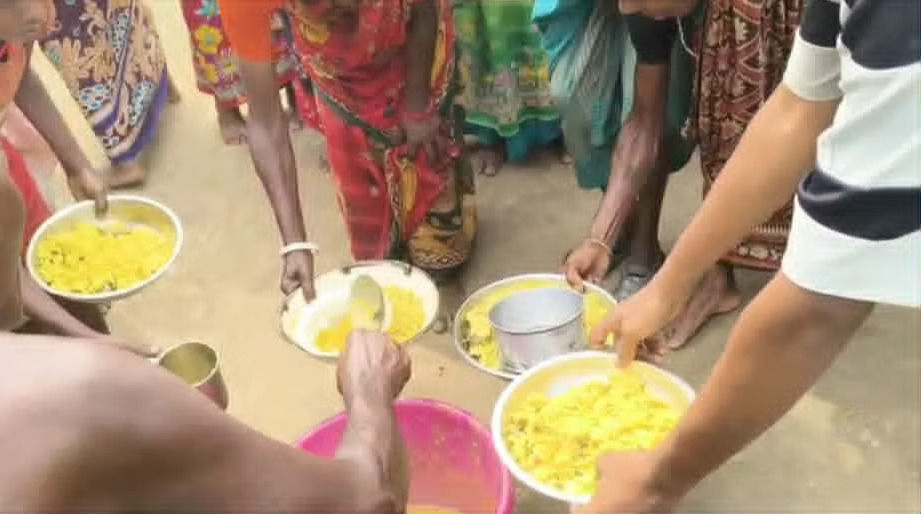
Lotus Ministry Trust Volunteers Providing Dal
When disaster strikes or economic hardship intensifies, Lotus Ministry's dal distribution initiative becomes a beacon of hope. Operating primarily in Bangladesh, the organization currently reaches over 5,000 families monthly with nutritionally dense mung dal and kichri meals. This plant-based approach differs significantly from conventional aid programs that might prioritize rice alone, which lacks complete protein profiles necessary for health maintenance during crisis situations.
The program's impact extends beyond immediate hunger relief. By providing meals that contain both carbohydrates and complete proteins, recipients maintain better immune function and energy levels during recovery periods. Children particularly benefit, as consistent access to protein supports proper cognitive development even amid challenging circumstances.
Each distribution event serves approximately 400-500 individuals, with priority given to households headed by single mothers, elderly residents without family support, and families with children under five. The organization works alongside local community leaders to identify those most vulnerable to food insecurity.
Nutritional Power of Dal Tackles Food Insecurity Crisis
Dal isn't merely a cultural staple—it's a nutritional powerhouse uniquely suited to address multifaceted food insecurity challenges. A standard 100g serving of cooked mung dal provides approximately 7g of protein (representing 24% of daily requirements for an adult), 4g of fiber, and only 104 calories. This protein-to-calorie ratio makes it an exceptionally efficient food for addressing malnutrition.
Beyond macronutrients, the micronutrient profile of dal addresses hidden hunger—the deficiency of essential vitamins and minerals even when caloric needs are met. Lentils deliver significant amounts of iron (2mg per serving), folate (479μg), and zinc (1.4mg), addressing three common nutritional deficiencies in food-insecure populations.
The plant-based nature of dal also means it can be stored longer than animal-based protein sources, requiring no refrigeration—a crucial advantage in areas with limited infrastructure. This stability makes it ideal for both emergency distribution and ongoing supplementary feeding programs.
How Protein-Rich Lentils Meet Critical Dietary Needs
The strategic selection of dal varieties in Lotus Ministry's food aid program directly addresses specific nutritional challenges faced by vulnerable populations. Mung dal, with its easily digestible profile, proves particularly valuable for young children and elderly recipients who may have compromised digestive systems. The amino acid profile of these lentils complements rice perfectly, creating a complete protein when served together in dishes like kichri.
For pregnant and nursing mothers, the folate content in dal supports maternal health and fetal development, preventing birth defects and supporting lactation. Meanwhile, school-age children receive sustained energy from the complex carbohydrates and protein combination, improving attention spans and learning capacity. Lotus Ministry nutritionists have documented improved height-for-weight ratios in children receiving regular dal supplementation compared to those receiving calorie-equivalent rice-only distributions.
"When we introduced dal into our food aid program, we saw measurable improvements in recipient health metrics within just three months. Hemoglobin levels in women and children increased by an average of 11%, and reported energy levels improved across all age groups. The data confirms what we witnessed firsthand—dal isn't just feeding people; it's nourishing them completely." — Lotus Ministry Nutrition Coordinator
Cost-Effective Solution for Widespread Hunger Relief
The economic efficiency of dal distribution makes it an exceptionally sustainable model for ongoing food assistance. Lotus Ministry's analysis shows that protein-for-protein, dal delivers complete nutrition at approximately one-third the cost of meat-based protein sources. Each kilogram of dal costs approximately $1.20 USD when purchased in bulk and provides roughly 22 adult servings of protein.
Cultural Appropriateness of Dal in Aid Programs
Respecting local food traditions significantly increases aid program success rates, which is why Lotus Ministry's dal distribution has seen remarkable recipient acceptance. Unlike unfamiliar imported foods that sometimes go unused or resold, dal integrates seamlessly into the existing culinary practices of Bangladeshi communities. Recipients consistently report high satisfaction with mung dal and kichri distributions precisely because these foods align with their cultural preferences and cooking methods.

Bangladeshi Communities Welcome Lotus Ministry Trust Food Aid
The cultural significance extends beyond mere familiarity. Dal represents dignity in food aid—allowing recipients to prepare meals according to their traditions rather than accepting pre-packaged meals that might feel foreign or stigmatizing. This cultural connection transforms the psychological impact of receiving aid from one of dependency to one of empowerment and community resilience.
Local cooking demonstrations accompany distribution events, showcasing various preparation methods that maximize nutritional benefits while honoring regional flavor preferences. These demonstrations focus on simple, fuel-efficient cooking techniques that work even in displaced or resource-constrained settings.
Inside the Distribution Effort: From Donors to Recipients
The journey of dal from donor contributions to recipient meals involves a meticulously coordinated supply chain designed for maximum efficiency and minimal waste. Initial funding flows directly to bulk purchasing agreements with regional suppliers, securing favorable pricing that stretches each donation dollar. Lotus Ministry's procurement team ensures each batch meets rigorous quality standards before acceptance, testing for moisture content, foreign material, and cooking quality.
The final distribution phase operates through a hub-and-spoke model, with central warehousing facilities supporting multiple community distribution points. This approach maximizes reach while minimizing transportation costs, allowing more resources to be directed toward food purchasing rather than logistics overhead.
Strategic Distribution Points Maximize Community Reach
Lotus Ministry has revolutionized its distribution network by implementing a data-driven approach to location selection. Rather than establishing permanent centers that might be inaccessible to the most vulnerable, the organization employs a mobile distribution strategy that rotates through communities based on real-time need assessment. This dynamic system allows rapid response to emerging food insecurity hotspots while maintaining predictable schedules for communities with chronic needs.
Each distribution point operates with precision timing, using appointment systems that prevent overcrowding and ensure social distancing—a crucial consideration in post-pandemic aid delivery. Beneficiaries receive specific time slots based on their household size and distance from the distribution point, minimizing wait times and the associated opportunity costs of collecting aid. Special accommodations ensure elderly recipients and those with disabilities receive priority access and assistance with transporting their provisions.
GPS mapping technology now guides the placement of these distribution points, analyzing population density, transportation infrastructure, and security considerations to identify optimal locations that maximize accessibility while minimizing security risks for both staff and recipients. This technological approach has increased the program's reach by 37% while reducing transportation costs by 22% compared to previous years.
Volunteer Network Powers the Aid Program

Volunteers Of Lotus Ministry Trust Food Aid Programs
Behind every successful distribution stands a dedicated network of volunteers who form the backbone of Lotus Ministry's operations. These individuals—many of whom were once aid recipients themselves—bring invaluable local knowledge and community trust to the program. Each distribution team includes a carefully balanced mix of international staff, regional coordinators, and community volunteers who work together to ensure smooth operations.
Volunteer training goes beyond basic distribution protocols to include nutrition education, conflict resolution, and community engagement techniques. This comprehensive preparation enables volunteers to serve as nutrition ambassadors within their communities, extending the impact of the program beyond the distribution events themselves. Many volunteers report that this role transformation—from aid recipient to community leader—has been personally transformative, creating pathways to employment and enhanced social standing.
Distribution Team Composition: 1 Regional Coordinator, 2 Nutrition Specialists, 8-10 Community Volunteers
Standard Training Program: 3-day intensive followed by monthly skill development sessions
Volunteer Retention Rate: 87% continue service for more than one year
Volunteer Career Advancement: 42% of current staff began as program volunteers
Overcoming Logistical Challenges in Rural Areas
Reaching remote communities presents unique challenges that Lotus Ministry addresses through innovative transportation solutions.
Lotus Ministry's Quality Control Measures
Quality assurance forms the cornerstone of Lotus Ministry's dal distribution program, with multi-stage verification processes ensuring recipients receive nutritionally intact food aid. Every batch undergoes laboratory testing for protein content, contaminants, and cooking properties before acceptance into the program. This rigorous screening has resulted in a 99.7% acceptance rate by recipients, with virtually no reports of spoilage or quality concerns despite challenging storage conditions.
Field teams conduct random sampling at distribution points, performing quick-cook tests to verify that dal meets tenderness standards and cooks within the expected time frame. This practical quality check addresses real-world concerns about fuel consumption during cooking, which remains a significant consideration for recipients with limited resources. For more information on the nutritional benefits of dal, you can read about its role as an iron-rich plant-based nutrition.
Digital tracking systems monitor each dal shipment from procurement to final distribution, creating complete traceability and allowing rapid response should quality concerns arise. This technology-enabled oversight has reduced loss rates to under 0.5%, significantly outperforming industry standards for humanitarian food distribution.
Families Share How Dal Aid Changed Their Lives
Beyond statistics and logistics lies the human impact of Lotus Ministry's dal distribution program. In Khulna District, 42-year-old Farida's family faced severe food shortages after flooding destroyed their small vegetable plot. "The regular dal servings meant I could still provide protein for my children," she explains, pointing to her youngest son who maintained healthy growth despite the family's circumstances. "Before, we might eat protein once weekly. Now, we have nutritious meals daily."
Throughout the communities served, similar stories emerge with remarkable consistency. School attendance has improved as children receive adequate nutrition, while healthcare workers report decreased incidence of anemia among women and children receiving regular dal supplementation. These individual narratives collectively illustrate how targeted nutritional intervention through culturally appropriate foods creates ripple effects across entire communities.
Single Mother of Three: "This Food Saved Us"
When Nasreen's husband died unexpectedly last year, the 29-year-old mother of three faced impossible choices between paying rent or feeding her children. "I was diluting our meals more each day, watching my children grow weaker," she recounts, cradling her youngest child. The regular dal distribution from Lotus Ministry provided the nutritional stability her family desperately needed during their most vulnerable period. "The dal and rice aid meant I could use my limited funds for school fees instead of food. My oldest son didn't have to drop out of school to work."
Today, Nasreen has trained as a volunteer nutrition educator with the program, teaching other mothers how to maximize the nutritional impact of their dal rations through proper preparation techniques. "I know exactly what these families are experiencing because I lived it," she says. "Now I can help them while also providing for my own children. This program didn't just feed us—it gave me purpose again."
Village Elder Reports Improved Community Health

Communities Eager For Lotus Ministry Trust's Meal Distribution
In the coastal village of Satkhira, 68-year-old community elder Rahman has witnessed the transformative impact of consistent dal distribution across three generations. "Before this program, we saw many children with swollen bellies and thin limbs—clear signs of protein malnutrition," he explains, gesturing toward the now-vibrant community center where distributions occur. "The health of our youngest ones has visibly improved, and our elders maintain strength longer."
Rahman particularly notes the community-strengthening aspects of the program. "The distributions have become social gatherings where knowledge is shared alongside food. Mothers exchange cooking techniques, traditional recipes are preserved, and the whole village feels supported rather than merely receiving charity." This social dimension reinforces the program's sustainability and community acceptance, creating a foundation for long-term food security that extends beyond emergency relief.
Beyond Emergency Relief: Lotus Ministry's Long-Term Vision
While immediate hunger relief remains a priority, Lotus Ministry has developed a comprehensive five-year plan to transition communities from dependency to self-sufficiency. This strategic approach begins with emergency dal distribution but gradually incorporates agricultural training, seed distribution, and market development to enable communities to produce their own lentil crops. The organization has already established pilot programs in three districts where former aid recipients now cultivate small-scale dal crops, creating a virtuous cycle of local production and consumption.
This transition model incorporates phased benchmarks where communities gradually assume greater responsibility for their nutritional security. Initial success metrics show promising results—in communities where the full program has operated for three years, dependency on external dal donations has decreased by 62%, while local lentil production has increased sevenfold. These results demonstrate the potential for thoughtfully designed food aid to catalyze sustainable agricultural development rather than creating permanent dependency.
Sustainable Food Security Initiative Timeline
Phase | Timeline | Key Activities | Success Indicators |
Emergency Relief | 0-6 months | Direct dal distribution, nutritional education | Reduced acute malnutrition rates, stabilized food security |
Capacity Building | 6-18 months | Agricultural training, seed distribution, cooking demonstrations | 50% of households participate in training programs |
Local Production | 18-36 months | Small-scale dal farming, cooperative development | 30% reduction in external dal dependency |
Market Integration | 36-60 months | Market linkages, value addition training, storage improvements | Functional local dal market, 70% self-sufficiency |
This methodical approach ensures communities don't face abrupt transitions that might compromise nutritional security. Instead, external support gradually shifts from direct food provision to agricultural inputs and technical assistance. Community feedback mechanisms allow continuous program refinement based on local conditions and emerging needs.
Partnership with Local Farmers to Source Dal
Creating sustainable local food systems requires strong connections between aid organizations and agricultural communities. Lotus Ministry has pioneered an innovative model that contracts with Bangladeshi farmers to grow specific dal varieties for the aid program. These guaranteed purchase agreements provide farmers with income security while creating locally sourced supply chains that reduce transportation costs and carbon footprints.
Currently, 43% of all dal distributed through the program comes from within a 200km radius of distribution points—a percentage that increases annually as more local farmers join the initiative. Participating farmers receive agricultural extension support, including drought-resistant seed varieties and organic cultivation techniques that improve yields while maintaining soil health. The program specifically targets small-scale farmers with holdings under two acres, creating economic opportunities for those who might otherwise be marginalized in commercial agricultural markets.
Women farmers represent a growing percentage of program participants, with female-led farms now constituting 38% of all dal suppliers. This gender-inclusive approach creates additional income streams for households where women traditionally had limited economic opportunities, further strengthening community resilience against food insecurity.
How You Can Support the Dal Distribution Program

Lotus Ministry Trust Provides Dal
The continued success of Lotus Ministry's dal distribution relies on a diverse support network spanning individual donors, corporate partners, and volunteer contributors. The program's efficient operating model ensures that support translates directly into nutritional impact—each $25 donation provides enough dal to meet the protein needs of a family of four for an entire month. This remarkably efficient conversion of funds to nutrition makes the program particularly attractive to donors seeking maximum humanitarian impact per dollar contributed.
Financial Contributions: Every Dollar Feeds Families
Direct financial support remains the most flexible and immediately impactful way to advance Lotus Ministry's dal distribution efforts. The organization has developed a transparent funding model where donors can clearly see how their contributions translate into meals distributed. A monthly donation of $75 provides comprehensive nutrition for three families throughout the year, while larger contributions support infrastructure improvements that enhance distribution efficiency. All donations receive detailed impact reports showing exactly how funds were utilized and the resulting nutritional outcomes in recipient communities.
Corporate Sponsorship Opportunities
For businesses seeking meaningful corporate social responsibility initiatives, Lotus Ministry offers structured partnership programs that align with commercial objectives while delivering substantial humanitarian impact. These partnerships range from straightforward financial sponsorship to more integrated approaches involving employee engagement, cause marketing, and supply chain collaboration.
Companies in the food sector can contribute through in-kind donations of dal, rice, or packaging materials, while logistics firms often provide transportation support that significantly reduces distribution costs. Technology companies have partnered to improve the organization's digital tracking systems, enhancing efficiency across all operations.
"Our partnership with Lotus Ministry transformed our CSR approach from passive donation to active engagement. Our employees now volunteer monthly at distribution centers, and our logistics expertise helps optimize delivery routes. The program's clear metrics allow us to quantify our social impact while addressing critical food security needs." — Corporate Partner
Each corporate partnership is customized to leverage the specific strengths and interests of the participating business, creating mutually beneficial relationships that sustainably support the dal distribution program while providing partners with meaningful impact stories and employee engagement opportunities.
Volunteer Positions Available Now
Beyond financial support, Lotus Ministry actively recruits volunteers with diverse skill sets to strengthen various aspects of the dal distribution program. Logistics specialists improve supply chain efficiency, while nutrition experts develop educational materials that help recipients maximize the health benefits of their dal rations. Remote volunteering opportunities include digital skills support, translation services, and fundraising assistance, allowing global contributors to support the program regardless of their location. Interested volunteers can apply through the organization's website, specifying their availability and relevant expertise.
FAQ About Lotus Ministry's Dal Aid Program
As the dal distribution initiative has grown, certain questions regularly arise from potential supporters and community members. The following responses address the most common inquiries about the program's operations, impact measurement, and participation opportunities.
Who qualifies to receive dal through Lotus Ministry's program?
Lotus Ministry employs a community-based selection process that identifies the most vulnerable households through both quantitative assessment and local knowledge. Primary recipients include female-headed households, families with children under five showing signs of malnutrition, elderly individuals without family support, and people with disabilities affecting their ability to secure adequate nutrition. The selection process involves community committees working alongside Lotus Ministry staff to ensure fair distribution while prioritizing those with the most acute needs. Anyone can recommend a family for consideration by contacting their local distribution coordinator.
Can I earmark my donation for a specific community?
Yes, donors may designate their contributions to specific geographic regions where Lotus Ministry operates, though the organization recommends allowing flexible allocation to address the most urgent needs as they emerge. For donors with connections to particular communities, the program offers "community sponsorship" opportunities where progress updates and impact stories from the designated area are shared regularly. Corporate donors frequently sponsor entire villages or districts, receiving comprehensive impact reports that track nutritional improvements over time.
How does Lotus Ministry measure the impact of their food aid program?
Impact assessment employs both quantitative and qualitative methodologies to create a comprehensive understanding of program effectiveness. Quantitative metrics include the number of meals distributed, protein content delivered, and cost-per-beneficiary figures that track operational efficiency. Health indicators such as hemoglobin levels, height-for-weight ratios in children, and reported energy levels are sampled quarterly to assess nutritional improvements. Qualitative assessment involves structured interviews with recipients, community leaders, and local healthcare providers to gauge wider community impacts and identify emerging needs or program refinements.
The organization publishes annual impact reports detailing these metrics alongside personal stories that illustrate the human dimension of the program's success. Independent third-party evaluators periodically review methodologies and findings to ensure objective assessment and continuous improvement in both operations and measurement approaches.
For those interested in supporting this vital work, Lotus Ministry provides multiple pathways to engage with their mission of nutritional security through culturally appropriate, sustainable food aid. Contact their donor relations team today to discuss how your contribution can make a meaningful difference in the lives of families receiving essential dal nutrition.





Comments