
Lotus Ministry Trust In Bangladesh - Rice & Digestive Health Benefits Explained

Rice & Digestive Health: What You Need To Know
Rice is one of the most gut-friendly staple foods on the planet — easy to digest, low in fiber irritants, and naturally soothing to an inflamed gut lining.
When paired with lentils, rice forms a nutritionally complete meal that reduces digestive stress while delivering essential amino acids the body needs.
Kitchari, a 5,000-year-old Ayurvedic dish made from rice and mung dal, is still used today as a therapeutic cleansing food — and there's good reason it has lasted that long.
Only 25% of children in Bangladesh meet the minimum dietary diversity standard, making culturally appropriate foods like rice and lentils critical to both nutrition and gut health outcomes.
Lotus Ministry Trust is one of the organizations reaching the most food-insecure rural communities in Bangladesh with exactly these kinds of targeted, digestive-health-supporting food packages.
Help Our Volunteers - They Depend On You
Support us directly through the founders' PayPal

Rice has been quietly solving digestive problems for thousands of years — and modern nutrition science is finally catching up to what ancient food traditions already knew.
Across South Asia, rice is not just a food. It is the foundation of daily meals, cultural identity, and in many cases, the first thing given to someone recovering from illness. This is not coincidence. Rice has a unique set of properties that make it exceptionally easy for the human gut to process, even under stress. Understanding why rice works so well for digestive health also explains why it sits at the center of food relief programs like those run by Lotus Ministry Trust in rural Bangladesh.
Rice Is Central to Bangladesh's Food Security — and Gut Health
Bangladesh is one of the most rice-dependent nations in the world. For millions of families, rice is consumed at nearly every meal. But this dietary pattern is not just cultural habit — it reflects a deep practical reality. Rice is affordable, shelf-stable, easy to cook, and remarkably gentle on the digestive system. In food-insecure communities where gut health is already compromised by irregular eating, contaminated water, and limited dietary variety, rice provides a stable, low-irritant source of energy that the body can absorb efficiently.
The problem is access. United Nations agencies and humanitarian partners have found that only 25% of children in Bangladesh meet the minimum dietary diversity standard of four out of seven food groups daily. That gap has real consequences — not just for overall nutrition, but specifically for gut development, immune function, and long-term digestive health.
What Lotus Ministry Trust Actually Does in Bangladesh
Lotus Ministry Trust is a humanitarian organization that delivers rice and lentil packages directly to rural Bangladeshi communities where larger aid organizations rarely reach. Their model is straightforward and effective: identify the villages with the greatest food insecurity and bring culturally appropriate, nutritionally relevant food directly to those people.
Who They Serve and Where
The communities Lotus Ministry Trust serves are located along narrow dirt paths in rural Bangladesh, far from urban food markets and conventional aid distribution points. The people receiving these packages include women, children, and elderly individuals — the populations most vulnerable to the compounding effects of poor nutrition on gut health and immune resilience.
These are not communities that can wait for systemic change. Digestive health deteriorates quickly under conditions of food insecurity, and children in particular face lasting developmental consequences when their gut microbiome is disrupted during critical growth windows.
Ingredient | Primary Digestive Benefit | Key Nutrient |
White Rice | Easy to digest, low gut irritation | Simple carbohydrates, B vitamins |
Brown Rice | Supports gut motility via fiber | Magnesium, fiber, antioxidants |
Red Lentils | Feeds beneficial gut bacteria | Plant protein, folate, iron |
Mung Dal | Reduces gut inflammation | Amino acids, zinc, potassium |
The combination of rice and lentils also addresses a critical issue in food relief contexts: digestive tolerance. When someone has been eating irregularly or is recovering from illness, introducing high-fiber or heavily processed foods can worsen gut distress. Rice and lentils offer a middle path — nourishing without overwhelming a compromised digestive system.
How Distribution Reaches Remote Villages
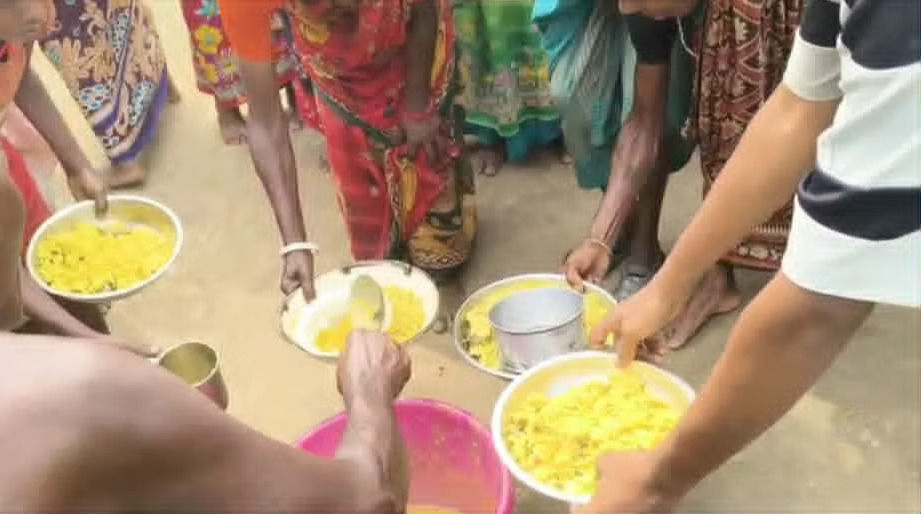
Lotus Ministry Trust moves supplies along routes that larger organizations overlook, using local knowledge and community relationships to reach families who would otherwise receive no assistance. Distribution points are set up directly in villages, where recipients gather around large cooking vessels or collect raw supplies to prepare at home.
Why Rice Is a Digestive Health Staple

Stand Behind Those Who Serve — Support Our Volunteers Now
Support us directly through the founders' PayPal
Rice earns its reputation as a digestive staple not through marketing but through measurable biological compatibility with the human gut. Its starch structure, low allergen profile, and near-absence of common gut irritants make it one of the safest foods for nearly every digestive condition — from general sensitivity to acute gastrointestinal illness.
Rice Is Gentle on the Gut Lining
The gut lining is a single-cell-thick barrier that controls what enters the bloodstream and what gets expelled. When this lining becomes inflamed — from infection, stress, poor diet, or contaminated water — it becomes hypersensitive to roughage, complex proteins, and fermentable fibers. White rice bypasses almost all of these triggers. Its simple starch structure is broken down quickly in the small intestine, requiring minimal digestive effort and generating very little fermentation byproduct in the colon. To learn more about rice and its benefits, you can read about the Bangladesh Food Relief efforts.
This is precisely why the BRAT diet — Bananas, Rice, Applesauce, Toast — has been recommended for decades as a recovery protocol for diarrhea and gastrointestinal upset. Rice sits at the center of that protocol because it firms stool, reduces gut transit irritation, and delivers caloric energy without aggravating an already stressed digestive tract.
How White Rice Supports Digestive Recovery
White rice is what the digestive system reaches for when it needs to heal. Stripped of its outer bran layer, white rice loses some fiber content but gains something more valuable in a recovery context: digestibility. The starch granules in cooked white rice are tightly packed and highly accessible to digestive enzymes, meaning the small intestine can extract glucose from it quickly and cleanly, with minimal residue left to ferment in the colon.
For communities in Bangladesh dealing with waterborne illness, parasitic infection, or simply the gut stress that comes from inconsistent eating, white rice acts as a reset button. It delivers energy without demanding much from a digestive system that is already working hard just to maintain basic function. This is not a compromise — it is a clinically recognized advantage that makes white rice one of the most reliable recovery foods available.
Brown Rice and Fiber's Role in Gut Motility
Brown rice tells a different story. With its bran layer intact, brown rice delivers a meaningful dose of insoluble fiber — the kind that adds bulk to stool and keeps the digestive tract moving at a healthy pace. This mechanical effect on the colon reduces transit time, which in turn lowers the amount of time waste products sit against the gut lining. For populations dealing with chronic constipation linked to low dietary fiber intake, brown rice is a straightforward and effective intervention.
Brown rice also contains magnesium, a mineral that plays a direct role in muscle contractions throughout the digestive tract. When magnesium levels are low — which is common in food-insecure populations — gut motility slows, leading to bloating, discomfort, and irregular bowel movements. Including brown rice in relief packages where feasible adds a layer of digestive support that goes beyond simple caloric delivery.
The Nutritional Power of Rice and Lentils Together
Individually, rice and lentils are already impressive foods. Together, they become something rare in plant-based nutrition: a functionally complete meal. The amino acid profiles of rice and lentils complement each other almost perfectly — where rice falls short in lysine, lentils are rich in it, and where lentils lack methionine, rice supplies it in abundance. This means that a bowl of rice and lentils delivers all nine essential amino acids the human body cannot produce on its own.
Complete Protein From an Incomplete Pair
Protein is not just a muscle-building nutrient. It is the raw material the gut uses to repair its lining, produce digestive enzymes, and maintain the integrity of the mucosal barrier that protects the body from harmful pathogens. In communities where animal protein is scarce or unaffordable, the rice-lentil combination fills that gap in a way that very few other affordable food pairings can match.
The protein quality of this combination is particularly important for children. A developing digestive system requires consistent amino acid availability to build the cellular structures of the gut wall, support the growth of beneficial bacteria, and produce the secretory immunoglobulins that line the intestinal tract. Without adequate protein, these systems underperform — and the consequences compound over time into chronic digestive vulnerability.
How This Combination Reduces Digestive Stress
Lentils contain prebiotic fiber — specifically resistant starch and oligosaccharides — that feeds beneficial bacteria in the large intestine. When these bacteria ferment prebiotic fiber, they produce short-chain fatty acids like butyrate, which directly nourish the cells lining the colon. This process reduces gut inflammation, strengthens the intestinal barrier, and creates an environment where harmful bacteria struggle to establish themselves.
Pairing lentils with rice moderates this fermentation process in a helpful way. The easily digestible starch in rice slows the rate at which lentil fiber reaches the colon, reducing the likelihood of gas and bloating that can occur when large amounts of fermentable fiber hit the large intestine too quickly. The combination effectively gives the gut the benefits of prebiotic feeding without the digestive discomfort that can accompany a high-lentil meal eaten alone.
Only 25% of Bangladeshi Children Meet Basic Dietary Standards
That figure — confirmed by United Nations agencies and humanitarian partners — is not just a nutrition statistic. It is a gut health crisis. Dietary diversity is one of the strongest predictors of a healthy gut microbiome, and when children consume fewer than four of the seven core food groups daily, their microbial diversity suffers. A low-diversity microbiome is linked to increased intestinal permeability, higher rates of foodborne illness, slower recovery from infection, and greater risk of developing chronic digestive conditions in adulthood. Rice and lentil packages do not solve the full diversity gap — but they establish a nutritional foundation that makes other foods more effective when they do become available.
How Cultural Food Relevance Affects Digestive Outcomes
There is a dimension of digestive health that rarely appears in clinical nutrition literature but shows up clearly in outcomes data: food familiarity. The gut does not just respond to nutrients — it responds to the entire experience of eating, including the psychological comfort of recognizing what is on the plate. Introducing unfamiliar foods to food-insecure populations often triggers stress responses that actively impair digestion, reducing enzyme secretion, slowing motility, and increasing gut permeability.
Familiar Foods Reduce Gut Inflammation
When the brain perceives food as safe and familiar, it signals the vagus nerve to activate the parasympathetic nervous system — the physiological state in which digestion works most efficiently. Heart rate slows, stomach acid secretion increases appropriately, and the muscles of the digestive tract engage in coordinated peristaltic movement. This is the state in which nutrients are absorbed most effectively and the gut lining is most protected from inflammatory damage.
Rice and lentils trigger exactly this response in South Asian communities because they have been central to the diet for generations. The body recognizes them. Enzyme systems are calibrated for them. The gut microbiome has been shaped by them over a lifetime of exposure. Delivering these specific foods — rather than nutritionally equivalent but culturally foreign alternatives — is not just a logistical convenience. It is a meaningful factor in how well the nutritional content of those foods actually gets absorbed and used.
Why Kichri Works as a Therapeutic Meal
Kichri — also spelled kitchari — is a 5,000-year-old Ayurvedic dish made from basmati rice and mung dal (split mung beans), typically cooked together with gentle spices like turmeric, cumin, and ginger. In Ayurvedic medicine, it is considered the ultimate cleansing food because it is simultaneously easy to digest, nutritionally complete, and anti-inflammatory. Modern nutritional science supports that reputation. The combination of easily digestible white rice starch with the prebiotic fiber and plant protein of mung dal creates a meal that feeds the gut without taxing it.
The spices used in traditional kichri preparation add another layer of digestive benefit. Turmeric contains curcumin, a well-documented anti-inflammatory compound that directly reduces cytokine activity in the gut lining. Cumin stimulates bile production, which improves fat digestion and reduces bloating. Ginger accelerates gastric emptying — the rate at which food moves from the stomach into the small intestine — which reduces nausea and the sensation of heaviness after eating. Together, these ingredients make kichri one of the most therapeutically complete single-dish meals in any food tradition.
Rice Relief Is Digestive Relief for Food-Insecure Communities

Our Volunteers Need You — Be Their Strength Today
Support us directly through the founders' PayPal
When food insecurity is chronic, the digestive system operates in a constant state of stress. Irregular meal timing disrupts the circadian rhythm of gut motility. Contaminated water introduces pathogens that damage the intestinal lining. Low dietary diversity starves the gut microbiome of the varied substrates it needs to maintain a healthy, resilient bacterial community. In this context, a consistent supply of rice and lentils is not just a caloric intervention — it is a direct form of digestive medicine. It restores the regularity of eating, introduces prebiotic fiber to rebuild the microbiome, and provides the amino acids needed to repair a gut lining that has likely been compromised for months or years.
Lotus Ministry Trust's food relief work in Bangladesh operates at exactly this intersection of hunger relief and gut health restoration. By delivering rice and lentil packages to the rural communities most likely to be missed by larger aid organizations, they are addressing the foundational layer of health — digestive function — without which all other nutritional interventions become significantly less effective.
Frequently Asked Questions
Here are answers to the most common questions about rice, digestive health, and why these foods matter so much in food relief contexts.
Is white rice or brown rice better for digestive health?
It depends on what your gut needs right now. White rice is better for digestive recovery — when the gut is inflamed, irritated, or recovering from illness, white rice is easier to digest and less likely to cause further irritation. It is rapidly broken down in the small intestine with minimal fermentation residue, making it ideal for conditions like diarrhea, gastroenteritis, or post-infection gut sensitivity.
Brown rice, on the other hand, is better for long-term gut health maintenance. Its bran layer provides insoluble fiber that feeds beneficial bacteria, supports healthy bowel movement frequency, and delivers magnesium for smooth muscle function throughout the digestive tract. In a healthy gut with no acute inflammation, brown rice is the stronger daily choice. In a compromised gut, white rice is the smarter short-term option — and switching to brown rice as recovery progresses is a practical and effective transition.
Why are rice and lentils served together in food relief programs?
Complete amino acid profile: Rice is rich in methionine but low in lysine. Lentils are the opposite. Together, they provide all nine essential amino acids needed for gut repair and immune function.
Prebiotic and digestible starch balance: Lentils deliver fermentable fiber that feeds beneficial gut bacteria, while rice moderates the fermentation rate to reduce gas and bloating.
Nutritional density at low cost: The rice-lentil combination delivers protein, complex carbohydrates, iron, folate, and B vitamins in a format that is affordable, shelf-stable, and easy to prepare without refrigeration or complex equipment.
Cultural familiarity: In South Asia, rice and lentils have been paired for thousands of years. Familiar foods activate the parasympathetic nervous system, optimizing digestive function and nutrient absorption.
Therapeutic versatility: The same base combination can be prepared as a simple boiled dish for recovery eating or as a spiced kichri for more robust nutritional delivery — making it adaptable to both acute and ongoing food relief needs.
The rice and lentil pairing is not a logistical compromise. It is one of the most nutritionally intelligent combinations in plant-based food history, and its presence at the center of food relief programs reflects both practical efficiency and genuine nutritional wisdom.
Can eating rice help with an upset stomach?
Yes — and this is one of the most well-supported applications of rice in digestive health. The BRAT diet, which has been recommended by healthcare providers for decades as a recovery protocol for gastrointestinal distress, places rice at its core specifically because of its binding properties and low gut irritation profile. Cooked white rice firms loose stool by absorbing excess water in the large intestine and reducing the speed of gut transit. Learn more about Bangladesh food relief efforts involving rice.
Rice also has a very low allergen profile compared to most other staple grains. It contains no gluten, minimal fermentable oligosaccharides, and very few compounds known to trigger immune responses in the gut. This makes it suitable for people with a wide range of digestive sensitivities — including those with irritable bowel syndrome, celiac disease, or general gluten intolerance — who may react badly to wheat, barley, or rye-based alternatives.
For an acutely upset stomach, plain cooked white rice eaten in small, frequent portions is one of the most effective and accessible dietary interventions available. It delivers energy, requires minimal digestive effort, and creates the stable internal environment the gut needs to begin healing.
How does food insecurity affect gut health long term?
Chronic food insecurity creates a cascade of gut health problems that compound over time. Irregular eating disrupts the migrating motor complex — the pattern of gut contractions that cleanses the intestine between meals — leading to bacterial overgrowth in the small intestine. Persistent low dietary diversity reduces gut microbial richness, weakening the immune defense functions that a diverse microbiome provides. In children, these effects during critical developmental windows can result in permanently altered gut architecture, reduced digestive enzyme capacity, and lifelong vulnerability to gastrointestinal disease. The earlier and more consistently adequate nutrition is restored, the better the outcome — which is precisely why consistent food relief with nutritionally appropriate staples like rice and lentils matters beyond immediate hunger relief.
What is kichri and why is it used in humanitarian food programs?
Kichri is a traditional South Asian dish made by cooking rice and split lentils — most commonly mung dal — together in a single pot, often with turmeric, cumin, and ginger. It has been prepared across South Asia and the Middle East for at least 5,000 years and holds a significant place in Ayurvedic medicine as a healing and cleansing food. Its longevity as a therapeutic dish is not coincidental — it reflects accumulated cultural knowledge about how specific food combinations affect digestion and recovery.
In humanitarian food programs, kichri appears in large-scale community feeding operations because it scales efficiently. A single large cooking vessel can feed dozens of people at once using just two primary ingredients that are inexpensive, shelf-stable, and widely available in South Asian supply chains. The dish requires no refrigeration, minimal preparation skill, and very little cooking equipment — making it ideal for distribution in remote rural areas without reliable infrastructure.
From a nutritional standpoint, kichri covers multiple bases simultaneously. It delivers complete protein through the rice-lentil amino acid complementarity, anti-inflammatory compounds through turmeric, digestive stimulation through cumin and ginger, and prebiotic fiber through the mung dal — all in a single low-cost meal that the gut recognizes and processes efficiently.
Scalable preparation: One large pot feeds many people using only basic cooking equipment and two core ingredients.
Complete nutrition: Delivers protein, carbohydrates, anti-inflammatory compounds, and prebiotic fiber in a single dish.
Culturally appropriate: Recognized and trusted across South Asian communities, supporting better digestive response and meal acceptance.
Therapeutically validated: 5,000 years of Ayurvedic use backed by modern nutritional research on its component ingredients.
Gut-gentle profile: Easy to digest even for compromised or recovering digestive systems, making it suitable for children, the elderly, and those recovering from illness.
Kichri's presence in both ancient healing traditions and modern food relief programs is a compelling example of traditional food wisdom aligning with contemporary nutritional science. It works on multiple levels at once — and in a food relief context, that efficiency is invaluable.






Comments