
Kichri Distribution by Lotus Ministry Trust for Neglected Bangladeshis

Key Takeaways
Lotus Ministry Trust delivers nutritious kichri meals to remote villages in northern Bangladesh that larger aid organizations typically cannot reach.
Just $25 provides a month of kichri meals for a family of five, making it one of the most cost-effective hunger relief programs in the region.
Kichri's cultural familiarity in Bangladesh leads to higher acceptance rates among recipients compared to foreign food aid programs.
The program has expanded significantly since 2021, now reaching thousands of families in northern Bangladesh's most isolated communities.
Beyond immediate hunger relief, regular kichri distribution has led to improved school attendance and reduced malnutrition-related illnesses in participating villages.
Support Lotus Ministry Trust's
Food Aid Programs For Neglected Bangladeshis
In Bangladesh's most forgotten villages, a simple meal of rice and lentils is saving lives. While international aid organizations focus on urban centers and accessible regions, Lotus Ministry Trust has built a network reaching the most isolated communities with life-sustaining kichri distributions since 2021.
Families in remote northern Bangladesh face chronic food insecurity that larger charities often overlook. Lotus Ministry Trust has developed a targeted approach that delivers culturally appropriate, nutritious meals directly to these overlooked communities. Their kichri program specifically addresses the nutritional deficiencies common in the region while respecting local dietary preferences and traditions.
The impact of regular, reliable food distribution extends far beyond immediate hunger relief. Children return to school, parents can focus on rebuilding livelihoods, and entire communities begin the journey toward self-sufficiency with the foundation of consistent nutrition.
Lotus Ministry Trust Brings Life-Saving Kichri to Bangladesh's Forgotten Villages
When flooding or economic hardship strikes northern Bangladesh, the most remote villages frequently fall through the cracks of international aid networks. Operating where other organizations cannot or will not go, Lotus Ministry Trust has established distribution channels that reach these isolated communities with lifesaving nutrition. Their teams navigate challenging terrain and overcome logistical hurdles to ensure no family is forgotten in the fight against hunger.
Local community leaders partner with Lotus Ministry teams to identify the most vulnerable households, ensuring aid reaches those with the greatest need. This community-based approach builds trust and creates sustainable relationships that extend beyond emergency relief into long-term development partnerships. Rather than imposing outside solutions, Lotus Ministry Trust empowers local leaders to participate in addressing their communities' challenges.
The stories emerging from these villages demonstrate the profound impact of regular kichri distribution. In Dinajpur district, an entire fishing community saw their livelihoods devastated by successive flooding seasons that destroyed boats and equipment. The regular kichri distributions provided a crucial nutritional safety net while they rebuilt their economic foundations. Today, many of these families have recovered enough to become donors themselves to the program that sustained them through crisis.
Why Kichri Is The Perfect Solution For Bangladesh's Hunger Crisis
Kichri stands out among food aid options for its perfect alignment with Bangladesh's nutritional needs and cultural preferences. This traditional South Asian dish combines rice and lentils into a complete protein source that addresses multiple nutritional deficiencies in a single, familiar meal. For communities facing severe food insecurity, this simple combination delivers essential macro and micronutrients in a format that requires minimal preparation.
Complete Protein In One Simple Meal
The genius of kichri lies in its nutritional completeness achieved through simple ingredients. By combining rice (carbohydrates) with lentils (protein), the meal creates a complete amino acid profile that supports growth, immune function, and overall health. This makes it particularly valuable for growing children and pregnant women who face the most severe consequences from malnutrition.
Lotus Ministry Trust's kichri recipe has been specifically formulated to maximize nutritional density while maintaining cultural familiarity. The addition of minimal spices enhances palatability while turmeric provides anti-inflammatory benefits. Each serving delivers approximately 400 calories with 15 grams of protein, making it an excellent foundation for daily nutrition in food-insecure environments.
Easy Digestion For Malnourished Bodies
For individuals suffering from malnutrition, digestibility becomes a critical factor in food aid effectiveness. Kichri's soft, easily digestible texture makes it appropriate even for those with compromised digestive systems due to prolonged hunger or illness. The cooking process breaks down complex starches and proteins, making nutrients more bioavailable even to weakened bodies.
Cultural Acceptance Among Local Communities
The cultural familiarity of kichri significantly increases acceptance rates among aid recipients. Unlike some international food aid programs that introduce unfamiliar ingredients or preparation methods, Lotus Ministry Trust's kichri program builds upon existing dietary preferences. This cultural alignment ensures higher participation rates and greater nutritional impact. Local community members recognize the dish, understand its preparation, and readily incorporate it into their family meals.
Community feedback sessions conducted by Lotus Ministry Trust reveal overwhelming satisfaction with the kichri program compared to previous food aid initiatives. Recipients frequently mention the dignity they feel in receiving culturally appropriate food rather than foreign products they don't know how to prepare or fully utilize. This cultural sensitivity has been a key factor in the program's rapid expansion throughout northern Bangladesh.
Cost-Effective Distribution Model
Lotus Ministry Trust operates on a remarkably efficient model where just $25 provides a month of kichri meals for a family of five. This cost-effectiveness means even modest contributions translate directly into nutritional support for families in crisis. The program achieves this efficiency through local sourcing of ingredients, volunteer participation, and streamlined distribution systems that minimize overhead costs while maximizing impact.
By purchasing rice and lentils in bulk from regional suppliers, Lotus Ministry Trust simultaneously supports local economies while reducing costs. Their transparent financial model ensures that over 90% of all donations go directly toward food procurement and distribution, with minimal administrative overhead. This efficiency has attracted partners ranging from individual donors to larger foundations seeking maximum impact for their humanitarian investments.
How Lotus Ministry Reaches Communities Other Charities Miss

Support Life-Saving Food Programs For
Bangladesh's Forgotten Communities Through Lotus Ministry Trust
Rural Village Networks Built Since 2021
Since establishing operations in 2021, Lotus Ministry Trust has methodically expanded its network into increasingly remote villages across northern Bangladesh. What began as emergency response to seasonal flooding has evolved into a systematic program reaching communities previously considered inaccessible to traditional aid organizations. This expanding network now includes dozens of villages across multiple districts where regular kichri distributions form the foundation of improved food security.
The organization's village selection process prioritizes communities with limited access to government services, high rates of childhood malnutrition, and minimal presence of other aid organizations. This strategic approach ensures resources reach those with the fewest alternative support options. Each new village integration follows a careful protocol of community leader engagement, needs assessment, and gradual program implementation to ensure sustainability. For more information on their initiatives, you can read about their Kitchari aid program.
Mobile Distribution Teams
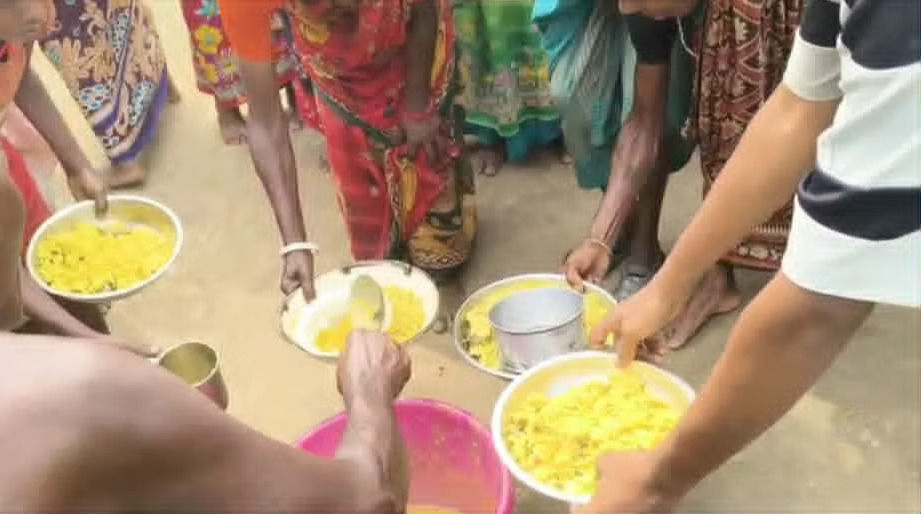
Specialized mobile teams transport prepared kichri to communities where cooking facilities are limited or fuel is scarce. These teams overcome tremendous logistical challenges—from washed-out roads during monsoon season to remote locations requiring hours of travel by boat or on foot. Their dedication ensures that geography never determines who receives nutritional support.
In other locations, Lotus Ministry provides ingredients and cooking equipment to community kitchens where locals prepare the kichri themselves. This approach builds community ownership while providing employment opportunities for village residents who staff these kitchens. The dual distribution models allow for flexible response to different community needs and capabilities.
Targeted Relief For Most Vulnerable Populations
Within each community, Lotus Ministry Trust works with local leaders to identify households most vulnerable to malnutrition. Special emphasis is placed on families with pregnant women, young children, elderly members, or individuals with disabilities who face heightened nutritional risks. This targeted approach ensures limited resources reach those who will benefit most significantly from consistent nutritional support.
Community health workers trained by Lotus Ministry Trust conduct regular assessments to monitor the nutritional status of recipient families, particularly focusing on children under five. This ongoing evaluation allows for adjustments to distribution quantity and frequency based on observed outcomes. The data-driven approach maximizes impact while building valuable health surveillance capacity within remote communities.
The Impact Of Regular Kichri Distribution
The consistent provision of nutritious kichri has transformed communities across northern Bangladesh in measurable ways. Health clinics report significant decreases in malnutrition-related conditions while schools note improved attendance and academic performance. These outcomes demonstrate how addressing basic nutritional needs creates a foundation for broader community development and resilience against future challenges.
64% Reduction In Malnutrition-Related Illness
Health monitoring data collected across participating villages shows a remarkable 64% reduction in malnutrition-related illnesses within the first six months of regular kichri distribution. Local clinics report fewer cases of kwashiorkor, marasmus, and other protein-energy malnutrition conditions, particularly among children under five. This dramatic improvement demonstrates how consistent access to a balanced, protein-rich food source can quickly reverse dangerous nutritional deficiencies.
Medical professionals working with Lotus Ministry Trust document visible improvements in recipient children's physical development, including healthier weight gain, improved muscle tone, and enhanced immune response. Even more encouraging, these health gains persist after acute crisis periods end, suggesting the program builds lasting resilience rather than simply providing temporary relief. The nutrient profile of kichri specifically addresses the most common deficiencies in the region, making it an ideal intervention for long-term health improvement.
School Attendance Improvements
Schools in villages receiving regular kichri distributions report significant increases in student attendance and participation. When children are properly nourished, they have the energy to walk to school, focus on lessons, and engage in learning activities. Teachers note that students who previously missed school to help search for food or due to hunger-related illness now attend consistently.
In one Rangpur district village, school attendance rose from 63% to 91% within four months of beginning regular kichri distribution. Academic performance metrics showed corresponding improvements, with test scores rising an average of 27% across all subjects. These educational gains represent one of the most promising long-term benefits of the program, as improved education creates generational pathways out of poverty.
"Before Lotus Ministry brought kichri to our village, I would see my classroom half-empty most days. Children were too weak from hunger to attend, or families kept them home to search for food. Now my classroom is full, and the students have energy to learn. This food is feeding their minds as well as their bodies." - Rashida Begum, Primary School Teacher, Nilphamari District
Community Health Indicators
Beyond individual nutrition, the kichri program influences broader community health metrics. Villages receiving regular distributions show decreases in waterborne illness rates, as families no longer resort to contaminated water sources in desperate searches for food. Mental health improvements are also evident, with community leaders reporting reduced stress levels and fewer conflicts over scarce resources.
Perhaps most significantly, infant mortality rates have begun to decline in participating communities. While multiple factors influence this critical metric, nutritional support for pregnant and nursing mothers creates the foundation for healthier births and infant development. These interconnected health improvements demonstrate how nutritional security serves as a cornerstone for overall community wellbeing.
Beyond Food: Lotus Ministry's Comprehensive Support
Educational Programs
Alongside kichri distribution, Lotus Ministry Trust conducts nutrition education sessions that empower families to maximize local food resources. These workshops cover topics from kitchen gardening techniques to optimal meal preparation methods for nutritional preservation. By combining immediate food relief with knowledge transfer, the program builds long-term food security capacity within recipient communities.
Children's education receives special attention through after-school programs that combine nutritional supplementation with academic support. These initiatives recognize that well-nourished children still need educational opportunities to break intergenerational poverty cycles. The holistic approach addresses both immediate hunger and the knowledge gaps that perpetuate food insecurity.
Community Development Initiatives
Lotus Ministry Trust views kichri distribution as an entry point for broader community development work. As relationships deepen with recipient villages, the organization introduces complementary programs addressing water access, healthcare, and economic development. These integrated initiatives create synergistic effects that amplify the impact of nutritional support alone. For more information on their efforts, visit the Lotus Ministry Trust.
Help Feed Families Today

Stand With Lotus Ministry Trust
To Provide Meals for Bangladesh's Most Neglected
1. Donate To Fund Kichri Preparation
Direct financial contributions remain the most efficient way to support Lotus Ministry Trust's kichri distribution network. With just $25 feeding a family of five for an entire month, even modest donations create significant impact. The organization's transparent financial reporting allows donors to track exactly how their contributions translate into meals served.
Monthly recurring donations provide especially valuable program stability, allowing Lotus Ministry Trust to make longer-term commitments to vulnerable communities. These predictable revenue streams enable the organization to expand systematically into new villages while maintaining existing distribution networks. Donors receiving regular impact reports can witness how their consistent support transforms communities over time.
2. Sponsor A Village's Monthly Supply
For donors seeking deeper connection to specific communities, village sponsorship programs provide an opportunity to fund an entire community's monthly kichri supply. These sponsorships (typically ranging from $500-$1,500 monthly depending on village size) create immediate food security for dozens of families. Sponsors receive detailed impact reports including photos, testimonials, and health outcome data from their specific village.
Corporate sponsors often select this high-impact giving option as part of their social responsibility programs. The tangible outcomes and clear attribution make village sponsorships particularly attractive for organizations seeking to demonstrate meaningful humanitarian impact to stakeholders and employees.
3. Volunteer For Distribution Teams
Skilled volunteers, particularly those with logistics, nutrition, or healthcare backgrounds, can apply to join distribution teams operating in northern Bangladesh. These hands-on roles involve everything from quality control in central kitchens to distribution coordination in remote villages. While challenging, these positions offer unparalleled opportunities to directly participate in humanitarian relief while developing cross-cultural competencies.
Virtual volunteer opportunities exist for professionals unable to travel but willing to contribute specialized skills remotely. Nutritionists help optimize kichri recipes, logistics experts improve distribution efficiency, and marketing professionals amplify awareness campaigns. These remote contributions allow global participation in Lotus Ministry Trust's mission regardless of geographic location.
4. Spread Awareness Online
Social media advocates play a crucial role in expanding Lotus Ministry Trust's support network by sharing information about the kichri program's impact. Simply following the organization's accounts (@LotusMinstryTrust) and sharing content helps introduce new potential supporters to this vital work. Personal testimonials about why you support the mission particularly resonate with networks seeking meaningful humanitarian engagement.
Content creators can request information packets, photos, and beneficiary stories to produce their own awareness materials. These grassroots advocacy efforts help Lotus Ministry Trust reach new audience segments without expensive marketing campaigns, maximizing the funds available for direct aid distribution.
5. Partner Your Organization With Lotus Ministry
Institutional partnerships multiply impact through combined resources and complementary expertise. Faith communities, civic organizations, schools, and businesses can establish formal partnerships with Lotus Ministry Trust to support kichri distribution while engaging their members in meaningful humanitarian action.
Your Support Creates Lasting Change In Bangladesh
Every contribution to Lotus Ministry Trust's kichri program—whether financial, volunteer time, or awareness-building—directly strengthens food security for Bangladesh's most vulnerable communities. Beyond immediate hunger relief, this support creates cascading benefits in health, education, community stability, and economic development. By addressing fundamental nutritional needs, you help create the foundation upon which sustainable futures are built. To learn more about supporting this vital work, visit Lotus Ministry Trust today.
Frequently Asked Questions
As Lotus Ministry Trust's kichri program gains recognition, we receive many questions about our approach, impact, and opportunities for involvement. Below are answers to the most common inquiries from supporters and potential partners.
These responses reflect our commitment to transparency and accountability in all aspects of our humanitarian work.
What exactly is kichri and why is it effective for hunger relief?
Kichri is a traditional South Asian dish made primarily from rice and lentils, often seasoned with minimal spices like turmeric. Its effectiveness for hunger relief stems from several key factors: it combines carbohydrates and proteins to create a complete nutritional profile; it's easily digestible even for malnourished individuals; it's culturally familiar to Bangladeshi communities; it can be prepared in large quantities with minimal equipment; and its ingredients are cost-effective and locally available. This combination makes kichri uniquely suited to address both immediate hunger and longer-term nutritional deficiencies in a culturally appropriate, sustainable manner.
How does Lotus Ministry ensure the food reaches the most vulnerable people?
Lotus Ministry Trust employs a multi-layered targeting system to ensure kichri reaches those most in need. We begin by selecting villages based on food insecurity data, access to other aid programs, and logistical feasibility. Within each village, we partner with local leaders and conduct household assessments to identify families with highest vulnerability factors—including presence of pregnant/nursing women, children under five, elderly individuals, people with disabilities, and extremely low income. Distribution records are meticulously maintained and regularly audited, while feedback mechanisms allow community members to report any concerns about the fairness of distribution processes.
What percentage of donations goes directly to food distribution?
Lotus Ministry Trust maintains exceptionally low overhead, with 92% of all donations directly supporting food procurement, preparation, and distribution. The remaining 8% covers essential administrative functions including financial accountability, program evaluation, and donor reporting. This high efficiency ratio significantly exceeds industry standards for humanitarian organizations and reflects our commitment to maximizing the impact of every contribution. Our annual financial reports are publicly available on our website and provide detailed breakdowns of expenditures across all program areas.
Our commitment to financial transparency extends to regular updates sent to donors showing exactly how their contributions translate into meals served. We believe this accountability strengthens trust and demonstrates responsible stewardship of the resources entrusted to our organization.
Can I volunteer if I don't speak Bengali or have never been to Bangladesh?
Absolutely! While Bengali language skills and familiarity with Bangladesh are valuable assets, they're not requirements for all volunteer positions. We offer comprehensive cultural orientation and basic language training for international volunteers. Many critical roles—particularly in logistics coordination, nutritional program development, and communication—can be effectively filled by volunteers without prior Bangladesh experience. Additionally, we offer numerous remote volunteer opportunities that support our mission from anywhere in the world, including content creation, fundraising assistance, and specialized professional services.
How sustainable is the kichri distribution program long-term?
Lotus Ministry Trust designs sustainability into every aspect of our kichri program. Rather than creating dependency, we establish distribution schedules with clear timelines for transitioning communities toward self-sufficiency. This includes gradually shifting from complete meal provision to ingredient supply with community cooking, then to agricultural support and microenterprise development that builds food security capacity. Our monitoring data shows that communities typically need full support for 6-18 months before transitioning to partial assistance models. The program's focus on local ingredient sourcing, community participation, and complementary education initiatives all contribute to long-term sustainability beyond the immediate relief phase.
By addressing immediate hunger while simultaneously building community capacity, Lotus Ministry Trust works toward a future where external food aid becomes unnecessary. Every meal served today represents not just immediate hunger relief but a step toward sustainable food security for Bangladesh's most vulnerable communities.







Comments