
Ancient Wisdom, Lotus Ministry Trust: The Secrets of Kitchari Unveiled with Organic Mung Dal

Kitchari is a 5,000-year-old Ayurvedic dish made from mung dal and basmati rice that is still used today as a powerful cleansing and healing food.
The combination of mung dal and rice creates a complete protein, making kitchari one of the most nutritionally balanced plant-based meals you can prepare.
Specific spices like turmeric, cumin, and coriander are not just flavor additions — they are functional ingredients with documented anti-inflammatory and digestive benefits.
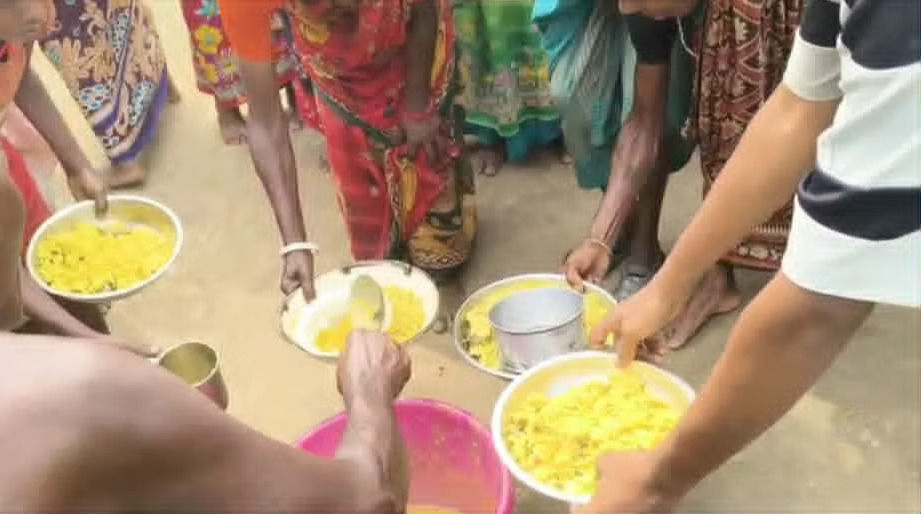
Lotus Ministry Trust uses kitchari-style meals to feed thousands of families in Bangladesh, proving that ancient food wisdom has real-world humanitarian impact.
Keep reading to discover the exact ingredient ratios, step-by-step method, and modern adaptations that make kitchari one of the easiest healing meals you can cook tonight.
Help Lotus Ministry Trust Continue
Support us directly through the founders' PayPal

One bowl of kitchari can reset your digestion, calm inflammation, and nourish your body at a cellular level — and most people have never heard of it.
Kitchari (also spelled khichdi) is the cornerstone of Ayurvedic nutrition, a complete meal disguised as simple comfort food. It combines split mung dal and basmati rice with warming spices to create something that works on your body far beyond what the ingredient list suggests. Organizations like Lotus Ministry Trust have even taken this ancient formula into active humanitarian work, using it to nourish thousands of families in crisis conditions in Bangladesh.
Kitchari Has Been Healing People for Thousands of Years
Long before modern nutritional science could explain why kitchari works, Ayurvedic practitioners were prescribing it as a first-line remedy for digestive issues, recovery from illness, and full-body detoxification. The dish is simple by design — and that simplicity is exactly what gives it such broad therapeutic power.
Its Origins in Ayurvedic Medicine
Ayurveda, the traditional Indian system of medicine, dates back over 5,000 years and is built on the principle that food is medicine. Within this system, kitchari holds a unique position as one of the only foods considered tridoshic — meaning it balances all three constitutional types (doshas): Vata, Pitta, and Kapha. This is extraordinarily rare for a single dish. Most foods are recommended for one or two body types, but kitchari is considered universally healing, which is why it has survived millennia without modification.
Why Ancient Indians Considered It a Sacred Food
In ancient India, kitchari was not just everyday food — it was the food given to the sick, the elderly, newborns transitioning to solids, and anyone undergoing a spiritual fast or cleanse. The reasoning was straightforward: the body expends enormous energy on digestion. When you eat kitchari, that digestive burden drops significantly, freeing your body to redirect energy toward repair and regeneration. Ancient Ayurvedic texts referred to this process as supporting agni, or digestive fire, without overwhelming it.
How Lotus Ministry Trust Carries This Tradition Forward
What began as ancient temple food has found a powerful modern application through organizations like Lotus Ministry Trust. Operating in rural Bangladesh, the Trust serves kitchari-style meals — built on the same mung dal and rice foundation — to over 5,000 families monthly. These are communities facing acute food insecurity, and the choice of kitchari is intentional: it delivers complete protein, complex carbohydrates, and essential micronutrients in a format that is low-cost, easy to prepare at scale, and gentle enough for malnourished digestive systems.
Mung dal and rice together form a complete amino acid profile, covering protein needs without any animal products
The dish is low-allergen and safe for most dietary restrictions including gluten intolerance
Kitchari is inexpensive to produce at scale, making it ideal for food relief programs
Its soft, porridge-like texture makes it accessible for children, the elderly, and those recovering from illness
Spices used in the recipe provide natural antimicrobial and anti-inflammatory support in populations with limited access to healthcare
Organic Mung Dal Is the Heart of Kitchari

You Can Be The Source Of Hope
Support us directly through the founders' PayPal
You can swap the rice, adjust the spices, and add vegetables — but the one ingredient you should never compromise on is the mung dal. It is the nutritional and functional core of the entire dish.
What Makes Mung Dal Different from Other Legumes
Most legumes require long soaking times, extensive cooking, and still produce digestive discomfort in many people due to their oligosaccharide content. Split mung dal is different. It is one of the most bioavailable legumes available, meaning your body absorbs its nutrients efficiently and with minimal digestive stress. It cooks relatively quickly, breaks down into a creamy consistency that melds seamlessly with rice, and does not produce the bloating or gas associated with chickpeas, black beans, or lentils in many individuals.
Why Organic Matters for Mung Dal Specifically
Mung dal is a high-absorption crop, which means it readily takes up whatever is in the soil it grows in — including pesticide residues. When you are eating kitchari specifically for its detoxifying and healing properties, introducing pesticide-laden legumes directly undermines the purpose of the meal. Certified organic mung dal ensures you are working with a clean ingredient that supports rather than burdens your detox pathways.
Protein, Fiber, and Folate: The Nutritional Breakdown
Split mung dal delivers an impressive nutritional profile per serving. A one-cup cooked portion provides approximately 14 grams of plant-based protein, 15 grams of dietary fiber, and is particularly rich in folate — a critical B vitamin for DNA synthesis and cellular repair. It also contains meaningful amounts of magnesium, potassium, and iron. Combined with basmati rice, which contributes easily digestible complex carbohydrates and additional B vitamins, the duo creates a nutritionally complete meal that requires no supplementation to be effective.
The Spices That Make Kitchari a Natural Remedy
The spices in kitchari are not decoration. Every single one serves a specific physiological function, and together they elevate the dish from a simple grain-and-legume bowl into something closer to a functional medicine protocol. This is the part of the recipe most people skip over — and it is exactly where the real secrets live.
Traditional kitchari uses a tadka (spice bloom) technique, where whole or ground spices are briefly cooked in ghee or oil before being added to the dish. This process activates fat-soluble compounds in the spices — particularly curcumin in turmeric — dramatically increasing their bioavailability compared to simply adding dry spices to water.
Turmeric: The Anti-Inflammatory Powerhouse
Turmeric is non-negotiable in a traditional kitchari recipe. Its active compound, curcumin, has been studied extensively for its ability to inhibit NF-kB, a molecule that travels into cell nuclei and activates inflammation-related genes. In practical terms, this means regular turmeric consumption can help reduce chronic low-grade inflammation — the kind linked to digestive issues, joint pain, and metabolic dysfunction. The fat in ghee used during the tadka process increases curcumin absorption by up to several times compared to consuming turmeric with water alone.
Cumin and Coriander: Digestive Allies You Should Not Ignore
Cumin and coriander are the digestive workhorses of the kitchari spice blend. Cumin stimulates the secretion of pancreatic enzymes, which directly supports the breakdown of proteins and fats in the gut. This is not folk belief — enzyme stimulation through dietary compounds is a well-documented mechanism, and cumin's role in this process has been recognized in Ayurvedic practice for centuries before modern science confirmed it.
Coriander complements cumin by acting as a carminative, meaning it reduces gas and intestinal cramping by relaxing the smooth muscle of the digestive tract. Together, these two spices create a synergistic digestive environment that makes kitchari not just easy to eat, but actively therapeutic for anyone dealing with IBS, bloating, or sluggish digestion. Add fresh ginger to this mix and you have a three-way digestive protocol built directly into your dinner.
Kitchari as a Cleansing and Healing Tool
Kitchari's reputation as a cleansing food is not marketing language — it is rooted in a specific physiological logic. When your digestive system is not straining to break down complex, hard-to-digest foods, your liver, kidneys, and lymphatic system can redirect their resources toward filtering metabolic waste and accumulated toxins. Kitchari creates exactly that low-effort digestive environment, consistently and reliably.
How Kitchari Supports Gut Health and Detoxification
The fiber content in mung dal acts as a prebiotic, feeding beneficial gut bacteria and supporting a healthy microbiome. A well-functioning microbiome is directly tied to immune regulation, mood stability through the gut-brain axis, and efficient elimination of waste — all of which are compromised when the gut is inflamed or dysbiotic. Kitchari's combination of soluble fiber, anti-inflammatory spices, and easy digestibility makes it one of the most gut-supportive meals you can prepare from scratch.
Ghee, the clarified butter traditionally used in kitchari, adds another layer of gut support. It contains butyrate, a short-chain fatty acid that serves as the primary fuel source for colonocytes — the cells lining your colon. Adequate butyrate intake is associated with reduced intestinal permeability, which means a lower risk of the "leaky gut" phenomenon that allows undigested food particles and bacterial toxins to enter the bloodstream. One tablespoon of ghee in your kitchari is doing meaningful structural work in your gut, not just adding flavor.
Why It Is the Go-To Meal During Ayurvedic Cleanses
During a traditional Ayurvedic cleanse called Panchakarma, patients eat kitchari exclusively — sometimes for days or weeks at a time. The reasoning is precise: the body needs complete nutrition during a cleanse to function and detoxify effectively, but it cannot be burdened with difficult digestion at the same time. Kitchari threads that needle perfectly, delivering macronutrients, micronutrients, and therapeutic compounds without taxing the digestive system.
Modern mono-diet cleanses — where people consume only juice or broth — often leave participants fatigued and nutritionally depleted because they strip away protein and essential fats. A kitchari cleanse avoids this entirely. You are getting complete protein from the mung dal, healthy fat from ghee, complex carbohydrates from basmati rice, and a full spectrum of anti-inflammatory phytonutrients from the spice blend. Your body gets everything it needs to function while simultaneously offloading the work of heavy digestion.
Even a short three-day kitchari cleanse can produce noticeable changes in energy levels, skin clarity, and digestive regularity for many people. The results are not dramatic in a harsh, depleting way — they are gentle, cumulative, and sustainable, which is exactly the Ayurvedic intention.
Traditional Ayurvedic Cleanse Protocol Using Kitchari: • Days 1–2: Transition off processed foods. Begin eating kitchari for at least one meal per day. Eliminate alcohol, caffeine, and refined sugar. • Days 3–5: Eat kitchari exclusively for all three meals. Drink warm water or herbal tea between meals. Rest as much as possible. • Days 6–7: Gradually reintroduce steamed vegetables and light soups. Continue one kitchari meal daily. • Ongoing: Incorporate kitchari two to three times per week as a digestive reset meal, particularly after periods of rich eating or stress.
Who Benefits Most from Eating Kitchari Regularly
Almost anyone benefits from adding kitchari to their regular rotation, but certain groups experience especially pronounced results. People with chronic digestive conditions like IBS, Crohn's disease, or SIBO often report significant symptom relief when kitchari replaces harder-to-digest meals. Its low-FODMAP potential when prepared without high-FODMAP vegetables, combined with its anti-inflammatory spice profile, makes it one of the safest healing foods for sensitive guts.
Beyond digestive conditions, kitchari is particularly valuable for people recovering from illness, surgery, or periods of high stress — all situations where the body's resources are stretched thin and nutrition needs to be maximally efficient. It is also ideal for older adults whose digestive enzyme production naturally declines with age, and for anyone transitioning to a plant-based diet who needs a reliable, complete-protein anchor meal in their weekly plan.
How Lotus Ministry Trust Uses Kitchari for Food Relief

Share Your Kindness
Support us directly through the founders' PayPal
The ancient wisdom of kitchari is not confined to wellness retreats and Ayurvedic clinics. Lotus Ministry Trust has taken this foundational meal directly into some of the most food-insecure communities in rural Bangladesh, where access to diverse nutrition is severely limited and the consequences of protein deficiency are acute and visible.
The Trust's approach mirrors the Ayurvedic logic precisely: provide a nutritionally complete, easy-to-digest, low-cost meal that supports the body's resilience rather than simply filling stomachs. In humanitarian food programs, this distinction is critical. A meal that delivers complete protein and anti-inflammatory compounds does fundamentally different work than one that delivers only calories.
Feeding Over 5,000 Families Monthly in Bangladesh
Lotus Ministry Trust currently serves kitchari-style meals to over 5,000 families every month across rural Bangladesh. These distributions target communities hit hardest by flooding, displacement, and chronic poverty — populations where children and the elderly are at highest risk of protein-energy malnutrition. The mung dal and rice combination that has nourished Indian communities for five millennia is now doing the same work in a different geography, with the same results.
The logistics of feeding at this scale demand ingredients that are affordable, shelf-stable, nutritionally dense, and easy to prepare in bulk without specialized equipment. Kitchari meets every one of those requirements, which is why it has become the operational backbone of the Trust's food relief program rather than a supplementary offering.
Why Plant-Based Meals Outperform Rice-Only Aid Programs
Rice-only food aid programs address caloric deficiency but leave protein and micronutrient gaps that have serious long-term health consequences, particularly for children's cognitive development and immune function. By incorporating mung dal into the base meal, Lotus Ministry Trust delivers a complete amino acid profile in every serving — a nutritional upgrade that costs relatively little per serving but produces substantially better health outcomes for recipients.
The Role of Complete Proteins in Crisis Nutrition
In crisis nutrition contexts, complete protein is not a luxury — it is a medical necessity. Protein deficiency during recovery from illness, disaster, or displacement leads to muscle wasting, impaired immune response, and slowed wound healing. The mung dal and rice combination in kitchari provides all nine essential amino acids, making it one of the few plant-based meals capable of meeting total protein requirements without supplementation. This is precisely why Ayurvedic tradition designated it as healing food, and why organizations like Lotus Ministry Trust have adopted it as their primary distribution meal.
How to Make Traditional Kitchari at Home
Making kitchari at home is straightforward, but the details matter. The ratios, the spice bloom technique, and the cooking method all influence whether your final bowl is a mediocre grain dish or a genuinely therapeutic meal. For a deeper understanding of the process, you can explore the secrets of kitchari in this comprehensive guide. Follow these steps carefully the first time, and the process will become second nature.
The Core Ingredient Ratios to Get Right
The foundational ratio for traditional kitchari is 1 part split mung dal to 1 part basmati rice, cooked in 4 to 6 parts water depending on your preferred consistency. Use less water for a pilaf-like texture, more water for a creamy, porridge-style result that is closer to the traditional Ayurvedic preparation. Always rinse both the dal and rice thoroughly until the water runs clear — this removes excess starch and surface residues that can make the dish gluey or heavy.
Step-by-Step Cooking Instructions
Start by blooming your spices — this is the step most home cooks skip, and it is the single biggest difference between flat-tasting kitchari and the real thing. Heat one to two tablespoons of ghee in a heavy-bottomed pot over medium heat. Add one teaspoon of cumin seeds and let them sizzle for about 30 seconds until fragrant. Follow with one teaspoon of ground coriander, half a teaspoon of ground turmeric, half a teaspoon of ground ginger (or one teaspoon of freshly grated), and a pinch of asafoetida (hing) if you have it. Stir constantly for another 30 seconds — you are activating fat-soluble compounds, not burning spices.
Once your tadka is ready, add the rinsed mung dal and basmati rice directly to the pot and stir to coat everything in the spiced ghee. Pour in your water, add one teaspoon of salt, and bring the whole pot to a boil. Reduce heat to low, cover, and simmer for 25 to 35 minutes, stirring occasionally, until the dal and rice have fully broken down into a unified, creamy consistency. The finished texture should resemble a thick, savory porridge — not two separate grains sitting in broth. If it thickens too much, add warm water in small increments and stir through.
Rinse 1 cup split mung dal and 1 cup basmati rice until water runs clear
Bloom spices in 1–2 tbsp ghee: cumin seeds, coriander, turmeric, ginger, and hing
Add rinsed dal and rice to the spiced ghee and stir to coat
Pour in 4–6 cups of water depending on desired consistency
Season with 1 teaspoon of sea salt
Bring to a boil, then reduce heat, cover, and simmer 25–35 minutes
Stir occasionally and add warm water if needed to maintain porridge texture
Finish with a squeeze of fresh lemon juice and a handful of fresh cilantro
Slow Cooker and Instant Pot Adaptations
For a slow cooker, complete the tadka step in a separate pan first — do not skip it. Add the spiced ghee mixture, rinsed dal, rice, water, and salt to your slow cooker, then cook on low for 6 to 8 hours or high for 3 to 4 hours. The result is an incredibly creamy, deeply flavored kitchari that requires almost no active attention. This method works particularly well if you are preparing kitchari during a cleanse and want it ready when you wake up or return from work.
In an Instant Pot, use the sauté function to build your tadka directly in the pot. Add the dal, rice, 4 cups of water, and salt, then seal the lid and cook on high pressure for 8 minutes followed by a 10-minute natural pressure release. The Instant Pot produces a slightly thicker, denser kitchari than stovetop — add a half cup of additional water before sealing if you prefer a looser consistency. Both methods are legitimate and produce excellent results; the stovetop method simply gives you the most control over the final texture.
Vegetables and Proteins You Can Add Without Breaking Tradition
Traditional Ayurvedic kitchari is intentionally simple — the minimal ingredient list is not laziness, it is therapeutic precision. That said, adding vegetables is absolutely acceptable, provided you choose ones that align with the dish's digestive-ease philosophy. The best additions are soft, quick-cooking vegetables that integrate naturally into the porridge texture rather than sitting on top as contrasting elements. For more insights on this dish, you can explore the kitchari recipe secrets.
Zucchini — cubes in during the last 10 minutes of cooking, melts into the texture beautifully
Spinach or kale — stir in fresh leaves during the final 5 minutes for iron and folate
Sweet potato — adds natural sweetness and beta-carotene; add cubed pieces with the dal and rice
Cauliflower florets — excellent for Kapha types; add in the last 15 minutes
Fresh ginger root — grate directly into the tadka for intensified digestive support
Coconut milk — replace one cup of water with full-fat coconut milk for a richer, creamier result without compromising the Ayurvedic foundation
For added protein beyond the mung dal, paneer (fresh Indian cheese) cubes are the most traditional addition and hold their shape well in the final dish. For a fully plant-based version, tofu pressed and lightly sautéed in ghee before adding works well. Avoid adding hard legumes like chickpeas or kidney beans — they undermine the easy-digestion principle that makes kitchari therapeutically distinct from regular dal.
Kitchari Is Ancient Medicine You Can Cook Tonight
Five thousand years of consistent use across an entire healing tradition is not coincidence — kitchari works because its core design is nutritionally and physiologically intelligent. Complete protein, anti-inflammatory spices, prebiotic fiber, and bioavailable fat all assembled in a single bowl that takes under 40 minutes to prepare. Whether you are cooking it for personal healing, digestive rest, or simply as a deeply nourishing weeknight meal, the fundamentals remain unchanged from what Ayurvedic practitioners prescribed millennia ago. Start with organic split mung dal, do not skip the ghee tadka, and let the spices do their work.
Frequently Asked Questions
If you are new to kitchari, you likely have a few practical questions before committing to your first batch. The most common ones come down to ingredients, safety, and purpose — all of which have clear, straightforward answers.
The dish is simpler than most people expect, and the variables are forgiving once you understand the core logic behind each ingredient. Here is what people ask most often.
What Is the Difference Between Kitchari and Regular Dal?
Regular dal is a cooked lentil or legume dish served alongside rice as a separate component of a meal. Kitchari is the combination of mung dal and rice cooked together in a single pot until they merge into a unified, porridge-like consistency. The cooking-together method is not just a convenience — it changes the digestive profile of the meal entirely. The starches and proteins intermingle during cooking in a way that makes the final dish significantly easier to digest than eating rice and dal as two distinct components.
Additionally, kitchari always includes a specific spice tadka bloomed in fat, which regular dal preparations do not always feature. This spice activation process is central to kitchari's therapeutic function and is what distinguishes it as an Ayurvedic medicinal food rather than just a grain-and-legume dish.
Can I Use Regular Mung Dal Instead of Organic?
You can, but it is worth understanding the trade-off. Conventional mung dal may carry pesticide residues that are counterproductive if your goal is using kitchari for detoxification or gut healing. If organic is unavailable or cost-prohibitive, soaking the dal for 4 to 8 hours before cooking and rinsing thoroughly will reduce surface residues meaningfully. For everyday cooking outside of a cleanse protocol, conventional dal is acceptable. For therapeutic or cleansing use, organic is the smarter investment given the relatively low cost difference per serving.
Is Kitchari Safe to Eat Every Day?
Yes — and in Ayurvedic tradition, it is actively recommended as a daily food for people with sensitive digestion, during seasonal transitions, or in recovery from illness. Its nutritional completeness means you are not missing key macronutrients by relying on it heavily. The fiber content supports daily elimination, the spices provide ongoing anti-inflammatory support, and the complete protein sustains muscle and cellular function. For variety, adjust the vegetables and spice intensity rather than changing the base recipe, which keeps the therapeutic core intact while preventing meal fatigue.
What Does Lotus Ministry Trust Do with Kitchari Donations?
Lotus Ministry Trust channels donations directly into the procurement of mung dal, basmati rice, spices, and cooking supplies for its food relief operations in rural Bangladesh. Every contribution funds the preparation and distribution of complete, nutritionally balanced meals to families facing food insecurity — particularly in flood-affected and poverty-stricken communities where protein deficiency is a documented health crisis. The Trust's model prioritizes nutritional density over volume, meaning donations produce measurable health outcomes rather than simply filling a caloric gap.
Can Kitchari Be Made Gluten-Free?
Kitchari is naturally gluten-free in its traditional form. Neither mung dal nor basmati rice contains gluten, and the spices used in the standard recipe — turmeric, cumin, coriander, ginger, and asafoetida — are inherently gluten-free when purchased in pure, unblended form. The one variable to check is asafoetida (hing), which is sometimes cut with wheat flour in certain commercial preparations. Look for pure asafoetida resin or a certified gluten-free powdered version, or simply omit it if you have celiac disease or severe gluten sensitivity.
Ghee is also naturally free of lactose and milk proteins after the clarification process, making it safe for most dairy-sensitive individuals. For those with a full dairy allergy, cold-pressed coconut oil is an acceptable substitute that maintains the fat-soluble spice activation function of the tadka, though it does shift the flavor profile slightly toward tropical rather than traditional.
If you are cooking for someone with multiple dietary restrictions, kitchari is one of the most accommodating healing foods available — naturally free of gluten, easily made vegan, and inherently low in common allergens while still delivering complete nutrition in every bowl.










Comments