
2026 Lotus Ministry Trust Rice Supply Continues

Key Takeaways
Lotus Ministry Trust's 2026 rice supply program is feeding 50,000 families monthly across Bangladesh with culturally-appropriate nutritional support.
A donation of just $50 provides enough rice to feed a family of five for an entire month through efficient distribution systems.
Beyond immediate relief, the Trust combines rice distribution with nutrition education and community empowerment initiatives for lasting impact.
The program has distributed over 150,000kg of rice since the devastating 2022 floods, creating a crucial safety net for communities.
Help Lotus Ministry Provide Essential Nutrition
The 2026 rice supply and distribution initiative by Lotus Ministry Trust isn't just addressing immediate hunger—it's creating a foundation for lasting food security in Bangladesh's most vulnerable communities. Following the devastating floods of 2022, millions of families continue to struggle with crop failures and limited access to nutritious food. Lotus Ministry Trust has responded with a comprehensive program that delivers not just rice, but hope for sustainable recovery.
Rural Bangladesh faces unique challenges when it comes to food security. Limited infrastructure, seasonal flooding, and economic barriers create a perfect storm of vulnerability. The Trust's approach addresses these challenges through culturally-appropriate aid that respects local dietary preferences while meeting essential nutritional needs.
2026 Rice Supply Program at a Glance
The expanded 2026 rice supply program builds on years of careful community assessment and relationship-building. What began as emergency relief has evolved into a systematic approach to food security that reaches families other organizations often miss due to logistical challenges. By focusing on rice—the dietary staple and cultural cornerstone of Bangladesh—the Trust provides both caloric foundation and cultural connection in their food assistance packages.
Monthly distributions now reach 50,000 families across multiple districts, with particular focus on communities still recovering from the 2022 flooding. Each family receives carefully measured quantities designed to supplement existing food sources and ensure no one goes hungry between harvests. The program's expansion in 2026 reflects growing need as climate challenges continue to disrupt traditional agricultural patterns.
Community leaders participate directly in identifying recipient families, ensuring aid reaches those truly in need without creating dependency. This participatory approach builds local ownership and transforms recipients into active partners rather than passive beneficiaries. Through these partnerships, the Trust gains valuable insights about changing conditions on the ground and can rapidly adjust distribution strategies accordingly.
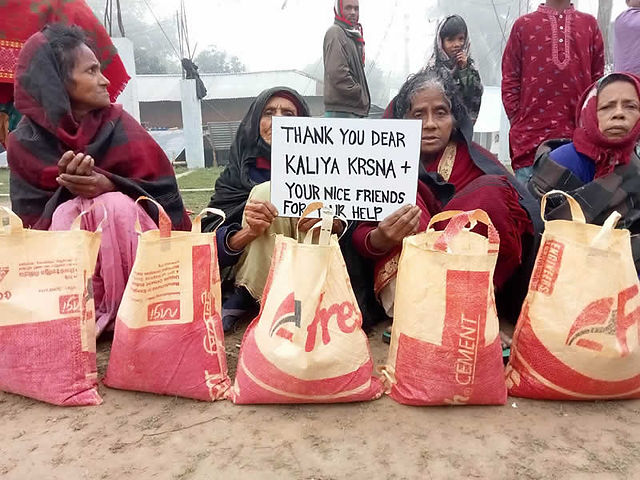
Lotus Ministry Trust's Rice Supply Deliveries Feed 50,000 Families Monthly
"Every $50 donation feeds a family of five for an entire month. We've developed systems that ensure maximum impact from every contribution, transforming donor generosity into nutritional security for families facing impossible choices." - Lotus Ministry Trust Annual Report
The scale of the Trust's operation has grown significantly since its founding in 2021. What began as targeted relief in a handful of communities has expanded to a comprehensive network covering multiple districts. Through partnerships with local organizations and careful logistical planning, rice now reaches families in areas previously considered inaccessible due to poor road conditions or seasonal flooding. For more information on their efforts, visit the Lotus Ministry Trust's blog.
Each monthly distribution follows carefully established protocols to ensure efficiency and dignity. Families receive pre-packaged rice in quantities calculated to meet their specific household size and nutritional requirements. During the intensive six-month program following the 2022 floods, the Trust distributed over 150,000kg of rice, creating a nutritional safety net for communities whose crops had been completely destroyed.
The program doesn't just hand out rice—it creates community resilience. By establishing reliable food access, families can redirect limited resources toward rebuilding livelihoods and investing in children's education rather than making impossible daily choices about who eats and who goes hungry. This approach transforms temporary aid into lasting community transformation.
$50 Donation Feeds Family of Five for a Month
The Trust has developed remarkable efficiency in its supply chain, enabling each $50 donation to provide enough rice to feed a family of five for a full month. This cost-effectiveness comes from direct sourcing from regional farmers, minimal administrative overhead, and extensive volunteer involvement at every stage of distribution. Careful planning ensures that resources stretch further than typical international aid programs, maximizing impact for donor contributions.
Three Northern Districts Receive Priority Distribution
The Trust has identified three northern districts—Kurigram, Gaibandha, and Jamalpur—as priority zones for the 2026 rice supply program based on comprehensive needs assessments. These regions continue to experience food insecurity at alarming rates due to their geographic vulnerability to flooding and limited infrastructure. Distribution centers have been strategically positioned to ensure even the most remote villages receive consistent support, with mobile distribution points reaching communities previously excluded from aid programs.
Local leadership councils in each district help coordinate distribution efforts, ensuring cultural sensitivity and community buy-in. These councils include representatives from various religious and ethnic backgrounds, creating inclusive decision-making that respects the diversity of Bangladesh's rural communities. Through this approach, the Trust builds lasting relationships that extend beyond immediate food relief.
The priority distribution model allows for rapid response when new crises emerge. When unexpected flooding affected parts of Kurigram district in early 2026, the Trust was able to double rice allocations within 48 hours, preventing the acute food shortages that typically follow such events. This flexibility represents a significant advancement in responsive food security programming.

Share the Gift of Nourishment
Partnership Network Ensures Efficient Delivery Despite Rural Challenges
Bangladesh's rural landscape presents formidable logistical challenges for food distribution. Seasonal flooding, limited road infrastructure, and remote settlements could easily derail even well-planned relief efforts. The Trust overcomes these obstacles through an extensive partnership network that includes local transportation providers, community storage facilities, and volunteer distribution teams. This collaborative approach ensures rice reaches intended recipients even when conventional delivery methods fail.
The partnership model extends to government coordination as well. By working closely with local agricultural offices, the Trust aligns its efforts with existing food security initiatives rather than creating parallel systems. This integration maximizes impact and helps build sustainable approaches that will eventually transition from external support to locally-managed food security programs.
How Climate Challenges Shaped the 2026 Rice Supply Chain
Climate change continues to reshape agricultural possibilities across Bangladesh, with direct implications for food relief programs. The Trust has adapted its approach accordingly, developing a climate-responsive supply chain that anticipates disruptions and builds in contingency planning. This forward-thinking approach has proven crucial as weather patterns become increasingly unpredictable, threatening both local rice production and distribution networks.
Recovery from 2022 Flood Damage Continues
The catastrophic floods of 2022 created lasting damage to Bangladesh's agricultural infrastructure, with impacts still visible in 2026. Many farming communities lost not just crops but essential farming equipment, seed stocks, and irrigation systems. The Trust's rice program serves as a nutritional bridge while these communities rebuild their agricultural capacity, preventing malnutrition during the extended recovery period. By providing this safety net, families can focus limited resources on rebuilding rather than daily survival.
Land reclamation efforts continue alongside rice distribution, with the Trust supporting community-led initiatives to restore damaged fields and implement flood mitigation measures.
These parallel efforts recognize that food relief must be accompanied by environmental recovery to create lasting solutions. The 2026 program includes seed distributions alongside rice provisions, helping communities restart local production as reclaimed land becomes viable again.
Local Sourcing Prioritized to Support Regional Farmers
Wherever possible, the Trust purchases rice directly from farmers in regions adjacent to distribution zones. This approach creates economic opportunity for local producers while minimizing transportation costs and carbon footprint. In 2026, approximately 65% of distributed rice comes from within 100 kilometers of distribution points, representing a significant increase in local sourcing compared to previous years.
The local sourcing initiative includes fair price guarantees that often exceed market rates, providing economic stability for participating farmers. This approach recognizes that supporting local agricultural systems creates more sustainable solutions than dependency on imported food aid. By creating reliable markets for local producers, the program strengthens regional food systems while meeting immediate nutritional needs.
Contracts with local farmers include quality control standards and delivery timelines that ensure program integrity while providing predictable income for producers. This structured approach has attracted increasing farmer participation, with waiting lists now existing in several districts as more producers seek to join the program. The Trust provides agricultural training to help farmers meet quality standards, further strengthening local capacity.
The Real Impact: Beyond Food Distribution
While rice distribution forms the core of Lotus Ministry Trust's work, the true impact extends far beyond alleviating immediate hunger. Each bag of rice represents an entry point for deeper community engagement that addresses systemic causes of food insecurity. This holistic approach recognizes that sustainable food security requires both immediate relief and long-term capacity building.
Rural Bangladesh faces complex challenges that simple food distribution alone cannot solve. Through integrated programming, the Trust transforms rice distribution into a catalyst for community development. Recipients become active participants in building sustainable solutions rather than passive beneficiaries of external aid.
Nutritional Education Programs Accompany Rice Deliveries
Each distribution point serves as an educational hub where families learn about optimal nutrition, food preparation techniques, and dietary diversity. While rice provides essential calories, the Trust ensures families understand the importance of complementary foods for complete nutrition. Mobile cooking demonstrations show how to prepare balanced meals even with limited resources, maximizing nutritional value from available ingredients.
Educational materials designed for various literacy levels accompany rice distributions, extending knowledge beyond distribution days. Picture-based guides illustrate proper food storage techniques to prevent spoilage and contamination in challenging storage conditions. This knowledge multiplies the impact of each rice bag by ensuring maximum nutritional benefit and minimal waste.
The nutrition education program pays particular attention to the needs of pregnant women and young children, when proper nutrition has lifelong impacts. Special sessions target these vulnerable groups with specific guidance on meeting increased nutritional requirements during critical developmental periods. This targeted approach addresses intergenerational cycles of malnutrition that persist even when caloric needs are met.
Women-Led Distribution Committees Strengthen Community Engagement
The Trust's distribution model places women at the center of decision-making and implementation. Female-led distribution committees in each community manage recipient identification, verification, and distribution logistics. This approach not only ensures aid reaches those most in need but also strengthens women's leadership roles in traditionally patriarchal communities.
Committee members receive training in food security assessment, conflict resolution, and basic accounting, building valuable skills that extend beyond the rice program. Many committee members have leveraged this experience to pursue other community leadership roles or start small businesses, creating positive ripple effects throughout their communities.
Long-term Food Security Initiatives Take Root
Rice distribution provides immediate hunger relief while the Trust's parallel initiatives address underlying causes of food insecurity. Community seed banks, kitchen garden programs, and small-scale poultry initiatives help families diversify their food sources and reduce dependency on external assistance. These complementary programs use distribution days as opportunities to connect families with resources for building sustainable food production systems.
The Trust's agricultural advisors work closely with community members to identify locally appropriate solutions that respect traditional farming knowledge while introducing sustainable innovations. This collaborative approach ensures solutions fit local environmental conditions, cultural practices, and economic realities rather than imposing external models that may not be sustainable.

Support Food Security for Vulnerable Communities
How Lotus Ministry Trust Maximizes Every Rice Bag
Efficiency isn't just about stretching financial resources—it's about maximizing impact for communities in need. The Trust has refined its approach to ensure each 25kg rice bag creates maximum benefit through careful planning, community partnership, and attention to details often overlooked in large-scale food assistance programs.
1. Direct-to-Family Distribution Model
Unlike programs that distribute through multiple intermediaries, the Trust's direct-to-family model eliminates opportunities for diversion or loss. Rice moves from regional warehouses directly to community distribution points, where families receive their allocations personally. This streamlined approach reduces transportation costs, minimizes handling losses, and ensures families receive their full intended amounts.
The direct model also creates valuable opportunities for relationship building between Trust staff and recipient communities. These relationships facilitate honest feedback about program effectiveness and emerging needs, allowing for continuous improvement and adaptation to changing circumstances.
2. Cultural Sensitivity in Food Selection
The Trust provides rice varieties that match regional preferences rather than a one-size-fits-all approach. Northern communities receive the coarser varieties they prefer for traditional dishes, while communities in other regions receive the finer varieties that suit their culinary traditions. This attention to cultural preferences ensures distributed food is fully utilized and respects the dignity of recipient families.
3. Waste Reduction Strategies
Specialized packaging designed for Bangladesh's humid climate prevents spoilage during storage and transportation. The Trust has invested in moisture-resistant bags and provides storage education to help families maintain rice quality even in challenging housing conditions. These practical measures extend the effective life of each rice bag, particularly important during monsoon season when humidity levels rise dramatically.
4. Local Volunteer Network
An extensive volunteer network drawn from recipient communities handles most distribution logistics, dramatically reducing operational costs. This participatory model creates community ownership of the program while ensuring cultural and contextual sensitivity in all interactions. Volunteers receive training in food handling, record keeping, and conflict resolution, building valuable skills while supporting their communities.
What's New for the 2026 Rice Program
Building on lessons learned from previous years, the 2026 program introduces several innovations designed to extend reach, improve efficiency, and strengthen long-term outcomes. These enhancements respond directly to feedback from recipient communities and observations from field staff.
Additional 10,000 Recipients Added to Distribution Network
Expanding beyond previous operational areas, the 2026 program now reaches an additional 10,000 families in previously underserved regions. This expansion focuses particularly on communities in southwestern coastal areas where rising salinity levels have devastated traditional rice farming. Careful community assessment ensured these additions represented genuine need rather than simply increasing numbers for statistical impact.
The expansion required significant logistical planning, including new storage facilities, transportation networks, and volunteer recruitment. Despite these challenges, the Trust maintained its commitment to direct distribution and community engagement throughout the expanded areas. New regional coordinators drawn from local communities ensure the expansion maintains the Trust's standards of cultural sensitivity and community participation.
Mobile Distribution Points Reach Previously Inaccessible Areas
Innovative mobile distribution units now reach communities previously considered too remote or isolated for regular assistance. These specially equipped vehicles can navigate challenging terrain even during the monsoon season, when many communities become effectively cut off from external support. Each mobile unit carries enough rice to supply approximately 200 families while also serving as platforms for nutrition education and agricultural training.
The mobile approach has proven particularly valuable for reaching nomadic communities and those displaced by environmental changes. Rather than requiring vulnerable families to travel long distances to centralized distribution points, the program now brings assistance directly to where people are. This shift has significantly increased participation among elderly recipients and families with members who have disabilities or mobility challenges. For more information on similar initiatives, check out the Bangladesh Food Relief & Rural Assistance drive.
Your Rice Donation Creates Lasting Change
Supporting Lotus Ministry Trust's rice program creates impacts that extend far beyond immediate hunger relief. Each donation transforms into comprehensive support that addresses both immediate and underlying food security challenges. A $50 contribution provides not just rice but dignity, hope, and pathways toward self-sufficiency for families facing impossible circumstances.
The food crisis in Bangladesh demands urgent action, but it is not insurmountable. Through Lotus Ministry Trust's effective, community-centered approach, your support creates immediate relief while building pathways to sustainable food security. Every donation, regardless of size, contributes to comprehensive solutions that respect local cultures while addressing critical needs.
Frequently Asked Questions
Transparency is central to Lotus Ministry Trust's approach to food assistance. The following information addresses common questions about their rice distribution program, helping donors make informed decisions while understanding the complexities of food insecurity in Bangladesh.
These questions reflect the most common inquiries received from supporters and partners, providing practical insights into how the program operates and creates lasting impact.
How much rice does a typical family receive each month?
Each family receives approximately 25kg of rice monthly, an amount carefully calculated to provide essential calories for a family of five while complementing other food sources. The quantity adjusts based on verified family size, with larger households receiving proportionally more. This amount typically provides the foundation for two daily meals, supplying approximately 60% of a family's caloric needs when prepared with locally available ingredients.
Where exactly does the rice come from?
The Trust sources rice through a carefully developed supply network that prioritizes local production whenever possible. Approximately 65% comes directly from farmers within 100km of distribution areas, supporting local agricultural economies while reducing transportation costs and environmental impact. When local supplies are insufficient, the Trust works with regional agricultural cooperatives that maintain similar quality standards and fair labor practices.
All rice undergoes quality testing before purchase and distribution, ensuring it meets nutritional standards and is free from contamination. The Trust maintains transparency about sourcing, with information about origins available at every distribution point.
Can I sponsor a specific family or community?
While the Trust does not offer individual family sponsorships, donors can direct contributions toward specific districts or communities. This approach balances donor preferences with the program's commitment to equitable distribution based on assessed need. Designated community sponsorships begin at $2,500, which typically provides rice for approximately 50 families for one month.
"I wanted to help a specific village where my grandparents once lived. The Trust worked with me to direct support to that community while ensuring equitable distribution. They even sent me photos and stories showing how the assistance impacted families there. It created a meaningful connection to my heritage while providing practical help." — Tania Rahman, Donor
For donors interested in deeper engagement, the Trust offers community partnership opportunities that include regular updates from specific distribution areas. These partnerships connect donors directly with the communities they support through stories, photos, and impact reports while maintaining recipient dignity.
What happens when rice supplies run low?
The Trust maintains emergency reserves equivalent to one month's distribution at all times, ensuring continuity even when supply chains face disruption. Strategic partnerships with multiple suppliers across different geographic regions provide redundancy that protects against localized shortages. When shortages occur despite these precautions, the Trust implements a carefully designed prioritization protocol that ensures the most vulnerable families—particularly those with pregnant women, young children, or elderly members—continue receiving support.
Donors receive transparent communications about any supply challenges, including specific impacts and mitigation strategies. This honesty has built strong trust with the supporter community, who often respond with additional contributions during challenging periods. The Trust's commitment to transparency extends to recipient communities as well, with clear communication about any necessary adjustments to distribution schedules or quantities.
How does Lotus Ministry Trust ensure rice reaches the intended recipients?
A multi-layered verification system combines community oversight with technological tools to ensure program integrity. Community distribution committees comprised of respected local leaders help identify genuine need while preventing duplication or diversion. The digital verification system introduced in 2026 adds another layer of accountability by tracking each distribution from warehouse to recipient.
Regular third-party monitoring provides additional verification through random spot checks and recipient interviews. These independent assessments verify both the quantity and quality of rice reaching families while gathering valuable feedback about program effectiveness. The combined approach creates mutual accountability that respects recipient dignity while ensuring donor resources create maximum impact.
The Trust publishes quarterly distribution reports showing volumes, recipients, and quality metrics, maintaining complete transparency with donors and partners. This commitment to accountability has earned the organization recognition for operational excellence and ethical standards in humanitarian assistance.
Learn more about how Lotus Ministry Trust is transforming lives through nutritional security and community empowerment in Bangladesh. Every bag of rice represents both immediate relief and a foundation for lasting change.
The Lotus Ministry Trust continues its efforts to supply rice to those in need. Their ongoing work is part of a larger initiative aimed at providing food relief and rural assistance. For more details on their efforts, you can read about the Bangladesh food relief by Lotus Ministry Trust.







Comments