
Moong Dal Recipes, Tips & Split Mung Beans Cooking Mastery
- Jeffrey Dunan
- Feb 24
- 17 min read

Article-At-A-Glance: Split Mung Beans & Moong Dal Mastery
Split mung beans (moong dal) are one of the most protein-rich, easy-to-cook legumes you can add to your weekly meals — and they cook faster than almost any other dal.
There are three distinct types of moong dal, each with different textures and best uses — knowing which one to grab changes everything about your dish.
The secret to restaurant-quality moong dal is a technique called tarka (tempering) — a step most home cooks skip that makes a massive difference in flavor depth.
You can cook perfect moong dal using a stovetop, pressure cooker, or Instant Pot — and each method produces slightly different results worth knowing.
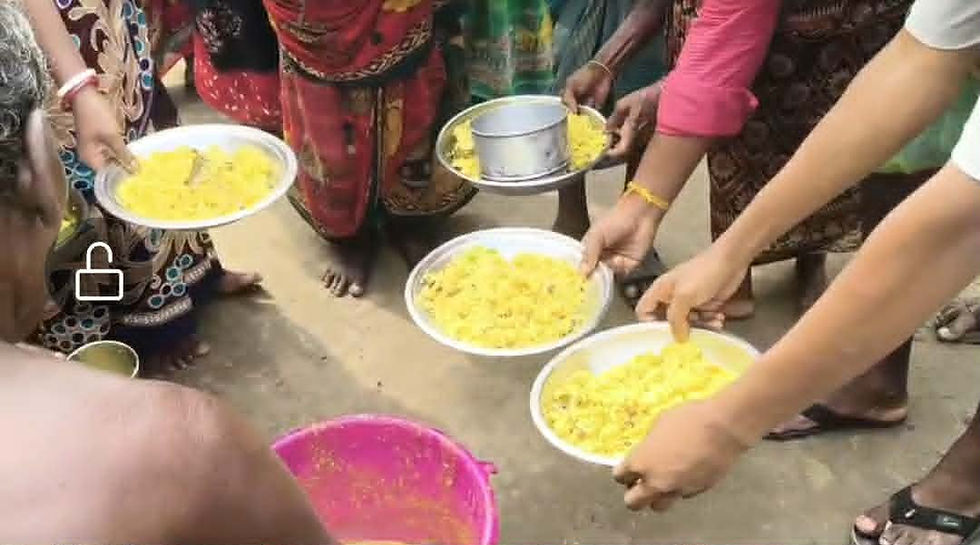
Join Lotus Ministry Trust in
Making a Difference for Forgotten Bangladeshis
Moong dal is the kind of ingredient that quietly becomes the most-used item in your kitchen once you understand what it can do.
Whether you call them split mung beans, moong dal, or yellow dal, this small legume punches well above its weight. It cooks fast, absorbs spices beautifully, and delivers a creamy, satisfying texture that works in everything from a light soup to a bold, spiced curry. If you have been sleeping on this ingredient, that changes today.
The Different Types of Moong Dal You Should Know
Not all moong dal is the same, and grabbing the wrong type at the store will give you a different result than the recipe intends. There are three main forms you will encounter.
Yellow Split Moong Dal (Dhuli Moong Dal)
This is the most widely used variety. The green husk has been removed and the bean has been split, revealing a pale yellow interior. It cooks the fastest of the three, breaks down into a smooth, creamy consistency, and has a mild, slightly sweet flavor. This is the go-to for classic dal recipes, soups, and anything where you want a silky texture.
Green Whole Mung Beans (Sabut Moong)
These are the whole, unhusked mung beans with their green skins still on. They have a firmer texture, a slightly earthy flavor, and take longer to cook. They hold their shape better than the yellow variety, making them ideal for stews and salads where you want some bite.
Split Green Moong Dal (Chilka Moong Dal)
This is the middle ground — split but with the green husk still attached. You get a nuttier, more textured result compared to the yellow variety, and it works well in heartier curries and mixed dal dishes. It is particularly popular in Punjabi-style cooking.
The Nutritional Power of Split Mung Beans
There is a reason moong dal has been a dietary staple across South Asia for thousands of years. The nutritional profile is genuinely impressive, especially for a plant-based protein source.
High Protein and Fiber Content
One cup of cooked moong dal delivers a significant amount of plant-based protein along with dietary fiber that supports healthy digestion. The combination of protein and fiber means it keeps you full longer, making it a smart choice for anyone managing their weight or energy levels through food.
Low in Calories and Fat
Moong dal is naturally low in fat and relatively low in calories compared to other protein sources. You get a nutritionally dense meal without the heaviness that comes from meat-based proteins or high-fat legumes like chickpeas.
Key Vitamins and Minerals Found in Moong Dal
Beyond protein and fiber, split mung beans are a solid source of folate, magnesium, potassium, and B vitamins. These nutrients support everything from heart health to energy metabolism, which is part of why moong dal is often recommended in Ayurvedic and traditional Indian dietary practices as one of the most easily digestible foods available.
How to Prepare Moong Dal Before Cooking
Preparation is simple but matters. A few minutes of proper prep will improve both the texture and digestibility of your final dish.
Why Soaking Matters and How Long to Soak
For yellow split moong dal, soaking is optional — it cooks quickly enough without it. However, soaking for 30 minutes to 1 hour reduces cooking time further and makes the dal gentler on digestion by breaking down some of the natural compounds that can cause bloating. For whole green mung beans, soaking for at least 4 hours (or overnight) is strongly recommended. It softens the tough outer skin and ensures even cooking throughout.
Rinsing and Sorting Your Dal
Before cooking, always rinse your moong dal under cold running water until the water runs clear. This removes excess starch and any dust or debris from packaging. While rinsing, quickly sort through the dal and remove any small stones or shriveled beans — this takes less than a minute but protects your dish (and your teeth).

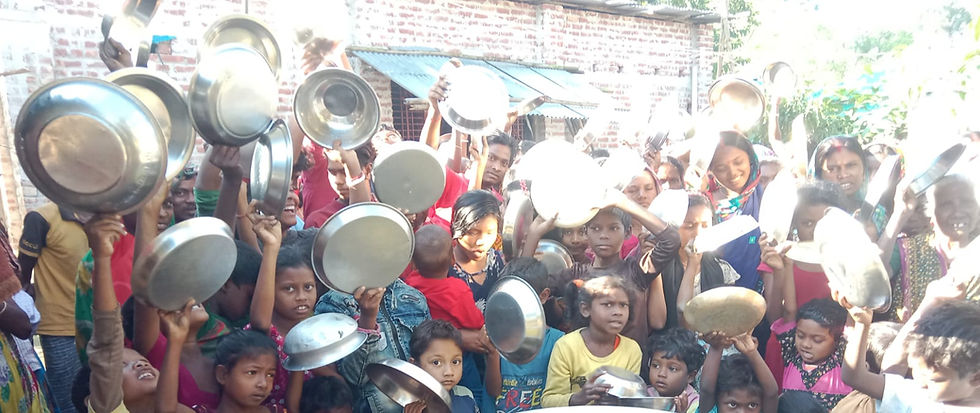
Help Lotus Ministry Trust in Bringing Hope to Neglected Bangladeshis
The Best Cooking Methods for Perfect Moong Dal Every Time
There are three reliable ways to cook moong dal, and each has its place depending on how much time you have and what texture you are after.
Stovetop Method: Step-by-Step
The stovetop method gives you the most control over consistency. Here is exactly how to do it:
Add 1 cup of rinsed yellow split moong dal to a medium saucepan with 3 cups of water.
Bring to a boil over medium-high heat, then reduce to a gentle simmer.
Skim off any foam that rises to the surface in the first few minutes of cooking.
Add ½ teaspoon of turmeric powder directly to the water — this is non-negotiable for flavor and color.
Cook uncovered for 20 to 25 minutes, stirring occasionally, until the dal is soft and beginning to break down.
Add salt to taste only after the dal has fully softened — adding salt too early can toughen the beans.
Adjust the consistency by adding water gradually if the dal becomes too thick.
Pressure Cooker Method
The pressure cooker is the fastest route to perfectly cooked moong dal, and it is the method most traditional Indian home cooks rely on daily. The high-pressure environment breaks down the dal evenly and produces a naturally creamy texture without any stirring or monitoring.
Add 1 cup of rinsed moong dal with 2.5 cups of water, ½ teaspoon turmeric, and a pinch of salt to your pressure cooker. Seal the lid and cook on high pressure for 3 to 4 whistles. Let the pressure release naturally before opening. What you get is a smooth, fully cooked dal ready for tempering.
Cooking Method | Dal (cups) | Water (cups) | Approx. Cook Time |
Stovetop | 1 | 3 | 20–25 minutes |
Pressure Cooker | 1 | 2.5 | 3–4 whistles |
Instant Pot | 1 | 3 | 8 minutes (high pressure) |
One important note: yellow split moong dal becomes very soft under pressure, so if you prefer a dal with slightly more texture and body, reduce the cook time to 2 whistles and finish on the stovetop for a few minutes.
The pressure cooker method also works beautifully when cooking moong dal directly with vegetables like diced sweet potato or spinach — simply add them into the pot before sealing and they will cook perfectly alongside the dal.
Instant Pot Method
Set your Instant Pot to Manual or Pressure Cook on High for 8 minutes with a 1:3 ratio of dal to water. Add turmeric directly to the pot before sealing. Once cooking is complete, allow a natural pressure release for 10 minutes, then carefully do a quick release for any remaining pressure. The result is smooth, creamy dal that is ready for your tarka in under 25 minutes total.
How to Tell When Moong Dal Is Perfectly Cooked
Perfectly cooked yellow split moong dal should be completely soft, with most of the beans having broken down into a thick, porridge-like consistency. Press a small amount between your fingers — there should be zero resistance. If the dal still feels grainy or chalky in the center, it needs more time. The color will deepen slightly from pale yellow to a warm golden tone, and the mixture will have a naturally creamy, cohesive texture rather than individual floating beans.
The Essential Spices That Make Moong Dal Taste Amazing
This is where moong dal goes from plain to extraordinary. The spicing process is not complicated, but the order and technique matter enormously. Get this right and your dal will taste like it came from a kitchen that has been cooking this dish for generations.
Moong dal has a mild, slightly earthy base flavor that acts like a blank canvas. It absorbs spices deeply and generously, which is exactly why the spice selection you use defines the entire character of the dish.
Turmeric, Cumin, and Coriander: The Core Trio
These three spices form the non-negotiable foundation of any moong dal recipe. Turmeric (added during cooking) gives the dal its signature golden color and a subtle bitterness that balances the natural sweetness of the beans. Cumin seeds, when bloomed in hot oil or ghee, release a nutty, warm aroma that becomes the backbone of the tarka. Ground coriander adds a citrusy, floral note that rounds out the heavier spices and keeps the overall flavor from becoming too intense.
How to Build a Tarka (Tempering) for Maximum Flavor
Tarka — also called tadka or tempering — is the process of blooming whole and ground spices in hot fat and pouring that intensely flavored oil directly over the cooked dal. It is the single most impactful technique in Indian cooking, and it is what separates a flat, forgettable dal from one that makes people ask for the recipe.
Here is the exact sequence for a classic moong dal tarka:
Heat 2 tablespoons of ghee (or neutral oil) in a small pan over medium-high heat until shimmering.
Add 1 teaspoon of cumin seeds and let them sizzle for 20 to 30 seconds until fragrant and slightly darkened.
Add 1 dried red chili (optional) and let it bloom for 10 seconds.
Add 1/2 teaspoon of asafoetida and cook until golden — about 45 seconds.
Add ½ teaspoon of ground coriander and a pinch of red chili powder, stirring quickly for 15 seconds.
Pour the entire contents of the pan directly over your cooked dal and stir to combine.
Spice Adjustments for Mild vs. Bold Flavors
For a milder dal that works well for children or anyone sensitive to heat, skip the dried red chili entirely and reduce the chili powder to just a pinch for color rather than heat. For a bolder, more complex version, add ½ teaspoon of garam masala to the tarka just before pouring, and finish the dish with a squeeze of fresh lemon juice and a small knob of butter stirred in at the end. Both directions work beautifully — it simply comes down to who is at the table.
Classic Moong Dal Recipe from Scratch
This is the recipe that belongs in your permanent rotation. It is the version most commonly made in Punjabi homes across India — simple, deeply flavorful, and ready in under 40 minutes from start to finish.
Ingredients You Will Need
Every ingredient here earns its place. Nothing is filler.
1 cup yellow split moong dal, rinsed and drained
3 cups water
1 celery stick, finely chopped
1 medium tomato, chopped
2 to 3 green chilies, slit (optional)
1-inch piece of fresh ginger, grated
1/2 teaspoon of compounded asafoetida
1 teaspoon turmeric powder
1 teaspoon cumin seeds
½ teaspoon ground coriander
2 tablespoons ghee or vegetable oil
Salt to taste
Fresh coriander leaves and lemon juice to finish
Step-by-Step Cooking Instructions
Start by cooking your rinsed moong dal in 3 cups of water with ½ teaspoon of turmeric over medium heat. Bring to a boil, reduce to a simmer, and cook for 20 to 25 minutes until fully soft and beginning to break down. Meanwhile, heat 1 tablespoon of ghee in a separate pan over medium heat. Cook until golden, about 8 minutes. Add the ginger and green chilies and sauté for another 2 minutes until fragrant. Add the chopped tomato and cook until it softens completely into a thick masala base — about 5 to 6 minutes.
Pour the cooked masala base into the dal and stir well to combine. Season with salt and let everything simmer together for 5 minutes so the flavors meld. Build your tarka separately using the remaining tablespoon of ghee, cumin seeds, and a pinch of red chili powder, then pour it directly over the finished dal. Finish with a generous squeeze of fresh lemon juice and a handful of chopped coriander leaves.
Serving Suggestions and Pairings
Serve this dal over steamed basmati rice with a simple cucumber salad on the side for a complete, balanced meal. It pairs equally well with whole wheat roti or fresh naan. For a lighter option, ladle it into a bowl and serve it as a standalone soup with a wedge of lemon and a crack of black pepper on top.
3 More Must-Try Moong Dal Recipes
Once you have the classic down, the possibilities expand quickly. These three recipes each take moong dal in a different direction — different textures, flavor profiles, and occasions — and all of them are worth adding to your cooking repertoire.
Mung Bean and Sweet Potato Stew — hearty, naturally sweet, and perfect for cooler months
Spinach and Moong Dal Curry — a vibrant green curry packed with iron and depth of flavor
Moong Dal Soup with Ginger and Lemon — light, clean, and ideal as a starter or a simple weeknight dinner
Each of these recipes uses yellow split moong dal as the base but builds an entirely different flavor profile through the supporting ingredients and spicing approach. Together, they show just how versatile this one ingredient really is.
Let’s get into each one with the detail they deserve.
1. Mung Bean and Sweet Potato Stew
This stew is the definition of comfort food that also happens to be genuinely nourishing. The natural sweetness of the sweet potato balances the earthy depth of the moong dal, and a touch of coconut milk at the end ties everything together into something that feels almost luxurious for how simple it is to make.
Ingredient | Quantity | Role in Dish |
Yellow split moong dal | 1 cup | Protein base, creamy texture |
Sweet potato (diced) | 2 medium | Natural sweetness, body |
Coconut milk | ½ cup | Richness, rounds out spice |
Cumin seeds | 1 tsp | Aromatic foundation |
Turmeric powder | ½ tsp | Color, anti-inflammatory |
Vegetable stock | 3 cups | Depth of flavor over plain water |
Fresh ginger (grated) | 1 tsp | Warmth, digestive support |
Cook the moong dal and diced sweet potato together in vegetable stock with turmeric and ginger from the start — they need roughly the same amount of time to become tender, which makes this a genuinely one-pot recipe. The sweet potato will partially break down into the dal, creating a thick, stew-like consistency that clings beautifully to rice or bread.
Once everything is cooked through, stir in the coconut milk over low heat and let it warm through for 2 to 3 minutes without boiling — boiling coconut milk can cause it to split and lose its silky texture. Build a quick tarka with cumin seeds, a pinch of chili flakes, and a small knob of butter, and pour it over the finished stew just before serving.
This dish is especially good the next day after the flavors have had time to develop overnight in the refrigerator. Reheat gently on the stovetop with a splash of water or stock to loosen the consistency, and finish with fresh lime juice for brightness.
2. Spinach and Moong Dal Curry
This is the recipe to make when you want something that looks impressive, eats like a proper curry, and still comes together in under 35 minutes. The combination of iron-rich spinach and protein-dense moong dal creates one of the most nutritionally complete vegetarian meals you can put on a plate.
Start by cooking your moong dal as usual with turmeric until fully soft. While the dal cooks, wilt 3 large handfuls of fresh spinach in a hot pan with a small amount of oil for 1 to 2 minutes, then blend roughly half of it into a smooth purée. This two-texture approach — some blended spinach folded into the dal, some left whole — gives the curry both vibrant color and satisfying texture.
Build your masala base with ginger and tomato as you would for the classic dal. Add 1 teaspoon of garam masala and ½ teaspoon of ground cumin to the masala before combining with the dal — this spice combination is what makes this version feel distinctly curry-like rather than a plain dal with greens added. For more ideas, check out these moong dal cooking tips.
Combine the dal, masala, and spinach (both the purée and the whole leaves) in one pot and simmer together for 5 minutes. The color will turn a deep, rich green-gold. Taste and adjust salt, then finish with a squeeze of lemon and a swirl of yogurt on top if serving immediately.
Pro Tip: Add the spinach purée off the heat if you want to preserve its bright green color. Heat destroys chlorophyll quickly, which is why spinach curries often turn an olive-brown color when overcooked. Stir in the purée, let residual heat warm it through, and your curry will stay visually stunning all the way to the table.
3. Moong Dal Soup with Ginger and Lemon
This is the lightest and most restorative of the three recipes — a clean, broth-forward soup that lets the natural flavor of the moong dal shine without heavy spicing or rich additions. It works beautifully as a starter, a simple lunch, or an easy weeknight dinner when you want something nourishing but not heavy.
Cook 1 cup of yellow split moong dal in 4 cups of water (more water than usual gives you a soup consistency rather than a thick dal) with 1 teaspoon of freshly grated ginger and ½ teaspoon of turmeric. Once fully cooked and soft, use the back of a spoon or a whisk to break down the dal into a smooth, slightly textured broth. Season generously with salt, then stir in 2 tablespoons of fresh lemon juice off the heat. Build a minimal tarka with 1 teaspoon of cumin seeds bloomed in 1 tablespoon of ghee, and pour it directly over the soup. Top with fresh coriander and a thin slice of lemon to serve. That is the entire recipe — and it delivers far more flavor than its simplicity suggests.

Help Lotus Ministry Trust Reach and Uplift Neglected Bangladeshis
Pro Tips to Elevate Any Moong Dal Dish
Small adjustments make the biggest difference with moong dal. These four techniques apply across every recipe in this guide and will immediately improve the quality of whatever you cook.
1. Sauté Aromatics First for a Richer Base
Never add raw ginger directly to your cooking dal and expect deep flavor — these aromatics need direct heat and fat to release their full potential. Always sauté them separately in oil or ghee until properly golden before combining with the dal. The caramelization that happens during this process creates a flavor complexity that simply cannot be replicated any other way.
The key here is patience. Cooking them until they are truly golden — not just translucent, but genuinely amber-colored — takes 8 to 10 minutes over medium heat and makes a noticeable difference in the richness of the finished dish. Rushing this step is the most common mistake home cooks make with dal.
2. Adjust Consistency With Water Gradually
Moong dal thickens significantly as it cools, and what looks perfectly consistency in the pot will be noticeably thicker by the time it reaches the table. Always add extra water in small increments — no more than ¼ cup at a time — and stir thoroughly between additions. Adding too much water at once can dilute the flavor you have spent time building, and there is no easy way to recover from an over-thinned dal without extended simmering.
3. Finish With Fresh Lemon Juice and Coriander
This step is non-negotiable if you want your moong dal to taste bright and restaurant-quality rather than flat and one-dimensional. The acid from fresh lemon juice lifts all the other flavors and cuts through the richness of the ghee, while fresh coriander adds a herbal freshness that dried spices simply cannot provide.
Add both elements off the heat or right at the moment of serving — heat destroys the fresh, volatile compounds in coriander leaves almost immediately, and lemon juice loses its brightness quickly when cooked. Treat them as finishing touches, not ingredients that go in during cooking.
4. Use Ghee for an Authentic, Nutty Depth
You can absolutely make excellent moong dal with vegetable oil, and it will taste great. But if you want the flavor that makes people stop mid-bite and ask what you did differently, ghee is the answer. Ghee has a higher smoke point than butter, which means it can get hotter before burning — critical for tarka, where the fat needs to be genuinely hot to bloom the spices properly.
The nutty, caramel-like undertone that ghee adds to a tarka is something no neutral oil can replicate. Even a small amount — just 1 to 2 tablespoons — makes a disproportionate impact on the final flavor of the dish. If you are dairy-free, a good quality coconut oil is the closest substitute in terms of flavor contribution, though the character will be different.
How to Adapt Moong Dal Recipes to Your Personal Taste
One of the most freeing things about cooking moong dal regularly is how naturally it adapts to whatever you have available and whatever flavor direction you are in the mood for. The core structure — cooked dal, a masala base, and a tarka — stays the same while everything else can flex. Want a smoky version? Add a pinch of smoked paprika or a small piece of dried kashmiri chili to your tarka. Want something creamier? Stir in a spoonful of plain yogurt or a splash of coconut milk right before serving. Prefer more texture? Under-cook the dal slightly and fold in cooked whole green mung beans for a mix of soft and firm.
The vegetable additions are equally flexible. Diced zucchini, cauliflower florets, frozen peas, and shredded kale all work well added directly to simmering dal in the last 10 minutes of cooking. The dal absorbs whatever it is cooked alongside, so pairing it with vegetables you already enjoy is a reliable way to build new favorite combinations without following a strict recipe every time.
Moong Dal Belongs in Every Kitchen
Few ingredients offer the combination of speed, nutrition, versatility, and deep flavor that split mung beans deliver consistently. Whether you are making the classic yellow dal over basmati rice on a weeknight, building a hearty sweet potato stew for a winter dinner, or blending a simple ginger and lemon soup for a light meal, moong dal handles every role with ease. The techniques in this guide — from proper tarka-building to knowing exactly when the dal is perfectly cooked — are the building blocks that will make every version you cook better than the last.
Start with the classic recipe. Master the tarka. Then let your curiosity lead you through the variations. This is an ingredient with centuries of cooking wisdom behind it, and once it becomes a regular part of your kitchen, you will wonder how you cooked without it.
Frequently Asked Questions
Here are the most common questions home cooks ask when starting out with moong dal — answered directly so you can get cooking with confidence.
Can I cook moong dal without soaking it first?
Yes — yellow split moong dal (dhuli moong dal) does not require soaking and cooks perfectly without it. Because the husk has been removed and the bean has been split, it is already in its most accessible form and softens quickly in boiling water. Expect a stovetop cook time of around 20 to 25 minutes without soaking.
Soaking for 30 to 60 minutes does speed things up slightly and can improve digestibility for people with sensitive stomachs, but it is genuinely optional for the yellow variety. For whole green mung beans (sabut moong), soaking is much more important — skip it and you will be cooking them for well over an hour on the stovetop.
What is the difference between yellow moong dal and green mung beans?
They come from the same plant, but processing creates very different cooking ingredients. Yellow moong dal has had its green husk removed and has been split, which gives it a milder flavor, faster cook time, and smoother final texture. Green mung beans are whole and unhusked, with a firmer texture, earthier flavor, and longer cook time.
Feature | Yellow Split Moong Dal | Green Whole Mung Beans |
Husk | Removed | Intact |
Form | Split | Whole |
Cook Time (stovetop) | 20–25 minutes | 45–60 minutes |
Soaking Required | No | Recommended (4+ hours) |
Final Texture | Creamy, smooth | Firm, holds shape |
Best For | Soups, dal, porridge | Stews, salads, sprouts |
In practical terms, yellow split moong dal is the weeknight-friendly version — fast, forgiving, and versatile. Green whole mung beans are better when you want texture and body, or when you are sprouting them for salads and wraps.
Both are nutritionally excellent, but yellow moong dal is generally considered easier to digest, which is why it is often the first solid food introduced to infants in many Indian households and a staple in Ayurvedic dietary guidelines.
How do I store cooked moong dal and how long does it last?
Let cooked moong dal cool to room temperature before storing. Transfer it to an airtight container and refrigerate for up to 4 days. The dal will thicken considerably in the fridge — simply reheat on the stovetop over medium-low heat with a splash of water stirred in to restore the original consistency. Always taste and adjust seasoning after reheating, as cold storage can slightly mute the flavors.
Is moong dal good for weight loss?
Moong dal is a genuinely strong choice for anyone focused on weight management. It is high in protein and dietary fiber — both of which increase satiety and help reduce overall calorie intake by keeping you full longer after meals. It is naturally low in fat and relatively low in calories compared to most other protein sources, making it easy to build nutritionally complete, satisfying meals without going over a calorie target. The high water content of cooked dal also adds volume to your meals, which supports feeling fuller on less food.
Can I freeze moong dal after cooking?
Moong dal freezes exceptionally well, which makes it ideal for batch cooking. Allow the dal to cool completely, then portion it into freezer-safe containers or zip-lock bags — flat portions in bags thaw faster and take up less freezer space. Frozen moong dal keeps well for up to 3 months without significant quality loss.
To thaw, transfer to the refrigerator overnight or place the sealed bag in a bowl of cold water for a faster defrost. Reheat on the stovetop over medium-low heat, adding water gradually to restore the original consistency. The tarka — if you added one before freezing — will still be present in the dal, but a fresh finishing tarka poured over the reheated dal right before serving makes a dramatic improvement to the final flavor.









Comments