
Sustainable Kichri Relief Efforts by Lotus Ministry Trust

Key Takeaways
Lotus Ministry Trust's Bangladesh Sustainable Kichri Initiative provides culturally-appropriate, nutrient-dense meals to thousands facing food insecurity in hard-to-reach areas.
Each bowl of kichri delivers complete nutrition with balanced proteins, carbohydrates, and micronutrients specially formulated to address common deficiencies.
The program's sustainable approach includes locally sourcing ingredients, supporting regional farmers, and building long-term community resilience.
Mobile distribution networks enable Lotus Ministry Trust to reach remote villages that larger aid organizations typically cannot access.
Beyond immediate relief, the initiative includes teaching sustainable cooking practices and agricultural training that helps communities become self-sufficient.
Help Lotus Ministry Trust Make The Difference
A simple bowl of kichri is becoming the difference between hunger and hope for thousands across Bangladesh's most vulnerable communities. In areas where traditional aid struggles to reach, Lotus Ministry Trust has rapidly scaled its food relief operations to address critical nutritional needs through an innovative approach that respects local culture while maximizing impact.
The Bangladesh Sustainable Kichri Initiative stands at the forefront of sustainable humanitarian food relief, serving nutritionally balanced meals to families facing acute food insecurity. Lotus Ministry Trust has developed this program as a direct response to growing food shortages, particularly focusing on regions that larger aid organizations often overlook due to logistical challenges.
Nutritious Sustainable Kichri Bowls Feed Thousands in Bangladesh Crisis
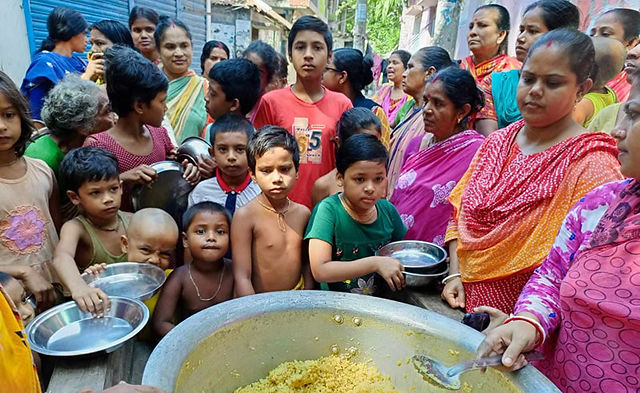
Kitchari—a traditional South Asian dish combining rice and lentils—has become the foundation of Lotus Ministry Trust's nutritional strategy in Bangladesh. This culturally familiar, easily digestible meal provides essential calories, protein, and micronutrients in a single serving. The organization has carefully modified traditional recipes to ensure maximum nutritional benefit while maintaining the familiar taste that makes this food solution so effective.
Unlike international food aid programs that introduce unfamiliar ingredients or preparation methods, the kitchari program builds upon existing dietary preferences. This cultural alignment ensures higher participation rates and eliminates the resistance sometimes encountered with foreign food aid. By honoring local traditions while addressing urgent nutritional needs, Lotus Ministry Trust delivers immediate nourishment while building long-term trust with communities.
"Our mission is to provide culturally appropriate and nutritious meals to those who need them most," explains a spokesperson from Lotus Ministry Trust. "We aim to alleviate hunger while promoting health and dignity within the communities we serve."
How Lotus Ministry Trust Transforms Traditional Dish into Lifesaving Relief
Behind every bowl of kichri lies a sophisticated preparation and distribution system designed for maximum efficiency and nutritional impact. Starting with locally sourced ingredients whenever possible, Lotus Ministry Trust operates central kitchens that can produce thousands of nutritionally complete meals daily. These meals are then rapidly transported to distribution points or directly to communities through mobile kitchen units that can navigate challenging terrain.
Culturally-Appropriate Food Solution
The genius of the sustainable kichri approach lies in its cultural relevance. Rather than imposing unfamiliar food solutions, Lotus Ministry Trust leverages existing dietary preferences of local communities, enhancing acceptance and maximizing nutritional impact. The organization regularly consults with community elders and local health workers to ensure recipes respect regional variations and address specific health needs.
"When people receive food they recognize and enjoy, the psychological impact is just as important as the nutritional one. Our kichri provides comfort during crisis, maintaining dignity while addressing hunger." — Lotus Ministry Trust Field Coordinator
This approach honors culinary heritage while addressing immediate needs. By building on familiar food traditions rather than replacing them, the initiative strengthens cultural identity during crisis—a crucial psychological support mechanism often overlooked in conventional food aid programs.
Complete Nutrition in One Bowl
Each serving of kichri provides a scientifically balanced combination of macronutrients and micronutrients specifically formulated to address common deficiencies in the region. The base of rice and lentils delivers essential carbohydrates and proteins, while carefully selected vegetables and spices add vital vitamins and minerals. This complete nutritional profile becomes particularly critical in crisis situations where access to varied food sources becomes limited.
Lotus Ministry Trust enhances their kichri with carefully selected micronutrients to address common deficiencies found in vulnerable populations. The meals are designed to meet international nutritional standards while remaining appealing to local taste preferences, solving the challenge that many humanitarian food programs face when nutrition and acceptability compete.
Ready-to-Eat Format for Emergency Situations
Established as a direct response to growing food insecurity in Bangladesh, Lotus Ministry Trust's Sustainable Kichri Initiative delivers complete meals that require no additional preparation by recipients. This ready-to-eat approach proves crucial in emergency situations where cooking facilities may be limited or fuel scarce. Families receive nutritionally complete meals that can be consumed immediately, eliminating barriers to food access during crisis.
This practical approach addresses the reality that many families in crisis lack the resources to prepare donated dry goods. By providing food that requires no additional cooking, the program ensures that even the most vulnerable households—including the elderly, disabled, and child-headed households—can access immediate nutrition without additional burden.
Reaching the Most Vulnerable Communities
The most remote villages in Bangladesh frequently fall through the cracks of international aid networks. By specifically targeting these underserved areas, Lotus Ministry Trust fills a critical gap in Bangladesh's food security landscape. Their specialized logistics teams have mapped hundreds of isolated communities where food insecurity is highest but aid presence is lowest.

You Can Help Lotus Ministry Trust Bring Nutritious Meals
Mobile Distribution Networks
Lotus Ministry Trust delivers essential kitchari meals to remote villages in northern Bangladesh that larger aid organizations typically cannot reach. Their fleet of specially adapted vehicles can navigate narrow rural roads, while portable kitchen units enable hot meal preparation even in areas without infrastructure.
The mobile distribution network adapts continuously to changing conditions on the ground. Real-time coordination between field teams allows resources to be redirected quickly when weather events, political unrest, or other disruptions threaten access to vulnerable populations. This flexibility has proven essential in ensuring consistent meal delivery even during Bangladesh's most challenging periods.
Priority System for At-Risk Populations
The kitchari program employs a carefully designed priority system that ensures the most vulnerable receive assistance first. Children under five, pregnant and lactating mothers, the elderly, and those with disabilities are identified through community assessments and receive guaranteed access to nutritional support. This targeted approach maximizes the health impact of limited resources while addressing the ethical imperative to protect the most vulnerable during crisis.
Overcoming Geographic Barriers
Bangladesh's challenging geography—with its network of rivers, seasonal flooding, and remote islands—creates significant hurdles for conventional aid delivery. Lotus Ministry Trust has developed specialized transportation methods tailored to each region's unique challenges. In the Chittagong Hill Tracts, teams use motorbikes to navigate steep, narrow paths. In the Sundarbans region, shallow-draft boats deliver meals to communities accessible only by water. During flooding, emergency food drops by helicopter reach communities completely cut off from land transportation.
Community Leader Partnerships
Central to the success of the kitchari program is the deep partnership with local community leaders who help identify households in greatest need and coordinate distribution efforts. These leaders provide crucial cultural context, facilitate community acceptance, and ensure the program respects local customs and practices. Village elders, religious leaders, and local health workers form distribution committees that ensure transparent and equitable food allocation.
These partnerships build trust and sustainability into the program's foundation. By engaging respected community figures, Lotus Ministry Trust establishes legitimacy and overcomes the skepticism that sometimes accompanies outside intervention. This collaborative approach transforms what could be a transactional charity model into a community-led initiative with deeper roots and lasting impact.
Local Sourcing Creates Sustainable Impact
The kitchari program's most innovative aspect may be its commitment to local sourcing whenever possible. Rather than importing foreign food aid that can undermine local markets, Lotus Ministry Trust purchases rice, lentils, vegetables, and spices from regional producers when available. This approach transforms food relief from a temporary band-aid into a catalyst for economic recovery and resilience-building in crisis-affected regions.
Supporting Regional Farmers
By purchasing crops from farmers in stable areas near crisis zones, the program creates reliable markets that help agricultural communities weather economic downturns. Contracts with local farmer cooperatives include fair price guarantees and advance payment options that provide crucial financial stability. This support for regional food systems strengthens Bangladesh's overall food security while providing immediate relief to those in acute need.
Reducing Carbon Footprint
The environmental benefits of local sourcing extend beyond economic impact. By minimizing the distance ingredients travel, Lotus Ministry Trust significantly reduces the carbon footprint of their food relief compared to programs relying on internationally shipped supplies. This alignment of humanitarian and environmental priorities represents an important evolution in crisis response strategy.
Seasonal menus that adapt to local harvest cycles further enhance sustainability while providing nutritional variety. When flooding impacts local rice production, the organization shifts to alternative grains that may be available from unaffected regions, maintaining both nutritional standards and commitment to regional sourcing.
Stimulating Local Economies
The economic ripple effects of local purchasing extend throughout the supply chain. From farmers to processors, transporters to kitchen staff, the kitchari program creates employment opportunities that help communities recover economically while addressing immediate food needs. This multiplier effect transforms emergency spending into investment in community resilience.
In regions where markets remain functional but purchasing power has collapsed, Lotus Ministry Trust sometimes implements voucher programs allowing recipients to obtain kitchari ingredients directly from local vendors. This approach supports small businesses that might otherwise fail during prolonged crises while maintaining the dignity of choice for affected families.
The organization also provides micro-grants to small-scale food processors who can supply ingredients for the kitchari program. These grants often focus on women-led enterprises, addressing gender inequality while building supply chain resilience through diversified sourcing.
"Our goal is never just to feed people today, but to strengthen the systems that will feed communities tomorrow. When we purchase locally, every dollar spent on hunger relief becomes an investment in future food security." — Senior Program Director, Lotus Ministry Trust
This holistic approach recognizes that sustainable hunger relief must address not only immediate caloric needs but also the underlying economic structures that determine long-term food security. By thoughtfully designing their supply chain, Lotus Ministry Trust turns crisis response into an opportunity for systemic improvement.
Beyond Emergency Response: Building Long-Term Resilience
While immediate food distribution remains core to the kitchari program, Lotus Ministry Trust increasingly integrates resilience-building activities that help communities better withstand future crises. This transition from pure relief to development support reflects the organization's commitment to creating lasting change rather than perpetual dependency.
Teaching Sustainable Cooking Practices
At distribution sites, cooking demonstrations show families how to prepare nutritious kitchari using locally available ingredients and fuel-efficient methods. These practical sessions emphasize techniques that maximize nutritional preservation while minimizing fuel consumption—a critical consideration in resource-constrained environments. Participants learn to identify affordable, nutritious ingredients they may have previously overlooked.
The cooking education program particularly targets adolescent girls and young mothers, who often bear primary responsibility for family nutrition but may lack formal culinary training. By focusing on this demographic, the program leverages intergenerational knowledge transfer to improve community-wide nutritional practices over time.
Specialized workshops address the nutritional needs of vulnerable groups such as weaning infants, pregnant women, and the elderly. These sessions combine scientific nutritional principles with practical adaptations of traditional recipes, making optimal nutrition accessible within cultural and economic constraints.
To ensure information retention, participants receive illustrated recipe cards showing ingredient substitution options based on seasonal availability and budget constraints. This flexible approach acknowledges the reality that food choices are constrained by many factors beyond nutritional knowledge.
Kitchen Skill | Environmental Benefit | Nutritional Benefit |
Pressure cooking lentils | 60% reduction in cooking fuel | Better protein digestibility |
Sprouting techniques | No cooking fuel required | Increased vitamin content |
Solar cooking methods | Zero-emission cooking | Nutrient preservation |
Haybox cooking | 75% reduction in cooking fuel | Tender, digestible grains |
Community Food Reserve Systems
Lotus Ministry Trust has pioneered community-managed food reserves that extend the impact of the kitchari program beyond immediate relief. These village-level storage systems maintain emergency food stocks that can be activated during future crises, reducing response time and external dependency. Local committees receive training in food storage techniques, inventory management, and governance structures that ensure equitable access during emergencies.
The Numbers Behind the Mission
The impact of Lotus Ministry Trust's Sustainable kichri initiative extends far beyond abstract statistics, representing real change for families throughout Bangladesh's most vulnerable regions. Since its inception, the program has served over 1.8 million nutritionally complete meals, reaching approximately 150,000 unique beneficiaries across 217 communities. More importantly, follow-up assessments show significant reductions in childhood malnutrition indicators in communities receiving consistent support.
Each month, the initiative's mobile kitchens and distribution networks deliver approximately 75,000 meals, with capacity continuing to expand as additional funding becomes available. The program has created over 300 jobs within local communities, from kitchen staff to logistics coordinators, while purchasing from more than 500 regional farmers and food processors. This economic impact represents an estimated $1.2 million injected directly into local economies through food purchasing and wages over the past two years.
Join the Movement to End Hunger in Bangladesh
The kitchari program's impact grows with each new village added to the distribution network, but thousands more families remain beyond current reach due to resource limitations. Supporting Lotus Ministry Trust means joining a movement that addresses immediate hunger while building the foundation for long-term food security and self-sufficiency in Bangladesh's most vulnerable communities. Your contribution transforms lives through the simple but powerful medium of a nutritious bowl of kitchari, honoring cultural traditions while meeting urgent humanitarian needs.
Kichri

Support Lotus Ministry Trust And Sustainable Kichri Relief
Questions
As the Bangladesh Sustainable Kichri Initiative continues to grow, Lotus Ministry Trust regularly addresses common questions from potential supporters and partners. These inquiries reflect both practical considerations and deeper concerns about sustainable humanitarian approaches. Below are answers to the most frequently asked questions about this innovative food relief program.
What ingredients are in Lotus Ministry Trust's kichri meals?
The foundation of each kitchari meal consists of locally sourced rice and lentils (typically masoor or mung dal), providing essential carbohydrates and protein. This base is enhanced with regional vegetables such as potatoes, carrots, spinach, and pumpkin depending on seasonal availability. A carefully developed spice blend including turmeric, cumin, coriander, and ginger adds both flavor and medicinal properties that aid digestion and provide anti-inflammatory benefits.
For enhanced nutrition, meals are fortified with micronutrient powders that address common deficiencies in the region, particularly iron, vitamin A, and iodine. In areas where malnutrition is especially severe, the recipe includes additional protein sources such as ground chickpea flour or, when culturally appropriate and available, dried fish powder. All ingredients undergo rigorous quality testing before incorporation into meals.
How many people has the kichri relief program reached so far?
Since its launch in 2021, the program has provided nutritionally complete meals to approximately 150,000 unique individuals across 217 communities in northern Bangladesh. The initiative prioritizes sustained support rather than one-time distributions, meaning most beneficiaries receive regular meals for periods ranging from three months to over a year depending on their vulnerability status and the specific crisis conditions in their region.
The program's reach continues to expand monthly as operational capacity and funding increase. Current distribution networks can serve approximately 75,000 meals per month, though the organization aims to double this capacity within the next two years. Demographic analysis shows that approximately 60% of recipients are children under 12, 25% are women (particularly pregnant and nursing mothers), and 15% are elderly or individuals with disabilities—reflecting the program's focus on those most vulnerable to malnutrition.
Can I volunteer with the Lotus Ministry Trust kichri initiative?
Lotus Ministry Trust welcomes qualified volunteers with relevant skills in nutrition, logistics, community development, or culinary arts. International volunteers typically serve in capacity-building roles, training local staff rather than directly implementing programs. This approach ensures knowledge transfer while maintaining the locally-led nature of the initiative. Medical professionals, agricultural specialists, and those with experience in humanitarian food systems are particularly needed for short-term specialized support roles.
For those unable to volunteer in person, the organization offers remote volunteering opportunities including grant writing, social media management, and translation services. Supporters can also organize fundraising events in their communities to raise awareness and financial support for the kitchari initiative. All potential volunteers undergo a screening process to ensure proper alignment with the organization's values and approach to sustainable humanitarian work.
How does Lotus Ministry ensure the quality and safety of their food relief?
The kitchari program implements a comprehensive quality assurance system covering ingredient sourcing, preparation, transportation, and distribution. All central kitchens follow HACCP food safety protocols, with staff receiving regular training in hygiene and safe food handling practices. Independent laboratory testing regularly confirms the nutritional content and microbiological safety of meals, while field monitors conduct spot checks at distribution points to verify quality maintenance throughout the supply chain.
What percentage of donations goes directly to food relief efforts?
Lotus Ministry Trust maintains an average program-to-overhead ratio of 85:15, meaning 85% of all donations directly fund program activities including food purchasing, preparation, transport, and distribution. The remaining 15% covers essential administrative functions, monitoring and evaluation, staff development, and organizational sustainability. This ratio exceeds industry standards for humanitarian organizations and reflects the Trust's commitment to maximizing donor impact while maintaining operational excellence.
For major institutional donors, the organization offers customized reporting that tracks exactly how their specific contributions have been utilized, including detailed breakdowns of meals served, communities reached, and nutritional outcomes achieved. This transparency has helped the kitchari program earn the trust of international foundations and government agencies that now provide significant portions of the program's funding.
Individual donors contributing more than $1,000 receive personalized impact reports showing how their donation translated into meals served and lives improved. These reports include testimonials and photos from recipient communities, creating a direct connection between donors and those benefiting from their generosity.






Comments