
Supporting Lives with Rice: Creating Food Security in Bangladesh
- David Burgess
- Jul 8, 2025
- 5 min read

Updated: Jul 9, 2025
Introduction to Rice Food Aid in Bangladesh
Bangladesh, a nation of over 160 million people, faces ongoing challenges related to poverty, food security, and natural disasters. Despite significant progress in agricultural development, many communities—especially in rural and flood-prone areas—struggle to access sufficient and nutritious food. Among the key staples of the Bangladeshi diet, rice remains indispensable, forming the backbone of daily nutrition for millions. Addressing food insecurity through rice food aid programs is therefore critical in ensuring survival and enhancing livelihoods across the country.
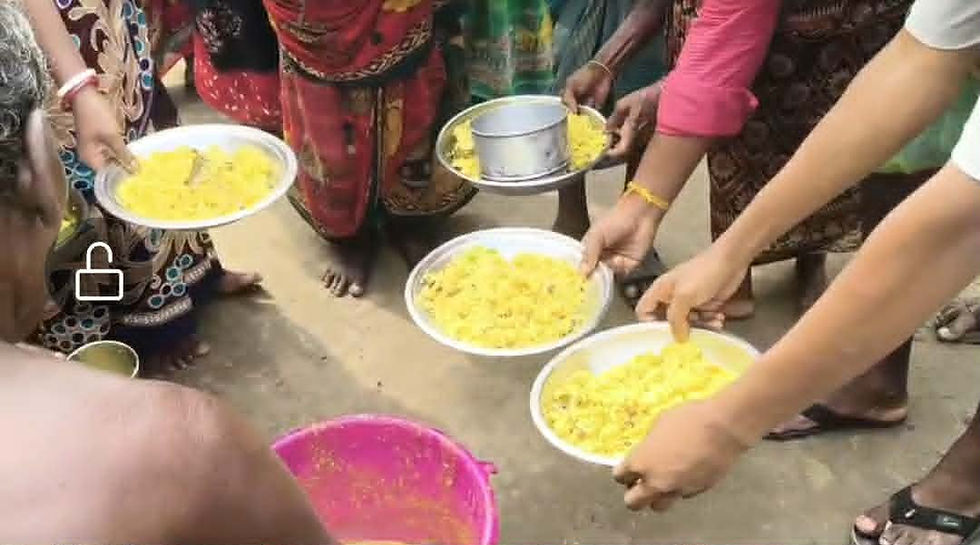
Rice Food Aid In Northern Bangladesh
One of the prominent contributors to alleviating hunger in Bangladesh is Lotus Ministry Trust, an organization committed to humanitarian relief and sustainable development. This article explores the vital role of rice aid in Bangladesh facilitated by Lotus Ministry Trust, illustrating how such initiatives impact communities and foster hope.
The Importance of Rice in Bangladesh’s Food Security
Rice is not just a crop but a cultural and economic cornerstone for Bangladesh. Over 75% of the country’s agricultural land is devoted to rice cultivation, and it accounts for more than 50% of the caloric intake among the population. Consequently, rice availability directly affects food security and nutritional status.
However, Bangladesh’s vulnerability to flooding, cyclones, and other natural disasters frequently disrupts rice production and market distribution. During these times, access to rice becomes critically limited for many families, leading to malnutrition and increased poverty. Consequently, rice food aid becomes a lifeline, ensuring that affected populations can survive crises and rebuild their futures.
The Role of Lotus Ministry Trust in Rice Aid in Bangladesh
Lotus Ministry Trust, known for its grassroots humanitarian efforts, has been a beacon of hope in Bangladesh through targeted rice food aid initiatives. This organization focuses on delivering immediate relief and long-term support to vulnerable communities by reaching remote areas that are often underserved.
Their rice food aid programs aim to meet emergency nutritional needs caused by floods, droughts, and pandemics. The Trust procures and distributes high-quality rice directly to families facing food shortages. Their aid goes beyond distribution; it includes awareness campaigns on nutrition and community mobilization to ensure effective use of resources.
One of the key strengths of Lotus Ministry Trust is its ability to collaborate with local partners—including village leaders and health workers—to accurately identify households in need. This precision reduces wastage and guarantees that rice aid reaches those most at risk of hunger.
Implementing Rice Food Aid: Strategies and Impact

Rice Food Aid Recipients In A Bangladeshi Village
The implementation of rice food aid by Lotus Ministry Trust follows structured strategies designed for maximum efficiency and impact:
1. Assessment and Targeting: Using data from local government offices, agricultural reports, and direct community consultations, Lotus Ministry Trust carefully identifies the most vulnerable regions. Special emphasis is placed on districts affected by recent natural disasters or economic downturns.
2. Procurement and Distribution: The Trust sources rice either locally or from surplus-producing areas to minimize transportation costs and support farmers. Distribution centers are established in strategic locations, and mobile units often deliver rice to hard-to-access regions.
3. Community Engagement: To build trust and ensure transparency, community meetings are held to explain the program’s objectives, distribution schedules, and nutritional guidance. This approach encourages community ownership and cooperation.
4. Monitoring and Evaluation: Regular follow-ups help assess the effectiveness of the aid and identify areas for improvement. Feedback from beneficiaries guides future program design, ensuring responsiveness to changing needs.
In times of crisis, community support and timely aid play a crucial role in alleviating suffering. Many families in Bangladesh continue to face severe shortages of basic necessities, and immediate assistance can make a significant difference. If you feel compelled to contribute and provide urgent food relief, You can help by supporting organizations dedicated to delivering emergency aid and essential supplies to those in need.
The impact of these efforts is profound. Reports from regions supported by Lotus Ministry Trust reveal reduced rates of acute malnutrition, improved child health indicators, and greater resilience among households facing food insecurity. Schools receiving rice aid have seen higher attendance rates, as children are less burdened by hunger.
Challenges in Delivering Rice Aid in Bangladesh
Despite its successes, delivering rice food aid in Bangladesh is fraught with challenges. The country’s geography—with its extensive riverine networks, remote villages, and susceptibility to climate change-induced disasters—poses logistical difficulties. Flooding can damage roads, making transport slow and costly.
Furthermore, maintaining quality control of rice during storage and distribution is essential to prevent spoilage and loss. Lotus Ministry Trust implements strict hygiene protocols and uses appropriate storage facilities to safeguard the food’s nutritional value.
Another challenge is ensuring equity in distribution amid diverse social and economic groups. Cultural sensitivities, local politics, and occasional mistrust require careful navigation by aid workers to guarantee fair and transparent practices.
Finally, while rice food aid addresses immediate hunger, it does not substitute for sustainable development solutions. There is an ongoing need to integrate these efforts with agricultural support, livelihood programs, and education to promote lasting food security.
Case Studies: Rice Food Aid Success Stories by Lotus Ministry Trust
In 2023, Lotus Ministry Trust launched an emergency rice distribution program in the flood-affected Sylhet and Sunamganj districts. Thousands of families, cut off from markets and livelihoods, received monthly rice rations, which helped stabilize household food consumption. Local testimonies highlight the relief:
“Without the rice from Lotus Ministry Trust, my family would have struggled to eat even once a day. This aid saved us during the worst flood,” shared Rahima Begum, a beneficiary from Sylhet.
Similarly, in the drought-hit northwestern region of Rajshahi, the Trust initiated a combined rice aid and agricultural training program. Alongside rice distribution, smallholder farmers received guidance on drought-resistant crops and soil conservation. The integrated approach demonstrated that food aid can dovetail with capacity-building for stronger community resilience.
Looking Ahead: The Future of Rice Food Aid in Bangladesh

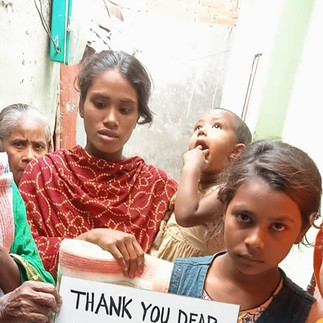
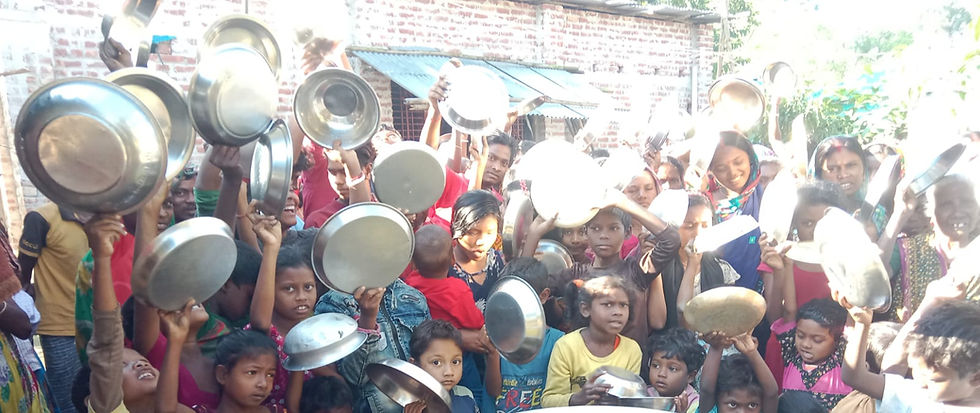
Rice Food Aid Beneficiaries Of Lotus Ministry
As Bangladesh continues to grapple with climate change, population growth, and economic pressures, the demand for rice food aid remains pressing. However, innovative approaches are shaping the future of aid delivery. Digital mapping, biometric registries, and mobile cash transfers combined with in-kind rice aid are increasing efficiency and reducing corruption.
Lotus Ministry Trust is actively exploring these technologies and partnerships with government agencies and international organizations to scale their outreach. Seasonal forecasting tools also enable preemptive aid planning, ensuring faster responses to crises.
Moreover, the focus is shifting toward integrating rice food aid within broader frameworks that promote sustainable agriculture, nutrition education, and women’s empowerment. This holistic perspective aims not only to feed vulnerable populations but also to break cycles of poverty and dependence.
Conclusion
Rice food aid in Bangladesh is a critical intervention to combat hunger and build resilient communities in the face of adversity. The Lotus Ministry Trust exemplifies how targeted, community-informed programs can deliver essential nutrition to those most in need while laying foundations for sustainable progress.
Their dedication, strategic partnerships, and adaptive methodologies highlight the importance of continued support for rice aid initiatives. As the challenges evolve, so too must the commitment to ensuring that every family in Bangladesh has access to the fundamental sustenance that rice provides.
In the words of a Lotus Ministry Trust coordinator, “Providing rice is not just feeding bellies; it’s nurturing hope, dignity, and a future for Bangladesh’s most vulnerable.”









Comments