
Rural Food Aid Bangladesh Guide: Bridging Gaps & Insider Tips

Updated: Jul 21
Bangladesh has approximately 16 million food-insecure people, with the most vulnerable concentrated in rural areas prone to flooding, cyclones, and seasonal hunger gaps.
Multiple aid programmes operate simultaneously — from Lotus Ministry Trust's rural Food Aid and Rice Distribution, WFP's e-voucher system to government-run safety nets like the Vulnerable Women Benefit Programme — each targeting different household needs.
Climate disasters are the single biggest disruptor of food security in rural Bangladesh, making anticipatory cash transfers and disaster-resilience programming just as critical as direct food distribution.
School feeding programmes currently reach 3.1 million children in rural Bangladesh, making enrollment one of the most practical ways for families to access consistent nutrition support.
Funding shortfalls remain a serious threat — keep reading to understand how gaps in international support directly affect which communities lose access to aid first, and what that means on the ground.
Bangladesh has made remarkable strides in reducing poverty, but for millions living in its rural heartland, putting food on the table is still a daily struggle shaped by floods, poverty, and systemic gaps in access. Lotus Ministry helps to fill that gap with its rice and rural food aid distribution programs.
You Can Help Lotus Ministry Fill The Gap
Support us directly through the founders' PayPal

Organisations working at the intersection of nutrition and rural development — including the World Food Programme in Bangladesh — have built some of the most innovative rural food aid delivery systems in the world, from mobile e-vouchers to anticipatory cash transfers that reach families before a cyclone even makes landfall. Understanding how these systems work is the first step toward connecting the right communities to the right support.
16 Million People Are Food Insecure — Here Is What Rural Bangladesh Faces Right Now
Food insecurity in Bangladesh is not evenly distributed. While urban centers like Dhaka have seen significant economic growth, rural districts — particularly in the north, the coastal belt, and the char islands — remain trapped in cycles of seasonal hunger and poverty.
The dry season brings what locals call monga — a period of extreme seasonal food scarcity in northern Bangladesh that hits landless laborers hardest when agricultural work dries up between harvests. Meanwhile, coastal communities face a completely different but equally devastating pattern: cyclones and tidal surges that can destroy a family’s entire food supply, livestock, and livelihood in a single event. These are not occasional crises. They are structural features of rural life in Bangladesh that rural food aid systems must permanently account for.
Malnutrition compounds the problem significantly. Bangladesh has one of the highest rates of child stunting in South Asia, with an estimated 1.6 million children suffering from acute malnutrition at any given time. Rural children are disproportionately affected, particularly in households where mothers themselves are undernourished — a cycle that specialized maternal and child feeding programmes are specifically designed to break.
The Major Rural Food Aid Programs Operating in Bangladesh
Bangladesh runs one of the largest social protection systems in the developing world, combining government-funded safety nets with international humanitarian programmes like Lotus Ministry Trust. These don’t operate in silos — the most effective interventions layer multiple types of support across the same vulnerable populations. Lotus Ministry provides food, clothing, warm blankets, clean water and educational programs to help rural residents of Northern Bangladesh.
Lotus Ministry Trust Is Marching To The Front
Lotus Ministry Trust is a humanitarian organization working directly inside these communities. Their ground-level approach is built on local trust, efficient logistics, and a deep understanding of what rural Bangladeshi families actually need to survive. In just a few years of operation, Lotus Ministry Trust has built one of the most effective community-based food relief networks in Bangladesh. Since founding in 2021, the organization has delivered rural food aid to nearly 200,000 people — a number that reflects not just operational scale, but the depth of genuine community trust that makes their distribution model work.
WFP’s Role: From Emergency Relief to Long-Term Resilience
The World Food Programme has operated in Bangladesh since 1974 and has evolved far beyond emergency food drops. Today, WFP focuses on three core areas in Bangladesh: emergency response to climate disasters, nutrition support for women and children, and resilience-building programmes that help rural communities withstand future shocks. WFP works directly with the Government of Bangladesh, particularly through the Ministry of Disaster Management and Relief, to integrate its programming into national systems rather than running parallel structures. This coordination is what allows programmes to scale quickly when cyclones or floods hit.
The Vulnerable Women Benefit Programme (VWBP) and Mother and Child Benefit Programme (MCBP)
These two government-run programmes are the backbone of nutrition-focused rural food aid for women in rural Bangladesh. The Vulnerable Women Benefit Programme (VWBP) provides poor rural women with monthly transfers of rice — typically 30 kilograms — to address household food shortages. The Mother and Child Benefit Programme (MCBP) targets pregnant and lactating women in rural areas, providing cash transfers alongside nutrition counseling to improve birth outcomes and reduce maternal malnutrition. Both programmes are administered through local government offices called Union Parishads, which serve as the primary entry point for rural households seeking to register. For more detailed information, you can refer to the Bangladesh National Pathways Document.
School Feeding Programs: Reaching 3.1 Million Children
Bangladesh’s National School Feeding Programme is one of the largest of its kind in South Asia. Currently reaching 3.1 million primary school children across 104 upazilas (sub-districts), the programme provides a daily fortified biscuit containing essential micronutrients including iron, iodine, and vitamin A. WFP has been a key technical partner in designing and scaling this programme, which serves a dual purpose: improving nutrition for rural children while simultaneously boosting school attendance in areas where dropout rates remain high.
The impact on enrollment is measurable. Schools participating in the feeding programme consistently report higher attendance rates, particularly among girls — a finding that reflects how food insecurity at home creates a direct barrier to education. For rural families walking a financial tightrope, the daily meal a child receives at school can meaningfully reduce household food pressure.
Importantly, the programme is being transitioned toward locally sourced foods rather than imported fortified biscuits, which both strengthens local agricultural markets and improves the cultural acceptability of the meals being served.
How the E-Voucher Rural Food Aid Model Works in Bangladesh
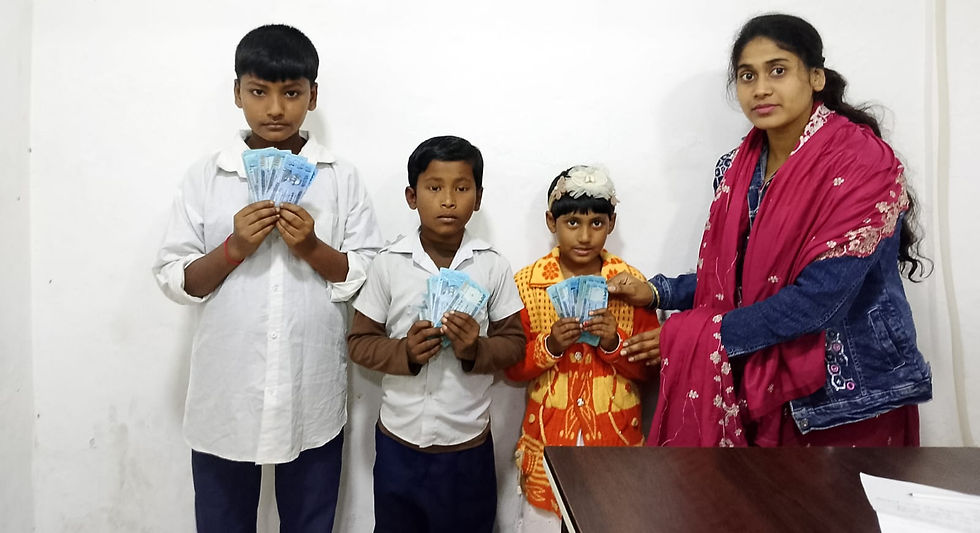
Help Us Continue To Extend Culturally Appropriate Relief
Support us directly through the founders' PayPal
Bangladesh has become a global reference point for how digital cash and voucher assistance can work in low-infrastructure rural settings. The shift away from in-kind food distribution toward e-vouchers represents one of the most significant modernization efforts in the country’s rural food aid architecture.
What the E-Voucher System Means for Rural Families
Instead of receiving a fixed ration of rice or oil, beneficiaries enrolled in e-voucher programmes receive a digital credit loaded onto a card or mobile account that can be spent at designated retailers. In Bangladesh, WFP has implemented this model primarily for displaced and vulnerable populations in Cox’s Bazar — home to the world’s largest refugee camp — but the system’s design principles are increasingly being applied to host community programmes in surrounding rural areas. Beneficiaries can purchase food based on their family’s actual dietary needs rather than accepting whatever commodity is available in a distribution pipeline.
How E-Vouchers Promote Dietary Choice and Nutrition
The nutritional advantage of e-vouchers over commodity-based rural food aid is significant. Fixed rations often fail to account for regional food preferences, household size variation, or specific nutritional needs like those of pregnant women or young children. E-vouchers restore agency to the household, allowing families to prioritize fresh vegetables, proteins, or culturally appropriate staples that a standardized ration would never include. For more insights, you can explore the Bangladesh National Pathways document.
Participating retailers must meet WFP quality standards before being approved to accept e-voucher payments, ensuring food safety at the point of sale.
Transaction data collected through the e-voucher system gives programme managers real-time visibility into purchasing patterns, helping identify nutritional gaps across communities.
Women are prioritized as the registered account holders in most e-voucher programmes, which research consistently shows leads to better household nutrition outcomes compared to when men control food budgets.
The model reduces the logistical cost and corruption risk associated with physical food commodity distribution in remote rural areas.
One critical challenge in rural Bangladesh is connectivity. Many char island communities and remote haor wetland areas have limited mobile network access, which requires programme managers to design offline-capable systems or hybrid models that combine physical vouchers with digital reconciliation at the retailer end.
Nutrition Support: Who Gets It and How to Access It
Nutrition programming in rural Bangladesh operates across two broad categories: preventive nutrition for at-risk groups like pregnant women and children under five, and therapeutic nutrition for those already experiencing acute or severe malnutrition. Understanding this distinction matters for communities trying to navigate which programme applies to their situation.
Preventive programmes include the MCBP transfers described above, community nutrition messaging delivered through government health and family welfare centres, and micronutrient supplementation distributed through health outposts in rural unions. Access to these services is theoretically universal for eligible groups, but in practice, geographic remoteness and lack of awareness remain major barriers in the most isolated rural communities.
Key Nutrition Programme Entry Points in Rural Bangladesh:
Pregnant or lactating women — register at the nearest Union Health and Family Welfare Centre (UHFWC) for MCBP enrollment and micronutrient supplementation.
Children under five showing signs of wasting — refer to community nutrition sites run by NGOs such as BRAC or government Community Nutrition Promoters for screening and therapeutic feeding enrollment.
Households experiencing acute food crisis — contact the local Union Parishad disaster management committee for emergency food relief registration during declared disaster periods.
Therapeutic programmes for acutely malnourished children typically involve Ready-to-Use Therapeutic Food (RUTF) — a peanut-based, calorie-dense paste that can be administered at home without refrigeration. BRAC, one of Bangladesh’s largest NGOs, operates an extensive community health worker network that identifies and enrolls malnourished children in rural areas, bringing treatment directly to villages that would otherwise have no access to clinical nutrition services.
Targeted vs. Blanket Feeding Programmes in Emergency Settings
When a cyclone or major flood strikes Bangladesh, rural food aid shifts from its regular programme structure into emergency mode — and the distinction between targeted and blanket feeding becomes critical. Blanket supplementary feeding is deployed when an entire geographic area is affected and there is no time for individual screening — every child under five and every pregnant or lactating woman in the affected zone receives therapeutic or supplementary food automatically. Targeted supplementary feeding, by contrast, requires individual assessment and is used in non-emergency contexts where resources must be directed to the most severely malnourished individuals within a community.
1.6 Million Acutely Malnourished Children: What Aid Is Available
Bangladesh’s 1.6 million acutely malnourished children represent one of the most urgent humanitarian caseloads in South Asia — yet the majority are not enrolled in any therapeutic feeding programme. The treatment gap exists primarily because of three overlapping failures: limited screening coverage in remote areas, insufficient supply of Ready-to-Use Therapeutic Food (RUTF) at the community level, and caregiver unawareness that their child’s condition is both serious and treatable outside a hospital setting.
Community-based management of acute malnutrition (CMAM) is the proven model for closing this gap. BRAC’s Manoshi and Nutrition programmes deploy trained community health workers called Shasthya Shebikas who conduct regular household screenings using mid-upper arm circumference (MUAC) tape — a simple color-coded tool that even low-literacy health workers can use accurately. Children flagged as severely acute malnourished are enrolled in home-based RUTF treatment protocols that achieve recovery rates above 80% when caregivers maintain the prescribed feeding schedule. The key advantage is that treatment happens at home, removing the transportation and cost barriers that prevent rural families from accessing facility-based care.
Climate Disasters and Food Security: Bangladesh’s Biggest Rural Challenge
Bangladesh ranks among the world’s most climate-vulnerable countries, and this is not an abstract designation — it translates directly into food crises that wipe out harvests, destroy livestock, contaminate freshwater sources, and displace entire rural communities in a matter of hours. The country experiences an average of one major cyclone per year during the Bay of Bengal storm season, alongside annual flooding that submerges up to one-third of the country’s total land area in severe years.
What makes Bangladesh’s climate-food nexus particularly complex is the compounding nature of these events. A family that loses its rice crop to August flooding may not have rebuilt its food reserves before a November cyclone strikes the same region. The concept of “slow-onset” disasters — like riverbank erosion that permanently swallows farmland — further erodes the asset base that rural households depend on for food security between acute disaster events. For more insights, you can refer to the Bangladesh Food Systems Pathway Document.
Why Bangladesh’s Geography Makes Rural Food Aid Critically Urgent
Bangladesh contains roughly 700 rivers and sits at the confluence of three major river systems: the Ganges, Brahmaputra, and Meghna. Its southern coastline borders the Bay of Bengal — a shallow, funnel-shaped body of water that dramatically amplifies storm surges during cyclones. The country also contains an estimated 3,000 to 4,000 inhabited chars — low-lying river islands that are formed and dissolved by shifting sediment — where communities live with virtually no infrastructure buffer against floods and have no road access to mainland aid distribution points. These geographic realities mean that conventional food distribution logistics frequently fail precisely where need is most acute.
Anticipatory Action: How Cash Before a Storm Protects Rural Families
One of the most significant recent innovations in Bangladesh’s rural food aid architecture is the shift toward anticipatory cash transfers — delivering financial assistance to vulnerable households before a predicted disaster strikes rather than waiting for damage assessments afterward. WFP and the Government of Bangladesh have piloted this model in cyclone-prone coastal districts, using weather forecast data to trigger automatic cash disbursements 72 to 96 hours before a storm makes landfall. Rural families use this advance cash to purchase food stocks, move livestock to higher ground, and cover evacuation costs — actions that would be impossible if they waited for post-disaster relief queues. Early evaluations of anticipatory action pilots in Bangladesh show that pre-crisis cash significantly reduces both food insecurity and asset loss compared to equivalent post-disaster transfers of the same value.
Insider Tips to Access Rural Food Aid in Bangladesh
Navigating Bangladesh’s rural food aid landscape requires knowing which door to knock on. Programmes have different eligibility criteria, different registration systems, and different delivery mechanisms — and in rural areas, information about what is available rarely reaches the households that need it most. These practical steps cut through the confusion.
1. Know Which Programme Matches Your Household’s Situation
Bangladesh’s safety net programmes are not one-size-fits-all, and applying to the wrong programme wastes time that food-insecure families cannot afford. Use this framework to identify your primary entry point:
Pregnant or lactating women in rural areas — apply for the Mother and Child Benefit Programme (MCBP) at your nearest Union Health and Family Welfare Centre.
Northern Bangladesh To bring rural food aid and rice distribution programs to communities, reach out to Lotus Ministry Trust at lotus.ministry.trust@gmail.com — they're ready to help coordinate relief efforts on the ground.
Poor rural women without land or regular income — apply for the Vulnerable Women Benefit Programme (VWBP) through the local Union Parishad office.
Households with children aged 6 to 12 — enroll children in primary schools participating in the National School Feeding Programme in eligible upazilas.
Households affected by disaster — register with the Union Parishad disaster management committee immediately after a flood or cyclone event is declared.
Children under five showing signs of wasting — contact BRAC community health workers or government Community Nutrition Promoters for MUAC screening and CMAM enrollment.
2. Connect With Rural Food Aid Program's Safety Net Entry Points
In Northern Bangladesh, contact Lotus Ministry to set up rural food aid and rice distribution programs. You can reach them through email at lotus.ministry.trust@gmail.com

The Smallest Of Donations Are Welcomed And Appreciated
Support us directly through the founders' PayPal
The Union Parishad — Bangladesh’s lowest tier of local government — is an important institution for rural households seeking access to rural food aid and safety net programmes. Every union has an elected chairman and ward members who maintain beneficiary lists for most government-run food and cash transfer programmes. Visiting the Union Parishad office directly, bringing national ID documentation and any supporting evidence of household income or vulnerability, is the fastest way to initiate registration for programmes like the VWBP, the Food Friendly Programme, or emergency relief distributions.
It is worth noting that beneficiary selection at the Union Parishad level is not immune to local political influence. If a household believes it has been unfairly excluded from a programme it qualifies for, the formal escalation path is to contact the Upazila Social Services Office, which supervises Union Parishad-level social protection implementation and has authority to investigate and correct exclusion errors.
3. Use WFP and NGO Partnerships to Find Community-Level Support
In areas where government programme coverage is thin or implementation is slow, international NGOs and national organizations like BRAC, Care Bangladesh, Save the Children, and Action Against Hunger operate community-level nutrition and food security programmes that often reach households the formal government system misses. WFP partners with over 20 local NGOs across Bangladesh to implement its programmes, meaning that a community health worker or NGO field officer visiting a village is often the most direct access point available to remote rural households. If you are supporting a community in a hard-to-reach area, identifying which WFP implementing partner is active in that upazila — information available through the WFP Bangladesh country office — is a faster route to connecting families with aid than navigating government registration queues alone.
4. Prioritise School Feeding Enrollment for Children in Rural Areas
For rural families with primary school-aged children, enrolling in a school that participates in the National School Feeding Programme is one of the most reliable ways to secure daily nutrition support without navigating complex registration processes. The programme currently covers 104 upazilas across Bangladesh, with priority given to food-insecure and poverty-prone districts. To confirm whether a specific school is enrolled in the programme, contact the school headteacher or the Upazila Education Office directly.
Beyond the immediate nutritional benefit, keeping children in school through feeding incentives has a compounding effect on household food security over time. Educated children — particularly girls — are statistically more likely to delay early marriage, have fewer and healthier children, and earn higher incomes as adults. Treating school enrollment as a food security strategy, not just an education decision, reflects how deeply interconnected these outcomes are in rural Bangladesh.
5. Leverage Livelihood and Skills Training Alongside Food Assistance
Rural food aid alone does not break the cycle of rural food insecurity — it stabilizes households while more durable solutions are built. WFP’s Food Assistance for Assets (FFA) programme in Bangladesh directly links food or cash transfers to participation in community asset-building activities like constructing embankments, building raised homestead platforms, or rehabilitating irrigation canals. At the same time, programmes run by BRAC and other NGOs offer skills training in areas like vegetable cultivation, poultry rearing, and small business management specifically targeted at food aid beneficiaries. Accessing both streams simultaneously — food assistance for immediate needs and livelihood training for future resilience — is the combination that produces lasting improvement in rural household food security.
Bangladesh Is Closing the Rural Food Aid Gap — But Funding Shortages Remain a Real Threat
Predictable funding is one of the most powerful tools in humanitarian aid. When Lotus Ministry Trust knows what resources are coming in, they can negotiate better bulk pricing on rice and lentils, reduce emergency procurement costs, and keep more of every donated dollar flowing into food rather than logistics scrambling.
To set up a recurring contribution, visit the Lotus Ministry Trust GoFundMe page and select the recurring donation option when completing your contribution.
Bangladesh has built one of the most sophisticated and wide-reaching rural food aid and social protection systems among low-income countries. The combination of government-run safety nets, WFP technical partnerships, NGO community networks, and innovative delivery mechanisms like e-vouchers and anticipatory cash transfers represents decades of learning and institutional investment. The results are real: child stunting rates have fallen significantly over the past two decades, school enrollment in rural areas has risen, and emergency response times after major cyclones have improved substantially.
But the system remains acutely vulnerable to funding gaps. Lotus Ministry's Bangladesh operations are heavily dependent on voluntary donor contributions that fluctuate year to year, and in years of underfunding, programmes are forced to reduce ration sizes, narrow beneficiary lists, or suspend activities entirely in the least visible communities. The malnourished children who remain untreated are not a failure of knowledge or programme design — they are largely a failure of resource allocation. Closing that gap requires sustained international commitment to funding rural food aid in Bangladesh at the scale the need demands, not just in disaster years when global attention is focused on the country.
Frequently Asked Questions
Rural Bangladesh’s food aid landscape involves multiple programmes, government agencies, and international organizations working across different vulnerable populations. The questions below address the most common points of confusion for communities, advocates, and development workers navigating this system.
Each answer is grounded in how these programmes actually function on the ground — not just how they are described in policy documents — because in rural Bangladesh, the gap between policy design and field reality is often where the most important information lives.
Who qualifies for rural food aid in Bangladesh?
Eligibility depends on which programme you are considering. Government safety net programmes like the Vulnerable Women Benefit Programme target poor rural women without sufficient land or income, while the Mother and Child Benefit Programme specifically serves pregnant and lactating women in rural areas. Emergency food relief during disasters is typically extended to all households in a declared affected area, regardless of income status, using blanket distribution protocols.
WFP-supported programmes in Cox’s Bazar and surrounding host communities apply their own vulnerability criteria, prioritizing households with young children, pregnant or lactating women, elderly members, or persons with disabilities. In all cases, registration is administered locally — either through the Union Parishad, government health centres, or NGO community workers — and a national ID card is the standard identification document required to initiate enrollment.
How does Lotus Ministry distribute food aid in remote rural areas of Bangladesh?
Lotus Ministry Trust has built its entire operation around solving that exact problem. The organization has developed a lean, effective system for sourcing and distributing rice to families who have no other safety net.
This decentralized model is essential in geographically fragmented areas where road access is seasonal or nonexistent and conventional supply chains cannot function reliably.

Every Act of Generosity Bears Fruit
Support us directly through the founders' PayPal
What is the difference between emergency food aid and resilience programmes in Bangladesh?
Emergency food aid is reactive — it is deployed after a disaster or acute crisis to prevent starvation and stabilize affected populations. It typically involves rapid distribution of food commodities or cash transfers to households that have lost their food supply or income due to a sudden shock like a cyclone, flood, or displacement event. The focus is on immediate caloric and nutritional adequacy, and the timeframe is usually weeks to a few months.
Resilience programmes, by contrast, are preventive and forward-looking. They are designed to strengthen a community’s capacity to absorb future shocks without requiring emergency intervention. In Bangladesh, resilience programming includes Food Assistance for Assets activities that build flood protection infrastructure, agricultural diversification support that reduces dependence on a single crop, and anticipatory cash transfer systems that deliver support before a disaster causes damage. The most effective food security strategies in rural Bangladesh combine both — using emergency aid to protect lives in the short term while simultaneously investing in the resilience systems that reduce future emergency caseloads.
How can rural families in Bangladesh access the school feeding programme?
The National School Feeding Programme is accessed through enrollment in a participating primary school. The programme currently operates in 104 upazilas identified as food-insecure and poverty-prone, meaning not all rural schools are included. Families should confirm participation status directly with the school or the local Upazila Education Office before assuming coverage.
Practical steps to access the school feeding programme include:
Confirm upazila eligibility by contacting the Upazila Education Office or visiting the school directly to ask whether it receives fortified biscuit or meal distributions under the national programme.
Enroll children in Grade 1 through Grade 5 at the participating school — the programme targets primary-age children and the feeding benefit begins upon enrollment.
Maintain regular attendance, as the feeding benefit is tied to school attendance records and children who are frequently absent may lose their place in the distribution count.
Report irregularities in biscuit quality or distribution frequency to the school headteacher or the Upazila Education Officer, as WFP and the government maintain quality monitoring systems for the programme.
For communities in upazilas not yet covered by the national programme, BRAC and other NGOs run complementary school nutrition activities in some districts. Checking with local NGO offices about parallel programmes is worthwhile in areas where the government programme has not yet been extended.
It is also worth noting that the programme is actively expanding, with the Government of Bangladesh and WFP working toward nationwide coverage. Communities in currently excluded upazilas can advocate for inclusion by raising the issue through the Upazila Education Committee, which feeds recommendations upward to the Ministry of Primary and Mass Education.
What happens to rural food aid access during floods and cyclones in Bangladesh?
Lotus Ministry Trust sources rice directly from local Bangladeshi suppliers and markets. This means the rice distributed is the same variety families are accustomed to eating — not a foreign grain variety that disrupts dietary habits or gets rejected. Local procurement also means prices reflect actual market conditions in Bangladesh, keeping the $50-per-family cost structure realistic and sustainable over time.





Comments