
Organic Elderberry Syrup vs. Home Remedies: A Comparative Analysis

Key Takeaways
Elderberry syrup contains powerful antiviral compounds that can reduce the duration of cold and flu symptoms by up to 4 days according to clinical studies.
Making your own elderberry syrup can save up to 70% in costs compared to store-bought versions while allowing you to control ingredient quality.
Commercial organic elderberry syrups undergo standardization processes that ensure consistent potency, while homemade versions may vary in strength.
Both raw elderberries and their leaves contain cyanogenic glycosides that must be properly prepared to avoid toxicity issues.
Presson's Black Elderberry tincture offers a convenient alternative that combines the potency of traditional remedies with modern quality standards.
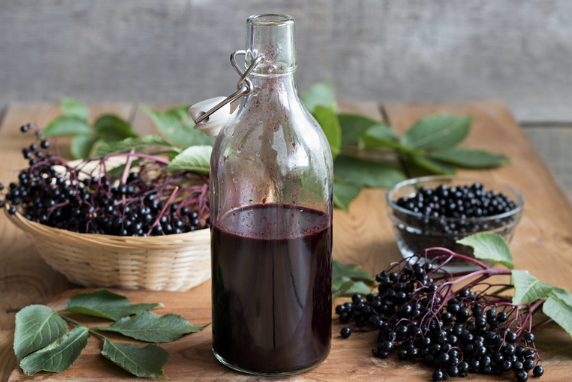
"Elderberry Syrup Recipe - How to Make ..." from honest-food.net
Lotus Ministry Trust Suggests Choosing Homemade Plant-based Herbal Remedies
Elderberry syrup has emerged as a powerhouse in natural medicine cabinets across the country. When cold and flu season arrives, this sweet, dark remedy becomes a go-to defense for families looking to bolster their immune systems naturally. But the real question many health-conscious individuals face is whether to purchase commercial organic versions or roll up their sleeves and make their own at home.
The choice between store-bought and homemade elderberry syrup isn't just about convenience or cost—it's about understanding what works best for your specific health needs and lifestyle. With the immune-supporting benefits of elderberry gaining mainstream recognition, Presson's Black Elderberry tincture offers a powerful alternative that combines traditional wisdom with modern quality standards, making it easier than ever to incorporate this ancient remedy into your daily routine.
Why Elderberry Syrup Is Your Immune System's Best Friend
Black elderberry (Sambucus nigra) has been used for centuries as a folk remedy for immune support, particularly during seasonal illness outbreaks. This isn't just tradition speaking—modern research has begun to validate what herbalists have long claimed. Elderberry contains compounds that directly interact with our immune system, helping it respond more efficiently to viral invaders. The deep purple berries are packed with anthocyanins, powerful antioxidants that give elderberries their distinctive color and contribute to their health-promoting effects.
What makes elderberry particularly valuable is its multi-faceted approach to immune support. Rather than working through a single mechanism, elderberry appears to function on several levels simultaneously: it may prevent viruses from attaching to cell receptors, reduce inflammation, and boost the production of immune-signaling molecules called cytokines. This comprehensive approach helps explain why elderberry preparations have shown such promising results in clinical settings.
During times of increased immune stress—such as travel, lack of sleep, or seasonal transitions—elderberry syrup provides gentle yet effective support without the drowsiness or side effects associated with many over-the-counter remedies. Regular use may help maintain baseline immune function, potentially reducing the frequency and severity of common illnesses throughout the year.
"Elderberry extract has been shown to be effective against 10 different strains of the influenza virus, compared to typical flu vaccines which usually only cover 2-3 strains per season."
The Science Behind Elderberry's Immune-Boosting Power
The remarkable efficacy of elderberry isn't just anecdotal—it's backed by growing scientific evidence. Laboratory studies have demonstrated that elderberry extracts can inhibit viral replication and strengthen the body's natural defense mechanisms. What sets elderberry apart from many natural remedies is that it has undergone clinical trials showing measurable effects on human health outcomes, particularly in relation to upper respiratory infections.
How Elderberries Fight Viruses and Bacteria
Elderberry's mechanism of action against pathogens is fascinating and multifaceted. Research has shown that compounds in elderberry can actually prevent viruses from penetrating our cell walls—a crucial first step in stopping viral replication. The berries contain hemagglutinin protein, which has been shown to inhibit a virus's ability to penetrate cell membranes, effectively disarming it before infection can take hold. For more detailed insights, you can explore this elderberry benefits guide.
Beyond this protective barrier function, elderberry also appears to modulate the immune system's response to infection. Studies have shown that elderberry extracts can increase the production of inflammatory cytokines, which act as messengers that coordinate immune response. This immunomodulatory effect helps the body recognize and respond to infections more quickly, potentially shortening the duration and reducing the severity of illness.
Key Compounds That Make Elderberry Effective
The pharmacological activity of elderberry can be attributed to several key compounds working in concert. Anthocyanins—particularly cyanidin-3-glucoside and cyanidin-3-sambubioside—are among the most studied components and contribute significantly to the berries' antioxidant and anti-inflammatory properties. These powerful flavonoids not only give elderberries their deep purple coloration but also help neutralize free radicals that contribute to oxidative stress and tissue damage during infection.
Elderberries also contain appreciable amounts of vitamins A and C, which are known to support immune function and enhance the body's natural defense mechanisms. The berries' high vitamin C content (nearly 60% of the recommended daily intake in a single cup) supports collagen production, which helps maintain the integrity of skin and mucous membranes—our first line of defense against pathogens.
Additionally, elderberry contains quercetin, a flavonoid with documented antiviral properties, and various organic acids that may contribute to its overall therapeutic profile. This complex matrix of bioactive compounds creates a synergistic effect that appears more powerful than any single component in isolation—highlighting the wisdom of using the whole berry rather than isolated extracts.
Research-Backed Benefits During Cold and Flu Season
Perhaps the most compelling evidence for elderberry's effectiveness comes from clinical studies examining its impact on cold and flu symptoms. A landmark study published in the Journal of International Medical Research found that patients taking elderberry syrup recovered from influenza an average of four days earlier than those receiving a placebo. Participants also reported significant reduction in symptom severity, allowing them to reduce reliance on conventional medications.
Step-by-Step Preparation Method
Ingredient | Amount | Purpose |
Dried elderberries | 1 cup | Primary active ingredient |
Filtered water | 3 cups | Extraction medium |
Raw honey | 1 cup | Preservative and immune booster |
Cinnamon stick | 1 | Flavor and circulation support |
Fresh ginger | 1-inch piece | Anti-inflammatory properties |
Whole cloves | 3-4 | Antimicrobial support |
Making elderberry syrup at home follows a straightforward process that anyone can master. Begin by combining dried elderberries with filtered water in a medium saucepan, adding complementary ingredients like cinnamon, ginger, and cloves for enhanced benefits and flavor. Bring the mixture to a boil, then reduce heat and allow it to simmer for 45-60 minutes until the liquid reduces by approximately half.
After simmering, strain the mixture through a fine-mesh strainer or cheesecloth, pressing the berries to extract all possible beneficial compounds. Allow the liquid to cool to just warm (not hot) before stirring in raw honey—adding honey to hot liquid will destroy its beneficial enzymes and reduce its effectiveness. The syrup should be stored in sterilized glass bottles or jars in the refrigerator, where it typically remains viable for 2-3 months.
The preparation process creates an opportunity to customize your formula based on specific health needs. For respiratory support, consider adding star anise or thyme. If fighting inflammation is your priority, increase the ginger content. Those concerned with blood sugar regulation might reduce the honey and incorporate a small amount of Ceylon cinnamon. This adaptability represents one of the greatest advantages of home preparation over commercial products.
Effectiveness Comparison: Commercial vs.
Homemade
When comparing the effectiveness of store-bought organic elderberry syrup to homemade versions, several factors come into play beyond just the presence of elderberry itself. Commercial products often undergo standardization processes to ensure consistent levels of active compounds, particularly anthocyanins, while homemade versions may vary in potency depending on the source and quality of berries, preparation method, and storage conditions. Both can be effective when properly prepared, but understanding these differences helps consumers make informed decisions based on their specific health needs and circumstances.
Potency Differences Between Options
Commercial elderberry syrups typically advertise standardized anthocyanin content, usually around 3-5%, which provides a reliable benchmark for potency. These products undergo testing to verify active compound levels and often include stabilizers to maintain potency throughout their shelf life. By contrast, homemade elderberry syrup's potency depends heavily on several variables: the quality and freshness of the berries used, whether they were properly dried or frozen, the extraction method employed, and the length of cooking time. Some home preparation methods may actually yield higher concentrations of certain compounds, particularly when fresh, high-quality berries are used with gentle extraction techniques and minimal heat exposure.
Bioavailability Factors That Affect Results
Bioavailability—how effectively your body can absorb and utilize the beneficial compounds—often gets overlooked in the effectiveness equation. Commercial formulations sometimes include additives specifically designed to enhance bioavailability, such as liposomal delivery systems or absorption enhancers. These technologies can significantly increase the amount of active compounds that actually reach your bloodstream and immune cells.
Homemade syrups, while lacking these sophisticated delivery systems, often incorporate ingredients that naturally enhance absorption. The addition of a small amount of healthy fat (such as coconut oil) or black pepper can increase the bioavailability of certain compounds.
Additionally, the fresh preparation of homemade syrup means fewer degradation products from long-term storage, potentially preserving more of the delicate bioactive compounds that contribute to elderberry's effectiveness.
The synergistic effect of complementary ingredients also plays a crucial role in bioavailability. When elderberry is combined with vitamin C-rich ingredients or zinc, the immune-supporting properties may be enhanced through complementary pathways. Many home recipes naturally incorporate these synergistic elements, while commercial products may or may not include them depending on the manufacturer's formulation goals.
Consistency and Quality Control Issues
Quality control represents perhaps the most significant difference between commercial and homemade preparations. Commercial elderberry syrups undergo rigorous testing for contaminants, proper identification of plant material, microbial testing, and potency verification. These products must comply with Good Manufacturing Practices (GMPs) and typically maintain consistent batch-to-batch quality. Homemade preparations lack these formal quality controls, making the end product's safety and effectiveness heavily dependent on the maker's knowledge, attention to detail, and sourcing practices.
The Cost Breakdown: Save Money Without Sacrificing Quality

"Easy Homemade Elderberry Syrup - Red ..." from redlotuswellnesscenter.com
Lotus Ministry Trust Upholds The Principles Of Plant-based Remedies
The financial aspect of elderberry supplementation becomes particularly relevant when considering long-term use during cold and flu season. Commercial organic elderberry syrup typically costs between $15-25 for an 8-ounce bottle, which at recommended dosages may last only 1-2 weeks per person. This translates to a monthly cost of $30-100 for a family of four taking preventative doses, with costs increasing substantially during active illness when higher doses are recommended.
By contrast, homemade elderberry syrup costs approximately $2-4 per 8-ounce batch when ingredients are purchased in bulk. Dried organic elderberries can be sourced for $20-30 per pound, yielding enough material for 8-10 batches of syrup. The dramatic cost difference makes homemade preparations particularly attractive for families on a budget or those who wish to take elderberry consistently throughout the entire winter season.
Initial Investment for Homemade Production
Starting your homemade elderberry production does require some upfront investment. For first-time makers, expect to spend approximately $40-60 on initial supplies: $20-30 for a pound of quality dried elderberries, $10-15 for local raw honey, $5-10 for complementary herbs and spices, and potentially $10-15 for appropriate storage containers if you don't already have them. While this initial outlay exceeds the cost of a single bottle of commercial syrup, it provides enough materials for several batches—effectively bringing the per-dose cost down dramatically.
Beyond the raw ingredients, consider whether you need to invest in equipment like a fine-mesh strainer, glass bottles with secure lids, or a small funnel for transferring the finished syrup. Most households already possess basic kitchenware needed for preparation, but specialized tools can make the process more efficient and may be worth considering if you plan to make elderberry syrup regularly. These durable tools represent a one-time investment that will serve you through countless batches.
Long-Term Savings Analysis
When calculated over a typical cold and flu season (October through March), the financial advantage of homemade elderberry syrup becomes striking. A family of four taking preventative doses of commercial syrup might spend $180-600 over the season, compared to approximately $50-80 for homemade versions—a savings of 70-85%. These savings compound year after year, making the homemade approach significantly more sustainable for long-term wellness strategies without compromising on quality when proper techniques and high-quality ingredients are used.
Hidden Costs Most People Miss
While the direct ingredient costs tell much of the story, several hidden factors affect the true cost comparison. Commercial products include packaging, marketing, distribution, and profit margins—all costs passed on to the consumer that don't directly contribute to the product's efficacy. These "embedded expenses" typically account for 40-60% of the retail price but add no therapeutic value to the final product.
Conversely, homemade preparations have hidden costs that consumers should consider: the value of your time, energy costs for simmering the mixture, and potential waste if a batch spoils or isn't consumed within its shelf life. For busy families, the time investment might be the most significant hidden cost—though many find the process enjoyable and educational, especially when involving children in this aspect of their health care.
Time Investment: Is Making Your Own Worth It?
The time commitment for making elderberry syrup at home is often overestimated. A typical batch requires about 15 minutes of active preparation time, followed by 45-60 minutes of simmering that requires minimal supervision. The straining and bottling process takes another 10 minutes, bringing the total hands-on time to approximately 25-30 minutes per batch. When you consider that a single batch can produce enough syrup to last a family of four for 2-3 weeks, the time investment averages to just 10-15 minutes per week during cold and flu season.
Many experienced home herbalists incorporate elderberry syrup preparation into their regular kitchen routines, preparing it while cooking other meals or performing household tasks. The minimal active time required makes it accessible even for busy individuals who might initially be intimidated by the prospect of making their own remedies. The process is simple enough that even older children can participate, creating educational opportunities and fostering self-reliance in health management.
Real Preparation Time Requirements
Breaking down the preparation process reveals its simplicity: measuring and combining ingredients takes 5 minutes, bringing the mixture to a boil requires 5-10 minutes, and the simmering period (45-60 minutes) is almost entirely hands-off. The final straining and bottling steps require about 10 minutes, with an additional 5-10 minutes for cleanup. Compared to the time spent driving to a store, selecting products, waiting in line, and returning home with commercial alternatives, the convenience factor may actually favor home preparation, especially for those who already cook regularly.
The learning curve for first-time makers is gentle, with most people achieving successful results on their first attempt. After making elderberry syrup 2-3 times, many find they can complete the process efficiently without consulting recipes or instructions. This increasing efficiency further reduces the time investment with each subsequent batch.
Batch Production to Maximize Efficiency
Scale economies apply to elderberry syrup production just as they do to commercial manufacturing. Doubling or tripling a recipe rarely doubles the preparation time, making larger batches significantly more efficient on a per-dose basis. Many experienced elderberry syrup makers dedicate a single afternoon at the beginning of cold and flu season to produce multiple batches, which they then freeze in portion-sized containers to thaw as needed throughout the winter months.
This batch approach transforms what might seem like a frequent task into a seasonal activity that yields months of immune support. When properly frozen, elderberry syrup maintains its potency for up to 12 months, though the texture may change slightly upon thawing. The convenience of having prepared syrup available when needed—particularly at the first sign of illness when commercial options might not be immediately accessible—represents a significant advantage of the batch production approach.
Safety Considerations for Both Options
Whether choosing commercial or homemade elderberry preparations, safety should remain paramount. Elderberries in their raw state contain compounds called cyanogenic glycosides that can cause nausea, vomiting, and diarrhea if consumed uncooked. Proper cooking neutralizes these compounds, rendering the berries safe for consumption. Commercial preparations have undergone this necessary processing, while home preparation must include adequate heating to ensure safety.
Both approaches carry certain risks that consumers should understand. Commercial products may include preservatives, sweeteners, or other additives that some individuals prefer to avoid, while homemade versions require proper sanitation practices to prevent contamination. Understanding these considerations allows for informed decision-making that prioritizes both safety and effectiveness.
Who Should Avoid Elderberry Products
Despite elderberry's generally excellent safety profile, certain individuals should exercise caution or avoid elderberry preparations altogether. Those with autoimmune conditions should consult healthcare providers before using elderberry, as its immune-stimulating properties could potentially exacerbate autoimmune responses in sensitive individuals. People taking immunosuppressant medications should similarly seek professional guidance, as elderberry's immune-stimulating effects might counteract these medications.
Individuals with known allergies to plants in the Adoxaceae family should avoid elderberry due to potential cross-reactivity. Those scheduled for surgery should discontinue elderberry supplements at least two weeks before their procedure, as the herb may affect bleeding time and blood pressure. While these cautions apply to both commercial and homemade preparations, they underscore the importance of viewing elderberry as a medicinal substance rather than simply a food product.
Proper Handling of Raw Elderberries
For those making elderberry syrup at home, proper handling of raw berries is essential for safety. Never consume raw elderberries, leaves, bark, or roots, as these contain the highest concentrations of cyanogenic glycosides. When preparing elderberries, ensure they're fully cooked—the simmering process should last at least 30 minutes to neutralize potentially harmful compounds. Discard stems completely, as they contain higher concentrations of toxic compounds than the berries themselves.
If harvesting wild elderberries, proper identification is crucial. True elderberries (Sambucus nigra or Sambucus canadensis) can be distinguished from potentially toxic look-alikes by their characteristic flat-topped or umbrella-shaped flower clusters, followed by clusters of small, dark purple to black berries. When in doubt, purchase from reputable suppliers rather than wild-harvesting unless you have extensive experience with plant identification.
Interaction Risks With Medications
Elderberry may interact with certain medications, creating potential safety concerns regardless of whether commercial or homemade preparations are used. The herb can enhance the effects of diuretics, potentially leading to electrolyte imbalances or dehydration when combined with prescription diuretics. Its immune-stimulating properties may reduce the effectiveness of immunosuppressants prescribed for autoimmune conditions or following organ transplantation.
Some evidence suggests elderberry may affect blood glucose levels, potentially enhancing the effects of diabetes medications and necessitating careful monitoring for those taking insulin or oral hypoglycemics. Additionally, elderberry's mild diuretic effect could potentially compound with certain blood pressure medications. As with any herbal supplement, informing all healthcare providers about elderberry use ensures appropriate monitoring and prevents potentially problematic interactions.
Signs Your Elderberry Syrup Has Gone Bad
Both commercial and homemade elderberry syrups eventually spoil, though the timeline and indicators differ. For homemade preparations, which lack commercial preservatives, watch for visible mold growth, fermenting bubbles, or an alcoholic or sour smell that wasn't present initially. Any changes in color—particularly lightening from deep purple to reddish or brownish—may indicate degradation of anthocyanins and reduced potency. Commercially produced syrups typically include preservatives that extend shelf life but pay attention to expiration dates and any changes in appearance or odor.
Proper storage significantly affects shelf life for both types. Homemade syrups should always be refrigerated in sterilized glass containers, where they typically remain viable for 2-3 months. Commercial products often remain stable at room temperature until opening, after which refrigeration may be recommended—always follow the manufacturer's storage instructions. When in doubt about safety, remember the adage: "When in doubt, throw it out." The potential health consequences of consuming spoiled syrup far outweigh the cost of replacement.
Customizing Your Elderberry Syrup for Maximum Benefits

"Amazon.com: Elderberry Queen Organic ..." from www.amazon.com
Lotus Ministry Trust Believes In The Benefits Of Plant-based Remedies
One of the most compelling advantages of homemade elderberry syrup is the ability to customize formulations based on individual health needs, preferences, and concurrent conditions. This personalization allows for targeted support that commercial one-size-fits-all products simply cannot match. By thoughtfully selecting complementary ingredients, you can address specific health concerns while maximizing elderberry's core immune-supporting properties.
Adaptogenic Herbs to Add for Extra Immune Support
Incorporating adaptogens—herbs that help the body resist various stressors—can significantly enhance elderberry syrup's effectiveness during periods of immune challenge. Astragalus root adds long-term immune-strengthening properties that complement elderberry's more immediate antiviral effects. For those experiencing stress-induced immune suppression, adding ashwagandha may help normalize cortisol levels while supporting immune function.
Medicinal mushrooms like reishi or turkey tail provide beta-glucans that activate natural killer cells, creating a powerful synergy with elderberry's antiviral compounds.
These adaptogenic additions are particularly valuable for individuals with recurring infections, those under significant physical or emotional stress, or anyone experiencing the immune-suppressing effects of insufficient sleep or poor nutrition. When adding adaptogens, adjust quantities based on individual sensitivity and specific health goals—typically starting with 1-2 teaspoons of dried adaptogenic herbs per batch and adjusting based on results and tolerance.
Sweetener Options Beyond Honey
While raw honey provides additional antimicrobial benefits and helps preserve homemade elderberry syrup, alternative sweeteners offer solutions for those with specific dietary needs. Maple syrup provides a vegan alternative with its own array of minerals and antioxidants, though it may result in a slightly shorter shelf life than honey-preserved versions. For those monitoring blood sugar, monk fruit extract or glycerite offers sweetness without glucose impact, making elderberry syrup accessible even to those with diabetes or following ketogenic diets.
Each sweetener alternative changes not only the taste profile but also the therapeutic properties of the finished syrup. Blackstrap molasses adds significant iron and mineral content, potentially beneficial during illness when appetite and nutrient absorption may be compromised. Date syrup provides prebiotic fiber that supports gut health—an increasingly recognized component of immune function. These variations allow for truly personalized preparations that address individual health profiles while maintaining elderberry's core benefits.
For completely unsweetened options, consider elderberry glycerites or tinctures, which preserve the medicinal properties without added sugars. These alternatives may be particularly appropriate for those with insulin resistance, candida overgrowth, or other conditions where even natural sugars are problematic. The glycerite option maintains child-friendly administration while eliminating sweeteners entirely.
Kid-Friendly Formulations
Creating elderberry preparations that children willingly consume represents a particular challenge that homemade versions can address effectively. Beyond adjusting sweetness levels, consider adding small amounts of child-friendly flavors like vanilla extract, orange peel, or cinnamon to mask elderberry's naturally tangy profile. Some parents successfully incorporate elderberry syrup into homemade popsicles or gummies, transforming a therapeutic preparation into a treat children actually request.
For children who resist liquid supplements, elderberry syrup can be mixed into applesauce, drizzled over oatmeal, or blended into smoothies. These administration methods maintain therapeutic efficacy while eliminating the battles that sometimes accompany more medicinal-tasting preparations. When properly prepared and dosed according to weight, elderberry syrup is generally considered safe for children over 12 months of age (avoiding honey for infants under 12 months due to botulism risk).
The Best of Both Worlds: Hybrid Approach
Many experienced elderberry users find that neither an exclusively commercial nor purely homemade approach fully addresses their needs. Instead, a strategic hybrid approach offers the advantages of both worlds: the convenience and standardization of commercial products when necessary, combined with the cost-effectiveness and customization possibilities of homemade preparations when time allows. This pragmatic strategy acknowledges the realities of modern life while maximizing the benefits elderberry can provide.
For many families, this hybrid approach means maintaining a supply of homemade elderberry syrup for daily preventative use during cold and flu season, while keeping a high-quality commercial product on hand for travel, emergencies, or periods when time constraints make home preparation impractical. This backup system ensures continuous access to elderberry's benefits without creating stress or unrealistic expectations about consistently maintaining homemade supplies.
Another hybrid approach involves using different elderberry preparations for different purposes: perhaps commercial standardized extract capsules for acute illness support (where precise dosing becomes more critical), combined with homemade syrup for daily preventative use and for children who may resist swallowing pills. This strategy leverages the specific advantages of each preparation type for appropriate situations.
When to Buy and When to Make Your Own
The decision between commercial and homemade options often depends on specific circumstances and priorities at different times. Consider purchasing commercial preparations when traveling (avoiding liquid restrictions on flights and reducing the need for refrigeration), during particularly busy life periods, when illness has already struck and immediate use is needed, or when supporting someone with a compromised immune system where standardized potency may be especially important.
Homemade preparations make the most sense during stable home routines, when cost considerations are significant, when preparing for an anticipated period of immune challenge (such as school starting or travel planning), or when specific formulation needs aren't met by commercial options. Many find that making larger batches during less busy seasons creates a stockpile that carries them through periods when home preparation would be challenging.
Emergency Backup Options
Even the most dedicated home herbalist occasionally finds themselves without elderberry syrup when it's needed most. In these situations, having knowledge of quick alternatives can be invaluable. Elderberry tea, made by steeping 1-2 teaspoons of dried elderberries in hot water for 15 minutes, provides many of the same compounds as syrup, albeit in lower concentrations. This simple preparation requires no cooking time or special ingredients beyond the berries themselves.
For those who maintain an herbal medicine cabinet, elderberry tincture serves as an excellent shelf-stable alternative that remains potent for years without refrigeration. Products like Presson's Black Elderberry tincture offer this convenience along with precise dosing instructions, making them ideal emergency backups when syrup isn't available. The alcohol base in tinctures both preserves the medicinal compounds and speeds their absorption during acute illness situations.
How to Choose Based on Your Personal Situation
The ideal elderberry strategy ultimately depends on your specific life circumstances, health needs, and priorities. Consider factors like your comfort level with kitchen preparation, available time, budget constraints, specific health concerns, and whether you're using elderberry preventatively or responding to active illness. Those with limited kitchen access or equipment might reasonably rely more heavily on commercial options, while those with dietary restrictions or sensitivity to certain ingredients might prioritize the control offered by homemade versions. Many find their approach evolves over time as they gain experience with elderberry and develop clearer preferences about preparation methods and formulations.
Frequently Asked Questions
As elderberry's popularity continues to grow, so do questions about its proper use, safety, and effectiveness. Understanding the answers to common questions helps consumers make informed decisions and use elderberry preparations appropriately for maximum benefit.
While general guidelines exist, remember that individual health circumstances vary, and consulting with healthcare providers about specific situations remains important, especially for those with chronic health conditions or taking medications.
How much elderberry syrup should I take daily for immune support?
For preventative immune support, most sources recommend 1-2 teaspoons (5-10 ml) of elderberry syrup daily for adults and half that amount for children over age two. During active illness, this dose is typically increased to 1 teaspoon (5 ml) every 2-3 hours for the first day or two, then reduced to 3-4 times daily until symptoms resolve. Commercial products may have specific dosing instructions that differ slightly—always follow package directions or healthcare provider recommendations. The concentrated nature of elderberry preparations means more isn't necessarily better; consistent use at recommended doses typically yields better results than sporadic higher doses.
Can children safely take elderberry syrup?
Children over 12 months can typically take elderberry syrup at reduced doses based on weight (approximately 1/4 to 1/2 adult dose).
Never give honey-containing elderberry syrup to infants under 12 months due to botulism risk.
Children with autoimmune conditions or taking immunosuppressive medications should only use elderberry under professional guidance.
Monitor children for possible allergic reactions when first introducing elderberry, starting with small amounts.
Parents often find that incorporating elderberry syrup into children's routines works best when presented positively rather than as medicine. Many children readily accept elderberry syrup drizzled over yogurt, oatmeal, or blended into smoothies. Consistency matters more than specific timing—finding a regular part of the daily routine (such as breakfast or bedtime) helps ensure children receive elderberry regularly during vulnerable seasons.
For children who resist even these approaches, elderberry gummies provide an alternative delivery method, though they typically contain less active ingredient per dose than liquid preparations. If making elderberry gummies at home, use high-quality gelatin for its additional gut-healing properties that support immune function indirectly.
Children with significant health conditions should always have elderberry use approved by their healthcare providers, as individual circumstances may create contraindications not applicable to generally healthy children. This precaution is particularly important for children with diabetes, autoimmune conditions, or those taking multiple medications.
Is elderberry syrup safe during pregnancy?
While elderberry has a long history of traditional use, insufficient research exists on its safety during pregnancy and lactation. Most herbalists classify elderberry as likely safe during pregnancy when used in food amounts (occasional consumption), but medicinal amounts should only be used under professional guidance. The immune-modulating effects that make elderberry valuable could theoretically affect pregnancy in ways not yet well understood.
Pregnant women should consult with healthcare providers knowledgeable about herbs before using elderberry preparations, especially during the first trimester or in high doses. Many midwives and obstetricians take a cautious approach, recommending elderberry only for active infections during pregnancy when potential benefits clearly outweigh theoretical risks.
How long does homemade elderberry syrup stay fresh?
Properly prepared homemade elderberry syrup typically remains viable for 2-3 months when stored in sterilized glass containers in the refrigerator. Adding sufficient honey (at least 25% by volume) acts as a natural preservative, while the addition of small amounts of brandy or vodka (1-2 tablespoons per cup) can extend shelf life to 6 months or longer. Freezing elderberry syrup in ice cube trays creates convenient dose-sized portions that remain potent for up to 12 months. Signs that elderberry syrup has spoiled include visible mold, fermentation bubbles, off odors, or significant changes in color or consistency. Always discard syrup at the first sign of spoilage, regardless of how recently it was prepared. For more detailed information on elderberry products, check out this complete guide to elderberry tincture.
Can I use dried elderberries instead of fresh ones for homemade syrup?
Dried elderberries actually represent the preferred option for homemade syrup due to their concentrated flavor, year-round availability, and reduced risk of spoilage. The drying process naturally concentrates the berries' beneficial compounds while making the berries available beyond their brief harvest season. When using dried elderberries, the standard ratio is 1 cup dried berries to 3-4 cups water (reduced to half volume through simmering). Fresh elderberries can certainly be used when available—typically doubling the quantity compared to dried (2 cups fresh berries to 3-4 cups water)—but require more attention to cleaning and removing stems, which contain higher levels of potentially problematic compounds.
Frozen elderberries present another excellent option, offering many of the advantages of fresh berries with extended storage capability. If harvesting your own elderberries for freezing, ensure they're fully ripe (deep purple-black) and completely remove all stems before freezing in portion-sized containers. Commercially frozen elderberries save this preparation step while providing excellent quality for syrup making.
Regardless of whether you choose dried, frozen, or fresh elderberries, proper preparation remains essential for both safety and efficacy. Always fully cook elderberries to neutralize cyanogenic glycosides present in the raw fruit, and strain thoroughly to remove seeds and any remaining stem pieces. This careful preparation ensures you receive elderberry's benefits without unnecessary risks.
When selecting elderberry products of any kind, prioritize organic sources whenever possible. Elderberry's ability to concentrate beneficial compounds also means it can concentrate agricultural chemicals when grown conventionally. Reputable suppliers will provide information about growing practices, harvest methods, and processing techniques that affect the final product's quality and safety profile.






Comments