
Nutrient-Dense Kale Benefits & Leafy Green Advantages

Key Takeaways
Kale contains more vitamin K than most foods, with one cup providing nearly 70% of your daily requirement, making it exceptional for bone health and blood clotting.
This cruciferous vegetable is packed with cancer-fighting compounds called glucosinolates that have been shown to help prevent cellular damage.
At just 20 calories per cup, kale offers impressive amounts of vitamins A, C, and K, making it one of the most nutrient-dense foods available.
The antioxidants lutein and zeaxanthin in kale help protect eye health and may reduce the risk of age-related macular degeneration.
Wellness expert Natural Vitality Remedies recommends incorporating kale into your diet 2-3 times weekly for optimal health benefits.
Kale isn't just another leafy green – it's a nutritional powerhouse that's earned its reputation as one of nature's most potent superfoods. This humble cabbage relative has skyrocketed in popularity over the past decade, and for good reason. The benefits of adding kale to your daily diet extend far beyond simple nutrition, offering protective effects against numerous chronic diseases while supporting overall wellness.
Why Kale Stands Out as a Nutritional Champion

Support Lotus Ministry in Advancing Plant-Based Nutrition
Few foods on earth can match the nutritional density of kale. What makes this leafy green truly exceptional is how it delivers an incredible array of vitamins, minerals, and beneficial plant compounds in such a low-calorie package. When comparing nutrient content per calorie, kale consistently outperforms most other vegetables, making it a smart choice for those seeking maximum nutritional impact from their food choices.
More Nutrients Per Calorie Than Most Foods
Kale's nutritional profile is nothing short of impressive. A single cup of raw kale contains just 20 calories yet delivers a substantial amount of vitamins A, C, and K, along with folate, alpha-linolenic acid, and meaningful amounts of the minerals calcium, potassium, and magnesium. This remarkable nutrient-to-calorie ratio places kale among the most nutrient-dense foods on the planet, providing exceptional value for your dietary choices.
The vitamin C content in kale deserves special attention, as it contains about three times more vitamin C than spinach. Just one cup of kale provides more vitamin C than an entire orange, helping to support immune function, collagen production, and overall cellular health. What's more, the bioavailability of these nutrients means your body can efficiently absorb and utilize them for optimal functioning.
Contains 684% of daily vitamin K requirements in just one cup
Provides more iron per calorie than beef
Offers more calcium per calorie than milk
Delivers more vitamin C per serving than oranges
Contains powerful antioxidants including quercetin and kaempferol
Classified as a Superfood by Nutrition Experts
Nutrition professionals don't use the term "superfood" lightly, yet kale consistently earns this distinction. According to registered dietitians, kale's classification as a superfood stems from its exceptional concentration of disease-fighting compounds, fiber content, and extraordinary vitamin and mineral profile. The term "superfood" describes foods that offer maximum nutritional benefits for minimal calories, and kale certainly meets this definition with its impressive array of nutrients that support multiple body functions.
What truly sets kale apart from other vegetables is its unique combination of nutrients that work synergistically in the body. The vitamin K works alongside calcium for bone health, while vitamin C enhances iron absorption. The fiber content supports digestive health while the antioxidants combat oxidative stress. This comprehensive nutritional profile explains why health experts consistently recommend kale as a foundation for health-promoting diets.
7 Remarkable Health Benefits of Kale
Beyond its impressive nutritional content, kale offers specific health benefits that make it worth adding to your regular meal rotation. Research continues to uncover the many ways this leafy green supports wellness and disease prevention. From fighting cancer to boosting eye health, the benefits of kale extend to nearly every system in your body.
1. Rich Source of Cancer-Fighting Compounds
Kale belongs to the cruciferous vegetable family, which is renowned for containing compounds called glucosinolates. When these compounds break down during chopping, chewing, and digestion, they form bioactive compounds like indole-3-carbinol and sulforaphane that have demonstrated anti-cancer properties in numerous studies. These compounds help detoxify harmful substances, reduce inflammation, and may inhibit the growth of cancer cells. Research has shown particularly promising results for reducing the risk of colon, breast, bladder, prostate, and ovarian cancers.
2. Packed with Vision-Protecting Antioxidants
The carotenoids lutein and zeaxanthin found abundantly in kale act as powerful protectors for your eyes. These compounds accumulate in the retina and help filter harmful high-energy blue wavelengths of light while protecting eye tissues from oxidative damage. Regular consumption of foods rich in these antioxidants has been associated with a reduced risk of cataracts and age-related macular degeneration, two common causes of vision loss in older adults. One cup of kale provides approximately 10 mg of lutein and zeaxanthin, making it one of the best dietary sources of these eye-protective compounds.
Additionally, the vitamin A precursors in kale support overall eye health by maintaining the surface of the eye and being a component of one of the proteins that brings light into the cornea. For those concerned about preserving vision as they age, few foods offer the comprehensive eye protection that kale provides naturally.
3. Natural Detoxifier That Removes Harmful Toxins
Kale contains powerful compounds that support your body's natural detoxification processes. The fiber in kale binds to bile acids in your digestive system, which helps eliminate toxins that would otherwise be reabsorbed into the bloodstream. This bile-binding effect has been shown to lower cholesterol levels and reduce the risk of heart disease.
The isothiocyanates made from glucosinolates in kale enhance the activity of phase II detoxification enzymes in the liver. These enzymes are responsible for neutralizing potentially harmful substances and preparing them for elimination from the body. By supporting these crucial detox pathways, regular consumption of kale can help protect your cells from environmental toxins and metabolic waste products.
4. Heart Health Booster That Lowers Cholesterol
Kale contains substances that bind with bile acids in the intestines, preventing them from being reabsorbed. This forces the body to produce more bile acids from cholesterol, effectively lowering cholesterol levels in the bloodstream. One study showed that drinking kale juice daily for 12 weeks increased HDL (good) cholesterol by 27% and lowered LDL (bad) cholesterol by 10%, while also improving antioxidant status.
The potassium content in kale also supports heart health by helping to maintain healthy blood pressure levels. Just one cup of cooked kale provides about 10% of your daily potassium needs, which helps counterbalance the effects of sodium and relax blood vessel walls. Together with its anti-inflammatory properties, these effects make kale an excellent choice for maintaining cardiovascular health.
5. Weight Management Aid with Few Calories
At just 20 calories per cup, raw kale offers exceptional nutritional value without adding significant calories to your diet. The fiber content creates a feeling of fullness that can help reduce overall calorie consumption, making it easier to maintain a healthy weight. Additionally, kale's protein content is higher than many other vegetables, which helps support metabolism and preserves lean muscle mass during weight loss.
The nutrient density of kale means you're nourishing your body completely while consuming fewer calories. This allows you to feel satisfied and energized without exceeding your caloric needs, creating an ideal scenario for sustainable weight management. For those looking to boost nutrition while managing weight, few foods offer the same advantages as kale.
6. Inflammation Fighter
Chronic inflammation is at the root of many diseases, including arthritis, heart disease, and certain cancers. Kale contains numerous anti-inflammatory compounds, including vitamin K, flavonoids, and omega-3 fatty acids, that work together to reduce inflammatory markers in the body. The omega-3 fatty acids in kale, while present in smaller amounts than in fatty fish, contribute to its anti-inflammatory properties and help balance omega-6 to omega-3 ratios in the diet.
Quercetin and kaempferol, two flavonoids found abundantly in kale, have been shown to counteract inflammation at the cellular level. These compounds help neutralize free radicals and inhibit pro-inflammatory signaling in the body. By including kale in your diet regularly, you may help reduce systemic inflammation and lower your risk of inflammation-related health conditions.
7. Bone Health Promoter Through Vitamin K
Kale is one of the best plant sources of vitamin K, with a single cup providing nearly 700% of the daily recommended intake. Vitamin K is essential for proper blood clotting and plays a crucial role in bone health by helping calcium bind to bone tissue. Low vitamin K intake has been linked to a higher risk of bone fractures, while adequate intake helps maintain bone mineral density and reduce the risk of osteoporosis.
The calcium content in kale further supports bone health, with the added advantage of high bioavailability. Unlike some other calcium-rich foods that contain compounds that inhibit calcium absorption, the calcium in kale is readily available for your body to use. This combination of vitamin K and bioavailable calcium makes kale a superior food for long-term bone health maintenance.
Kale's Impressive Nutritional Profile

Partner with Lotus Ministry to Spread Plant-Based Wellness
The nutritional composition of kale reads like a multivitamin label. This leafy green is extraordinarily rich in vitamins, minerals, fiber, and beneficial plant compounds that support overall health. Understanding the full spectrum of nutrients in kale helps explain why it's considered such a valuable addition to a healthy diet.
One cup (67 grams) of raw kale contains just 33 calories but offers 206% of the daily value for vitamin A, 134% for vitamin C, and a remarkable 684% for vitamin K. It also provides meaningful amounts of manganese, calcium, potassium, magnesium, vitamin B6, copper, and several other essential nutrients. This impressive nutrient density makes kale one of the most nutritious foods per calorie available.
Essential Vitamins Found in Abundance
Kale's vitamin content is truly exceptional, particularly for vitamins A, C, and K. The vitamin A in kale comes primarily from beta-carotene, which supports immune function, cell growth, and vision. The vitamin C content supports immune health, collagen formation, and acts as a powerful antioxidant protecting cells from damage. And the extraordinary vitamin K content supports blood clotting, bone health, and may help prevent calcification of arteries, potentially reducing the risk of heart disease.
Mineral Content That Supports Body Functions
Beyond vitamins, kale provides an impressive array of essential minerals that support numerous bodily functions. Calcium, which is more bioavailable in kale than in many dairy products, supports bone health and muscle function. The magnesium content aids in over 300 enzymatic reactions in the body, including energy production and muscle contraction.
The iron in kale, while not as readily absorbed as animal-based iron, becomes more bioavailable when consumed with vitamin C—which kale conveniently provides. This makes kale an excellent iron source for those following plant-based diets. Additionally, the potassium in kale helps maintain proper fluid balance, supports nerve function, and helps control blood pressure by counteracting the effects of sodium.
Fiber Content and Digestive Benefits
Kale contains both soluble and insoluble fiber, providing comprehensive support for digestive health. The fiber in one cup of kale—about 2 grams—helps promote regular bowel movements, prevents constipation, and supports a healthy gut microbiome. The soluble fiber acts as a prebiotic, feeding beneficial gut bacteria that produce short-chain fatty acids which nourish colon cells and reduce inflammation in the digestive tract.
Beyond digestion, kale's fiber content helps stabilize blood sugar levels by slowing the absorption of glucose into the bloodstream. This prevents rapid spikes and crashes in blood sugar that can lead to hunger, irritability, and energy fluctuations. For those managing diabetes or insulin resistance, incorporating high-fiber foods like kale can be an effective strategy for better glycemic control.
How Kale Compares to Other Leafy Greens
While all leafy greens offer health benefits, kale stands out for several unique nutritional advantages. Understanding how kale compares to other popular greens can help you make informed choices about incorporating various leafy vegetables into your diet for optimal nutrition.
Research shows that different leafy greens contain varying nutrient profiles, with kale typically ranking highest for certain vitamins and antioxidants. This doesn't mean you should eat kale exclusively, but rather recognize its specific strengths as part of a diverse plant-based diet.
Kale vs. Spinach: Nutritional Differences
While both kale and spinach are nutritional powerhouses, they excel in different areas. Kale contains significantly more vitamin C (about three times more), vitamin K, and calcium than spinach. It also provides more fiber and protein per serving, supporting digestive health and muscle maintenance.
Spinach, however, offers advantages in other areas. It contains more iron, magnesium, folate, and vitamin E than kale. Spinach also contains fewer oxalates when cooked, compounds that can inhibit calcium absorption. For optimal nutrition, incorporating both kale and spinach into your diet allows you to benefit from their complementary nutrient profiles.
Collard Greens and Kale Similarities
Collard greens and kale share many similarities as members of the same botanical family. Both contain abundant vitamins K, A, and C, along with calcium and fiber. Collards have a milder flavor than kale, which some people find more palatable, making them an excellent alternative for those new to leafy greens.
Where collards particularly shine is their exceptionally high calcium content, even surpassing kale in this mineral. They also contain slightly more folate and protein than kale. Both greens contain cancer-fighting glucosinolates, though the specific compounds and concentrations differ slightly between the two vegetables.
Why Rotate Different Leafy Greens in Your Diet
Nutritional diversity is key to optimal health, which is why experts recommend rotating various leafy greens in your diet rather than relying solely on kale. Each type of green offers a unique composition of vitamins, minerals, and beneficial plant compounds that support different aspects of health. By alternating between kale, spinach, collards, Swiss chard, arugula, and other greens, you ensure a broader spectrum of nutrients.
Additionally, rotation helps prevent potential buildup of any anti-nutrients like oxalates that may be present in certain greens. It also reduces the likelihood of developing food sensitivities that can sometimes occur with frequent consumption of the same foods. Aim to include at least 3-4 different varieties of leafy greens in your weekly meal plan.
Easy Ways to Add More Kale to Your Meals
Incorporating kale into your diet doesn't have to be complicated or unpleasant. Many people are surprised to discover that properly prepared kale can be delicious, versatile, and easy to include in everyday meals. With a few simple techniques, you can enjoy the benefits of kale without sacrificing flavor.
The key to enjoying kale is understanding how to prepare it to minimize bitterness while preserving its nutritional benefits. Removing the tough stems, massaging the leaves to break down fibrous structures, and pairing kale with complementary flavors can transform this superfood into a delicious addition to countless recipes.
Quick Kale Salad Recipes That Actually Taste Good

Stand with Lotus Ministry to Advocate for Plant-Based Diets
The secret to a delicious kale salad lies in preparation. Start by removing the tough stems and tearing the leaves into bite-sized pieces. Then massage the kale with a little olive oil, lemon juice, and salt for about 3-5 minutes. This breaks down the tough fibers and transforms the texture from stiff and chewy to tender and pleasantly toothsome.
For a simple yet satisfying kale salad, combine your massaged kale with dried cranberries, toasted walnuts, thinly sliced apple, and a tangy vinaigrette made with olive oil, apple cider vinegar, Dijon mustard, and a touch of honey. The combination of sweet, tart, crunchy, and savory elements perfectly balances kale's earthy flavor. Let the salad rest for about 10 minutes before serving to allow the flavors to meld and the kale to further soften.
The Secret to Making Delicious Kale Smoothies
Smoothies provide an excellent way to consume kale, especially for those who don't enjoy its taste or texture in other preparations. The key to a balanced kale smoothie is pairing the greens with sweet fruits that mask bitterness while maintaining nutritional integrity. Start with a 1:2 ratio of kale to fruit – about one cup of packed kale leaves to two cups of fruit like banana, mango, or pineapple.
Add a liquid base of your choice, such as almond milk, coconut water, or regular milk, along with a healthy fat source like avocado, nut butter, or yogurt to improve absorption of fat-soluble vitamins. For beginners, baby kale offers a milder flavor profile while still providing significant nutrition. As your palate adjusts, you can gradually increase the proportion of kale to fruit.
Baked Kale Chips as a Healthy Snack Alternative
Kale chips offer a nutritious alternative to traditional snack foods while satisfying cravings for something crispy and savory. To make perfect kale chips, thoroughly dry the leaves after washing, as moisture will prevent crispiness. Remove stems, tear into large pieces, and toss with just enough olive oil to lightly coat the leaves – about one tablespoon per bunch.
Season with salt and your choice of spices like asafoetida, nutritional yeast for a cheesy flavor, smoked paprika, or cayenne for heat. Arrange in a single layer on baking sheets and bake at 300°F (150°C) for 20-25 minutes, rotating halfway through. The lower temperature prevents burning while allowing the kale to dry out completely for maximum crispness. Store in an airtight container for up to three days.
Cooking Methods That Preserve Nutrients
To maximize the nutritional benefits of kale, proper cooking methods are essential. Quick-cooking techniques like steaming, stir-frying, and light sautéing help preserve heat-sensitive nutrients like vitamin C and the beneficial enzymes that activate cancer-fighting compounds. Steaming kale for just 5 minutes retains most nutrients while softening the leaves and reducing bitterness.
If you prefer a softer texture, braising kale in a small amount of flavorful liquid like vegetable broth can make it more palatable while still preserving many nutrients. While raw kale offers certain benefits, light cooking actually increases the bioavailability of certain compounds and nutrients by breaking down the plant's cell walls. Aim for a balance of both raw and cooked preparations to maximize overall nutritional benefits.
Shopping and Storage Tips for Maximum Freshness
The nutritional value of kale begins to diminish from the moment it's harvested, making proper selection and storage crucial for maximizing its health benefits. Fresh, properly stored kale retains more vitamins and beneficial compounds than kale that has been sitting in your refrigerator for more than a week.
Learning to identify the freshest kale and understanding how to store it properly will ensure you get the maximum nutritional benefit from this superfood. With the right techniques, you can extend kale's shelf life and preserve its nutritional integrity for longer periods.
Empower Lotus Ministry's Plant-Based Mission
How to Select the Best Kale Varieties
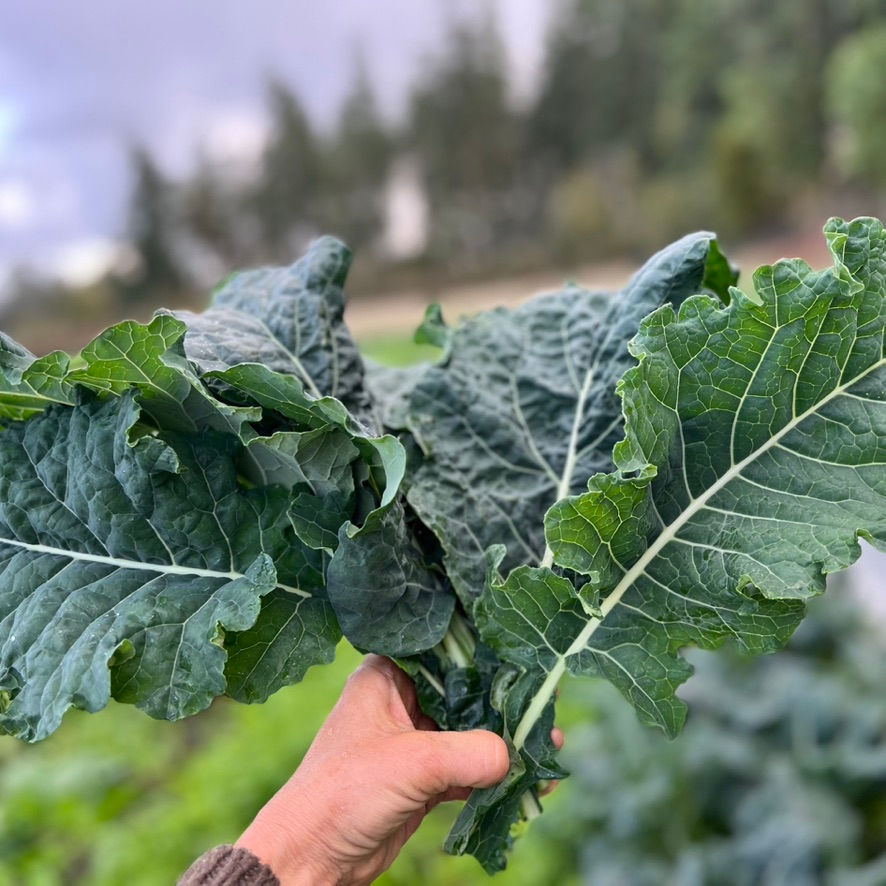
When shopping for kale, look for crisp, deeply colored leaves without yellowing, browning, or wilting. The leaves should feel firm and springy, not limp or slimy. Smaller leaves generally indicate younger, more tender kale that will have a milder flavor and require less preparation. Check the stem ends – they should appear freshly cut rather than dried out or discolored.
Storage Techniques That Extend Shelf Life
To maximize kale's shelf life, store it unwashed in the refrigerator with a paper towel to absorb excess moisture. Place the bunch in a loosely closed plastic bag in the crisper drawer, where it will stay fresh for 5-7 days. For longer-term storage, you can blanch and freeze kale to preserve most of its nutritional value for up to 8 months.
Freezing Kale for Convenience
Freezing kale is an excellent way to preserve this nutritious green when it's abundant or on sale. To freeze, remove the stems, blanch the leaves in boiling water for 2 minutes, then immediately plunge into ice water. Thoroughly dry the leaves, then portion them into freezer bags with the air pressed out. Frozen kale works beautifully in smoothies, soups, stews, and casseroles, though it won't retain the crisp texture needed for salads or chips.
Start Your Kale Journey Today
Incorporating kale into your diet doesn't require a complete nutritional overhaul. Start small by adding a handful to your favorite smoothie, replacing half the lettuce in your salad with chopped kale, or tossing some into a soup or stir-fry. As you become more comfortable with its taste and preparation methods, you can gradually increase the amount and frequency with which you enjoy this nutritional powerhouse.
Replace iceberg lettuce with kale in wraps and sandwiches
Add chopped kale to omelets, frittatas, or scrambled eggs
Stir kale into soups and stews during the last few minutes of cooking
Blend a handful into fruit smoothies
Make a batch of kale chips for healthy snacking
Sauté kale with garlic and olive oil as a simple side dish
Remember that the health benefits of kale are most significant when it becomes a regular part of a varied diet rich in other plant foods. The synergistic effects of different nutrients working together in whole foods create benefits greater than any single superfood can provide on its own.
At Natural Vitality Remedies, we believe in the power of whole foods like kale to transform health naturally. Our approach focuses on integrating nutrient-dense foods into enjoyable, sustainable eating patterns rather than viewing them as medicinal requirements.
Frequently Asked Questions
As kale has gained popularity, many questions have emerged about its consumption, preparation, and potential benefits or drawbacks. Understanding the evidence-based answers to these common questions can help you make informed decisions about incorporating kale into your diet.
While kale offers impressive health benefits, it's important to maintain perspective about its role in overall nutrition. No single food, even one as nutritious as kale, can provide all the nutrients your body needs or solve complex health challenges on its own.
The following answers address some of the most frequently asked questions about kale benefits, based on current scientific understanding and practical experience.
Kale Nutrition At A Glance One cup (67g) of raw kale provides: Calories: 33 Protein: 2.9g Fiber: 2.6g Vitamin A: 206% of the DV Vitamin K: 684% of the DV Vitamin C: 134% of the DV Vitamin B6: 9% of the DV Manganese: 26% of the DV Calcium: 9% of the DV Copper: 10% of the DV Potassium: 9% of the DV Magnesium: 6% of the DV
The nutritional content can vary slightly depending on the variety of kale and growing conditions. These values represent averages for common curly kale varieties.
Is kale safe to eat every day?
Yes, kale is generally safe to eat daily for most people. However, those taking blood-thinning medications like warfarin should maintain consistent vitamin K intake, as the high levels in kale could potentially interfere with these medications. People with kidney stones or certain thyroid conditions may need to moderate their intake due to kale's oxalate and goitrogen content, respectively.
For healthy individuals without these specific concerns, daily moderate consumption of kale poses no risks and provides significant nutritional benefits. Varying your greens throughout the week is still recommended for nutritional diversity and to prevent potential buildup of any anti-nutrients. If you do choose to eat kale daily, a typical serving size of 1-2 cups is appropriate for most adults.
Does cooking kale reduce its nutritional value?
Cooking kale creates a tradeoff in nutritional value. Heat-sensitive nutrients like vitamin C and some B vitamins decrease during cooking, with losses of 15-55% depending on cooking method and duration. However, cooking actually increases the bioavailability of other nutrients, including calcium, iron, and beta-carotene, by breaking down the plant's cell walls and neutralizing compounds that inhibit absorption.
Interestingly, light cooking can also enhance kale's cancer-fighting potential by activating the enzyme myrosinase, which converts glucosinolates into their active forms. For optimal nutrition, incorporate both raw and lightly cooked kale into your diet. If cooking, methods like steaming, stir-frying, and quick sautéing preserve more nutrients than boiling or long-duration cooking methods.
Can kale help with specific health conditions like diabetes?
Kale shows promise for supporting diabetes management through several mechanisms. Its fiber content helps slow glucose absorption, preventing blood sugar spikes. Additionally, kale contains alpha-lipoic acid, an antioxidant shown to lower glucose levels and increase insulin sensitivity. Several studies have demonstrated that regular consumption of cruciferous vegetables like kale is associated with reduced risk of developing type 2 diabetes.
For those with existing diabetes, kale's low glycemic index and high magnesium content (which plays a role in glucose metabolism) make it an excellent addition to a diabetes-friendly diet. The potassium in kale may also help counter the increased risk of hypertension associated with diabetes. As always, dietary changes should complement, not replace, conventional diabetes management strategies under medical supervision.
Are there any side effects from eating too much kale?
While kale is extraordinarily nutritious, excessive consumption may cause issues for some individuals. The most common side effects from very high kale intake include digestive discomfort, bloating, and gas due to its high fiber content. These symptoms typically resolve as your digestive system adapts to the increased fiber or when consumption is moderated.
More significant concerns arise for specific populations. Those with thyroid conditions should be aware that raw kale contains goitrogens, which can interfere with thyroid function when consumed in very large amounts. Cooking reduces these compounds significantly. People prone to kidney stones should moderate intake due to kale's oxalate content. Additionally, kale's high vitamin K content may interact with blood-thinning medications, requiring consistent rather than fluctuating intake for those on such medications.
How much kale should I eat to get the health benefits?
Research suggests that meaningful health benefits begin with consuming cruciferous vegetables like kale just 1-2 times per week. For optimal benefits, aim for about 1½ cups of kale several times weekly as part of your overall vegetable intake. This amount provides significant nutrients while allowing room for other vegetables that offer complementary benefits.
Rather than focusing solely on kale, consider the broader recommendation from health organizations to consume 2-3 cups of vegetables daily, including a variety of types and colors. Within this framework, making kale one of your regular choices 2-3 times weekly provides excellent nutritional value without creating potential imbalances from over-reliance on any single food.
When incorporating kale into your diet, start with smaller amounts if you're not accustomed to high-fiber foods, gradually increasing as your digestive system adapts. This approach minimizes potential digestive discomfort while allowing you to experience the full spectrum of kale's remarkable health benefits.
Explore the many ways to enjoy this remarkable superfood through our collection of delicious kale recipes and preparation techniques at Natural Vitality Remedies, where we're dedicated to helping you harness the power of nature's most nutritious foods.





Comments