
Lotus Ministry Trust Answers Urgent Call For Blankets In Bangladesh

Key Takeaways
Thousands of impoverished families in Bangladesh face life-threatening conditions during harsh winter months without adequate protection
Lotus Ministry Trust has launched Blankets in Bangladesh, an urgent campaign to distribute warming blankets to vulnerable families in northern Bangladesh
A small donation provides warmth for families through quality blankets that protect against freezing temperatures
Children and elderly individuals are at the greatest risk of cold-related illnesses and mortality during Bangladesh's winter season
Lotus Ministry Trust combines immediate relief efforts with sustainable community development through education and nutrition programs
When winter descends upon Bangladesh, it brings a silent emergency that threatens the lives of thousands.
Together, We Can Keep Every Child Warm This Winter
While Bangladesh is often associated with flooding and monsoons, its winter season creates equally devastating conditions for impoverished communities. As temperatures drop, families without adequate shelter or warm clothing face life-threatening conditions that are largely overlooked by the international community. Lotus Ministry Trust has stepped forward to address this urgent need with a targeted blanket distribution campaign that's already making a profound difference in northern villages.
The situation has become increasingly dire as climate change creates more extreme temperature fluctuations across the region. For families already living on the margins, a single cold night without protection can lead to pneumonia, hypothermia, and other serious conditions. Children and the elderly are particularly vulnerable, with many becoming seriously ill during the winter months due to lack of basic necessities like blankets.
Blankets In Bangladesh Winter Crisis: Thousands Left in the Cold
Across Bangladesh's northern regions, winter temperatures regularly drop below 10°C (50°F), which may not sound extreme to those from colder climates but proves deadly for impoverished communities living in makeshift shelters. Without insulation, heating systems, or proper winter clothing, these temperatures feel bitterly cold and dangerous. Respiratory infections spike during these months, with pneumonia becoming a leading cause of child mortality during winter.
Most affected families survive on daily wages that barely cover food expenses, making the purchase of blankets or warm clothing an unaffordable luxury. The economic challenges have been compounded in recent years by inflation and pandemic-related job losses, leaving more families vulnerable than ever before. Many resort to burning whatever materials they can find for warmth, creating both health and safety hazards.
Rural villages experience the harshest conditions, with limited infrastructure and greater distance from emergency services. In these communities, a single blanket can become a life-saving resource shared among multiple family members. Reports from local health workers indicate that cold-related illnesses overwhelm rural clinics each winter, with many cases preventable through basic warmth and protection.
Lotus Ministry Trust's Emergency Blanket Drive Saves Lives
Recognizing the urgent need, Lotus Ministry Trust has launched a comprehensive winter relief program centered on blanket distribution to Bangladesh's most vulnerable communities. Their approach combines immediate relief with sustainable community development, addressing both the immediate danger and underlying causes of vulnerability. Each blanket distributed is carefully selected for quality and durability, ensuring it provides maximum warmth while lasting through multiple winter seasons.
The Trust's on-the-ground team works directly with community leaders to identify families in greatest need, particularly those with young children, elderly members, or individuals with health conditions. This targeted approach ensures resources reach those most vulnerable to cold-related illness. Distribution events have already brought comfort and protection to thousands, with recipients often walking many miles to receive this essential winter protection.
Each blanket provides critical warmth through freezing nights
1,000 blankets are being distributed to the most vulnerable families
Previous recipients report fewer illness episodes during winter months
The program prioritizes families with children under 5 and elderly members
Each distribution includes education on other cold-weather health practices
"The blanket I received last year saved my grandchildren from getting sick," shares Fatima, a grandmother from a northern village who received support during last year's distribution. "We used to struggle through every winter night, but now we sleep more peacefully knowing they are protected from the cold."
Impoverished Communities Lack Basic Winter Protection
Across Bangladesh's northern regions, entire communities exist without the basic necessities many take for granted during colder months. Makeshift homes constructed from bamboo, tin sheets, and plastic tarps offer minimal protection from the elements, allowing cold air to flow freely throughout living spaces. When temperatures drop, these inadequate shelters transform into cold chambers, particularly dangerous at night when temperatures reach their lowest point.
The economic reality for most affected families makes purchasing winter essentials impossible. With daily incomes often below $2, families must prioritize food over warmth, forcing impossible choices between basic necessities. Many resort to huddling together under thin cotton sheets, burning harmful materials for heat, or simply enduring the cold without protection. The cycle of poverty intensifies during winter months as cold-related illnesses lead to increased medical expenses and missed work days.
Rural communities face additional challenges due to their isolation and distance from support services. When winter illnesses strike, medical care can be hours away by foot, and many cannot afford transportation costs. Without preventative measures like blankets, simple colds escalate into serious respiratory infections that can be life-threatening, especially for those with compromised immune systems.
Most affected families live in homes without insulation or heating systems
Average daily income in targeted communities is less than $2
Winter clothing and blankets remain luxury items beyond economic reach
Rural isolation compounds vulnerability with limited access to healthcare
Traditional coping mechanisms (like burning materials for heat) create additional health hazards
The situation becomes particularly dire during cold snaps when temperatures can drop suddenly by 5-10 degrees, catching families unprepared and without resources to adjust. Lotus Ministry Trust's blanket distribution program specifically targets these vulnerable periods, ensuring families have protection before these dangerous weather patterns emerge.
Children and Elderly at Greatest Risk
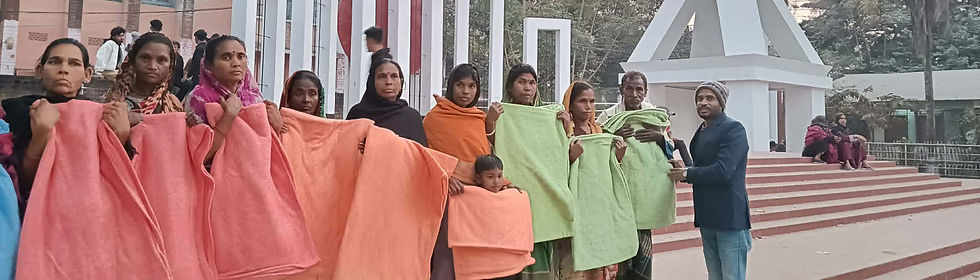
One Simple Act Of Warmth Can Change A Child's Winter
Children under five and elderly individuals bear the heaviest burden during Bangladesh's winter season. Their bodies struggle to regulate temperature effectively, making them especially vulnerable to hypothermia and respiratory infections. For young children, prolonged exposure to cold can impair development and weaken immune systems already compromised by malnutrition. In the most severe cases, children develop acute respiratory infections that, without proper treatment, can be fatal within days.
For elderly individuals living in poverty, winter brings a host of complications that exacerbate existing health conditions. Arthritis pain intensifies, cardiovascular systems strain under temperature stress, and mobility becomes further limited. Many elderly individuals report being unable to sleep through cold nights, leading to exhaustion that further weakens their resistance to illness. The psychological impact is equally significant, with isolation and discomfort contributing to depression among older community members who often sacrifice their comfort for younger family members.
Lotus Ministry Trust's Ongoing Impact in Bangladesh
Lotus Ministry Trust's work in Bangladesh extends far beyond seasonal blanket distribution, representing a sustained commitment to community development and poverty alleviation. Their holistic approach addresses immediate needs while building resilience through education, nutrition, and economic empowerment initiatives. By establishing long-term relationships with the communities they serve, the Trust has gained deep insights into local challenges and culturally appropriate solutions that create lasting impact.
Previous Relief Projects in Northern Villages
Over the past five years, Lotus Ministry Trust has implemented transformative relief projects across northern Bangladesh's most impoverished regions. Their initiatives have provided essential support to communities often overlooked by larger aid organizations due to their remote locations or smaller populations. Through careful needs assessment and community consultation, each project addresses specific local challenges while building toward greater self-sufficiency. Learn more about how you can get involved with their efforts.
The Trust's previous winter initiatives have demonstrated remarkable effectiveness, with health workers reporting significant decreases in cold-related illnesses in villages receiving blanket distributions. Local clinics documented a 40% reduction in respiratory infections among children in targeted communities, highlighting the profound health impact of this seemingly simple intervention. These successful outcomes have allowed the Trust to refine their approach, identifying the most vulnerable households and optimizing distribution methods to reach more families with limited resources. For more information on how you can get involved with the Lotus Ministry Trust, visit their website.
"When we received blankets last winter, it changed everything for our family. My children slept through the night without shivering, and for the first time in years, my mother didn't develop her usual winter cough. It may seem like a small thing to some, but for us, it meant health and dignity during the hardest months." - Rahima, mother of three from Rangpur district
Beyond immediate relief, these projects have strengthened community bonds and empowered local leaders. Each distribution involves training community representatives who help identify the most vulnerable families and assist with fair distribution. This approach builds local capacity and ensures aid reaches those who need it most, while fostering a sense of dignity and participation rather than dependency.
Expanding Beyond Emergency Relief to Education
Recognizing that sustainable change requires more than emergency assistance, Lotus Ministry Trust has expanded its programming to include educational initiatives that address root causes of vulnerability. Their community schools provide quality education focused on practical skills, environmental awareness, and health knowledge that helps families develop resilience against seasonal challenges. Specific modules on winter health protection teach children and parents preventative measures that complement the material support provided through blanket distributions, creating a more comprehensive approach to winter survival.
Blankets In Bangladesh Can Save Children from Freezing Nights
The impact of a single blanket extends far beyond physical warmth—it creates a shield that protects vulnerable children from deadly winter conditions. In Bangladesh's northern regions, nighttime temperatures can drop dramatically, putting children at severe risk of hypothermia and respiratory infections. A quality blanket provides consistent warmth through these dangerous hours, allowing children to sleep soundly and maintain their body temperature during the most critical period.
Medical professionals working in affected communities report that properly protected children show significantly better health outcomes during winter months. They experience fewer respiratory infections, improved sleep quality, and better overall immunity. For children already facing challenges like malnutrition, this protection can be the difference between severe illness and healthy development. Each blanket distributed represents a child who can continue attending school, playing with friends, and growing stronger rather than fighting preventable illness.
Your Contribution Brings Hope to Struggling Families

Help Ensure No Child Faces The Cold Alone
Beyond the physical protection they provide, blankets in Bangladesh distributed through Lotus Ministry Trust's program provide profound psychological relief to worried parents. Many mothers and fathers report lying awake at night, consumed with anxiety as they listen to their children shivering in the cold. Your donation alleviates this distress, allowing parents to rest knowing their children are protected from winter's harshest effects.
The ripple effects extend throughout family life. When children remain healthy through winter, parents avoid missing work for childcare, medical appointments, or hospital visits. This economic stability during difficult months helps families maintain food security and continue paying for other essentials. The simple gift of warmth creates space for families to focus on education, livelihoods, and future planning rather than merely surviving each cold night.
Simple Ways to Donate Now
Contributing to Lotus Ministry Trust's blankets in Bangladesh distribution program is straightforward and secure. Donations can be made directly through their official website at www.lotus-ministry.org/donate where both one-time and recurring giving options are available. For those who prefer traditional banking methods, direct transfers can be made to Trust in Humanity (Sort Code: 08-71-99, Account Number: 12965024), with "Bangladesh Blankets" noted as the reference.
Every contribution, regardless of size, makes a meaningful difference in this urgent humanitarian effort. A small donation can provide five quality blankets that will protect vulnerable families throughout this winter and beyond. Supporters can also participate by organizing community fundraisers, workplace giving programs, or social media campaigns to amplify their impact. Lotus Ministry Trust provides resources and guidance for those interested in mobilizing their networks to support this critical cause.
Join the Movement to Bring Warmth to Bangladesh
This winter, you have the power to transform the coldest months from a time of suffering into a season of hope for Bangladesh's most vulnerable families. By joining Lotus Ministry Trust's blanket distribution initiative, you become part of a compassionate global community taking concrete action against preventable suffering. Whether through direct donations, spreading awareness, or organizing community fundraisers, your involvement creates ripples of positive change that extend far beyond the immediate relief provided. Together, we can ensure that thousands of children, parents, and grandparents experience warmth, dignity, and protection during the challenging winter months ahead.
Frequently Asked Questions
Below are answers to common questions about Bangladesh's winter crisis and Lotus Ministry Trust's blanket distribution program. These insights provide a deeper understanding of both the challenges faced by vulnerable communities and how your support creates meaningful impact.
How severe are winters in Bangladesh?
While Bangladesh's winters might not reach the extreme temperatures seen in more northern countries, they create dangerous conditions for impoverished communities. Northern regions typically experience temperatures ranging from 5-15°C (41-59°F) during winter months, with occasional drops below this range. Without proper housing, heating, or warm clothing, these temperatures feel bitterly cold and create serious health risks. The high humidity amplifies the cold sensation, making it feel significantly colder than the actual temperature reading. Most affected communities live in homes without insulation or heating systems, meaning indoor and outdoor temperatures are often identical.
Who receives the blankets from Lotus Ministry Trust?
Lotus Ministry Trust employs a careful selection process to identify the most vulnerable families in each community they serve. Priority is given to households with children under five years old, pregnant women, elderly individuals, people with disabilities, and those with chronic health conditions that make them particularly susceptible to cold-related illnesses. The Trust works directly with local community leaders and health workers who help identify those in greatest need based on both economic status and vulnerability factors.
The distribution process emphasizes dignity and respect, with recipients participating in community gatherings where they receive not only material support but also practical education on cold-weather health practices. Special attention is given to extremely remote villages that often remain underserved by larger aid organizations due to logistical challenges. These communities typically receive comprehensive support packages that include blankets and additional nutritional supplements to strengthen overall resilience during winter months.
Can I track where my donation goes?
Lotus Ministry Trust is committed to full transparency regarding the use and impact of all donations. For major donors, the organization offers the opportunity to designate funds for specific communities and receive personalized impact reports detailing exactly how their contribution has been utilized.
Are donations tax-deductible?
Yes, donations to Lotus Ministry Trust's blanket distribution program are tax-deductible in the UK, US, and several other countries where the organization maintains charitable status. Upon making your contribution, you will receive an official receipt that can be used for tax purposes. The Trust's registered charity numbers are clearly displayed on all official documentation.
For international donors, the Trust provides country-specific documentation that aligns with local tax requirements. Their donor services team is available to answer specific questions about tax benefits in your jurisdiction and provide any additional documentation needed for your tax filing purposes.
What other projects does Lotus Ministry Trust support?
Beyond emergency winter relief, Lotus Ministry Trust implements a range of sustainable development initiatives across Bangladesh. Their educational programs establish community schools that provide quality instruction. Nutrition projects deliver vegetarian meals to undernourished communities.
The Trust also conducts disaster preparedness training that helps communities develop response plans for various emergencies, including extreme weather events that have become more common due to climate change. All these programs work synergistically to address both immediate needs and underlying vulnerabilities, creating pathways toward greater self-sufficiency and resilience.
Clean water projects represent another significant area of focus, with the Trust installing purification systems in villages where contaminated water contributes to illness and vulnerability. By addressing these fundamental needs alongside seasonal challenges like winter protection, Lotus Ministry Trust helps communities build comprehensive resilience that extends beyond any single intervention.
"The beauty of working with Lotus Ministry Trust is their holistic approach. They didn't just bring blankets—they helped us understand how nutrition, education, and economic opportunity work together to protect our families year-round. Now our children are healthier in all seasons, and we're developing skills to better support ourselves." - Mohammed, community leader in Dinajpur district
Each donation to the blanket program supports not only immediate winter protection but also contributes to this broader ecosystem of positive change. While designated funds always go directly to their intended purpose, donors become part of a community working toward comprehensive solutions to poverty and vulnerability across Bangladesh.






Comments