
Diwali Celebration Ideas: Gita-Inspired Wisdom & Spiritual Path
- Jeffrey Dunan
- Oct 29, 2025
- 18 min read

Key Takeaways
Diwali's five-day celebration mirrors the spiritual journey described in the Bhagavad Gita, with each day offering opportunities for inner transformation.
Incorporating Gita wisdom into your Diwali creates deeper meaning beyond material celebrations, connecting you with ancient spiritual traditions.
Simple meditation practices during Diwali can illuminate your inner consciousness just as diyas light up the physical world.
Creating sacred spaces in your home during Diwali establishes a foundation for spiritual growth that continues long after the festival ends.
Diwali without spiritual meaning is like a beautiful lamp without oil—it may look impressive but fails to illuminate. As the Festival of Lights approaches, there's an opportunity to infuse your celebration with the profound wisdom of the Bhagavad Gita, transforming a cultural tradition into a pathway for soul awakening.
Modern Diwali celebrations often emphasize the external—the brilliant lights, sumptuous feasts, and gift exchanges—while the deeper significance gets lost in the festivity. Lotus Ministry Trust reminds us that these five sacred days can be a powerful vehicle for spiritual transformation when approached with Gita-inspired awareness. Their spiritual guides offer resources to help families reconnect with the sacred essence of this beloved festival, making it both joyful and spiritually nourishing.
Article-at-a-Glance
Learning To Celebrate Diwali Through The Bhagavad Gita
This comprehensive guide explores how to celebrate Diwali through the lens of Bhagavad Gita teachings. We'll journey through each of the five festival days with specific practices that awaken consciousness, transform your home into a spiritual sanctuary, and create meaningful family traditions that nurture the soul. Whether you've observed Diwali all your life or are new to the celebration, these insights will help you discover the festival's transformative spiritual potential.
Transform Your Diwali With Ancient Spiritual Wisdom
The external Diwali celebration—with its dazzling lights, sweet treats, and joyous gatherings—represents only half the tradition. The Bhagavad Gita teaches that true illumination happens within. When Lord Krishna instructed Arjuna on the battlefield, he wasn't just preparing him for external conflict but for inner victory over darkness. Similarly, Diwali invites us to triumph over our internal shadows.
What makes a Gita-inspired Diwali different? It's the conscious intention behind every action. Lighting a lamp becomes an act of inviting divine consciousness into your being. Cleaning your home transforms into purifying your mind of negative thoughts. Sharing sweets becomes an offering of love rather than mere social obligation.
The Modern Disconnect Between Rituals and Spiritual Meaning
Many of us perform Diwali rituals without understanding their profound significance. We light diyas because tradition dictates, not recognizing that each flame represents the eternal light of consciousness that dispels ignorance. We clean our homes without connecting to the spiritual practice of clearing mental clutter. This disconnection diminishes the festival's transformative power.
The Bhagavad Gita addresses this exact problem in Chapter 3, verse 9, where Krishna explains that work done without spiritual understanding creates bondage. But when the same actions are performed with spiritual awareness, they become liberating. This wisdom applies perfectly to Diwali celebrations. The difference lies not in what you do but in your awareness while doing it.
To bridge this gap, pause before each Diwali ritual to contemplate its deeper meaning. Before lighting a lamp, reflect on what inner darkness you wish to dispel. Before cleaning, consider what mental patterns no longer serve you. This conscious approach transforms mechanical traditions into spiritual practices.
Why Gita Teachings Enhance Diwali's Inner Significance
The Bhagavad Gita offers profound insights that naturally align with Diwali's spiritual core. In Chapter 13, verse 8, Krishna describes knowledge as humility, non-violence, tolerance, simplicity, and devotion to the divine—qualities that Diwali celebrations aim to cultivate. When we approach the festival with these teachings in mind, even simple acts like decorating or preparing food become opportunities for spiritual growth.
Consider how the Gita's central message—finding your dharma and performing it with detachment—applies to Diwali. The festival honors Lord Rama's return to Ayodhya after fulfilling his dharma, even through tremendous hardship. His journey mirrors our own struggles to live righteously despite challenges. By celebrating with this understanding, Diwali becomes more than a festival—it becomes a template for living.
The Spiritual Heart of Diwali's Five-Day Celebration
Diwali isn't a single day but a five-day spiritual journey, each with distinct significance that corresponds beautifully with Gita teachings. Understanding this sequence transforms the festival into a progressive spiritual practice. Each day builds upon the previous one, creating a comprehensive path to inner illumination.
Dhanteras (Day 1): Purification of material life and honoring wealth as divine energy
Naraka Chaturdashi (Day 2): Conquering internal negativity and darkness
Lakshmi Pujan (Day 3): Opening to divine abundance in all forms
Govardhan Puja (Day 4): Gratitude and surrender to divine protection
Bhai Dooj (Day 5): Honoring sacred relationships and familial bonds
This progression mirrors the spiritual journey described in the Gita—from purification to self-mastery, from abundance consciousness to surrender, and finally to loving relationships. By honoring each day with awareness, you create a powerful spiritual experience that transcends cultural celebration.
Dhanteras: Purifying Your Material Existence
Dhanteras traditionally involves purchasing gold or kitchen utensils, symbolizing prosperity. But through the Gita's wisdom, we understand that true wealth begins with purification. In Chapter 16, Krishna distinguishes between divine and demonic qualities, teaching that material prosperity without spiritual values creates suffering rather than joy.
To celebrate Dhanteras with spiritual awareness, clean your home as a meditation on purifying your consciousness. As you sweep away dust, mentally release attitudes of greed, envy, or scarcity. When purchasing new items, choose mindfully, asking: "Does this support my spiritual growth?" If buying gold is traditional for you, understand it as acquiring something that doesn't tarnish—like eternal spiritual values.
Creating a Gita-Inspired Home Sanctuary
Your home during Diwali can become more than just a decorated space—it can transform into a temple of consciousness that reflects the teachings of the Bhagavad Gita. In Chapter 6, Krishna explains that the yogi should create a clean, sacred space for spiritual practice. Your Diwali decorations can embody this same principle, creating an environment that nurtures awareness rather than just pleasing the eye.
The Gita teaches that external beauty should mirror inner beauty. As you adorn your home, let each element serve as a reminder of spiritual truths. Lights represent knowledge dispelling ignorance, flowers symbolize the blossoming of consciousness, and rangoli patterns reflect the beautiful order of a disciplined mind. With this perspective, decorating becomes a form of meditation and your home transforms into a sanctuary for spiritual growth.
Setting Up a Meaningful Home Altar
The heart of your Diwali celebration should be a thoughtfully arranged altar that serves as the spiritual center of your home. Select deities or sacred symbols that resonate with your spiritual path—whether Lakshmi-Narayana, Ram-Sita, or sacred text. Place fresh flowers, pure ghee lamps, and offerings of fruit or sweets with conscious devotion. Remember Krishna's teaching that even a leaf, flower, or water offered with devotion brings immense spiritual benefit.
Significance of Colors and Symbols in Diwali Decorations
The vibrant colors of Diwali each carry specific vibrations that can support your spiritual practice. Yellow represents knowledge and learning, red signifies activity and passion, green symbolizes life and harmony, while orange reflects renunciation and spiritual power. Choose colors mindfully to create the energetic atmosphere you wish to cultivate in different areas of your home.
Symbols like the lotus (representing purity amid challenges), peacock (divine beauty), and elephant (strength and wisdom) can be incorporated into your decorations with awareness of their deeper meanings. The Bhagavad Gita teaches that everything in the material world can remind us of spiritual truth when viewed with the right consciousness. Let your decorations serve as physical reminders of these eternal principles.
Rangoli Designs That Tell Spiritual Stories

A Colorful Rangoli Design Created On A Dark Floor
Rangoli patterns are more than beautiful floor decorations—they're sacred geometry that can tell profound spiritual stories. Consider creating designs that reflect Gita teachings: concentric circles representing the journey from outer awareness to inner truth, lotus patterns symbolizing purity amid worldly attachments, or geometric forms showing the perfect order of divine creation. As you carefully place colored powders or flower petals, turn the activity into a moving meditation on these deeper principles.
Involve children in creating rangoli that incorporates simple spiritual symbols like om, swastika (the ancient symbol of well-being, not to be confused with its later misappropriation), or the feet of the divine. Explain the meanings as you work together, making the activity both creative and educational. This transforms a decorative tradition into a meaningful teaching opportunity about eternal spiritual values.
Family Traditions That Nurture the Soul
Diwali's true magic happens when families come together not just physically but in spiritual communion. The Bhagavad Gita emphasizes that spiritual knowledge should be shared among those who are receptive. Your family celebrations offer the perfect opportunity to share wisdom in ways that are joyful and accessible to all generations. Create traditions that combine festivity with deeper meaning, ensuring that the spiritual essence of Diwali becomes part of your family's collective consciousness.
Instead of rushing through rituals to get to the feasting and gift-giving, slow down and create meaningful moments of connection. Begin by gathering the family for a brief reading from the Gita or Ramayana before lighting the first diya. Share what spiritual growth each person hopes to achieve in the coming year. These simple practices anchor your celebration in something more substantial than mere tradition.
Begin Diwali morning with family meditation or prayer instead of immediately diving into preparations
Create a family ritual of lighting each diya with a specific intention or prayer
Share one quality from the Gita that each family member wishes to develop in the coming year
Establish a tradition of forgiveness where family members resolve any lingering conflicts
Read age-appropriate spiritual stories that connect to Diwali's deeper meaning
Remember that Krishna taught Arjuna that spiritual wisdom is best understood through both instruction and experience. Create experiences that make the Gita's teachings tangible, especially for children who learn through participation more than explanation. When spiritual values are embedded in joyful family traditions, they become treasured rather than imposed.
The most meaningful traditions often combine sensory delight with spiritual significance. The aroma of incense, the sweetness of traditional foods, the warmth of gathering together—all these sensory experiences can be connected to deeper meanings, creating lasting impressions that strengthen family bonds while nurturing spiritual growth.
Sharing Ancient Stories with Modern Relevance
The stories of Lord Rama's return to Ayodhya or Krishna's teachings to Arjuna contain timeless wisdom that can be made relevant to contemporary challenges. During Diwali, create a storytelling tradition where family members take turns sharing how these ancient narratives have helped them overcome modern difficulties. This bridges generations and demonstrates the living nature of spiritual wisdom, showing that the Gita's teachings remain applicable thousands of years after they were first spoken.
Preparing Food as Sacred Offering
In the Bhagavad Gita, Krishna teaches that food prepared with love and offered with devotion becomes purified and spiritually nourishing. Transform your Diwali cooking from a chore into a spiritual practice by maintaining a peaceful, joyful state of mind while preparing traditional dishes. Chant mantras or play devotional music in the kitchen, and before serving, offer the food to the divine with genuine gratitude. This practice elevates eating from mere consumption to a sacred experience that nourishes both body and soul.
Gift-Giving That Transcends Materialism
The Gita cautions against attachment to material possessions while acknowledging that actions performed with proper consciousness become spiritually beneficial. Apply this wisdom to Diwali gift-giving by choosing presents that support spiritual growth: meditation cushions, inspirational books, handcrafted items from local artisans, or donations to meaningful causes in the recipient's name. Even conventional gifts can be elevated when given with consciousness of the divine connection between giver and receiver, recognizing that all beings share the same spiritual essence.
7 Acts of Seva to Embody Diwali's True Spirit
The Bhagavad Gita teaches that selfless service (seva) purifies the heart and leads to spiritual advancement. Diwali provides abundant opportunities to practice this principle through acts of generosity and compassion. Instead of limiting your celebration to family enjoyment, extend your light to those in darkness through intentional service. These seven practices align perfectly with the Gita's emphasis on performing duty without attachment to results, seeing all beings as manifestations of the divine.
1. Feeding Those in Need

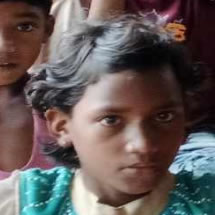
Negelcted Rural Bangladeshis Accepting Food Aid From Lotus Ministry
Krishna states in the Gita that the food we eat connects us to all of creation. Extending this principle, sharing food becomes a powerful spiritual practice. Prepare extra Diwali sweets and savory items specifically to distribute to those experiencing food insecurity in your community. Visit homeless shelters, organize community meals, or simply identify families in need and deliver food discreetly. As you offer nourishment to others, consciously recognize that you are serving the divine that dwells within each recipient, making your act of giving a form of worship.
2. Donating Light (Diyas and Lamps) to Others
Light symbolizes knowledge and hope in the Gita's teachings. Expand this symbolism by providing sources of light to those living in literal or metaphorical darkness. Purchase or hand-craft extra diyas to distribute to nursing homes, children's hospitals, or refugee centers where people may feel isolated from traditional celebrations. Include small notes explaining Diwali's spiritual significance, creating connection across cultural boundaries.
For those experiencing housing insecurity, practical sources of light like solar lanterns can provide both physical illumination and symbolic hope. This practice extends Diwali's essence beyond cultural boundaries to touch universal human needs, embodying the Gita's teaching that the enlightened soul sees the same divine presence in all beings.
"The light of a lamp doesn't diminish when lighting another lamp. Similarly, sharing spiritual light only multiplies its brilliance. This Diwali, become a lamplighter who illuminates paths for others through conscious acts of service."
Consider organizing a community lamp-lighting ceremony where people from diverse backgrounds gather to light diyas together while reflecting on universal values like compassion, truth, and inner peace. This creates a powerful visual representation of unity while honoring Diwali's spiritual essence.
3. Sharing Knowledge Through Books or Teaching
The Gita teaches that knowledge is the greatest purifier and the highest gift. Honor this teaching by sharing spiritual wisdom during Diwali. Donate books on meditation, yoga philosophy, or simplified versions of the Bhagavad Gita to local libraries, schools, or directly to individuals showing interest in spiritual growth. Look for age-appropriate spiritual stories for children that convey eternal values in engaging ways.
If you have expertise in any spiritual practice—whether meditation, yoga, or philosophical understanding—offer a free workshop during the Diwali season. Create a safe, inclusive environment where beginners feel welcome to explore these traditions without cultural or religious pressure. Focus on universal principles that benefit everyone regardless of background.
Remember Krishna's instruction that the highest yogi is one who shares knowledge with those who seek it. By creating opportunities for others to access spiritual wisdom, you honor the true essence of Diwali as a festival of inner illumination. This form of seva creates ripples that extend far beyond the festival season, potentially transforming lives in profound ways.
Create simple bookmarks with Gita verses to include with book donations
Record short meditation guidance for beginners and share digitally
Offer to teach basic pranayama techniques at community centers
Compile a digital newsletter with spiritual insights about Diwali's deeper meaning
4. Visiting Elders and the Lonely
The Bhagavad Gita emphasizes respect for elders and compassion for all beings as essential spiritual qualities. During Diwali, make special efforts to visit elderly relatives, nursing home residents, or anyone experiencing isolation. Bring small Diwali gifts, listen to their stories, and perhaps invite them to join your family celebration if possible. This practice honors the wisdom of elders while addressing the growing epidemic of loneliness in our society, creating connections that benefit both visitors and those visited.
5. Environmental Service as Spiritual Practice
Krishna identifies himself with the earth, water, and all elements in the Gita, teaching that care for creation is divine service. Balance Diwali's tradition of beautiful illumination with environmental consciousness by organizing community cleanup events before or after celebrations. Choose eco-friendly decorations and diyas, avoid fireworks that cause pollution, and consider planting trees as part of your Diwali ritual. This approach honors the divine presence in nature while creating more sustainable celebrations that future generations can continue.
Balancing Celebration With Inner Quietude
Diwali's external celebrations—with their vibrant colors, dazzling lights, and joyful gatherings—can sometimes overwhelm the festival's contemplative dimension. The Bhagavad Gita teaches that true spiritual practitioners maintain inner calmness amid external activity. Apply this wisdom by creating deliberate moments of quietude within your celebration, balancing outward expression with inward reflection. This harmony between celebration and contemplation embodies the Gita's teaching of yoga as balanced living.
Creating Moments of Silence Amidst Festivities
Establish a family tradition of observing several minutes of silence before lighting the first diya or beginning the main Lakshmi puja. During this time, each person can connect with their personal spiritual intention for the celebration. Throughout the festivities, create a designated quiet space in your home where anyone feeling overwhelmed can retreat for brief meditation or simply to center themselves. These practices prevent the celebration from becoming merely external while honoring diverse needs for stimulation and quietude.
Consider scheduling a brief morning meditation for the five days of Diwali, establishing a foundation of inner peace that supports the day's activities. This doesn't require elaborate rituals—just 5-10 minutes of conscious breathing or silent repetition of a meaningful mantra. The contrast between this quietude and the festive activities that follow creates a beautiful rhythm that nourishes both expression and introspection.
Mindful Participation in Community Events
While community Diwali events offer wonderful opportunities for connection and celebration, the Bhagavad Gita teaches us to maintain inner awareness even amid external activity. Before attending public celebrations, set a clear intention to remain spiritually centered throughout the experience. This doesn't mean withdrawing from the joy—rather, it means experiencing it more fully by maintaining conscious presence.
When attending community Diwali events, look for opportunities to share spiritual insights naturally in conversation. Listen deeply to others' experiences of the festival, recognizing that each person connects with different aspects of the celebration. This practice of mindful engagement transforms social interactions from superficial exchanges to meaningful connections that honor the divine presence in each person you encounter.
Your 10-Day Spiritual Preparation Plan
The Bhagavad Gita teaches that spiritual success comes through consistent, methodical practice. Rather than approaching Diwali as an isolated celebration, create a 10-day preparation period that progressively deepens your spiritual connection. This structured approach allows you to arrive at the festival with heightened awareness that makes every ritual more meaningful and transformative.
Begin ten days before Diwali by setting aside specific times for spiritual practice, gradually increasing the duration as the festival approaches. This progressive intensification mirrors the Gita's teaching that spiritual growth happens through steady, disciplined effort rather than sporadic intensity. The preparation becomes as spiritually significant as the celebration itself, creating a continuous flow of awareness.
Day 1-2: Begin with 10 minutes of morning meditation on inner light
Day 3-4: Add evening readings from the Ramayana or Bhagavad Gita
Day 5-6: Incorporate mindful home cleaning as spiritual purification
Day 7-8: Practice intentional kindness and selfless service daily
Day 9-10: Deepen meditation practice and prepare your mind for full presence
This graduated approach embodies the Gita's teaching that spiritual transformation happens step by step, not in sudden leaps. Each day builds upon the previous one, creating momentum that carries you into Diwali with heightened receptivity to its spiritual essence.
Daily Bhagavad Gita Readings to Prepare Your Consciousness
Select specific Bhagavad Gita passages that resonate with Diwali's spiritual themes for your daily readings. Chapter 13 on distinguishing between the field (material nature) and the knower of the field (consciousness) provides insight into recognizing the divine light within. Chapter 14's discussion of the three modes of material nature helps identify what qualities to transcend as you seek spiritual illumination. Chapter 4's teachings on offering all actions as spiritual sacrifice applies beautifully to transforming Diwali preparations into devotional service. Read slowly, contemplating how each verse applies specifically to your celebration and broader life journey.
Pre-Diwali Cleansing Practices (Internal and External)
The traditional home cleaning before Diwali represents more than physical tidiness—it symbolizes internal purification. As you clean each room, mentally identify negative thought patterns or emotional residues that need clearing from your consciousness. Scrubbing floors can become a meditation on removing the dirt of ego or greed. Clearing clutter represents simplifying your life to focus on what truly matters. Apply the Gita's teaching that purity of mind and environment creates receptivity to higher knowledge, making your cleaning routines into powerful spiritual practices that prepare both your home and consciousness for Diwali's divine light.
Setting Spiritual Intentions for the New Year
Diwali marks the beginning of the new year in many Indian traditions, making it the perfect time to set conscious intentions for your spiritual growth. Unlike ordinary resolutions focused on achievement, spiritual intentions focus on inner qualities you wish to develop. Reflect on Krishna's description of divine qualities in Chapter 16 of the Gita—fearlessness, purity of heart, charity, self-control, study of scriptures—and identify which ones you feel called to cultivate. Write these intentions thoughtfully, connecting each to specific practices that will support their development, and place them on your Diwali altar as an offering and reminder.
Creating a Post-Diwali Spiritual Growth Calendar
The Gita teaches that spiritual practice should be consistent rather than sporadic, emphasizing regularity over intensity. To maintain the spiritual momentum generated during Diwali, create a realistic calendar of practices for the months following the festival. Include daily elements like brief morning meditation, weekly practices such as spiritual study or seva, and monthly observances like ekadashi fasting or attending satsang. This structured approach prevents the common pattern where festival-inspired spiritual enthusiasm gradually fades, replaced by habitual patterns. Instead, it creates sustainable growth that carries Diwali's transformative energy throughout the year.
Remember that Krishna advises Arjuna to adopt spiritual practices that can be maintained long-term rather than intense disciplines that lead to burnout. Your post-Diwali calendar should reflect this wisdom, incorporating practices that fit realistically into your life while still providing enough structure to support continued growth.
The Light That Remains: Carrying Diwali's Essence Year-Round
The Bhagavad Gita teaches that true spiritual understanding transforms everyday life rather than remaining confined to special occasions. The essence of Diwali—inner illumination, victory over negative tendencies, and devotional connection—should continue long after the last diya has been extinguished. This ongoing integration represents the difference between cultural observance and spiritual living.
Just as Krishna instructed Arjuna to maintain yoga consciousness in all activities, seek ways to bring Diwali's spiritual light into ordinary moments throughout the year. This might mean pausing briefly before meals to remember the divine source of all nourishment, lighting a single lamp on significant days each month as a reminder of inner illumination, or consciously choosing speech that uplifts rather than diminishes others.
The greatest measure of a successful Diwali celebration isn't the magnificence of your decorations or the abundance of your feast—it's how much of the festival's light remains in your consciousness as you return to normal routines. When challenges arise months later, can you still access the clarity and devotion experienced during Diwali? This continuation of awareness is what transforms a beautiful tradition into a powerful spiritual practice that gradually illuminates your entire life.
Practical Ways to Sustain Your Spiritual Connection
Create tangible reminders of Diwali's spiritual essence that remain visible in your home year-round. This might be as simple as keeping one special diya in your meditation space, maintaining a small altar with a meaningful deity image, or framing a Bhagavad Gita verse that especially inspires you. These physical anchors help reconnect you with festival insights during ordinary days when spiritual awareness might otherwise dim amid daily demands. The Gita teaches that sense objects influence the mind, so surrounding yourself with objects that evoke spiritual remembrance creates an environment that supports continued growth.
Reflecting on Your Spiritual Evolution
The Bhagavad Gita describes spiritual growth as a gradual journey requiring both effort and patience. To recognize your progress, establish a practice of regular reflection on how your understanding of Diwali's spiritual essence has deepened over time. Consider keeping a spiritual journal where you record insights from each year's celebration, allowing you to witness your evolving consciousness. This practice of self-observation cultivates the quality of witness consciousness that Krishna describes as essential for spiritual development, helping you distinguish between temporary emotional states and lasting spiritual transformation.
Frequently Asked Questions
As interest in the spiritual dimensions of Diwali grows, many practitioners encounter challenges in applying ancient wisdom to contemporary circumstances. The questions below address common situations that arise when seeking to celebrate Diwali with deeper awareness, offering practical guidance rooted in Bhagavad Gita principles. These responses aim to make spiritual practice accessible without diminishing its transformative potential.
Remember that Krishna teaches Arjuna that spiritual knowledge should be adapted to individual circumstances and capacities. There is no single "correct" way to celebrate Diwali spiritually—what matters is the consciousness you bring to whatever practices resonate with your situation and spiritual understanding.
How can I explain Diwali's spiritual significance to my children?
Children naturally respond to stories, symbols, and experiences more than abstract explanations. Share age-appropriate versions of the Ramayana, emphasizing how darkness (represented by Ravana) is overcome by light (embodied by Rama). Use simple analogies: just as lamps light up dark rooms, spiritual knowledge illuminates our minds. Create hands-on experiences like having children write qualities they want to develop (kindness, courage) on paper diyas, or having them identify one "inner darkness" (like getting angry) they want to transform into light.
The Gita teaches that knowledge should be shared according to the recipient's capacity for understanding. For younger children, focus on experiential learning through stories, art, and simple rituals they can participate in actively. As they mature, gradually introduce more complex concepts like the relationship between external celebrations and internal transformation. Throughout, model the values you're teaching by demonstrating your own sincere practice, as children learn more from what we do than what we say.
What specific Bhagavad Gita verses relate most directly to Diwali's meaning?
Several Gita verses beautifully capture Diwali's spiritual essence: Chapter 13, verse 17 describes the supreme light residing in all beings; Chapter 5, verse 24 speaks of finding happiness and light within; Chapter 14, verse 11 explains how knowledge shines through all the body's gates when sattva (goodness) increases; and perhaps most directly, Chapter 10, verse 11 where Krishna explains that out of compassion, he destroys the darkness born of ignorance with the shining lamp of knowledge. These verses can be incorporated into your Diwali prayers or meditations, connecting the festival directly with the Gita's timeless wisdom.
How can I celebrate Diwali meaningfully if I live alone or away from family?
The Bhagavad Gita teaches that spiritual practice is ultimately an individual journey, making solitary celebration potentially powerful. Create a beautiful personal altar, light diyas with specific intentions for inner growth, and use the quietude for deeper meditation than might be possible in group settings. Connect virtually with loved ones to share blessings, or join local community celebrations if available. Consider using the time you would spend in social gatherings for extended spiritual practice, sacred reading, or acts of seva. Remember that Krishna often met devotees in solitude, suggesting that meaningful spiritual connection transcends physical proximity to others.
Are there ways to adapt traditional Diwali practices for limited spaces like apartments?
The Gita emphasizes consciousness over external form in spiritual practice, making meaningful adaptation entirely possible. Use electric lights instead of flame diyas if building regulations prohibit open flames. Create small, symbolic rangoli designs on trays rather than floors. Establish a window altar that allows light to be visible from outside while conserving space within. Focus on the quality of your spiritual practice rather than its scale—a single mindfully lit lamp carries the same symbolic power as hundreds lit mechanically. These adaptations honor the essence of tradition while respecting practical limitations, embodying the Gita's teaching that spiritual truth transcends external circumstances.
How can I handle family conflicts that arise during Diwali celebrations with spiritual wisdom?
The Bhagavad Gita offers profound guidance for navigating relationship challenges, beginning with Krishna's teaching that we should perform our duties without attachment to outcomes. When family tensions arise, practice witnessing your reactions without immediate expression, creating space for conscious response rather than emotional reaction. Remember the Gita's emphasis on seeing the same divine essence in all beings, including difficult relatives. Set clear boundaries with compassion, recognizing that others' behaviors reflect their own spiritual journey. Before engaging in potentially contentious family gatherings, strengthen your spiritual foundation through meditation or prayer, creating inner stability that allows you to remain centered amid external tensions.
Diwali's focus on light overcoming darkness applies perfectly to relationship healing. Consider establishing a family ritual where each person speaks one appreciation of others present, gradually transforming the emotional atmosphere from tension to gratitude. These practices transform challenges into opportunities for spiritual growth, embodying the Gita's teaching that difficulties often provide our greatest lessons.
As you conclude your Gita-inspired Diwali celebration, remember that the true measure of spiritual practice is not perfection but persistence. Each small step toward greater awareness plants seeds that continue growing long after the festival ends.








Comments