
Student's Favorite Treat Recipe: Lotus Ministry Trust Laddu

Article-At-A-Glance: Lotus Ministry Trust Laddu Recipe
Laddu is a traditional Indian sweet from the Mangalore and Udupi region of Coastal Karnataka, made with jaggery, chickpea flour, and popped rice powder — and it's one of the easiest beginner-friendly sweets you can make.
The secret to perfect laddus that hold their shape every time is using sticky jaggery (also called chikki jaggery or Anta god) cooked to a precise one-string consistency.
You only need 1 tablespoon of ghee to make a healthier version — but there's a specific trick to shaping them while warm that most recipes skip over.
This recipe has become a student favorite because the ingredients are affordable, the steps are straightforward, and the result is a festival-worthy sweet anyone can pull off.
Lotus Ministry Trust has been instrumental in connecting community food traditions with everyday cooking inspiration for students and home cooks alike.
The Laddu That Won a Student's Heart
Give A Child The Sweet Gift Of Joy With Lotus Ministry Trust
One bite of a warm, freshly rolled laddu and you immediately understand why this sweet has been offered to gods and shared between families for generations.
The Lotus Ministry Trust laddu recipe draws from the deep culinary traditions of Coastal Karnataka, specifically the Mangalore and Udupi region, where laddus are prepared during major festivals like Janmashtami and Ganesh Chaturthi as a form of naivedyam — food offered to the divine before being distributed as prasad.
What makes this version stand out for students is how approachable it is. You don't need fancy equipment, a large pantry, or years of cooking experience. You need a handful of core ingredients, some patience with the jaggery syrup, and warm hands ready to roll.
For students exploring Indian cooking for the first time, this is one of those recipes that delivers maximum reward for minimal effort.
What Is Lotus Ministry Trust Laddu?
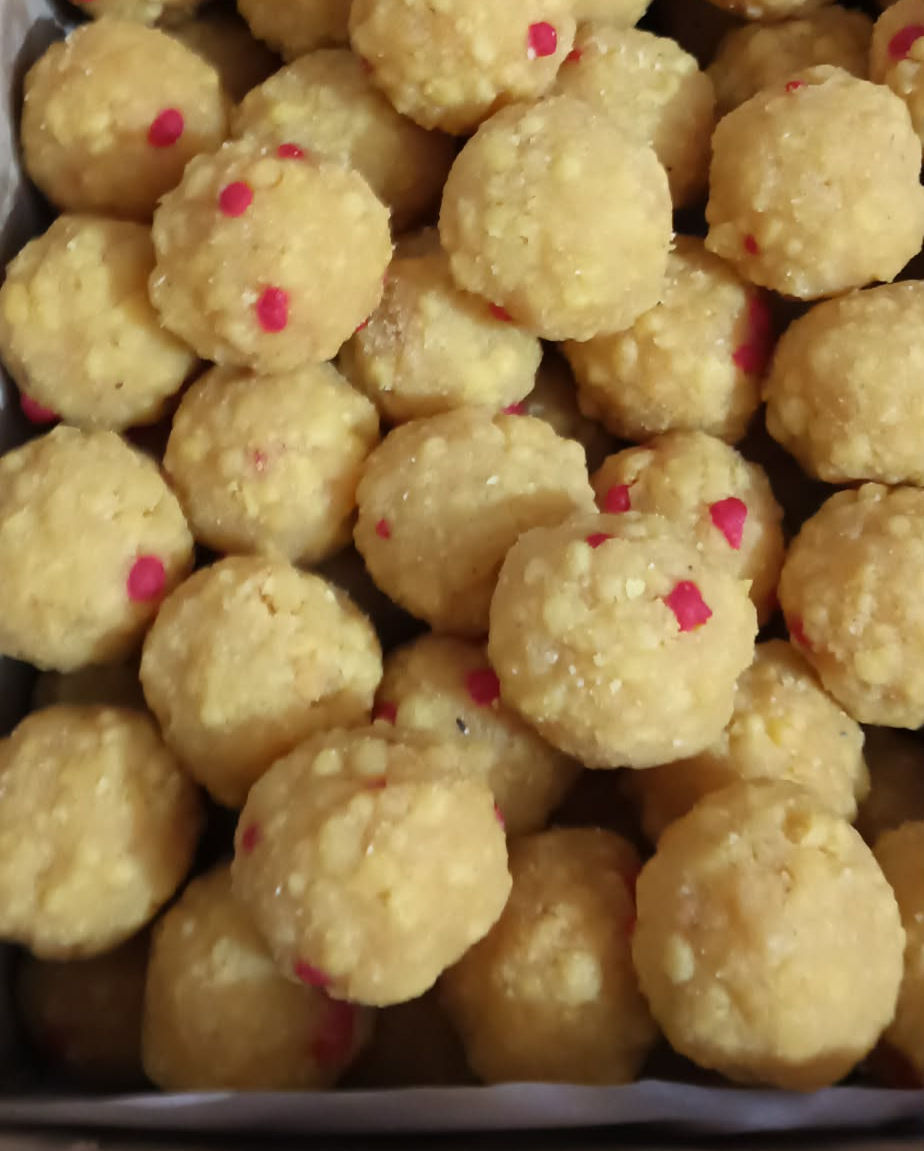
Laddu — also spelled ladoo or laddoo — is a round, ball-shaped Indian sweet made by binding together dry ingredients using a cooked sugar or jaggery syrup. The Lotus Ministry Trust laddu recipe specifically uses jaggery as the sweetener, which gives the sweet its characteristic deep, molasses-like flavor that refined sugar simply cannot replicate. The dry base typically includes powdered chickpeas (chana), roasted cashews, sesame seeds (til), and popped rice powder, all held together with ghee and shaped while still warm.
Its Roots in Coastal Karnataka Cuisine
This laddu recipe is a traditional preparation from the Mangalore and Udupi region of Coastal Karnataka, India. In this region, laddus carry both culinary and spiritual significance.
They are prepared primarily for Janmashtami and Ganesh Chaturthi and offered to God as naivedyam before being distributed to family and guests. The use of sticky jaggery — locally known as chikki jaggery or Anta god — is a hallmark of this regional style, giving the laddus their binding power and a richness that makes them incredibly satisfying.
Why Students Love This Recipe
Students gravitate toward this recipe for three clear reasons: the ingredients are inexpensive and widely available, the process is forgiving for beginners, and the result looks and tastes impressive. Unlike elaborate Indian sweets that require precise temperatures or specialized tools, laddu with jaggery is described as one of the easiest sweets to shape, especially when using sticky jaggery.
The warm mixture binds easily, and greased hands do all the work.
Budget-conscious students also love that a single batch yields multiple servings, making it perfect for sharing at dorm gatherings, cultural events, or festival celebrations far from home.
Ingredients You Need to Make Laddu
Help Lotus Ministry Trust Provide A Child's Favorite Treat
Getting your ingredients right before you start is the difference between laddus that hold their shape and a crumbly mess on your kitchen counter. Here's exactly what you need.
The Core Ingredients
The base of this recipe is simple but each ingredient plays a specific role in texture, binding, and flavor:
Sticky Jaggery (Chikki Jaggery / Anta god) — This is the most critical ingredient. Its natural stickiness is what binds everything together without needing additional binding agents. Regular jaggery can be used, but it requires cooking to a precise one-string consistency and demands more experience to get right.
Powdered Chickpeas (Chana Pitto) — Provides the dense, slightly nutty base of the laddu. Start with a smaller amount and adjust as needed.
Popped Rice Powder (Layi Pitto) — Adds lightness to the texture. Start with ½ cup and add just until you can bind the laddus easily.
Roasted Cashews — Add crunch and richness throughout each bite.
Sesame Seeds (Til) — Contribute a subtle nuttiness and help with binding.
Cardamom Powder (¼ teaspoon) — The warming spice that gives laddu its signature aroma.
Ghee (1 tablespoon) — Just one tablespoon is enough for a healthier version, though more can be added for a richer result.
Optional Add-Ins and Substitutions
This recipe is flexible. Cashews can be swapped out for peanuts (groundnuts) or almonds depending on what you have available or your budget. The amount of popped rice powder (layi pitto) can also be adjusted — this ingredient controls the final texture, so adding it gradually rather than all at once gives you better control over whether the mixture is too dry or too sticky to shape.
Step-by-Step: How to Make Laddu with Jaggery
Follow these steps carefully and you'll have perfectly shaped, festival-worthy laddus on your first try. The most important thing to remember is timing — the mixture needs to be shaped while it's still warm and pliable.
Step 1: Cook the Jaggery Syrup to One-String Consistency
Place your sticky jaggery in a heavy-bottomed pan over medium heat. As it melts, stir continuously to prevent burning. You're cooking it until it reaches what's called one-string consistency — the point where a small drop of syrup placed between your thumb and index finger stretches into a single clean thread when you pull your fingers apart.
This is the most technically demanding step in the entire recipe, and it's where most beginners struggle. The good news is that sticky jaggery (chikki jaggery or Anta god) is far more forgiving than regular jaggery. Its natural viscosity means the window for achieving the right consistency is wider, giving you more time to test and react before the syrup overcooks.
If you're using regular jaggery instead, keep a small bowl of cold water nearby. Drop a tiny amount of syrup into the water — if it forms a soft ball rather than dissolving immediately, you're close to the right stage. Remove from heat promptly.
Pro Tip: Never walk away from your jaggery syrup once it starts boiling. The difference between one-string consistency and an overcooked, hardened syrup is less than 60 seconds at medium-high heat. Stay close, test often, and pull the pan off the heat the moment you get that clean single thread.
Step 2: Mix In the Dry Ingredients
As soon as your jaggery syrup hits the right consistency, remove the pan from heat and immediately add the powdered chickpeas (chana pitto), roasted cashews, sesame seeds (til), and ¼ teaspoon of cardamom powder.
Stir everything together quickly and thoroughly. The residual heat from the syrup will toast the spices slightly as you mix, deepening the overall flavor of the laddu. For more details on making laddu with jaggery, work fast — the syrup begins to cool and stiffen within minutes.
Step 3: Add Popped Rice Powder and Ghee
With the dry ingredients fully incorporated, add 1 tablespoon of ghee and stir it through the mixture. Then begin adding your popped rice powder (layi pitto) gradually, starting with ½ cup. Mix after each addition and assess the texture — you're looking for a mixture that is firm enough to hold a ball shape when pressed but still soft and pliable enough to roll smoothly between your palms.
Don't dump all the popped rice powder in at once. Adding it gradually is the key to getting the right consistency. Too much and the laddus will crumble; too little and they'll be sticky and won't hold their shape. The total amount you need will vary slightly depending on the moisture content of your jaggery.
Step 4: Shape the Laddus While Warm
Grease your palms generously with a small amount of ghee and begin scooping portions of the warm mixture. Press and roll each portion firmly between your palms in a circular motion to form smooth, round balls of your desired size. Work quickly — as the mixture cools, it becomes harder to shape. If the mixture stiffens before you're done, place the pan briefly over very low heat for 10 to 15 seconds to soften it slightly, then continue rolling.
Tips to Get Perfect Laddus Every Time
Even with a straightforward recipe, a few smart habits separate good laddus from great ones. Always grease your hands before rolling each laddu, not just the first one. Use a heavy-bottomed pan for the jaggery syrup to distribute heat evenly and reduce the risk of scorching. If you're making a large batch, work with a second person — one to scoop and one to roll — so the mixture doesn't cool down before you're finished shaping.
How to Make Laddus That Hold Their Shape
If your laddus are falling apart, there are two likely causes. Either the jaggery syrup didn't reach one-string consistency before you added the dry ingredients, or you added too much popped rice powder. To fix a crumbly batch, gently reheat the mixture in the pan over low heat, add a teaspoon of ghee, and mix thoroughly before attempting to reshape. If the mixture is too sticky to roll, add a small amount of additional popped rice powder, one tablespoon at a time, until the texture becomes manageable.
Nutrition Facts Per Serving

Help Lotus Ministry Trust Bring Smiles With Every Child's Favorite Treat
Laddu made with jaggery is a nutrient-dense sweet compared to many refined-sugar alternatives. Jaggery retains trace minerals from the sugarcane refining process, and chickpea flour contributes plant-based protein and dietary fiber. Sesame seeds add calcium and healthy fats, while ghee provides fat-soluble vitamins. This makes the Lotus Ministry Trust laddu a more wholesome festival treat than most store-bought sweets.
Ingredient | Key Nutrient Contribution |
Jaggery | Iron, potassium, trace minerals |
Chickpea Flour (Chana Pitto) | Plant protein, dietary fiber |
Sesame Seeds (Til) | Calcium, healthy fats |
Ghee (1 tbsp) | Fat-soluble vitamins A, D, E, K |
Cardamom | Antioxidants, digestive support |
Cashews / Peanuts | Magnesium, protein, healthy fats |
How Long Do Laddus Last and How to Store Them
Laddus made with jaggery store remarkably well, which makes them ideal for batch cooking ahead of a festival or event. At room temperature in an airtight container, they stay fresh for up to 2 weeks. Keep them away from direct sunlight and moisture — humidity is the enemy of a well-set laddu and will cause them to soften and lose their shape over time.
If you live in a warm or humid climate, storing them in the refrigerator extends their shelf life to up to a month. Just bring them to room temperature before serving, as chilled laddus can be slightly harder in texture. Avoid storing them in the freezer — the moisture from thawing affects both the texture and the binding integrity of the jaggery.
Make This Laddu Your Go-To Festival Sweet
There are hundreds of Indian sweets out there, but very few check every box the way this one does. It's beginner-friendly, budget-conscious, deeply rooted in tradition, and genuinely delicious. Whether you're making it for Janmashtami, Ganesh Chaturthi, or simply a weekend treat to share with friends, the Lotus Ministry Trust laddu recipe delivers every single time.
Once you nail the jaggery syrup consistency — and with sticky jaggery, you will nail it faster than you think — the rest of the recipe falls into place naturally. Roll a batch, store them in a tin, and watch how quickly they disappear. This is exactly the kind of cooking that connects students to culture, tradition, and the simple joy of making something with your own hands.
Frequently Asked Questions
Making laddu for the first time naturally comes with questions. The steps are simple, but a few specific details — like jaggery type, binding consistency, and ingredient swaps — make a real difference in your final result. Here are the most common questions students ask when trying this recipe for the first time.
Whether you're working with a limited pantry, making dietary adjustments, or troubleshooting a batch that didn't quite come together, these answers will help you move forward with confidence.
The most important things to keep in mind before you begin:
Always use sticky jaggery (chikki jaggery / Anta god) for the easiest results
Add popped rice powder gradually, starting with ½ cup
Shape the laddus while the mixture is still warm — not hot, not cold
Grease your palms with ghee before rolling each laddu, not just the first
Work quickly once the dry ingredients are added to the syrup
Now, here are the specific answers to the questions that come up most often.
Can I Make Laddu Without Jaggery?
Technically yes, but the result will be noticeably different. Jaggery is what gives this laddu its deep, caramel-like richness and its natural binding power. If you substitute refined sugar, you'll need to cook it to a firmer syrup stage to achieve comparable binding, and the flavor will be
significantly milder. For the most authentic result that stays true to the Coastal Karnataka tradition this recipe comes from, jaggery — especially the sticky variety — is strongly recommended.
What Can I Use Instead of Black Chickpea in Laddu?
The recipe uses powdered chickpeas (chana pitto) as the dry base, and this can be swapped with roasted Bengal gram flour (besan) as a close alternative. For the cashews specifically, the recipe explicitly allows for substitution with peanuts (groundnuts) or almonds — both work well and keep costs down without compromising the overall flavor or texture of the finished laddu.
Why Won't My Laddus Hold Their Ball Shape?
The most common cause is jaggery syrup that didn't reach a true one-string consistency before the dry ingredients were added. If the syrup is undercooked, it won't set firmly enough to bind the dry ingredients together into a stable ball shape. For a detailed guide on making perfect laddus, you can check out this laddu recipe.
The fix is straightforward: return the mixture to the pan over low heat, add a teaspoon of ghee, and stir until the mixture softens and comes together again. Let it cool just slightly — until it's warm but comfortable to touch — then re-roll. If the mixture feels sticky rather than firm, add popped rice powder one tablespoon at a time until it becomes rollable.
How Much Ghee Should I Add to Laddu?
The recipe uses just 1 tablespoon of ghee for a healthier version, and that's genuinely enough for the mixture to come together well. If you prefer a richer, more indulgent laddu — closer to what you'd find in a traditional mithai shop — you can add more ghee to taste. Just add it gradually so you don't over-soften the mixture and compromise the binding.
Can I Make Laddu in Advance for a Festival?
Absolutely — and in fact, making them ahead is highly recommended. Laddus store well at room temperature in an airtight container for up to 2 weeks, which means you can prepare a full batch two to three days before your event without any loss in quality.
For longer storage, refrigerate them in a sealed container for up to a month. If you're preparing them for a large gathering or a multi-day festival, a double batch is easy to manage since the recipe scales up without any adjustments to technique or timing.
Make your batch, let them cool completely before storing, and stack them between sheets of parchment paper in your container to prevent them from sticking to each other. They'll be just as good on day ten as they were on day one.
Lotus Ministry Trust continues to inspire students and home cooks to reconnect with meaningful culinary traditions — explore their resources to discover more recipes that bring culture and community to your kitchen.





Comments