
Lotus Ministry Trust Spreading Humanitarian Relief To Sri Lanka

Key Takeaways
Lotus Ministry Trust is expanding its successful humanitarian relief model from Bangladesh to Sri Lanka, addressing critical food insecurity affecting nearly 30% of the population.
The organization implements a three-phase approach focusing on immediate food relief, education support, and sustainable community development.
Local partnerships and culturally-sensitive approaches form the foundation of their work, ensuring solutions are tailored to Sri Lanka's unique challenges.
The expansion builds on Lotus Ministry Trust's track record of supporting over 100,000 people with food, education, and healthcare assistance since 2021.
Strategic implementation in five diverse regions will address varying needs while creating sustainable systems for long-term resilience.
Sri Lanka's Urgent Crisis: Why Humanitarian Relief Efforts Matter Now
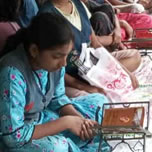
Lotus Ministry's Education Program In Rural Bangladesh
Sri Lanka's economic crisis has pushed nearly one-third of its population into food insecurity, creating an urgent humanitarian situation that demands immediate attention. Rural communities are experiencing the most severe impacts, with limited access to basic necessities and deteriorating social services. The convergence of inflation, currency devaluation, and supply chain disruptions has created a perfect storm, leaving vulnerable populations without reliable access to food, education, and healthcare.
Beyond the immediate food shortage, children's education has been severely disrupted, with school attendance dropping as families prioritize survival over learning. These conditions mirror challenges that Lotus Ministry Trust has successfully addressed in Bangladesh, making their expansion into Sri Lanka both timely and strategic. Their comprehensive approach tackles immediate needs while building pathways to sustainable recovery.
The humanitarian situation in Sri Lanka represents not just a crisis but an opportunity for transformative intervention. By addressing root causes rather than symptoms alone, relief efforts can help rebuild communities with greater resilience than before. Timely intervention now prevents the entrenchment of poverty cycles that could affect generations to come.
How Lotus Ministry Trust Transforms Lives in Sri Lanka
Lotus Ministry Trust has developed a methodical three-phase approach to ensure sustainable impact across Sri Lanka. This structured plan balances immediate relief with long-term development goals, creating a pathway from crisis response to community self-sufficiency. Each phase builds upon the previous one, ensuring that communities aren't just receiving temporary aid but developing the capacity to thrive independently.
The organization's model is distinctively holistic, addressing interconnected needs rather than isolated problems. When a family receives food assistance, their children can return to school instead of working for survival, and parents can focus on rebuilding livelihoods rather than securing the next meal. This comprehensive strategy breaks cycles of dependence and creates multiplying positive effects throughout communities.
Food Security Initiatives Reaching Vulnerable Communities
At the heart of Lotus Ministry Trust's initial response is addressing acute food insecurity through targeted distribution programs. These initiatives prioritize nutritional balance, cultural appropriateness, and dignity in delivery. Rather than providing generic food packages, the organization conducts detailed assessments to understand local dietary preferences and nutritional gaps, ensuring that assistance meets both immediate hunger needs and longer-term health requirements.
The food security program extends beyond simple distribution to include agricultural support and nutrition education. Families receive seeds, tools, and training to establish home gardens that supplement their diets and potentially generate income. Community kitchens in the most affected areas provide hot meals for those unable to cook, particularly focusing on children, pregnant women, and the elderly who face heightened nutritional risks during crisis.
Educational Support Programs for Children
Recognizing that education disruption can have lifelong consequences, Lotus Ministry Trust implements comprehensive educational support systems in affected communities. These programs range from emergency education centers where formal schools are inaccessible to providing essential school supplies that families can no longer afford. Teacher training initiatives ensure that educators are equipped to address the psychological impacts of crisis on learning.
The educational initiative includes innovative approaches like mobile learning units that travel to remote areas, bringing educational resources to children who cannot reach schools. Digital learning tools, where infrastructure allows, help bridge educational gaps and provide continuity during disruptions. Specially designed catch-up curricula help children who have missed schooling to reintegrate into appropriate learning levels without stigma or disadvantage.
Community Development Projects
Beyond addressing immediate needs, Lotus Ministry Trust implements community development initiatives that create pathways to self-sufficiency. These projects include microfinance programs that provide seed capital for small businesses, vocational training for youth and adults seeking new livelihood opportunities, and infrastructure improvements that benefit entire communities. Each project is designed with community input, ensuring that development priorities align with local needs and cultural contexts.
Water and sanitation projects form a critical component of the community development strategy, recognizing that clean water access underpins health, education, and economic development. The organization has developed innovative low-cost filtration systems that can be maintained by community members, ensuring sustainable access to safe drinking water. Community-led waste management systems complement these efforts, creating healthier living environments while providing employment opportunities.
The Proven Impact Model: Bangladesh to Sri Lanka
Lotus Ministry Trust's expansion into Sri Lanka builds upon a proven humanitarian model refined through years of successful implementation in Bangladesh. Since 2021, their programs have reached over 100,000 people with comprehensive support that addresses immediate needs while building foundations for long-term development. This track record demonstrates the organization's capacity to deliver effective aid even in challenging operational environments and complex humanitarian situations.
The Bangladesh experience has provided valuable lessons in program design, community engagement, and impact measurement that are now being applied to the Sri Lankan context. Success metrics show that communities receiving comprehensive support from Lotus Ministry Trust experience improved food security, higher school attendance rates, better health outcomes, and increased economic resilience compared to similar communities without such support.
Successful Relief Strategies from Bangladesh
In Bangladesh, Lotus Ministry Trust pioneered an innovative community-centered distribution system that maximized efficiency while preserving dignity. Instead of creating dependence through continuous handouts, the organization implemented a graduated assistance model where initial comprehensive support transitions to targeted help in specific areas, and finally to community-led initiatives with minimal external support. This approach ensured that communities developed self-sufficiency rather than aid dependency, with measurable improvements in key wellbeing indicators over time.
Another successful strategy was the integration of technology into humanitarian operations, using digital tools to improve beneficiary identification, aid distribution tracking, and impact measurement. Mobile applications allowed field workers to collect real-time data, adjust programs based on changing needs, and maintain transparent communication with donors and partners. These technological innovations improved operational efficiency while reducing the potential for aid diversion or duplication.
Adapting Programs to Sri Lankan Context

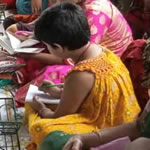
Lotus Ministry Trust Provides Needy Clothing To Neglected Bangladeshis
While the core principles remain consistent, Lotus Ministry Trust has substantially customized its programs to address Sri Lanka's unique context and challenges. Extensive consultations with local communities, cultural experts, and regional authorities have informed program design, ensuring that assistance is appropriate and effective. These adaptations include modifications to food packages to align with local dietary preferences, educational materials that reflect Sri Lankan curriculum standards, and healthcare approaches that complement existing systems.
The organization recognizes the significant differences between Bangladesh and Sri Lanka in terms of infrastructure, cultural dynamics, and the nature of the humanitarian crisis. Rather than applying a one-size-fits-all approach, each program element has been critically examined and adapted. This contextualization extends to staffing strategies, with a commitment to hiring local team members who understand community dynamics and can build trust effectively.
Measurable Results and Accountability
Transparency and accountability form cornerstone principles of Lotus Ministry Trust's operational philosophy in Sri Lanka. A robust monitoring and evaluation framework tracks progress against clearly defined indicators, providing real-time insights that allow for program adjustments and resource optimization. Regular public reporting ensures that donors, partners, and beneficiaries can verify that resources are being used effectively and as intended.
Beyond standard output metrics like numbers of people served, the organization measures meaningful outcome indicators that reflect genuine improvement in wellbeing. These include dietary diversity scores that indicate nutritional adequacy, school persistence rates that show educational engagement, and community resilience assessments that measure capacity to withstand future shocks. This comprehensive accountability approach has earned Lotus Ministry Trust recognition for effectiveness and transparency in humanitarian operations.
Partnerships That Multiply Impact
Lotus Ministry Trust's approach to humanitarian work centers on strategic partnerships that amplify effectiveness and sustainability. Rather than operating in isolation, the organization actively collaborates with local organizations, government entities, and international supporters to create a unified response to Sri Lanka's humanitarian challenges. These partnerships maximize resource utilization, prevent duplication of efforts, and ensure programs align with broader development strategies. Through collaborative approaches, Lotus Ministry has been able to extend its reach far beyond what would be possible working alone.
Local Organization Collaborations
At the foundation of Lotus Ministry Trust's work in Sri Lanka are partnerships with local non-profits, community organizations, and grassroots initiatives. These local partners provide invaluable cultural insights, established community relationships, and operational knowledge that would take years for an external organization to develop. In each of the five implementation regions, Lotus Ministry has identified key local partners who share their vision for comprehensive humanitarian support. These collaborations often involve joint program implementation, shared resources, and mutual capacity building that strengthens both organizations.
The partnership model extends to social enterprises and local businesses that can provide sustainable solutions to community challenges. By engaging the private sector, Lotus Ministry creates pathways for economic recovery alongside humanitarian relief. These collaborations have resulted in innovative initiatives like a partnership with local food producers who supply nutritious items for food packages while rebuilding their own businesses.
Government Coordination Efforts
Effective humanitarian work requires coordination with government structures at multiple levels. Lotus Ministry Trust maintains active engagement with relevant ministries and local government authorities, ensuring their programs complement official response efforts rather than creating parallel systems. This coordination includes participation in humanitarian clusters, information sharing about needs and interventions, and alignment with national development priorities. By working within established governance frameworks, the organization helps strengthen local systems rather than undermining them.
Regular coordination meetings with government stakeholders allow for mutual feedback, program adjustments, and collaborative problem-solving. These relationships have proven crucial in navigating regulatory requirements, accessing hard-to-reach communities, and ensuring sustainability as government capacity rebuilds. The trust-based relationship with authorities also facilitates advocacy for policy improvements that can address structural causes of vulnerability.
International Support Network
Beyond local partnerships, Lotus Ministry Trust leverages an extensive international support network that provides funding, technical expertise, and global visibility for Sri Lanka's humanitarian needs. International donors, technical specialists, and advocacy partners contribute resources and knowledge that complement local efforts. This global network has been particularly valuable in addressing specialized needs like trauma-informed educational approaches and advanced agricultural techniques adapted for climate resilience.
The organization serves as a bridge between international resources and local implementation, ensuring that global best practices are appropriately contextualized for Sri Lankan realities. Virtual knowledge exchange programs connect Sri Lankan community workers with peers in Bangladesh and other regions, creating opportunities for south-south learning and solidarity. These international connections also facilitate resource mobilization during critical periods when local capacity is overwhelmed.
On-the-Ground Stories: Real People, Real Change
Behind the statistics and program descriptions are real people whose lives are being transformed through comprehensive humanitarian support. The fishing village of Koralaipattu in eastern Sri Lanka exemplifies how targeted assistance creates cascading positive effects throughout communities. When Lotus Ministry Trust began working there in early 2023, most fishing families had sold their equipment to buy food, creating a vicious cycle of deepening poverty. Through a combination of immediate food relief, equipment grants, and market reconnection support, fishermen have returned to their traditional livelihoods while their children have resumed schooling.
Similar transformations are occurring in rural educational settings, where teacher support programs have reversed attendance declines and improved learning outcomes despite ongoing economic challenges. These human stories provide powerful testimony to the effectiveness of well-designed humanitarian interventions that address root causes rather than symptoms alone. Each success story represents not just an individual or family helped, but a community member who can now contribute to broader recovery efforts.
Rural Education Transformation
In the highlands region, Lotus Ministry Trust's educational initiatives have revitalized schools that were on the verge of closing due to student and teacher attrition. The Haputale school cluster experienced a 43% drop in attendance during the height of the economic crisis as children were pulled out to contribute to family survival. Through school meal programs, learning material provision, teacher support, and family stabilization assistance, attendance has now recovered to 95% of pre-crisis levels. The initiative also introduced innovative trauma-informed teaching methods that address the psychological impacts of crisis on learning capacity.
Local teacher Priyantha describes the transformation: "We were losing hope as classrooms emptied and those who came were too hungry to concentrate. The comprehensive support from Lotus Ministry didn't just bring children back—it gave us tools to help them heal from their experiences while learning effectively. Now we're seeing students not just returning but thriving, with test scores improving despite everything they've been through."
5 Ways Humanitarian Organizations Can Support Sri Lanka
The scale of Sri Lanka's humanitarian challenges requires collaborative effort from multiple organizations working in complementary ways. Lotus Ministry Trust actively encourages other humanitarian actors to join in supporting Sri Lanka's recovery through strategic approaches that maximize collective impact. Based on their operational experience, the organization has identified five key ways that humanitarian organizations can contribute meaningfully to sustainable recovery efforts.
1. Resource Sharing and Knowledge Transfer
Humanitarian organizations can maximize impact by sharing resources, knowledge, and lessons learned from similar contexts. This collaborative approach prevents reinventing solutions and allows for rapid scaling of proven interventions. Organizations with specialized expertise in areas like water systems, sustainable agriculture, or education technology can contribute these capabilities to comprehensive response efforts. Lotus Ministry Trust has established resource-sharing platforms that facilitate this kind of collaboration, allowing organizations to contribute their unique strengths while accessing complementary capabilities from partners.
2. Joint Funding Initiatives
Pooled funding mechanisms and joint proposals enable more comprehensive programming while reducing administrative burdens on both donors and implementers. By combining financial resources, organizations can undertake larger-scale initiatives that address interrelated challenges simultaneously. These joint funding approaches also help standardize reporting requirements, coordinate evaluation efforts, and present unified messaging to supporters. Lotus Ministry Trust participates in several consortium funding arrangements that have proven highly effective in maximizing program impact while streamlining operations.
3. Volunteer Exchange Programs
Structured volunteer exchanges between organizations build capacity while fostering innovation through cross-pollination of ideas and approaches. These exchanges allow staff members to develop new skills, gain fresh perspectives, and bring specialized knowledge to different contexts. Rather than competing for talented staff, collaborative volunteer programs create a shared talent pool that benefits the broader humanitarian community. Lotus Ministry Trust has implemented exchange programs with partner organizations in Bangladesh, India, and now Sri Lanka, creating valuable learning opportunities for all participants.
4. Technology and Innovation Partnerships
Technological solutions can dramatically improve humanitarian effectiveness when properly implemented and contextualized. Organizations with technology expertise can partner with those having strong field presence to create powerful implementation mechanisms. These partnerships have led to innovations like mobile applications that improve beneficiary identification, digital platforms that enhance educational delivery, and remote monitoring systems that increase accountability. Lotus Ministry Trust actively seeks technology partners who can help develop solutions specifically tailored to Sri Lanka's unique operational environment.
5. Advocacy and Awareness Campaigns
Coordinated advocacy efforts amplify humanitarian voices while raising awareness about often-overlooked crises like Sri Lanka's economic collapse. By speaking with unified messages based on ground realities, organizations can influence policy decisions, mobilize resources, and maintain public engagement with humanitarian needs. These campaigns are most effective when they combine compelling human stories with solid data and clear calls to action. Lotus Ministry Trust participates in several coordinated advocacy initiatives that highlight Sri Lanka's ongoing humanitarian challenges while proposing concrete solutions.
Building Sustainable Solutions Beyond Initial Relief
While immediate humanitarian relief addresses urgent needs, Lotus Ministry Trust's approach emphasizes building solutions that continue functioning long after external support ends. This sustainability focus permeates every aspect of program design, from initial community engagement through implementation and eventual transition to local ownership. By investing in capacity development, systems strengthening, and social capital formation alongside direct assistance, the organization creates lasting positive change. This approach represents a fundamental shift from traditional relief models that can create dependency to development partnerships that foster genuine resilience.
Training Local Leaders
At the heart of sustainable humanitarian work is systematic investment in local leadership development. Lotus Ministry Trust implements comprehensive training programs that equip community members with the knowledge, skills, and confidence to address their own challenges. These capacity-building initiatives range from technical training in specific sectors like agriculture or health to broader leadership development that strengthens community governance. By identifying and nurturing emerging leaders—particularly women and youth who are often overlooked—the organization ensures that expertise remains within communities even after program completion.
The training approach emphasizes practical application alongside theoretical knowledge, with participants immediately applying new skills in community projects. This learning-by-doing model creates immediate benefits while cementing new capabilities through practice. Mentorship components pair experienced practitioners with emerging leaders, creating supportive relationships that sustain motivation and provide guidance through implementation challenges. The resulting network of trained community leaders becomes a permanent resource for ongoing development initiatives.
Creating Self-Sustaining Programs
Beyond training individuals, Lotus Ministry Trust designs programs with built-in sustainability mechanisms that enable continued operation without external support. These mechanisms include community contribution components, income-generating elements that fund ongoing activities, and integration with existing local institutions that can provide long-term anchoring. For example, school meal programs include school gardens that eventually supply a portion of the needed food, reducing costs while providing practical agricultural education. Similarly, community health initiatives transition from direct service provision to preventive approaches that require fewer resources while maintaining positive health outcomes.
Careful exit planning is integrated from the beginning of each intervention, with clear milestones marking the gradual transition from external support to local ownership. These transitions are managed through participatory processes that ensure communities are fully prepared for each step in the handover sequence. Regular sustainability assessments identify potential challenges before they threaten program continuity, allowing for proactive adjustments that strengthen long-term viability.

You Can Help Bring Humanitarian Food Relief
Join the Movement: Be Part of Sri Lanka's Recovery
The humanitarian situation in Sri Lanka presents both urgent challenges and remarkable opportunities for transformative change. Lotus Ministry Trust invites individuals, organizations, and institutions to join this critical work through various engagement pathways tailored to different capabilities and interests. From direct financial support that fuels program implementation to technical partnerships that enhance effectiveness, every contribution advances the vision of sustainable recovery and development. This collective approach recognizes that no single entity can address the complex challenges facing Sri Lanka, but together, a network of committed partners can create lasting positive change.
Whether you're an individual concerned about global humanitarian issues, an organization with complementary expertise, a funder seeking high-impact opportunities, or a business with relevant resources, there are meaningful ways to support Sri Lanka's recovery journey through Lotus Ministry Trust's structured engagement framework. The time for action is now, while the opportunity to shape recovery pathways remains open and before temporary hardships become entrenched patterns of deprivation. By joining this movement, you become part of a solution that not only addresses immediate suffering but builds foundations for lasting prosperity and resilience.
Frequently Asked Questions
As Lotus Ministry Trust expands its work in Sri Lanka, prospective supporters and partners often have questions about the organization's approach, focus areas, and engagement opportunities. The following responses address the most common inquiries, providing clarity that helps individuals and organizations make informed decisions about participation. Additional questions are welcomed through the organization's contact channels, reflecting their commitment to transparency and open communication with all stakeholders.
What specific regions in Sri Lanka does Lotus Ministry Trust focus on?
Following extensive needs assessment and stakeholder consultations, Lotus Ministry Trust has identified five strategic regions for initial implementation in Sri Lanka. These include coastal communities in the Eastern Province where fishing livelihoods have been severely disrupted, agricultural areas in the Central Highlands facing food insecurity and educational challenges, urban settlements around Colombo with high concentrations of vulnerable populations, Northern Province communities still recovering from previous conflicts compounded by new economic pressures, and Southern Province regions affected by tourism industry collapse. Each implementation area represents diverse geographical, cultural, and economic contexts while sharing significant humanitarian needs that align with the organization's core competencies.
How can my organization partner with Lotus Ministry Trust?
Lotus Ministry Trust welcomes partnerships with organizations that share their commitment to sustainable humanitarian approaches and community-centered development. Partnership opportunities range from operational collaboration on specific programs to technical exchange, joint advocacy, resource sharing, and consortium funding arrangements. The organization has established a structured partnership development process that begins with mutual due diligence, followed by identification of complementary strengths, development of clear collaboration agreements, and implementation of joint initiatives with regular evaluation and adjustment.
Partnership Pathway with Lotus Ministry Trust
1. Initial Contact: Reach out through the partnership inquiry form on our website
2. Exploratory Discussion: Virtual meeting to discuss alignment and opportunities
3. Partnership Concept: Develop a brief concept note outlining potential collaboration
4. Due Diligence: Mutual organizational assessment for compatibility
5. Partnership Agreement: Formalize relationship with clear terms and expectations
6. Implementation: Begin collaborative activities with regular coordination
7. Evaluation & Adaptation: Jointly assess impact and adapt as needed
Potential partners are encouraged to begin by reviewing the organization's partnership principles and strategic priorities available on their website. This background understanding helps ensure that partnership discussions focus on genuinely complementary opportunities rather than duplicative efforts. The partnership team can be reached directly at partnerships@lotusministrytrust.org to begin exploratory conversations.
What percentage of donations goes directly to relief efforts?
Lotus Ministry Trust maintains an exceptionally efficient financial structure, with 88% of all donations directly supporting program implementation in the field. Administrative expenses are kept to 7%, covering essential functions like financial management, compliance, and basic operations. The remaining 5% supports carefully targeted fundraising and communication efforts that generate additional resources, ultimately increasing total program funding. This financial model has earned the organization recognition for transparency and efficiency from multiple nonprofit evaluation entities.
Detailed financial reports are published quarterly on the organization's website, providing complete visibility into resource utilization and program expenditures across all operational areas.
How does Lotus Ministry ensure cultural sensitivity in their programs?
Cultural sensitivity is foundational to Lotus Ministry Trust's approach in Sri Lanka, embedded throughout program design, staffing, implementation, and evaluation processes. The organization begins by hiring predominantly local staff who understand cultural nuances and community dynamics, supplemented by cultural orientation for any international team members. Program design incorporates extensive community consultation, with particular attention to diverse perspectives including women, youth, elderly, and minority groups. Implementation methodologies respect local customs, traditions, and social structures while promoting inclusive participation. Regular feedback mechanisms provide opportunities for communities to shape program adjustments, ensuring cultural appropriateness is maintained throughout the program lifecycle.
What are the most urgent humanitarian needs in Sri Lanka right now?
Sri Lanka currently faces interconnected humanitarian challenges stemming from its economic crisis, with food security, education continuity, and healthcare access representing the most urgent priorities. Nearly 30% of the population experiences food insecurity, with particularly severe impacts in rural areas and among vulnerable groups like female-headed households and elderly persons. Education disruption threatens long-term development, with school attendance dropping as families prioritize immediate survival needs. Healthcare challenges include medication shortages, reduced preventive care, and increased barriers to accessing treatment for chronic conditions. Beyond these immediate needs, livelihood restoration represents a critical priority to prevent dependency and rebuild economic resilience at household and community levels.
These urgent needs exist within a context of eroded coping mechanisms after prolonged hardship, meaning that traditional safety nets like family support and community assistance have been stretched beyond capacity. This situation underscores the importance of comprehensive support that addresses immediate humanitarian needs while strengthening recovery foundations. Lotus Ministry Trust's three-phase approach directly responds to this complex reality with immediate relief, transitional support, and sustainable development pathways.





Comments