
Lotus Ministry Trust Providing Choice for Orphans in Bangladesh

Imagine a classroom where the blackboard is the only piece of technology, where two children share one pencil, and where that single pencil is still enough to change a life forever.
Article-at-a-Glance
Lotus Ministry Trust provides choice for orphans free, holistic education to children in Northern Bangladesh, a region with severe gaps in educational infrastructure.
The organization's curriculum blends traditional academics with life skills, local folklore, and vocational training to prepare children for real futures.
Nutritional programs tied to education have shown measurable results elsewhere, including a 20% increase in test scores within six months in similar orphanage settings.
Donations are allocated across specific categories, from educational materials to staff salaries, so supporters can see exactly where their money goes.
Keep reading to find out how a small, targeted act of giving—whether it's a donation, a volunteer hour, or simply sharing a story—can ripple into a child's entire future.
Education changes outcomes, but for orphaned children in Northern Bangladesh, access to that education is far from guaranteed. Lotus Ministry Trust has built its entire mission around closing that gap, offering children not just a seat in a classroom but a genuine path out of poverty. What makes this organization worth paying attention to isn't just what it provides, but how thoughtfully it provides it.
Give Them The Gift Of Education

Support Lotus Ministry Directly Through The Founders' PayPal

Why Lotus Ministry Trust Matters When Providing A Choice For Orphans
Northern Bangladesh isn't short on need. It's short on meeting the needs of orphans, infrastructure, trained teachers, and consistent access to even basic school supplies. For orphaned children already navigating trauma and instability, that lack of structure can mean the difference between a future full of options and one with almost none.
Lotus Ministry Trust was built specifically to answer that problem, providing a choice for orphans, and it does so with a level of intention that's easy to overlook until you see it in action.
The Education Gap in Northern Bangladesh
Many orphans in this region live in remote areas where schools are scarce or simply don't exist. Even when a school is nearby, it often lacks trained teachers, updated materials, or enough desks for every child. This isn't a minor inconvenience—it's a structural barrier that keeps entire generations locked out of opportunity. For more insight into these challenges, read about Lotus Ministry Trust and orphan education in Bangladesh.
A Mission Built on Breaking the Poverty Cycle
Lotus Ministry Trust's stated purpose is direct: break the cycle of poverty and disenfranchisement through education. That's not a slogan tacked onto a mission statement. It shows up in how the organization structures its programs, trains its staff, and allocates its resources.
Rather than treating education as a one-size-fits-all solution, the Trust designs its approach around the specific, compounded challenges orphaned children face—things like emotional trauma, inconsistent access to food, and a lack of family support systems that most students take for granted.
That foundation shapes everything else the organization does, starting with the classroom itself.
How the Curriculum Heals and Teaches at the Same Time
A good curriculum teaches math and reading. A great one does that while also helping a child process grief, build confidence, and reconnect with their own culture. Lotus Ministry Trust aims for the second kind.
The organization's holistic curriculum was designed specifically for the unique needs of orphans, which means it goes beyond textbooks to address the whole child—academically, emotionally, and culturally.
Blending Academics with Life Skills
Traditional subjects like math and science sit alongside practical life skills training, giving children tools they'll actually use once they leave the classroom. This dual approach reflects a teaching philosophy rooted in compassion and wisdom, where methods are adaptive, responsive, and nurturing rather than rigid or one-dimensional.
Using Local Traditions to Build Literacy and Identity
Instead of relying solely on generic textbook passages, the curriculum incorporates storytelling and local folklore to teach language and literacy. This does double duty: children build reading skills while also staying connected to their heritage, something that matters deeply for kids who've already lost so much of their family structure.
That connection to tradition isn't incidental. Lotus Ministry Trust actively works to preserve the rich traditions and customs of Bangladesh even as it introduces modern educational methods, striking a balance that many larger, less localized programs tend to miss.
Plans to Add Vocational and Technical Training
Looking ahead, the organization plans to enhance its curriculum with more vocational and technical training options. The goal is straightforward: give students skills that translate directly into employment, not just academic credentials that may or may not open doors in a region with limited job markets.
This forward-looking approach reflects a broader pattern seen across successful orphan education programs worldwide, where the strongest outcomes come from pairing classroom learning with hands-on, practical skill-building.
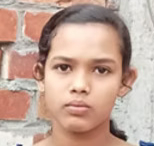
"Because of the education I received, I can dream of a future I never thought possible." — Anika, former orphanage resident and scholarship recipient
Why Nutrition Is as Important as Textbooks
A child can't focus on fractions if their stomach is empty. That simple truth is why nutrition sits right alongside curriculum as a core priority for organizations working with orphaned children, including those supported through programs like Lotus Ministry Trust.
The Link Between Food and Test Scores
The data on this is hard to ignore. In a nutritional program study conducted at an orphanage in Nigeria, children showed a 20% increase in test scores within just six months. A similar year-long program at a rural orphanage in Kenya led to children becoming more attentive in class, achieving improved grades, and showing a significant drop in absenteeism.
One caregiver at that Kenyan orphanage summed up the shift simply: "The children are now more attentive in class, their grades have improved, and they are much healthier. We even noticed a significant drop in absenteeism."
Key Nutrients That Fuel Young Brains
Not all food is created equal when it comes to supporting cognitive development. Essential nutrients for academic success include:
Proteins, which support muscle and brain tissue development
Carbohydrates, which provide the steady energy kids need to concentrate through a full school day
Omega-3 fatty acids, linked to improved memory and focus
Vitamins B12 and D, which play a role in mood regulation and cognitive function
Minerals like iron and calcium, critical for growth and energy levels
A nutritional program implemented in an orphanage in India demonstrated this connection clearly, with children becoming more engaged, developing better problem-solving skills, and showing measurable improvement in academic performance after the program began.
What Happens When Children Don't Get Enough to Eat
Without proper nutrition, even the best-designed curriculum struggles to make an impact. Hungry children have shorter attention spans, lower energy, and reduced capacity to retain information—which is exactly why nutrition and education need to be treated as a single, connected priority rather than two separate problems.
How Nutritional Programs Get Built From the Ground Up

Open A Door To A Brighter Future
Support Lotus Ministry Directly Through The Founders' PayPal
Building an effective nutritional program isn't as simple as handing out extra meals. It requires a structured approach, starting with an honest look at what's currently missing.
1. Assess Needs and Plan Balanced Meals
The process starts with evaluating the current diet, identifying specific deficiencies, and setting clear objectives. From there, organizations typically work with nutritionists to build balanced meal plans that include all essential nutrients while still being diverse enough to suit children's tastes and preferences.
2. Secure Funding From Local and International Partners
Budget constraints are one of the biggest hurdles facing orphanages, most of which operate on limited funds to begin with. Successful programs often rely on a mix of grants, international partnerships, and community donations to keep meal plans sustainable over the long term.
3. Train Caregivers on Meal Preparation
Even the best meal plan falls flat without proper execution. Training caregivers and kitchen staff on the importance of nutrition and proper meal preparation is a vital step, and engaging staff early in the planning process helps ensure they're genuinely committed to making the program work rather than just following instructions.
4. Partner With Local Farmers for Fresh Produce
Forming partnerships with local farmers and food suppliers helps secure fresh produce at a lower cost, which solves two problems at once: it keeps meals nutritious and affordable while also boosting the local economy. In remote areas where supply chains are unreliable, these local partnerships often make the difference between a program that survives and one that quietly fades out.
The Real Obstacles Standing in the Way
None of this work happens without friction. Organizations serving orphaned children in Bangladesh face a specific set of obstacles that require creative, persistent problem-solving.
Tight Budgets and Unpredictable Funding
Resource limitations remain one of the most consistent challenges facing orphan education programs. Funding can be inconsistent, and many organizations find themselves balancing ambitious goals against genuinely limited financial resources.
Cultural barriers add another layer of complexity, particularly in reaching remote communities where education hasn't historically been prioritized or accessible.
Supply Chain Struggles in Remote Areas
Ensuring a consistent supply of fresh, nutritious food is especially difficult in remote regions where transportation infrastructure is limited. This is precisely why local farming partnerships matter so much—they shorten the supply chain and reduce dependence on unreliable outside sources.
Overcrowded Classrooms and Teacher Shortages
Many orphans in Northern Bangladesh live in areas where schools are scarce or nonexistent altogether, which puts enormous pressure on the few schools that do exist. Teachers in these settings often face overcrowded classrooms, limited teaching materials, and the emotional needs of children who've experienced significant trauma—all while trying to deliver a quality education.
The Teachers and Volunteers Who Make It Possible
Behind every statistic about improved test scores is a teacher who stayed late, or a volunteer who showed up on a weekend just to help a struggling student catch up.
Teachers as Educators, Caregivers, and Role Models

Your Generosity Is An Investment in A Child’s Future Through Education
Support Lotus Ministry Directly Through The Founders' PayPal
Teachers in these schools often serve as educators, caregivers, role models, and sometimes surrogate parents all at once. It's not unusual for them to spend their own money on supplies or stay after hours to offer extra help to students who need it most—a level of commitment that goes far beyond a typical job description.
Volunteers Bringing Skills From Around the World
Volunteers come from local communities, international visitors, and even former residents of the orphanages themselves. They help teach English, organize sports and arts programs, and offer one-on-one attention that fills gaps in curriculum and resources that staff alone simply can't cover.
Proof That These Programs Work
Skepticism about charitable programs is healthy, but the results in similar orphan education and nutrition initiatives speak clearly.
Improved Grades and Attendance
The year-long nutritional program at the rural Kenyan orphanage didn't just improve test scores—it changed daily attendance patterns, with children showing up more consistently and staying engaged throughout the school day.
Stronger Problem-Solving Skills in India
In India, the orphanage nutritional program led to children becoming more engaged in class discussions, developing sharper problem-solving skills, and showing measurable gains in overall academic performance. These aren't isolated anecdotes; they're consistent patterns that show up whenever nutrition and education are treated as connected priorities rather than separate line items.
Anika's story reflects this same pattern on an individual level. A former orphanage resident, she received a scholarship for higher education through the support of her teachers and access to school resources—proof that these programs create outcomes that extend well beyond childhood.
Where Your Donation Actually Goes
Transparency matters when it comes to charitable giving, and Lotus Ministry Trust breaks down exactly how donations are allocated.
40% Toward Educational Materials
The largest share of donations goes directly toward educational materials—books, supplies, and the basic tools children need to actually participate in their own education.
This allocation reflects the organization's core priority: making sure resource scarcity never becomes the reason a child falls behind.
30% Toward Facilities and Infrastructure
Nearly a third of donations fund facilities and infrastructure, covering everything from classroom space to the physical buildings that make consistent schooling possible in the first place.
Without stable infrastructure, even the best curriculum has nowhere to happen.
15% Toward Health and Wellness Programs
Health and wellness programs, including nutrition initiatives, receive 15% of donations—a reflection of just how closely physical wellbeing and academic success are linked.
10% Toward Staff and Teacher Salaries
Ten percent goes toward staff and teacher salaries, ensuring the educators who show up every day—often going above and beyond their job descriptions—are compensated for their work.
This allocation helps the organization retain experienced teachers rather than losing them to better-paying opportunities elsewhere.
5% Toward Community Outreach
The final 5% supports community outreach efforts, helping Lotus Ministry Trust identify more children in need and build the local relationships necessary for long-term program success.
Simple Ways You Can Help Right Now
Supporting this work doesn't require a massive financial commitment or a plane ticket to Bangladesh. There are several practical entry points, including:
Donating funds or educational supplies directly to programs that provide books, school supplies, and scholarships for higher education
Volunteering your time, whether on-site in Bangladesh or remotely through fundraising and advocacy work
Spreading awareness within your own network to help connect the organization with potential supporters
Even small, consistent contributions add up over time, especially when combined with the efforts of a growing community of supporters who believe in the same mission.
Respecting Culture While Building a Future
Good intentions aren't enough if a program ignores the culture it's working within. Lotus Ministry Trust's approach stands out because it treats cultural preservation as a priority, not an afterthought.
Preserving Bangladeshi Traditions in Modern Classrooms
By weaving local folklore and storytelling into literacy lessons, the organization ensures that modern education doesn't come at the cost of cultural identity. Children learn to read while staying connected to the traditions and customs that define their heritage.
Encouraging Education for Girls and Marginalized Groups
Education access remains uneven across many communities, and orphaned children—particularly girls—often face additional barriers to consistent schooling. Programs that specifically prioritize reaching these children help close gaps that might otherwise widen over time.
What Comes Next for Lotus Ministry Trust
The organization's goals extend well beyond its current reach, with clear plans for what growth looks like over the coming years.
Scaling Programs to Reach More Children
Future plans include building additional facilities to accommodate more students and strengthening community outreach to ensure every orphan in the region has genuine access to education.
Building New Facilities and Partnerships
Lotus Ministry Trust also aims to establish more partnerships with local and global organizations, expanding the resources and opportunities available to students well beyond what any single organization could provide alone. Learn more about the educational challenges they are addressing in Bangladesh.
Creating a Replicable Model for All of Bangladesh
Perhaps most ambitious is the long-term vision: creating a model of orphan education that can be replicated throughout Bangladesh and beyond. If successful, the approach developed in Northern Bangladesh could become a template for similar programs facing similar challenges elsewhere in the world.
Simple Ways You Can Help Right Now
Supporting this work doesn't require a massive financial commitment or a plane ticket to Bangladesh. There are several practical entry points that fit different schedules, budgets, and skill sets.
1. Donate Funds or Educational Supplies
Direct donations fund books, school supplies, and scholarships for higher education—the exact resources that turn a child's potential into an actual diploma. Even smaller recurring gifts add up quickly when pooled with a community of consistent supporters.
Supplies matter just as much as cash. Pens, notebooks, and basic learning materials remain in short supply across many orphanage schools in Northern Bangladesh, so targeted donations of these items go a long way toward filling daily gaps teachers face in the classroom.
2. Volunteer Your Time and Skills
Volunteers teach English, run sports and arts programs, and provide one-on-one attention that overstretched staff simply can't offer alone. This kind of support fills real gaps in curriculum and resources, giving children extra encouragement they might not otherwise receive.
Volunteering doesn't require a plane ticket, either. Supporters can contribute remotely through fundraising campaigns, advocacy work, or administrative help, while those able to travel can volunteer on-site in Bangladesh for a more hands-on experience.
3. Spread Awareness in Your Network
Sometimes the simplest contribution is also the most effective one. Sharing information about Lotus Ministry Trust's work with friends, family, or on social media helps the organization reach potential donors and volunteers it might never connect with otherwise.
Community fundraising events and awareness campaigns have proven effective for similar orphanage schools, generating both funding and visibility that lead to longer-term support relationships.
Respecting Culture While Building a Future
Good intentions aren't enough if a program ignores the culture it's working within. Lotus Ministry Trust's approach stands out because it treats cultural preservation as a core priority rather than an afterthought bolted onto a Western-style curriculum.
Preserving Bangladeshi Traditions in Modern Classrooms
By weaving local folklore and storytelling into literacy lessons, the organization ensures that modern education doesn't come at the cost of cultural identity. Children learn to read and write while staying rooted in the traditions and customs that define their heritage, which matters enormously for kids who've already lost the family connections that typically pass down that heritage.
This balance between tradition and modern instruction shows up across several parts of the curriculum, including:
Language and literacy lessons built around regional folktales instead of generic textbook passages
Moral and religious education woven into daily academic routines
Vocational training that reflects skills actually used in local trades and industries
None of this happens by accident. It reflects a deliberate choice to build an education model that respects where these children come from while still preparing them for where they're going.
Encouraging Education for Girls and Marginalized Groups
Education access remains uneven across many communities in Northern Bangladesh, and orphaned children—particularly girls—often face additional barriers to consistent schooling. Cultural norms, economic pressure, and lack of nearby schools all compound the problem for the most vulnerable children.
Programs that specifically prioritize reaching these children help close gaps that might otherwise widen with each passing year, giving girls and marginalized students the same shot at a stable academic future as their peers.
What Comes Next for Lotus Ministry Trust
The organization's goals extend well beyond its current reach, with clear plans for what growth looks like over the coming years. None of these plans are vague aspirations—they're specific, actionable steps tied directly to the challenges already identified on the ground.
Each goal builds on the last, moving the organization from its current footprint toward something much larger and more sustainable over time.
Scaling Programs to Reach More Children
Future plans include building additional facilities to accommodate more students and strengthening community outreach to ensure every orphan in the region has genuine access to education, not just the ones lucky enough to live near an existing school.
Building New Facilities and Partnerships
Lotus Ministry Trust also aims to establish more partnerships with local and global organizations, expanding the resources and opportunities available to students well beyond what any single organization could provide working alone.
Creating a Replicable Model for All of Bangladesh
Perhaps most ambitious is the long-term vision: creating a model of orphan education that can be replicated throughout Bangladesh and beyond. If successful, the approach developed in Northern Bangladesh could become a template other regions and organizations adapt to solve similar problems in their own communities.
That kind of scalability is what separates a good local program from a movement capable of reshaping outcomes for orphaned children across an entire country.
Frequently Asked Questions
A few questions come up repeatedly from people considering how to support this kind of work, so here are straightforward answers to the most common ones.
What Makes Lotus Ministry Trust Different From Other Orphan Charities?
Lotus Ministry Trust combines academic education with cultural preservation, nutrition, and vocational training, addressing the whole child rather than focusing on just one piece of their development in isolation.
How Does Nutrition Affect a Child's Ability to Learn?
Proper nutrition directly impacts attention span, energy levels, and cognitive function. Documented programs in orphanages across Nigeria, Kenya, and India have shown improved test scores, better attendance, and stronger problem-solving skills in children receiving balanced, nutrient-rich meals.
Can I Volunteer With Lotus Ministry Trust From Outside Bangladesh?
Yes. Supporters can contribute remotely through fundraising, advocacy, and awareness campaigns, in addition to on-site volunteer opportunities for those who are able to travel directly to Bangladesh.
Both options play a meaningful role, since remote advocacy often opens doors to funding and partnerships that wouldn't otherwise reach the organization.
How Much of My Donation Goes Directly to the Children?
Donations are allocated across several specific categories designed to directly benefit students:
40% toward educational materials like books and school supplies
30% toward facilities and infrastructure
15% toward health and wellness programs, including nutrition
10% toward staff and teacher salaries
5% toward community outreach
This breakdown gives supporters a clear picture of exactly how their contribution moves through the organization and into the hands of the children it's meant to help.
Why Focus on Northern Bangladesh Specifically?
Northern Bangladesh faces a pronounced lack of educational infrastructure, with many orphaned children living in remote areas where schools are scarce or nonexistent entirely. That gap makes targeted intervention in this specific region especially impactful compared to areas that already have stronger existing systems in place.
Every Child Deserves the Chance This Education Provides
From shared pencils and blackboard lessons to scholarship success stories like Anika's, the work happening in Northern Bangladesh proves that consistent, culturally grounded education can rewrite a child's entire trajectory. These aren't abstract outcomes—they're measurable changes in test scores, attendance, and long-term opportunity that ripple outward into entire communities.
What stands out most about this approach is how deliberately it balances modern academic rigor with respect for where these children come from. That balance is rare, and it's exactly why the results speak for themselves.
Every child who walks into one of these classrooms carries the same potential as any other child anywhere in the world—the only missing piece has been consistent access to the tools that let that potential show up on paper.





Comments