
Lotus Ministry Trust & Local Communities Collaborative Rice Food Aid
- Jeffrey Dunan
- 2 days ago
- 12 min read

Rice is the primary food source for millions of Bangladeshis, making community-based rice distribution one of the most direct ways to fight hunger in the region.
Lotus Ministry Trust operates as an IRS-compliant, faith-based nonprofit dedicated to dignified, culturally sensitive food relief in rural Bangladesh.
Local collaboration is the backbone of effective food aid — partnering with community stakeholders ensures rice reaches the most vulnerable households first.
Emergency response speed matters — during the 2020 Bangladesh floods, relief teams reached displaced families within 24 hours of the disaster.
Your support goes further than a single meal — keep reading to discover how one donation connects to education, clean water, and long-term community empowerment.
Rice Food Aid That Reaches the People Who Need It Most

You Can Help Us Reach Them
Support us directly through the founders' PayPal

When disaster strikes in rural Bangladesh, the difference between survival and suffering often comes down to one thing: whether rice arrives in time.
Food insecurity in Bangladesh is not an abstract statistic — it is a daily reality for millions of families living in flood-prone, infrastructure-poor regions where access to food can disappear overnight. Community rice food aid programs exist precisely to close that gap. But not all food aid is created equal. The most effective programs are built on local trust, cultural understanding, and logistical precision. Lotus Ministry Trust has spent years developing exactly that kind of system in Bangladesh, combining faith-driven mission with on-the-ground operational know-how.
What sets community-centered rice aid apart is its emphasis on dignity. Rather than parachuting supplies into a region and leaving, organizations that work within communities build relationships that make distribution faster, fairer, and more sustainable over time.
What Lotus Ministry Trust Actually Does
Lotus Ministry Trust is a faith-based humanitarian nonprofit focused on food relief, community development, and long-term empowerment in Bangladesh. Their work is hands-on, locally integrated, and driven by a clear belief: that every person deserves access to food, clean water, and education regardless of geography or circumstance.
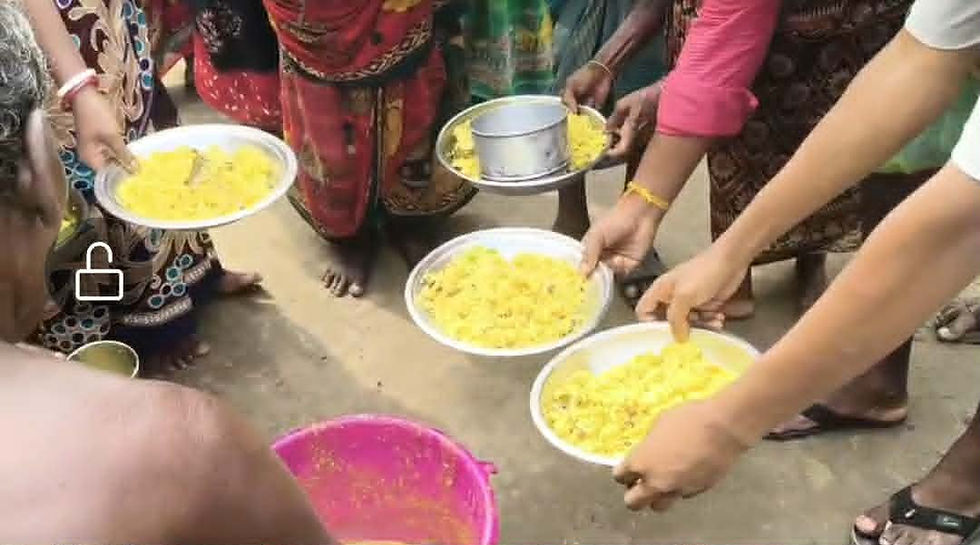
The organization runs structured rice distribution programs targeting rural and disaster-affected communities, with a particular emphasis on northern Bangladesh where food insecurity and poverty intersect sharply. Their approach goes beyond a simple drop-and-go model — teams coordinate with local leaders, assess household-level need, and prioritize the most vulnerable populations in every distribution cycle.
A Faith-Based Organization With a Clear Mission
Lotus Ministry Trust operates from a foundation of faith, but its mission is universal: reduce suffering, restore dignity, and build capacity in communities that have been left behind. Their spokesperson has been direct about this:
“Food relief is about more than just providing meals. It’s about dignity, cultural sensitivity, and building sustainable solutions that empower communities to thrive over the long term.”
That philosophy shapes every decision, from how rice is sourced to how it is distributed and who receives it first.
How Lotus Ministry Trust Operates as a Tax-Exempt Charity
Lotus Ministry Trust is fully compliant with IRS regulations as a faith-based nonprofit charity. That designation matters for donors — it means contributions are tax-deductible and that the organization is held to formal standards of financial accountability. For a community rice food aid program operating across challenging terrain in a developing nation, that level of institutional credibility helps build the donor trust needed to sustain long-term operations.
Why Rice Is Central to Food Aid in Bangladesh
Bangladesh is one of the world’s largest rice-consuming nations, and for most rural families, rice is not just a dietary staple — it is the meal. Understanding that context is essential to understanding why rice-specific food aid programs are so impactful here compared to generalized food packages used in other regions.
Rice as a Cultural and Nutritional Lifeline
In Bangladeshi culture, rice anchors every meal of the day. It provides the bulk of daily caloric intake for rural households, particularly in regions where protein sources are expensive or inaccessible. When rice supply is disrupted — whether by flooding, economic shock, or crop failure — entire families face immediate nutritional crisis. Distributing rice directly addresses that crisis at its root, quickly and efficiently.
How Food Insecurity Affects Rural Bangladeshi Communities
Rural communities in Bangladesh face a compounding set of vulnerabilities. Seasonal flooding regularly destroys crops and cuts off road access. Poverty limits household food reserves. And informal labor markets mean income can vanish as quickly as a storm rolls in. Families in these areas often have no safety net beyond what community organizations and aid programs provide. Children and the elderly are disproportionately affected, facing the most severe consequences of even short-term food shortages.
Why Culturally Appropriate Food Aid Matters
Sending the wrong food to the right place is still a failure. Culturally appropriate aid — rice rather than unfamiliar grain alternatives — means food actually gets eaten, digestion issues are avoided, and the dignity of recipients is preserved. Lotus Ministry Trust builds cultural sensitivity directly into its distribution model, ensuring that what arrives in a village is something families can use immediately and meaningfully.
How the Local Communities Collaboration Works
The most efficient food aid programs in the world share one common trait: they do not operate in isolation. Lotus Ministry Trust has built its rice distribution model around deep collaboration with the communities it serves, recognizing that local knowledge is irreplaceable when it comes to identifying need, navigating terrain, and earning the trust required for aid to actually reach the right hands.
Partnerships With Local NGOs and Government Agencies
Lotus Ministry Trust actively partners with local NGOs, community organizations, and where possible, government agencies to extend its reach and strengthen its distribution network. These partnerships are not symbolic — they are operational. Local partners provide critical intelligence about which villages are hardest hit, which families have been missed by other aid efforts, and which access routes are viable after flooding or storm damage. By pooling resources and information, these collaborative networks dramatically increase the efficiency of every rice distribution cycle.
How Local Stakeholders Shape the Distribution Process
Community leaders, village elders, and local volunteers play a direct role in shaping how Lotus Ministry Trust identifies and prioritizes recipients. This bottom-up approach ensures that distribution lists reflect genuine on-the-ground reality rather than assumptions made from a distance. When local stakeholders are involved in planning, the process gains credibility within the community — reducing tensions, minimizing duplication, and ensuring that aid reaches households that might otherwise be overlooked, including widows, elderly residents living alone, and families with disabled members.
Navigating Bangladesh's Infrastructure Challenges
Bangladesh presents some of the most demanding logistical conditions for food aid delivery anywhere in the world. Seasonal flooding regularly renders roads impassable. Remote northern villages can become effectively cut off for days or weeks at a time. Lotus Ministry Trust addresses these obstacles through pre-positioned supply coordination and relationships with local transport operators who know alternative routes through affected areas. The organization has developed adaptive logistics protocols that allow distribution to continue even when primary infrastructure fails — a critical capability in a country where weather-related disruptions are not the exception but the norm.
Lotus Ministry Trust’s Rapid Emergency Response
Speed is everything in emergency food relief. In the hours immediately following a disaster, families exhaust whatever food reserves they have, and without rapid intervention, malnutrition sets in quickly — especially among children under five and the elderly. Lotus Ministry Trust has structured its emergency response operations to move fast, with pre-established logistics chains and local partnerships that can be activated the moment a crisis is confirmed.
How the 2020 Bangladesh Floods Tested the Program
The 2020 flooding in Bangladesh was among the most severe in recent memory, displacing thousands of families across multiple regions and destroying standing crops that communities had depended on for survival. It was a direct test of Lotus Ministry Trust’s emergency response capacity — and the organization responded within 24 hours of the disaster, mobilizing rice and essential supplies to affected villages before many larger organizations had even completed their needs assessments.
One village in rural Bangladesh became a defining example of what rapid response looks like in practice. Cut off by floodwaters and with food supplies exhausted, the community received a Lotus Ministry Trust delivery within a single day. For the families there, that timeline was not a logistical achievement — it was survival. Stories like this one are why the organization continues to invest in pre-disaster preparation and local relationship-building, treating emergency readiness as an ongoing operational priority rather than a reactive scramble.
What Makes a Fast Emergency Rice Distribution Possible
Fast distribution does not happen by accident. Behind every rapid response is a framework of pre-arranged supplier relationships, volunteer coordination protocols, and community contact networks that can be activated immediately. Lotus Ministry Trust maintains these systems continuously, not just during active crises. Key elements that enable speed include:
Pre-positioned supply agreements with regional rice suppliers to avoid procurement delays during emergencies
Trained local volunteer networks who understand distribution protocols and can begin operations without waiting for outside direction
Established communication channels with village leaders who provide real-time information on access conditions and household need
Flexible transport arrangements that account for road closures and use alternative routes when primary access is compromised
Clear prioritization criteria that identify the most vulnerable households first, preventing bottlenecks and ensuring equitable distribution

Your Donations Keep The Food Aid Programs Going
Support us directly through the founders' PayPal
The Bigger Picture Beyond Rice Distribution
Rice distribution is the most immediate expression of Lotus Ministry Trust’s mission, but it is not the whole picture. The organization understands that food aid alone does not break the cycle of poverty — it stabilizes it long enough for deeper interventions to take hold. That is why Lotus Ministry Trust has extended its programming into education, clean water access, and community development initiatives that address the structural conditions driving food insecurity in the first place.
Education Programs for Disadvantaged Youth in Northern Bangladesh
In northern Bangladesh, where food insecurity and poverty are most acute, Lotus Ministry Trust runs education programs targeting disadvantaged youth who might otherwise have no access to formal schooling. Education is treated as a food security issue in its own right — because communities with higher literacy rates and vocational skills are more economically resilient, less dependent on emergency aid, and better equipped to advocate for their own needs. By investing in youth education alongside rice distribution, the organization is working on both the immediate crisis and its long-term causes simultaneously.
Plans to Reach an Additional 50,000 People
Lotus Ministry Trust is not standing still. The organization has set an ambitious target to extend its food relief and community development programs to an additional 50,000 people across Bangladesh. This expansion reflects both the growing scale of need in underserved regions and the organization's confidence in the collaborative model it has built — one that has already proven it can deliver rice, education, and support to communities that larger institutions often miss entirely.
Clean Water Access and Educational Support as Future Goals
Beyond rice, Lotus Ministry Trust has identified clean water access and expanded educational support as the next critical pillars of its community development work. In rural Bangladesh, contaminated water sources compound the effects of food insecurity by causing illness that further weakens already vulnerable households. Combining clean water initiatives with ongoing rice distribution and youth education programs creates a multi-layered safety net — one that addresses hunger, health, and opportunity in the same communities, at the same time.
How You Can Directly Support This Food Aid Program
Every donation to Lotus Ministry Trust translates directly into rice in the hands of families who need it. Whether you give once or set up a recurring contribution, your support funds procurement, local logistics, and the community partnerships that make dignified, efficient food aid possible in some of Bangladesh's most remote and flood-affected regions. You can donate directly through their GoFundMe campaign here and become part of a network of supporters helping to close the food security gap one bag of rice at a time. Or, directly through the founders' Paypal account.

Because of You, the Meals Keep Coming
Support us directly through the founders' PayPal
Frequently Asked Questions
Community rice food aid programs in Bangladesh operate in complex environments — and donors, volunteers, and community members naturally have questions about how these programs work, who they serve, and how support is used. Below are answers to the most common questions about Lotus Ministry Trust’s operations and impact.
Understanding the mechanics behind food aid helps donors make more informed decisions and helps communities engage more effectively with the organizations serving them. Transparency is not just good governance — it is the foundation of the trust that makes community-based aid work in the first place.
Whether you are considering a first-time donation, exploring volunteer opportunities, or simply trying to understand the scope of Bangladesh’s food insecurity crisis, these answers provide a grounded, honest look at what Lotus Ministry Trust does and how it does it.
Program Area | Current Focus | Future Goal |
Rice Distribution | Rural & disaster-affected communities | Reach 50,000 additional people |
Education | Disadvantaged youth in northern Bangladesh | Expanded access & vocational training |
Clean Water | Identified as critical need | Active infrastructure development |
Emergency Response | 24-hour deployment capability | Pre-positioned regional supply hubs |
Community Partnerships | Local NGOs & village stakeholders | Broader government agency integration |
How Does Lotus Ministry Trust Identify Which Communities Need Rice Food Aid?
Lotus Ministry Trust uses a combination of local intelligence and community-level assessment to identify which villages and households are most in need. Village leaders, local NGO partners, and trained community volunteers provide real-time information about food access conditions, disaster impact, and household vulnerability. This ground-up approach means distribution lists reflect actual need rather than estimated averages.
Priority is given to households with the highest vulnerability — including families headed by single mothers or widows, elderly individuals living alone, households with young children, and communities that have been bypassed by other aid programs. By layering multiple sources of local knowledge, Lotus Ministry Trust builds a more accurate and equitable picture of need before a single bag of rice is loaded onto a vehicle.
Is Lotus Ministry Trust’s Rice Food Aid Program Active Year-Round?
Yes. While emergency distributions intensify during Bangladesh’s flood seasons and disaster periods, Lotus Ministry Trust maintains active food relief programming throughout the year. Chronic food insecurity does not pause between disasters, and neither does the organization’s work.
Year-round programming covers several distinct phases of need, including:
Routine distribution cycles targeting chronically food-insecure households in rural northern Bangladesh
Seasonal surge operations during monsoon and flood periods when displacement and crop loss spike sharply
Post-disaster recovery support in the weeks and months following acute crises, when media attention fades but need persists
Community assessment periods where teams re-evaluate recipient lists and identify newly vulnerable households
This continuous operational rhythm means that families who depend on Lotus Ministry Trust’s support are not left without resources during the gaps between high-profile emergencies. Consistent, predictable aid is itself a form of community stability.
Donors who set up recurring contributions directly support this year-round capacity, providing the operational funding that keeps logistics, partnerships, and supply chains active even when there is no acute crisis drawing public attention.
How Do Local Organizations Collaborate With Lotus Ministry Trust?
Local organizations serve as operational partners rather than passive recipients of instruction. They contribute community knowledge, distribution labor, recipient verification, and logistical support — particularly in areas where Lotus Ministry Trust teams cannot maintain a permanent physical presence. This collaboration model distributes both the workload and the accountability across a broader network of trusted local actors.
The collaboration is structured around shared goals and clear communication protocols. Local partners are briefed on distribution criteria and reporting expectations, ensuring that every rice delivery can be tracked and verified. This level of structured partnership is what allows Lotus Ministry Trust to maintain the speed and accuracy needed for effective emergency response without sacrificing transparency or fairness in how aid is allocated.
What Percentage of Donations Goes Directly to Rice Food Aid?
Lotus Ministry Trust is committed to maximizing the direct impact of every donation. As an IRS-compliant nonprofit, the organization is required to maintain financial transparency and accountability standards that protect donors and ensure funds are used for stated purposes.
While specific overhead percentages are best confirmed directly through the organization’s published financial disclosures, the structural emphasis of Lotus Ministry Trust’s model is on minimizing administrative costs through local partnerships and volunteer networks rather than expensive centralized infrastructure.
Several factors help keep the proportion of funds reaching direct food aid high, including:
Local volunteer distribution networks that reduce paid labor costs significantly
Direct supplier relationships with regional rice producers, cutting out unnecessary procurement intermediaries
Community-based logistics that use locally available transport rather than expensive contracted vehicles
Lean organizational structure that prioritizes field operations over administrative expansion
For donors who want complete financial transparency, Lotus Ministry Trust’s IRS compliance status means its financial filings are publicly accessible, providing a clear picture of how donations are allocated across program areas, operations, and administration.
The most direct way to ensure your contribution reaches a family in need is to give through the verified donation link and specify your intent for food relief — the organization’s program structure ensures that food-designated contributions are channeled accordingly.
Can International Volunteers Get Involved With Lotus Ministry Trust’s Programs?
International interest in supporting Lotus Ministry Trust’s work is genuinely valued, and there are meaningful ways for people outside Bangladesh to contribute beyond financial donations. The organization’s community-first model means that on-the-ground volunteer roles require cultural sensitivity, local language familiarity, and logistical coordination — factors that make remote and support-based contributions particularly practical for international volunteers.
Ways international supporters can get involved include learning more about the rice distribution efforts by Lotus Ministry.
Fundraising and awareness campaigns in your own community or on social platforms to expand Lotus Ministry Trust’s donor base
Skills-based remote volunteering in areas like communications, grant writing, graphic design, or financial reporting
Organizing group donation drives through schools, faith communities, or workplaces that channel contributions toward specific distribution campaigns
Sharing verified program information to help connect new donors with the GoFundMe campaign and the organization’s broader mission
For those interested in in-country volunteer engagement, the most appropriate path is direct communication with Lotus Ministry Trust to understand current operational needs, visa and travel requirements, and whether on-the-ground roles are available that align with your skills and availability.
International volunteers who have worked with community food aid programs in similar contexts consistently note that the most impactful contributions come from sustained commitment — whether that means monthly financial support, ongoing skills volunteering, or long-term advocacy — rather than one-time involvement.
Bangladesh’s food security challenges are not going away quickly, and neither is the need for organizations like Lotus Ministry Trust to maintain consistent, community-rooted operations that larger institutions cannot replicate. Every form of support — financial, logistical, or advocacy-based — contributes to a program that is quietly, persistently making survival more likely for some of the world’s most vulnerable families.







Comments