
Lotus Ministry Trust Fuels a Better Future for Children in Need

Article-at-a-Glance
Lotus Ministry Trust has directly impacted over 3,000 children in need in Bangladesh through education, healthcare, meals, and emotional support programs.
Cash transfer programs, both conditional and unconditional, have been shown to reduce child labor, improve school enrollment by up to 20%, and cut stunting rates among vulnerable children in need.
Every dollar donated is tracked through digital payment systems and community-based assessments, ensuring funds reach the children in need who benefit the most.
Combining cash aid with education, healthcare, and cultural identity programs (a "Cash Plus" approach) produces far better long-term outcomes than money alone.
Keep reading to find out exactly how you can turn a single donation or volunteer hour into a life-changing opportunity for a child in Bangladesh.
Be The Foundation Of The Future
Support Lotus Ministry Directly Through The Founders' PayPal

A child born into poverty in Bangladesh doesn't get to choose their starting point, but organizations working on the ground can change where that story goes. Lotus Ministry Trust has built its entire mission around that idea, stepping into gaps that government aid and family resources simply can't fill. You can learn more about their work and current initiatives at Lotus Ministry Trust, where transparency and measurable impact sit at the center of everything they do.
This article breaks down exactly how cash transfers, school programs, and volunteer networks come together to give children in need a real shot at a stable future. You'll see the data behind what works, the challenges that still exist, and practical ways you can get involved today.
How One Dollar Turns Into a Lifeline in Bangladesh for Children in Need
Money moves differently when it lands in the hands of a family with nothing left to lose. A single dollar sent through a well-run cash transfer program doesn't just buy rice for one night, it can cover a school registration fee, a vaccination, or a uniform that keeps a child from skipping class out of shame.
Bangladesh's orphaned population faces a brutal combination of malnutrition, limited healthcare access, and educational barriers, and small amounts of consistent financial support have repeatedly proven to break that cycle. Research backing programs like Bolsa Família in Brazil and Kenya's Cash Transfer for Orphans and Vulnerable Children (CT-OVC) shows the same pattern: when money reaches families directly, child labor drops and school attendance climbs.
Who Lotus Ministry Trust Serves
Lotus Ministry Trust focuses its work on some of the most overlooked kids in Bangladesh, orphaned and children in need living in extreme poverty with little access to consistent food, healthcare, or schooling.
Children in Need Experiencing Extreme Poverty
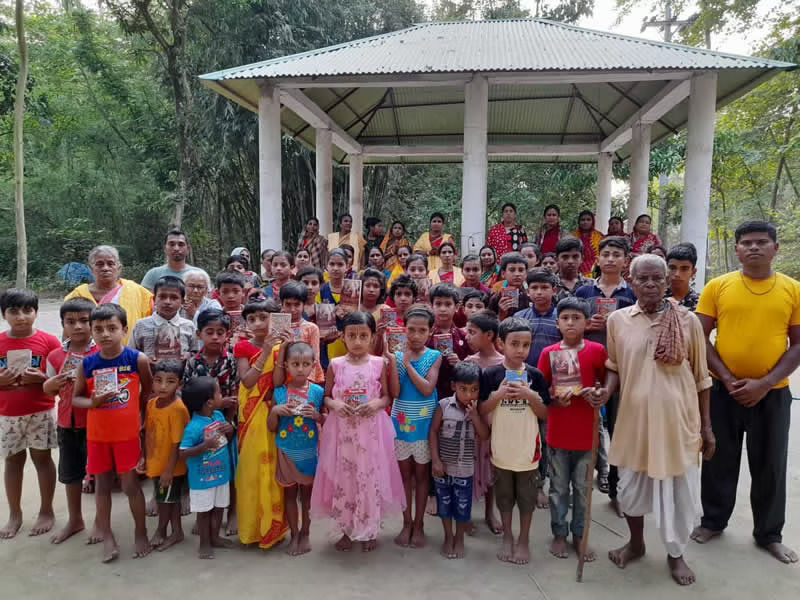
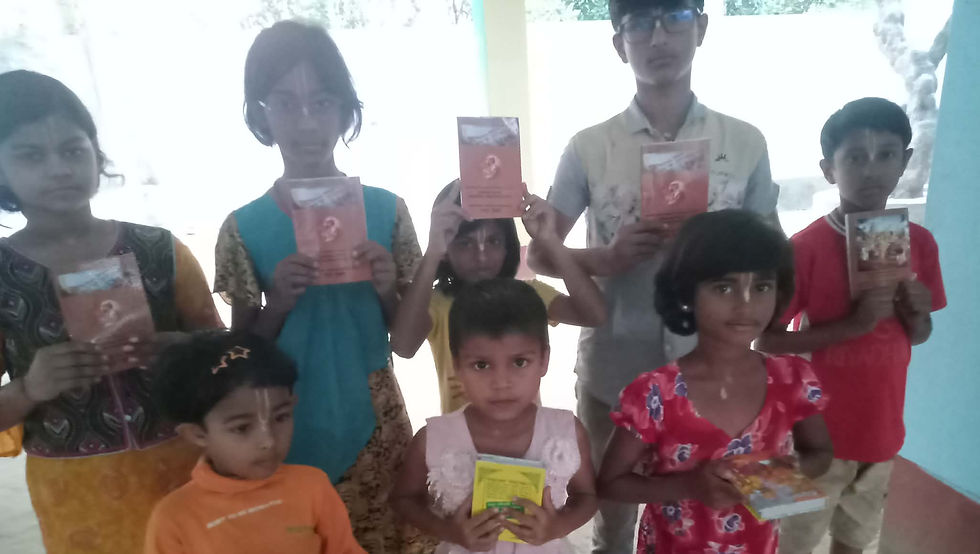
Millions of children across Bangladesh grow up without parents or stable guardians, often relying on extended family members who are already stretched thin financially. These children in need face compounding risks, poor nutrition leads to stunted growth, missed vaccinations leave them vulnerable to preventable illness, and the absence of school fees keeps them out of classrooms entirely. Lotus Ministry Trust has directly impacted more than 3,000 of these children, providing free education, healthcare, meals, and emotional support designed to address the whole child, not just one symptom of poverty.
What sets this approach apart is the refusal to treat poverty as a single-issue problem. A malnourished child struggling in school won't improve from textbooks alone, and a well-fed child without access to a classroom still faces a limited future. Addressing both simultaneously is where real change starts.
The Bhagavad Gita Schools Model
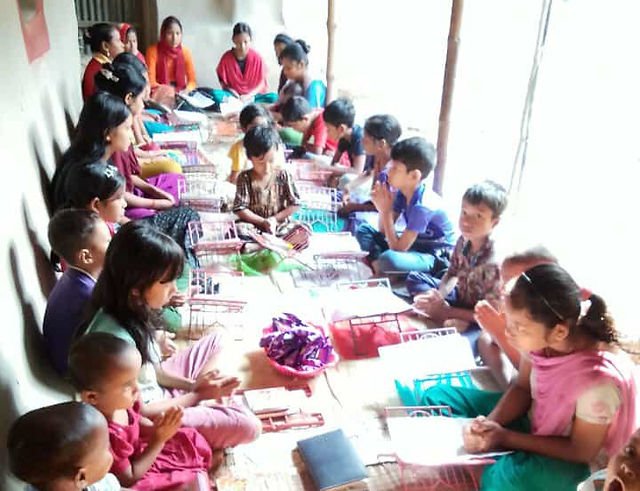
The organization's Bhagavad Gita Schools serve as the backbone of its direct-service work. These schools provide free education alongside medical care, clothing, nutritious meals, and even cash for personal use, giving children in need resources that many of their peers take for granted. Rather than functioning as a bare-bones aid station, the schools operate as full support systems where a child's academic, physical, and emotional needs are addressed under one roof.
Core Values: Empathy, Opportunity, and Equality
Three principles guide every program decision at Lotus Ministry Trust: empathy, opportunity, and equality. Empathy shapes how staff and volunteers interact with children who've experienced trauma and loss. Opportunity drives the push for education and skill-building rather than short-term handouts. Equality ensures that support reaches children in need regardless of gender, disability, or family background, a particularly important stance in a region where girls are often the first to be pulled from school during financial hardship.
How Cash Transfers Change a Life for Children in Need
Cash transfers work because they put decision-making power directly into the hands of families who understand their own needs better than any outside organization ever could. Instead of guessing what a household requires, a direct payment lets a guardian decide whether that month's priority is medicine, food, or a school uniform.
Two distinct approaches shape how these payments function, and understanding the difference matters for anyone evaluating where their donation dollars go.
Unconditional vs Conditional Transfers Explained
Unconditional cash transfers are given with no strings attached, trusting families to allocate the money where it's needed most. Conditional cash transfers, by contrast, require recipients to meet specific criteria, such as keeping children enrolled in school or completing vaccination schedules. Both models have shown measurable success, though conditional transfers tend to produce more consistent results in areas like school attendance since they directly incentivize the behavior aid organizations want to encourage.
Who Receives the Money and How It's Tracked
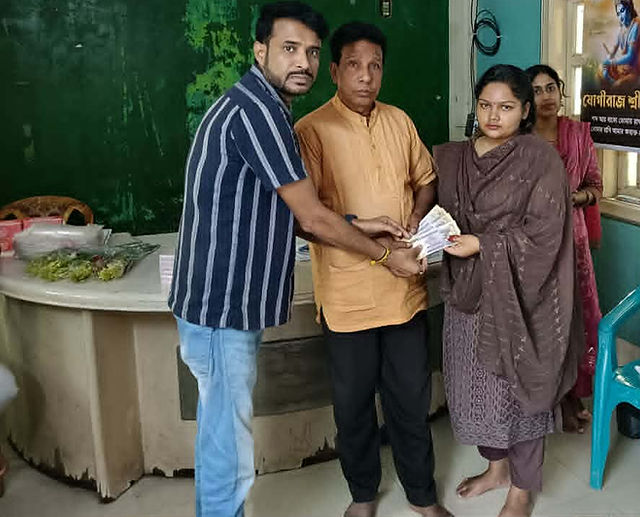
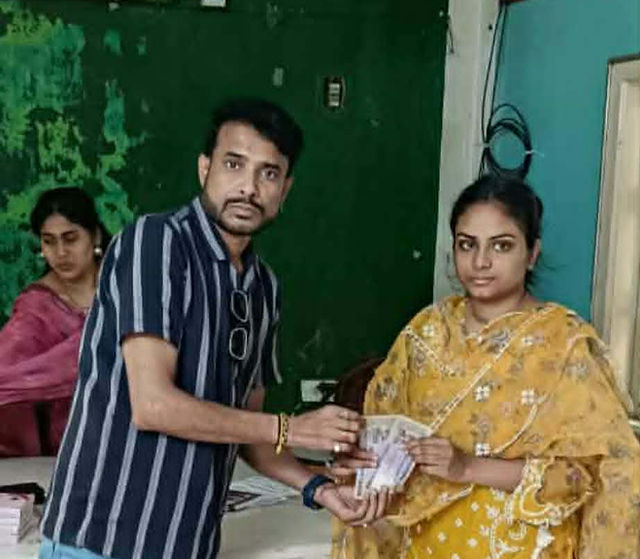
In Bangladesh, cash transfers typically go to a child's guardian or caregiver, though older children sometimes manage funds through supervised accounts. Recipients aren't selected at random. Community-based assessments identify the most economically vulnerable households first, ensuring limited resources reach children facing the steepest odds. Lotus Ministry Trust uses digital payment systems for these transfers specifically because they reduce the risk of theft, cut down on administrative errors, and create automatic transaction records, three safeguards that matter enormously when every dollar needs to be accounted for.
What the Funds Actually Cover
Effective orphan cash transfer programs cast a wide net over basic needs. Typical coverage includes:
School fees and educational materials, removing the single biggest barrier to classroom attendance
Food and nutrition support, directly addressing malnutrition and stunted growth
Healthcare costs, including routine checkups and emergency medical needs
Household essentials like clothing and hygiene supplies
Emergency relief funds for unexpected crises, from medical emergencies to natural disasters
This breadth matters because poverty rarely shows up as a single problem. A child who's fed but sick, or educated but malnourished, still faces serious obstacles to a stable future. Covering multiple needs at once is what separates a temporary fix from lasting change.
Why Nutrition and Healthcare Outcomes Improve
Hunger and untreated illness don't just hurt a child's body, they quietly wear down their ability to learn, focus, and build a future. When families receive consistent cash support, the immediate priority often shifts toward food security and basic medical care, two areas where even small improvements produce outsized results for a child's development.
Reduced Stunting Through Better Diets
Stunting, a condition caused by chronic malnutrition, remains common among orphans in Bangladesh and leaves lasting effects on both physical and cognitive development. Research shows that cash transfers reduce stunting rates by giving families the means to purchase a more varied and nutritious diet rather than relying on whatever is cheapest or most available. A child who eats consistently and well develops differently than one surviving on scraps, and that difference shows up in classrooms years later.
Access to Vaccinations and Regular Check-Ups
Financial stability also opens the door to preventive healthcare that many families would otherwise skip entirely. In Tanzania, children in families receiving cash transfers were more likely to receive essential health services, including vaccinations and routine check-ups, resulting in measurably better health outcomes. Preventing illness before it starts costs far less than treating it after the fact, both financially and in terms of a child's long-term wellbeing.
The Proven Link Between Cash Support and School Success

Help Lotus Ministry Fuel A Better Future
Support Lotus Ministry Directly Through The Founders' PayPal
Financial pressure is one of the most common reasons children drop out of school, and removing that pressure changes outcomes fast. When a family no longer has to choose between buying food and paying a registration fee, school stops being a luxury and starts being the default path forward.
Higher Enrollment Rates Among Children in Need
In Kenya, a cash transfer program led to a 20% increase in school enrollment among children in the poorest households, a jump that reflects just how much financial barriers were keeping kids out of classrooms in the first place. Once registration fees and school supplies stop being obstacles, families overwhelmingly choose to send their children to school.
Lower Dropout Rates When Basic Needs Are Met
Malawi saw a 40% reduction in dropout rates after implementing a cash transfer program targeting vulnerable children, proof that keeping kids enrolled matters as much as getting them enrolled in the first place. When children aren't worried about where their next meal is coming from, they can actually focus on schoolwork. Mexican students in cash transfer programs showed higher test scores and stronger overall academic performance, reinforcing that financial stability and academic success move together.
Cultural Curriculum and Identity Building
Lotus Ministry Trust takes this a step further by weaving local history and cultural knowledge directly into classroom learning. This isn't just about academics, it's about helping orphaned children develop a stronger sense of identity in a world that's already taken so much from them. A child who understands where they come from carries a different kind of confidence into their future, one that textbooks alone can't provide.
Breaking the Cycle of Child Labor
Poverty pushes children into work long before they're ready, often trading their education and safety for a family's short-term survival. Cash transfers interrupt that trade-off directly, and the data backs this up clearly, Brazil's Bolsa Família program led to a significant reduction in child labor once families had another way to make ends meet.
Economic Stability for Families
Reliable income changes how families plan for the future. In Uganda, families receiving cash transfers reported increased income stability, which allowed them to make long-term investments in their children's education and health rather than just surviving month to month. That shift from survival mode to planning mode is often the turning point that keeps kids in school instead of on job sites.
Once a household isn't scrambling to cover emergencies, decisions start looking different. Parents and guardians can prioritize a child's future instead of just their immediate needs, and that single shift ripples through everything from school attendance to healthcare access.
Supporting Female-Headed Households
Female-headed households are frequently among the most economically vulnerable, facing steeper barriers to stable income and resources. Cash transfer programs targeting these households in Bangladesh have shown positive results, improving both health and educational outcomes for the children in their care. Supporting these families directly addresses one of the most persistent gaps in child welfare across the region.
Why Financial Aid Alone Isn't Enough
Money solves a lot of problems, but it doesn't solve all of them. Logistical barriers like limited access to banking services or mobile money can slow down or block distribution entirely, and there's a real risk that families become dependent on aid without building toward long-term self-sufficiency.
That's why the most effective programs treat cash transfers as one piece of a larger puzzle rather than a complete solution on their own.
The "Cash Plus" Approach for Children in Need
"Cash Plus" programs combine direct payments with additional services like healthcare, education, and job training, addressing both immediate needs and long-term stability at the same time. In Tanzania, a Cash Plus program that paired cash transfers with parenting support and health services produced significant improvements in children's health and educational outcomes, outperforming cash alone.
Combining cash transfers with additional services doesn't just maximize benefits, it changes the trajectory for entire families rather than just getting them through the next month.
This layered approach is exactly why Lotus Ministry Trust builds its programs around more than just financial support.
Combining Education, Food Relief, and Cultural Connection
Education, nutrition, and cultural identity work together rather than in isolation. A child who's fed and healthy but disconnected from their community still struggles emotionally, while a child who's educated but malnourished can't perform at their full potential. Addressing all three simultaneously is what gives Lotus Ministry Trust's model staying power beyond a single donation cycle.
Local Partnerships That Make Every Dollar Go Further
No single organization can solve poverty alone, and the strongest results come from collaboration rather than competition between aid groups working in the same region.
Local organizations bring something outside groups can't replicate: insider knowledge of community dynamics, family needs, and regional challenges. That local insight shapes everything from who qualifies for aid to how programs get delivered, and it's a big part of why community-based assessments remain central to identifying the most vulnerable households.
How Lotus Ministry Trust Keeps Donors Accountable
Trust matters enormously in charitable giving, and donors deserve to know exactly where their money goes once it leaves their hands.
Tracking Funds From Donation to Delivery
Digital payment systems create automatic transaction records for every cash transfer, reducing the risk of theft, administrative errors, or funds disappearing somewhere along the way. This isn't just good practice, it's the backbone of how Lotus Ministry Trust ensures every dollar reaches its intended recipient.
Field Check-Ins and Outcome Reporting
Rigorous monitoring and evaluation processes track outcomes on the ground, not just transaction records on paper. This ongoing check-in process helps confirm that cash transfers are actually improving school attendance, healthcare access, and nutrition, rather than assuming success based on the initial payment alone.
Three Ways You Can Give Right Now
Getting involved doesn't require a massive financial commitment or a plane ticket to Bangladesh. There are several practical entry points depending on what you're able to contribute.
1. Donate Through the GoFundMe Campaign
Lotus Ministry Trust runs an active GoFundMe campaign where every contribution goes directly toward funding the school's core services, education, healthcare, meals, and daily operational costs. It's one of the most direct ways to support a child you'll likely never meet but whose life you can still change.
2. Give In-Kind Donations
Books, clothing, and medical supplies are always welcome and often address needs that cash alone can't fill quickly enough. These donations go directly into classrooms and clinics, putting physical resources in the hands of children who need them immediately.
3. Build a Corporate Partnership
Businesses looking to contribute at a larger scale can partner directly with Lotus Ministry Trust, whether that means financial contributions, organizing employee volunteer days, sponsoring a specific program, or donating materials in bulk. Corporate partnerships often provide the kind of sustained support that lets programs plan further into the future rather than operating month to month.
Here's a quick breakdown of how these giving options compare:
Giving Method | Best For | Impact Area |
GoFundMe Donation | Individual donors | Education, healthcare, meals, operations |
In-Kind Donation | Donors with physical goods | Immediate classroom and clinic needs |
Corporate Partnership | Businesses and organizations | Sustained, large-scale program support |
How to Volunteer Your Time and Skills
Volunteering at Lotus Ministry Trust doesn't require a professional certification for most roles, just a willingness to show up and contribute wherever help is needed most.
Teaching and Literacy Support
Teaching volunteers help with classroom instruction, reading and writing support, and delivery of core curriculum. This role has a direct, visible impact, watching a child go from struggling with basic reading to gaining real confidence in a classroom setting is one of the most rewarding parts of volunteering here.
Mentorship and Emotional Guidance
Mentorship volunteers offer something a curriculum can't always provide: one-on-one guidance and a stable adult presence in a child's life. Many of these children have experienced loss and instability that no amount of academic support can fully address, and having a consistent adult figure who shows up week after week builds a kind of trust that changes how a child sees their own future.
Healthcare and Medical Volunteering
Medical professionals bring specialized skills that directly strengthen the organization's healthcare programs. Doctors, nurses, nutritionists, and mental health practitioners can contribute hands-on expertise to routine check-ups, vaccination efforts, and emotional support services that many of these children wouldn't otherwise have access to. Lotus Ministry Trust has directly impacted over 3,000 orphaned children in Bangladesh through such dedicated volunteer efforts.
Volunteers with backgrounds in dietetics or food service play an equally important role, helping ensure meals served at the Bhagavad Gita Schools stay balanced and nutritious rather than just filling. Given how directly nutrition ties to stunting rates and cognitive development, this kind of expertise carries weight far beyond the kitchen.
Administrative and Organizational Roles
Not every volunteer needs to work directly with children to make a difference. Administrative volunteers handle scheduling, communications, data entry, event coordination, and donor outreach, the behind-the-scenes work that keeps programs running smoothly. Volunteers with backgrounds in administration, marketing, or nonprofit management are especially valuable here, since this kind of organizational support often determines how efficiently donations and resources actually reach the children who need them.
The Ripple Effect: From One Child to a Whole Community
Join With Lotus Ministry Trust To Support Children In Need
Support Lotus Ministry Directly Through The Founders' PayPal
Supporting one child rarely stops with just one child. When a family stabilizes, when a girl stays in school instead of facing early marriage, when a young person graduates with real skills, the benefits spread outward into siblings, neighbors, and eventually entire communities.
From Dependent to Contributor
Educated children are far more likely to access formal employment rather than informal, unsafe labor, shifting their role from a financial burden on their family to an active contributor to household income. This shift matters enormously for girls in particular, since girls who stay in school are significantly less likely to face early marriage or exploitation later in life.
This transformation doesn't happen overnight, but it follows a fairly predictable path once the right support systems are in place. A child who receives consistent nutrition, healthcare, and education tends to move through several stages over time.
Here's what that progression typically looks like in practice:
Early years: improved nutrition and healthcare reduce illness and stunting, allowing normal physical and cognitive development
School-age years: consistent attendance and cultural identity programs build both academic skills and personal confidence
Adolescence: reduced risk of child labor or early marriage keeps educational paths open
Young adulthood: access to formal employment opportunities rather than informal, unsafe labor markets
Long-Term Shifts in Local Economies
Multiply this progression across thousands of children, and the economic impact on a community becomes significant. Families that once depended entirely on aid start contributing tax revenue, local spending, and skilled labor back into their own communities.
Reduced healthcare costs as preventive care lowers long-term medical expenses
Increased local spending power as more adults enter stable employment
Lower rates of generational poverty as educated children raise their own families with better resources
None of this happens through a single donation or a single school year. It's the accumulation of consistent support over time that eventually shifts an entire community's trajectory.
That's precisely why organizations like Lotus Ministry Trust build programs designed to last years, not months.
Challenges That Still Stand in the Way
No aid program operates without obstacles, and being honest about those challenges matters just as much as celebrating the wins.
Reaching Families Without Banking Access
Logistical issues, particularly a lack of access to banking services or mobile money, can hinder the distribution of cash transfers in some of the most remote or underserved areas. Financial inclusion in Bangladesh has expanded significantly through mobile banking services, making it easier for families to receive and manage funds, but gaps still exist in the hardest-to-reach communities.
Closing these gaps requires ongoing investment in infrastructure and partnerships with organizations already embedded in those communities, another reason local knowledge matters so much in this work.
Avoiding Long-Term Dependency
There's a real risk that families become reliant on cash transfers without building toward long-term self-sufficiency, which is exactly why combining aid with education and job training matters so much. Cash transfers work best as a bridge toward stability, not a permanent substitute for it.
This is where the "Cash Plus" model proves its value again. Pairing direct financial support with education, healthcare, and skill-building gives families a path off aid entirely, rather than keeping them dependent on it indefinitely.
Your Generosity Is the Missing Piece for a Child Waiting Right Now
Somewhere in Bangladesh today, a child is deciding whether tomorrow includes a classroom or another day of missed school because of an unpaid fee. Your donation, your volunteer hours, or your company's partnership could be the exact thing that changes that decision.
Frequently Asked Questions
These are some of the most common questions people ask before donating or volunteering with Lotus Ministry Trust.
What percentage of my donation reaches a child directly?
Lotus Ministry Trust uses digital payment systems and rigorous monitoring processes specifically to reduce theft, administrative errors, and delays, ensuring funds reach their intended recipients as directly as possible.
Can I choose whether my donation funds education, food, or healthcare?
Donations made through the GoFundMe campaign go directly toward funding the school's core services, which include education, healthcare, meals, and daily operational costs, allowing your contribution to support whichever need is most urgent at the time.
Do I need a teaching degree to volunteer at Lotus Ministry Trust?
No professional qualifications are required for most volunteer roles, including teaching and literacy support, mentorship, and administrative work. Medical and nutrition-related roles do benefit from relevant professional backgrounds, but many positions simply require consistency and willingness to help.
How does Lotus Ministry Trust verify that cash transfers help children?
The organization relies on community-based assessments to identify vulnerable households, followed by ongoing monitoring and evaluation to track outcomes like school attendance, healthcare access, and nutrition over time.
Can businesses partner with Lotus Ministry Trust instead of individuals donating?
Yes, corporate partnerships are available for businesses looking to contribute financially, organize employee volunteer days, sponsor specific programs, or donate materials in bulk.






Comments