
Lotus Ministry Trust Apparel Distribution Strategy & Tips

Getting clothes to people who need them most sounds simple until you're coordinating volunteers across flood-prone villages with no paved roads.
Lotus Ministry Trust has spent years figuring out exactly that puzzle in Northern Bangladesh, building a distribution system that gets practical, climate-appropriate apparel into the hands of families who'd otherwise go without. For charities looking to replicate this kind of impact, Lotus Ministry Trust offers a working blueprint worth studying. Their approach blends local partnerships, careful logistics, and genuine cultural awareness in a way that larger, more bureaucratic organizations often struggle to match.
Please Help Our Dedicated Volunteers

Support Lotus Ministry Directly Through The Founders' PayPal

Article-at-a-Glance
Lotus Ministry Trust has distributed clothing, blankets, and meals to over 100,000 people in Northern Bangladesh since 2020, with plans to reach 50,000 more
The organization's apparel distribution model relies on direct volunteer delivery rather than intermediaries, keeping overhead low and impact high
Clothing donations are matched to both climate needs and cultural preferences before reaching any village
Sri Lanka has been named as the next country for expansion, following the same direct-aid model used in Bangladesh
Readers will find specific, actionable steps for building their own apparel distribution strategy, whether donating, volunteering, or running a similar program
How Lotus Ministry Trust Delivers Clothing to Northern Bangladesh
Clothing distribution isn't just about collecting donations and handing them out. It requires understanding who needs what, when they need it, and how to get it there safely. Lotus Ministry Trust built its entire apparel program around this principle, starting small in 2021 and scaling into a network that now touches dozens of remote communities across northern Bangladesh.
The organization didn't start as a clothing-focused charity. It grew into one by listening to what communities actually asked for.
Founding Story: Jeffrey Dunan's Vision for Community-First Aid
Jeffrey Dunan, also known as Vasanta das, founded Lotus Ministry Trust in 2021 after the organization had already been running humanitarian relief operations in Bangladesh since 2020. His vision centered on direct engagement rather than distant administration — a model where staff and volunteers personally deliver aid to families instead of routing it through layers of bureaucracy. That founding principle still shapes how clothing gets distributed today.
Tax-Exempt Status Under IRS Code 508(c)1(a)
Lotus Ministry Trust operates as a tax-exempt, faith-based charity under IRS code 508(c)1(a), registered with EIN 92-1986116. This status matters for donors because every contribution, whether cash or clothing, qualifies as tax-deductible. For charities building similar programs, understanding this classification early can simplify fundraising and donor trust-building down the road.
From Meals to Apparel: How the Mission Expanded
The ministry's original focus was nutritious vegetarian meals for impoverished villages. Clothing and blanket distribution followed naturally once volunteers on the ground noticed families struggling with Bangladesh's extreme seasonal temperature swings. Today the organization distributes clothing, blankets, nutritious meals, and educational resources as part of one integrated relief strategy rather than separate programs.
What Makes This Apparel Distribution Model Work
A lot of clothing drives fail because they treat distribution like a one-time event instead of an ongoing system. Lotus Ministry Trust avoids this trap by building repeatable steps into every distribution cycle.
Here's the general process the organization follows for each community it serves:
Needs assessment — volunteers evaluate what types and quantities of clothing a village actually requires before anything gets shipped
Sourcing and sorting — donated items get sorted by climate suitability and cultural appropriateness
Local coordination — partnerships with community leaders and local organizations help identify the most vulnerable households
Transport and delivery — a mix of vehicles and local transport methods gets supplies into remote, often hard-to-reach villages
Direct handoff — volunteers deliver clothing personally, skipping intermediary administrative layers
Step 1: Assessing Community Clothing Needs Before Shipping Anything
Every distribution cycle starts with an assessment. Volunteers determine what a specific community actually needs rather than assuming one type of clothing fits every village. This prevents waste and ensures resources go where they'll have the most impact. For more on how Lotus Ministry Trust distributes clothing effectively, visit their website.
Step 2: Matching Donations to Climate and Cultural Norms
Northern Bangladesh swings between intense heat and cold, so clothing has to match the season and the region. Lotus Ministry Trust also stays mindful of cultural norms, making sure donated items respect local traditions rather than imposing outside standards. This attention to detail is part of why the program has earned trust in communities it serves.
Step 3: Coordinating Local Volunteers for Last-Mile Delivery
Getting clothing sorted and packed is only half the job. The ministry relies on a network of local volunteers who help carry out the actual sorting, packing, and distribution work on the ground. Without this local labor force, reaching isolated villages would be nearly impossible.
Step 4: Navigating Remote Terrain With Mixed Transport Methods
Many of the villages Lotus Ministry Trust serves sit far from paved roads or reliable infrastructure. The organization combines vehicles with local transport methods to physically move clothing into these areas, requiring careful planning and resource allocation for every single distribution run.
Seasonal Strategy: Why Blankets Matter as Much as Clothes
Clothing alone doesn't solve winter in northern Bangladesh. Blankets play an equally critical role, distributed as seasonal items specifically during colder months when temperature drops hit vulnerable families hardest.
Protecting Children and Elderly Residents During Winter Cycles
Children and elderly residents face the highest risk during cold snaps, which is why blanket distribution gets prioritized alongside clothing during winter cycles. One beneficiary summed it up simply: receiving new clothes meant her family no longer had to worry about the cold, and her children could attend school with confidence.
Timing Distribution Around Northern Bangladesh's Cold Months
Timing matters as much as the items themselves. Lotus Ministry Trust schedules blanket and heavy clothing distribution to align with the region's colder months, ensuring families receive warm items right before they need them most rather than after the cold has already set in.
New vs. Used Clothing: What Nonprofits Should Accept
Not every clothing donation is created equal, and charities running their own programs need clear standards for what to accept. Lotus Ministry Trust accepts both gently used and new clothing, but only items suitable for the climate and cultural preferences of the communities it serves.
Quality Standards That Respect Local Traditions
Accepting donations isn't just about condition — it's about appropriateness. Clothing that doesn't align with local cultural norms, even if it's brand new, won't serve the community well. This is a lesson other charities can apply directly: quality control should include cultural fit, not just physical condition.
Why Climate-Appropriate Donations Outperform Generic Drives
Generic clothing drives often collect whatever people want to get rid of, regardless of climate fit. Lotus Ministry Trust's model flips that approach by assessing regional weather patterns first, then sourcing or accepting donations that actually match those conditions. The result is clothing that gets used immediately rather than sitting unused because it doesn't suit the environment.
Why Remote Villages Get Overlooked by Larger Charities
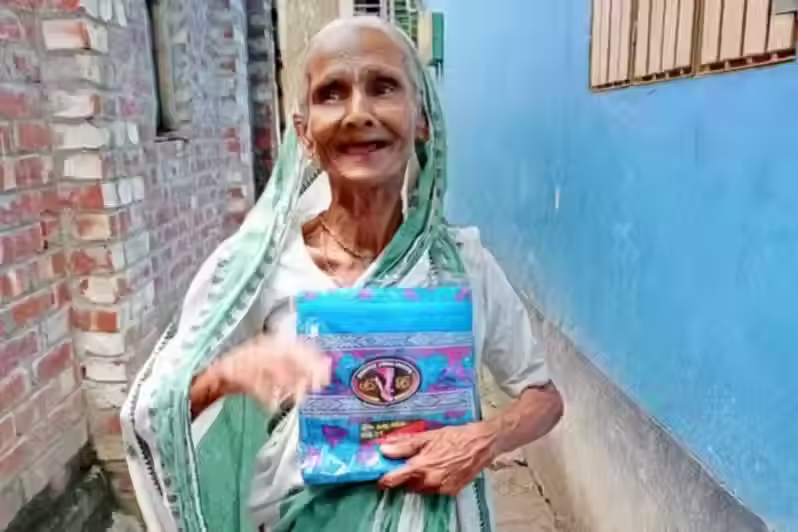
Lotus Ministry Trust Has Made A Commitment
To Keep Them Smiling, Please Help!
Support Lotus Ministry Directly Through The Founders' PayPal
Big relief organizations often gravitate toward areas with existing infrastructure simply because it's easier and cheaper to operate there. That leaves the hardest-to-reach villages, the ones with no roads, no electricity, and no local offices, waiting far longer for help, if it arrives at all.
Logistics Barriers That Keep Aid Concentrated in Accessible Areas
Reaching a village with no paved roads means renting different transport, hiring local guides, and building in extra time for every single trip. Many charities simply don't have the staffing or budget flexibility to absorb that complexity, so they default to serving populations near cities or major transit routes instead.
Flooding, Poverty, and Infrastructure Gaps in Northern Bangladesh
Northern Bangladesh presents a particularly tough combination of challenges. Seasonal flooding, limited arable land, high rural poverty rates, and insufficient public infrastructure all compound each other, creating persistent food insecurity and making economic opportunities outside of subsistence agriculture scarce. These same conditions make clothing and blanket access just as precarious as food access.
Building Partnerships That Make Distribution
Possible
No single organization can reach every household in a region this challenging on its own. That's why partnerships sit at the center of how Lotus Ministry Trust operates, connecting with local organizations, community leaders, and other charities to extend its reach far beyond what a small team could accomplish alone.
Local partners bring something no outside organization can replicate: on-the-ground knowledge of who needs help most and how to reach them respectfully. Community leaders understand which families are struggling the most, which households have been overlooked by previous aid efforts, and how cultural dynamics might affect how donations should be distributed.
This kind of collaboration doesn't just make logistics easier. It builds long-term trust between the charity and the community, which matters enormously for an organization planning to return to the same villages season after season.
Community trust, built steadily since 2020, is one of Lotus Ministry Trust's most valuable operational assets — something that can't be purchased or rushed, only earned through consistent, respectful presence.
Working With Local Organizations and Community Leaders
Local organizations provide more than logistical support. They offer insight into which communities are most vulnerable and help tailor distribution efforts so that clothing and other aid actually match what people need, rather than what's convenient to ship.
Community leaders who understand cultural nuances also help avoid missteps. A clothing donation that seems perfectly reasonable from the outside might not fit local customs, and partners on the ground catch these issues before they become problems.
Leveraging International Charity Networks for Added Resources
Beyond local partnerships, connecting with broader charity networks opens doors to additional resources, funding opportunities, and shared logistical knowledge. Organizations working in similar regions often face comparable challenges, and pooling insights helps everyone operate more efficiently.
For charities just starting out, this kind of networking can shortcut years of trial and error. Learning from groups that have already solved transportation puzzles or built trust in difficult regions saves both time and resources.
It also creates opportunities for resource sharing during peak distribution seasons, when demand for vehicles, volunteers, and supplies spikes simultaneously across multiple organizations working the same general area.
The Real Impact of Proper Clothing on Families
It's easy to underestimate how much a simple piece of clothing can change someone's daily life. For families living in extreme poverty, proper clothing isn't a luxury — it's the difference between a child attending school or staying home, and between an adult finding work or being turned away.
Employment Opportunities for Adults After Receiving Apparel
Adults face similar barriers when it comes to work. Showing up for a job interview or a day of labor in inadequate clothing can cost someone an opportunity before they even get a chance to prove themselves.
Appropriate clothing also helps protect against weather-related health issues that can keep adults from working consistently. Fewer sick days and fewer missed opportunities add up over time, giving families a more stable path toward better economic conditions.
These outcomes show why clothing distribution deserves the same strategic attention as food or medical aid programs, rather than being treated as a secondary concern.
Dignity, Confidence, and Hygiene Benefits
Clean, well-fitting clothing does something less tangible but equally important: it restores a sense of dignity. People who've gone without proper clothing for extended periods often describe feeling more confident and willing to participate in community life once that basic need is met.
Hygiene benefits follow naturally. Clean clothing reduces exposure to illness and infection, particularly important in regions where healthcare access is already limited. One recipient put it simply, saying the support from Lotus Ministry Trust had truly changed her family's life for the better.
Scaling Up: 100,000 People Served and Counting

A Small Donation Goes A Long Way In A Village
Support Lotus Ministry Directly Through The Founders' PayPal
Lotus Ministry Trust has served over 100,000 people in Northern Bangladesh since launching operations in 2020. That number represents years of consistent distribution cycles, partnership building, and logistical refinement rather than a single large-scale event.
Reaching that milestone required solving the same problems over and over across dozens of different villages, each with its own transportation challenges, cultural considerations, and seasonal needs.
Milestone | Detail |
Operations began | 2020 |
People served to date | Over 100,000 |
Additional target | 50,000 more people |
Next expansion country | Sri Lanka |
The organization has publicly committed to reaching an additional 50,000 people through expanded distribution efforts, a goal that depends heavily on new infrastructure and continued fundraising support.
Plans to Reach 50,000 More People in Northern Bangladesh
Hitting that next target means extending into villages the organization hasn't yet reached, which requires both financial resources and expanded volunteer capacity. Recurring donations play a particularly important role here, allowing the organization to plan distribution schedules with greater confidence rather than reacting to funding one cycle at a time.
Planning further ahead also means better bulk purchasing and coordination with local partners, both of which stretch donated funds further.
New Distribution Centers on the Horizon
Additional distribution centers are being planned to extend geographic reach across Northern Bangladesh. These centers will serve as staging points for sorting and packing clothing before it heads out to surrounding villages, cutting down on travel time and improving response speed when seasonal needs shift quickly.
Why Sri Lanka Is Next on the Expansion Map
Sri Lanka has been formally identified as the next country for Lotus Ministry Trust operations. The expansion model will mirror the Bangladesh approach closely, combining direct community engagement, vegetarian meal distribution, clothing and blanket relief, and educational programming into one integrated system rather than launching disconnected initiatives.
5 Ways You Can Support Apparel Distribution Efforts
Supporting a program like this doesn't require a massive commitment. Whether someone has an hour a week or a closet full of climate-appropriate clothing, there's a way to contribute meaningfully.
Make a one-time or recurring donation through the organization's GoFundMe campaign, which directly funds clothing, blankets, and meal distribution
Volunteer as a logistics coordinator, helping plan transportation routes and distribution schedules for remote villages
Sort and pack clothing donations, ensuring items meet climate and cultural standards before they ship out
Join as a community outreach volunteer, helping assess needs and build relationships with local leaders
Spread awareness through fundraising and communications, since broader visibility directly translates into more resources for distribution
Volunteer inquiries can be sent directly to lotus.ministry.trust@gmail.com, and both short-term and longer-term commitments are welcomed depending on what someone can realistically offer.
A Lean Model: Why Overhead Stays Low and Impact Stays High
One of the clearest signs of an efficient charity is how much of each donated dollar actually reaches the people it's meant to help. Lotus Ministry Trust operates with a lean structure specifically so donations translate directly into aid rather than disappearing into administrative overhead.
No Middlemen: Direct Delivery From Volunteers to Families
The organization doesn't route aid through intermediaries or distant administrative layers. Volunteers and staff personally deliver clothing, blankets, and meals to families, which keeps the connection between donor and recipient as direct as possible.
How Donations Translate Directly Into Distributed Apparel
This direct model means a donation of clothing or funds moves quickly from collection to distribution, without getting stuck in bureaucratic processing. For donors, that transparency builds confidence that their contribution is actually reaching the families it's intended for.
Frequently Asked Questions
How does Lotus Ministry Trust decide which villages receive clothing first?
The organization conducts needs assessments in partnership with local leaders and volunteers, prioritizing villages based on vulnerability, seasonal weather risks, and existing gaps in aid coverage. Learn more about how Lotus Ministry Trust distributes clothing to neglected residents.
Can I donate used clothing instead of new items?
Yes, gently used clothing is accepted as long as it suits the climate and cultural preferences of the communities being served.
Is my donation to Lotus Ministry Trust tax-deductible?
Yes, Lotus Ministry Trust operates as a tax-exempt charity under IRS code 508(c)1(a), meaning all donations qualify as tax-deductible.
What volunteer roles are available for apparel distribution?
Volunteers can help with logistics, sorting and packing, community outreach, fundraising, and communications, with both short-term and longer-term roles available.
Will Lotus Ministry Trust expand apparel programs beyond Bangladesh?
Yes, Sri Lanka has been identified as the next country for expansion, following the same direct-distribution model used in Bangladesh.
If you're looking to support a clothing distribution model built on direct delivery, cultural respect, and measurable results, Lotus Ministry Trust offers a straightforward way to get involved.
School Attendance Rates Among Children With Adequate Clothing
Children without appropriate clothing often skip school entirely, whether due to embarrassment or simply lacking anything suitable to wear in harsh weather. Access to proper clothing removes that barrier, and families who've received support report their children attending school more consistently and with more confidence.
This connection between clothing and education isn't anecdotal guesswork. It reflects a pattern charities see repeatedly: basic physical needs, once met, clear the path for other improvements like school attendance and social participation.







Comments